Collage Techniques as a Form of Self-Expression: A Personal Artistic Journey
Unleashing Creativity Through Collage
The world of art offers countless avenues for self-expression, and among these, collage techniques stand out as a unique and accessible medium. This artistic journey invites individuals to piece together fragments of their imagination, transforming them into something entirely new. Throughout history, artists have used collage not just for aesthetics, but as a way to convey complex emotions and personal narratives.
Why Choose Collage?
Collage art can be defined by its use of diverse materials and techniques, providing a rich canvas for creativity. Think about the endless combinations that can be created with everyday items. Consider the following aspects:
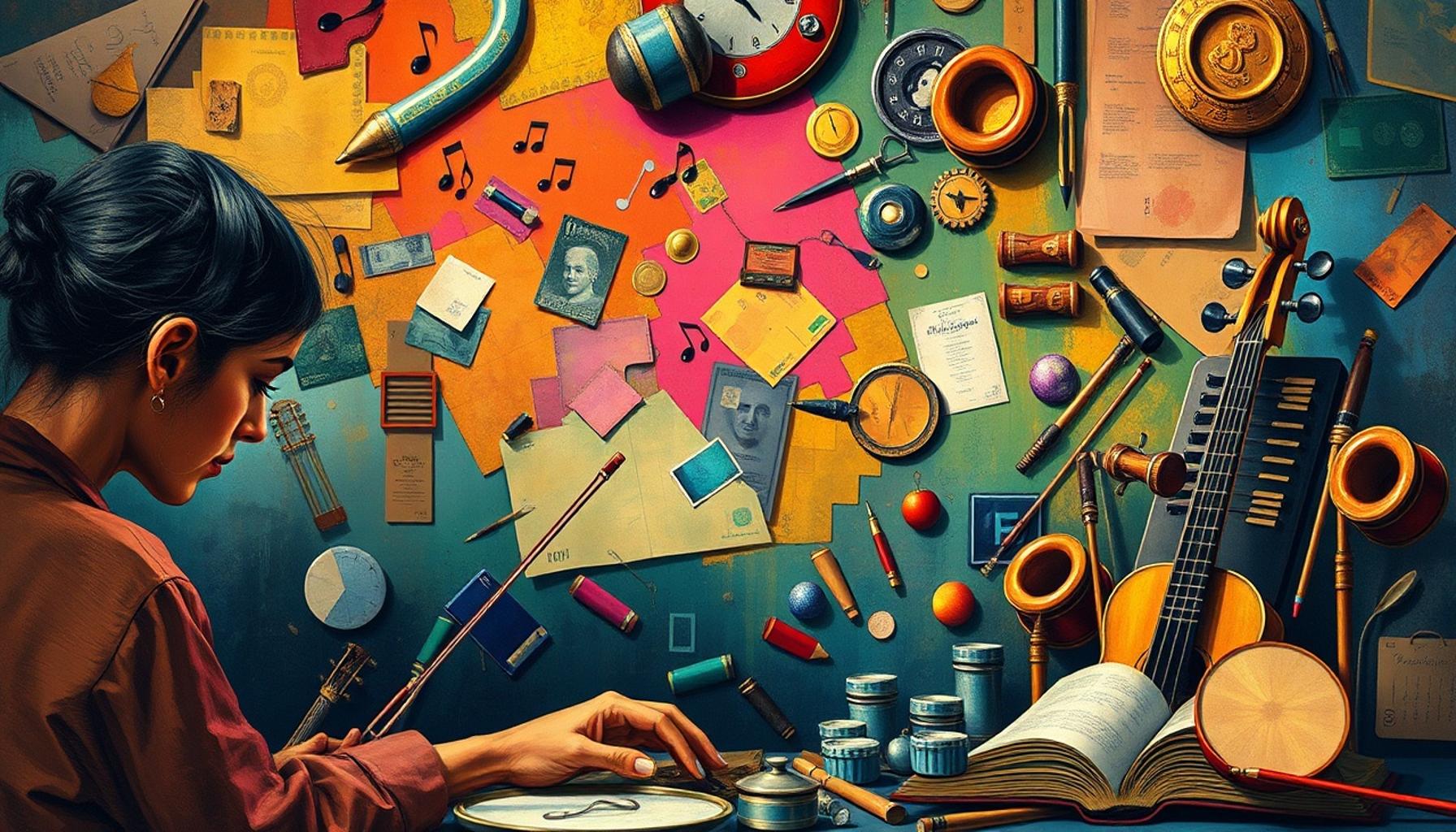
- Diverse Materials: Collage artists often utilize a myriad of materials, including magazine clippings, photographs, postcards, fabric swatches, old book pages, and found objects such as buttons, leaves, or packaging. This variety not only enhances the tactile quality of the artwork but also allows for a juxtaposition of textures, colors, and visuals that can evoke different emotions.
- Layering Techniques: One of the most compelling features of collage is layering. By placing elements on top of each other, artists create depth and intrigue. For example, a faded photograph overlaying vibrant paint can suggest memory and nostalgia, while contrasting patterns can create tension and dynamism within the artwork.
- Personal Narratives: The collage medium encourages artists to tell stories that reflect their own experiences. This could be a representation of one’s journey through life, struggles with identity, or even social and political commentary. For instance, using newspaper articles in a collage can become a powerful statement on current events, making the artwork not only visually engaging but also culturally relevant.
A Personal Exploration
Embarking on this artistic journey reveals more than just techniques; it offers profound exploration of identity and emotions. Each layer of a collage can symbolize various aspects of the artist’s life, allowing them to express thoughts that may be difficult to articulate otherwise. For example, an artist might create a collage that combines images of family with symbols of cultural heritage, weaving together their past with their current identity.
As you delve into this artistic practice, you will discover the power of creating visually striking pieces that reflect your unique perspective and emotions. Moreover, collage art can serve as a therapeutic outlet, helping individuals process complex feelings, especially in times of stress or change. It encourages a form of mindfulness as the artist becomes absorbed in the delicate process of cutting, arranging, and adhering materials. Ultimately, the experience of creating a collage is as enriching as the final piece itself.
In conclusion, the world of collage is not just about assembling random elements. It is a canvas where stories, emotions, and identities converge, inviting both artists and viewers to reflect, connect, and explore. Whether you are a seasoned artist or a curious beginner, engaging with collage can unlock new dimensions of creativity and self-discovery.
The Transformative Power of Collage
Collage techniques open a gateway to creativity that is as liberating as it is profound. What draws many to this medium is its democratic nature; anyone can pick up scissors and glue, creating art from what might otherwise be discarded. This accessibility democratizes the artistic process, inviting artists from various backgrounds to find their voice and express experiences uniquely tied to their identities and environments.
The Artistic Process
The beauty of collage lies not only in the finished product but in the process itself. Creating a collage involves a series of thoughtful decisions and spontaneous actions. Each phase of this journey allows the artist to explore their emotions and thoughts freely. Here are key stages often involved in the collage-making process:
- Gathering Materials: Artists begin by collecting a variety of materials that resonate with them. These could include personal photographs, scraps from magazines, or even artwork they have created in the past. The process of selection becomes a reflection of the artist’s intention and emotional state.
- Curation and Composition: Once the materials are gathered, the next step involves arranging them on a canvas or paper. This stage is critical, as it requires the artist to consider the balance, harmony, and narrative of the piece. The choice of what stays, what gets cut, and how elements blend together forms a visual dialogue.
- Adhesion and Layering: The act of adhering materials introduces permanence to the work, yet it also symbolizes commitment to the artistic vision. As layers build upon one another, a rich tapestry of color, texture, and visual connection emerges. This layering technique not only adds depth to the artwork but also invites viewers to explore its intricacies.
Collage as Personal Storytelling
At its core, collage is a form of storytelling. It allows artists to weave personal narratives with visual symbolism, taking the audience on a journey through their experiences. For instance, a young artist might combine images of urban landscapes with snippets of poetry to express their feelings about growing up in a bustling city. This illustrates how collage techniques can serve as a bridge between the personal and the universal.
Furthermore, the resonance of collages often comes from their ability to evoke memories and feelings that might linger at the back of one’s mind. By revisiting certain images, colors, or textures, artists can tap into nostalgia, healing, or a sense of belonging. The final piece thus becomes more than just art; it is a collection of emotions, a tapestry that reflects the artist’s journey.
As you embark on your own artistic journey with collage, consider how the materials you choose and the stories you tell can reflect experiences unique to you. This process encourages you to not only experiment with aesthetics but also delve into the depths of your identity and emotions, making each artwork a deeply personal expression.
As we delve deeper into the world of collage techniques, it is crucial to recognize the versatility they offer as a medium for self-expression. Collage enables artists to weave together elements from various sources, allowing for a profound personalization of their artistic narrative. The fusion of images, textures, and materials creates a unique visual language that communicates emotions and experiences that words may fail to articulate.One interesting feature of collage is its ability to incorporate mixed media. Artists can use anything from magazine clippings to fabric scraps, making the creative possibilities nearly endless. This mixture not only enhances the visual depth of a piece but also allows for tactile engagement, further inviting viewers into the artist’s world. The act of cutting, pasting, and arranging becomes a physical manifestation of one’s thoughts and feelings, transforming the creative process into a therapeutic journey of discovery.Moreover, collage art often challenges traditional boundaries of aesthetics. It encourages artists to break away from conventional forms and explore new dimensions of creativity. This deviation from the norm can lead to profound breakthroughs, both personally and artistically. By celebrating imperfections and embracing the chaotic, artists can create pieces that resonate with authenticity and vulnerability. This rawness can powerfully influence viewers, inviting them to reflect on their own life experiences.Through collage, the very act of combining disparate elements not only reflects an artist’s journey but also speaks to the universal quest for identity and understanding. Each piece serves as a visual diary, inviting others to explore their own stories through the artist’s lens. This technique cultivates a sense of community as viewers may find familiarity in the collage’s message, further fostering connections among individuals with shared experiences.In an increasingly digital age, where many forms of art have shifted online, the tactile nature of collage stands out. It encourages mindfulness and presence during the creation process, allowing artists to engage in a sensory experience that can often be lost when working solely on screens. Ultimately, through these techniques, artists can discover new dimensions of themselves, making collage not just an art form, but a powerful vehicle for personal growth and self-expression. An exploration of collage techniques reveals the profound impact this art form can have on individuals seeking to express their inner selves. Each collage tells a story, challenging the observer to look closer and uncover the meanings hidden within the layers. As we embark on our own artistic journeys, let us embrace the endless possibilities that collage offers as a means of self-discovery and a testament to the rich tapestry of human experience.
Exploring Themes through Collage
The richness of collage techniques lies in their ability to encapsulate complex themes and emotions. Artists often harness the power of juxtaposition, layering contrasting materials and visuals to create striking narratives. For example, a collage featuring images of serene natural landscapes alongside chaotic urban scenes can symbolize the tension between peace and stress in contemporary life. This exploration of conflicting scenarios offers insight into the artist’s emotional landscape, fostering deeper connections with the viewer.
Symbolism in Collage Elements
Each component of a collage is steeped in symbolism, allowing for deeper interpretation. The choice of colors can evoke specific feelings; warm tones may project feelings of passion or warmth, while cooler shades might suggest sadness or contemplation. Furthermore, the selected imagery can bear personal significance. For instance, incorporating old family photographs may evoke nostalgia and personal history, while magazine clippings can highlight societal influences. As artists curate their collages, they weave together a visual language that speaks to their individual experiences and cultural backgrounds.
Cultural Influences on Collage
The significance of collage is particularly pronounced in American art, where cultural diversity plays an integral role in shaping artistic expression. Artists often draw from cultural symbols that resonate with their identity—Mexican-American artists, for example, might incorporate images rooted in their heritage, using collage to celebrate their cultural history while addressing contemporary issues. Additionally, social movements, such as feminism or environmentalism, can find a voice in collage through the use of meaningful statements and visual representations of activism, turning personal expression into a collective experience that speaks across demographics.
The Role of Digital Technology
In recent years, advancements in digital technology have expanded the horizons for collage artists. Software programs and applications allow for the seamless integration of digital imagery with traditional techniques, blurring the lines between physical and digital art. Artists can now experiment with virtual collages, manipulating images with ease and exploring new layers and dimensions. This integration not only streamlines the creative process but also reaches broader audiences, as digital collages can quickly be shared on social media platforms, fostering community and collaboration amongst artists.
Exhibition and Community Engagement
Beyond individual expression, collage often finds its way into community spaces, serving as a catalyst for dialogue and connection. Art exhibitions dedicated to collage can create opportunities for the public to engage with artists and each other through interactive workshops and discussions. For instance, community collage projects can invite participation from diverse groups, allowing people to share their stories visually and fostering a sense of belonging. These initiatives highlight the communal aspect of artmaking, illustrating how collage techniques can bridge divides and create spaces for empathy and understanding.
As you experiment with collage techniques, think about the themes and symbols that resonate with you personally. Engaging with this medium encourages not only a connection with your inner self but also an exploration of the broader social and cultural narratives that shape our world, making collage a powerful tool for self-expression and societal reflection.
Conclusion: Embracing the Art of Collage
In summation, collage techniques serve as a powerful medium for personal exploration and expression, tapping into the myriad of emotions and experiences that shape our identities. By utilizing juxtaposition and layering, artists create compelling visual narratives that invite viewers to engage with diverse themes and societal issues. The symbolism embedded in each collage element not only reflects an artist’s personal journey but also echoes broader cultural dialogues, enriching the art form’s significance in American society.
As we navigate through an increasingly digital landscape, the role of technology has revolutionized how collage is created and perceived. The fusion of traditional and digital methods broadens the accessibility of this art form, enabling artists to convey their messages and connect with audiences more effectively. Additionally, the communal aspects of collage—through exhibitions and community projects—promote inclusivity and foster connections among individuals from varied backgrounds.
Ultimately, engaging with collage techniques encourages us to reflect on our own experiences and cultural narratives. It is an invitation to rediscover the stories that lie within us and to explore how they intersect with larger societal themes. As artists and viewers alike delve deeper into the world of collage, we uncover not only the beauty of self-expression but also the profound impact art can have in shaping our understanding of ourselves and each other. So, whether you’re a seasoned artist or a curious beginner, consider embarking on your own artistic journey with collage as your guide—where every snip, paste, and layer tells a unique story waiting to be shared.