
The Role of Handicrafts in Education: Developing Practical and Creative Skills in Children
Exploring the Impact of Handicrafts in Education
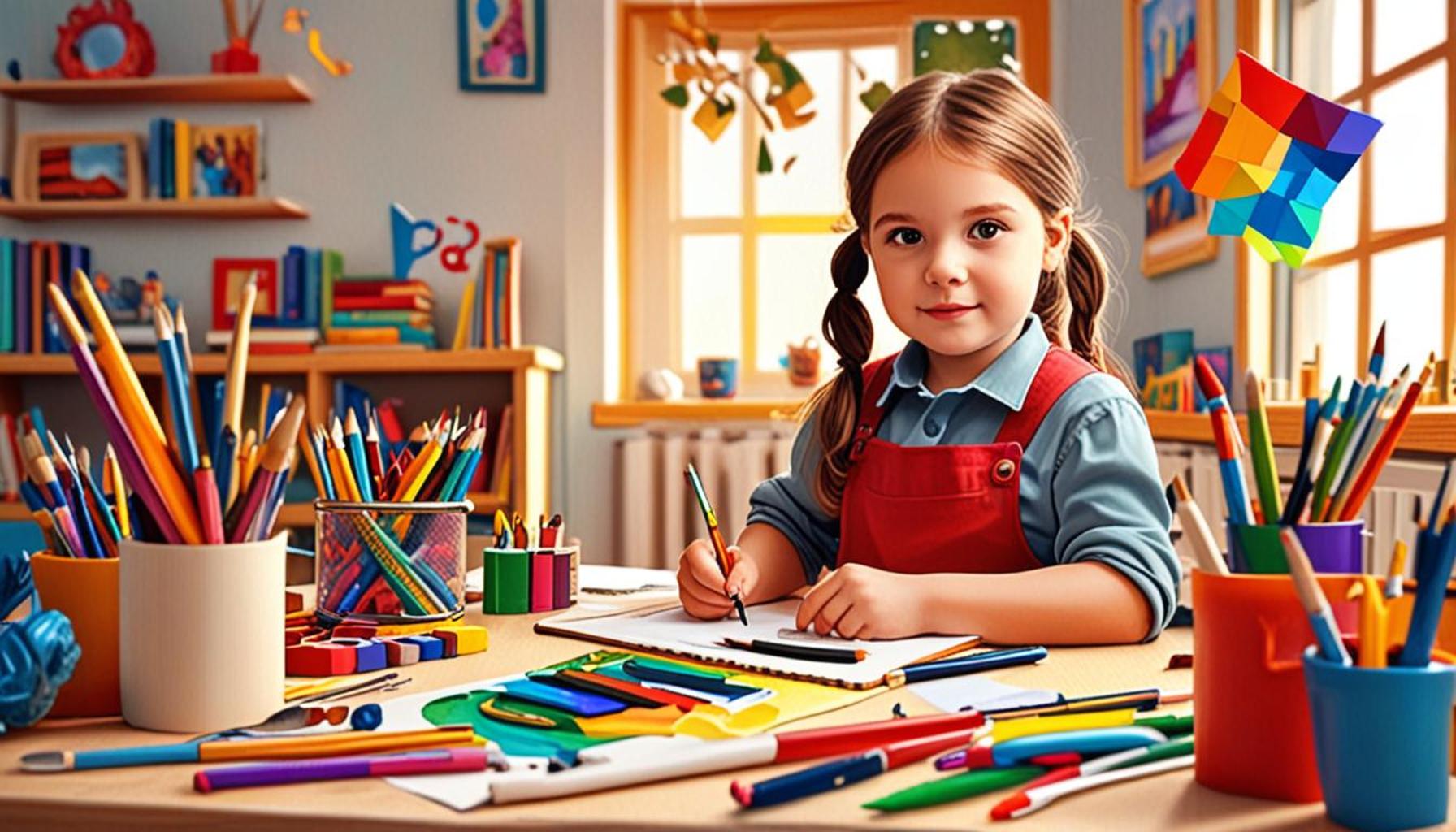
Handicrafts are more than just fun activities; they play a significant role in developing practical and creative skills in children. Engaging in various crafting techniques not only encourages creativity but also enhances fine motor skills and cognitive development. As educational systems evolve, incorporating handicrafts can offer a rich, holistic experience for young learners.
Consider the following benefits of integrating handicrafts into educational curricula:
- Enhancing Creativity: Craft projects stimulate children’s imagination and innovation. When children work with materials like clay, paper, or textiles, they learn to experiment with shapes, colors, and textures. For instance, a simple paper mache project can turn into a journey of transformation, inspiring kids to create everything from masks to animals, thus allowing their ideas to come to life.
- Building Problem-Solving Skills: Creating something from scratch encourages critical thinking and resourcefulness. As children face challenges in their craft projects—such as how to get a structure to balance or make a piece functional—they are encouraged to brainstorm solutions, often leading to inventive outcomes that reflect their unique perspectives. This skill is not just beneficial for arts; it translates seamlessly to real-world scenarios, proving valuable in everyday situations.
- Promoting Collaboration: Group activities foster teamwork and communication among peers. When students work together on a mural or a collaborative sculpture, they learn to share ideas and negotiate roles, which can strengthen their interpersonal skills. Programs such as local art fairs or school crafts days allow children to showcase their work collectively, promoting a sense of community and shared achievement.
- Improving Mental Well-Being: Handicrafts can serve as a therapeutic outlet, reducing stress and anxiety in children. Research has shown that art and crafty activities can be healing. Schools implementing art therapy programs have noted improvements in student focus and behavior. For example, a program where children create stress balls or soothing artwork can help them express emotions they might struggle to verbalize.
In the United States, educational initiatives focusing on art and crafts can be seen in various programs, from summer camps to school art classes. These activities not only provide a break from traditional academic subjects but also allow for personal expression. Many schools are revitalizing art classrooms with diverse supplies and opportunities for experiential learning. As educators and parents recognize the importance of handicrafts in cultivating skills, they pave the way for a more engaged and versatile generation of learners.
Furthermore, the rise of online platforms and tutorials has made crafting more accessible, enabling children to explore a wide range of techniques from sewing to woodworking at home or in community classes. Local organizations frequently host workshops that encourage family participation, ensuring that the crafting spirit can thrive beyond the classroom. This interconnected approach not only refreshes the educational landscape but also emphasizes the importance of creativity as a lifelong skill, leading children to become not just learners but innovators in their own right.
DISCOVER MORE: Click here to dive deeper
The Multifaceted Benefits of Handicrafts in Child Education
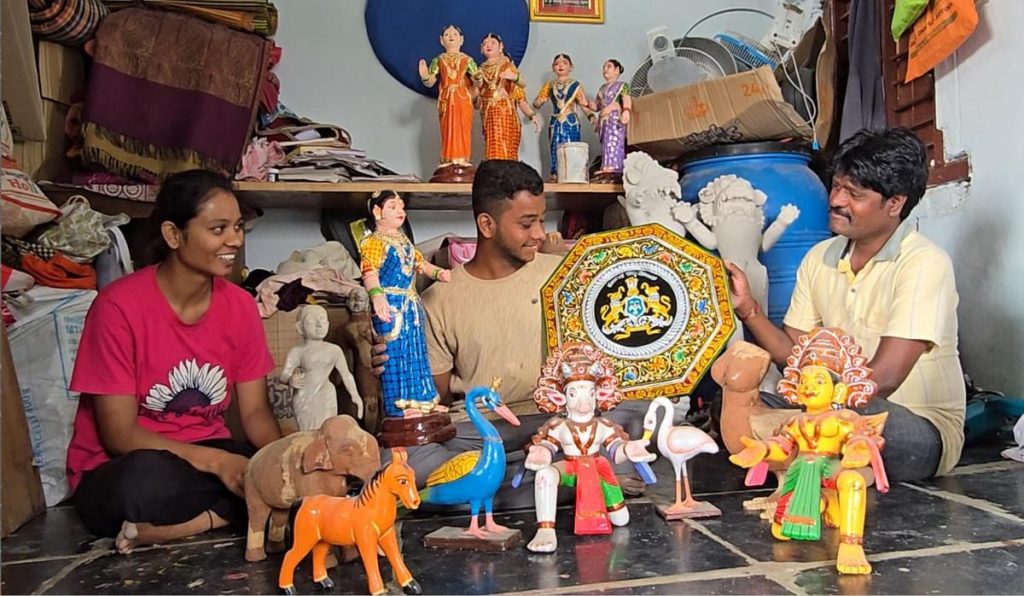
Handicrafts serve as a fascinating gateway for children to engage with their surroundings while honing practical and creative skills. When children manipulate various materials—be it wood, fabric, or paint—they immerse themselves in a hands-on experience that traditional educational methods often overlook. This experiential learning approach not only stimulates curiosity but also nurtures a love for exploration and creativity, critical attributes in today’s fast-evolving world.
One of the standout advantages of incorporating handicrafts into educational settings is the ability to enhance fine motor skills. Craft activities often require precision and coordination, whether it’s cutting intricate shapes or threading beads onto string. These mechanical tasks lead to improved dexterity and hand-eye coordination, which are pivotal as children transition into more complex academic and daily responsibilities. For instance, a simple activity like origami teaches children not only patience and discipline but also strengthens the muscles they need for writing and other detailed tasks.
- Encouraging Cultural Awareness: Handicrafts can also offer children a window into different cultures and traditions. Projects that involve traditional crafts—such as African beadwork or Native American pottery—enrich the curriculum by introducing students to diverse histories and societal practices. This understanding fosters empathy and appreciation for differences in cultural backgrounds, essential for nurturing global citizens.
- Boosting Self-Esteem: Completing a craft project gives children a sense of accomplishment, thereby boosting their self-esteem. When a child creates something with their own hands—whether it’s a painted canvas or a handmade card—they develop a sense of ownership and pride in their work. Such experiences build resilience, as children learn to embrace both successes and failures throughout the creative process.
- Integrating STEM Learning: Handicrafts are a natural bridge to STEM (Science, Technology, Engineering, and Math) education. For example, constructing simple machines from household items requires an understanding of basic physics principles. Activities like these make abstract concepts tangible, allowing children to see real-world applications of what they learn in science and math classes. The blending of arts and STEM—often referred to as STEAM—opens new avenues for critical thinking and innovation.
Moreover, with the ongoing impact of technology on education, traditional crafts can balance screen time dominance. By engaging in hands-on activities, children can disconnect from digital devices, prompting mindfulness and focus on the present moment. This counteraction against digital distractions not only fosters healthier habits but also sparks creativity—empowering children to think beyond the confines of screens.
As schools in the United States increasingly recognize the value of handicrafts in education, innovative programs emerge that weave crafting into the curriculum. Workshops, art fairs, and community events centered around crafts not only engage students but also bring families together, creating a tapestry of learning that extends beyond the classroom walls. Through such collaborative efforts, the benefits of crafts become more pronounced, laying the foundation for a generation of creative thinkers and problem-solvers.
| Advantage | Explanation |
|---|---|
| Enhances Fine Motor Skills | Engaging in handicrafts helps improve hand-eye coordination and dexterity as children manipulate various materials. |
| Encourages Creative Thinking | Handicrafts provide children with the freedom to express their ideas and emotions, promoting innovative problem-solving skills. |
| Builds Confidence | Completing a project gives children a sense of accomplishment, bolstering their self-esteem and encouraging them to tackle new challenges. |
| Promotes Teamwork | Participating in group crafts facilitates collaboration and communication, teaching children the value of working together. |
The incorporation of handicrafts into educational curriculums not only nurtures essential skills but also fosters an enriching environment where children thrive creatively and socially. Through the exploration of various techniques and materials, students gain a tangible understanding of concepts, igniting passion and curiosity in their educational journey. Furthermore, such activities can bridge cultural gaps, encouraging appreciation and respect for diverse backgrounds through shared creative expression. The blend of learning and creativity positions handicrafts as a vital component in enhancing overall child development, propelling educators and parents to advocate for its integration.
DISCOVER MORE: Click here to dive into sustainable cuisine
Fostering Social Skills and Collaboration Through Handicrafts
In addition to the cognitive skills developed through handicrafts, there’s a profound social component that enriches children’s educational experience. When children engage in craft projects together, they learn to communicate, collaborate, and share resources effectively. This interaction is crucial in nurturing their social abilities. For example, group projects such as creating a mural or assembling a community art installation not only enhance artistic expression but also cultivate teamwork and mutual respect. Children are encouraged to exchange ideas, negotiate roles, and appreciate diverse perspectives, which builds essential interpersonal skills necessary for their future careers.
Moreover, some educational institutions have recognized the therapeutic potential of handicrafts, integrating them into social-emotional learning programs. Activities such as creating handmade greeting cards for local nursing homes or crafting decorations for community centers foster a sense of purpose and connection. This type of service-oriented crafting not only benefits recipients but also instills values of empathy and giving back within children, reinforcing a sense of community. According to a report by the National Endowment for the Arts, children who participate in community arts projects demonstrate increased levels of civic engagement and academic success, showcasing the broader impact of crafts beyond individual skill development.
- Building Cognitive Flexibility: Engaging in handicraft activities requires problem-solving and adaptability. As children face challenges during the crafting process—whether it’s fixing a broken project or adapting their design to available materials—they practice cognitive flexibility. This is a vital skill that enables them to tackle various challenges in life, encouraging a growth mindset where they see failures as opportunities for learning.
- Promoting Emotional Regulation: Crafting has shown to have calming effects on children. Engaging in creative activities reduces anxiety and stress levels, allowing children to express their feelings through their artwork. By channeling emotions into tangible creations, children develop healthier coping mechanisms that are essential throughout life.
- Encouraging Environmental Awareness: In an era of growing environmental consciousness, handicrafts can also teach children about sustainability and recycling. Utilizing discarded materials for craft projects not only sparks creativity but also encourages discussions around conservation and responsible consumption. Schools that incorporate eco-friendly crafting into their curriculum help cultivate environmentally aware citizens from a young age.
Furthermore, the rise of online platforms and social media has also influenced the role of handicrafts in education. Virtual craft challenges and online workshops have made it possible for children to connect with peers around the world, showcasing their work and gaining inspiration from diverse cultures. This global perspective enhances their understanding of different artistic methodologies and traditions, enriching their educational journey. High-profile global initiatives such as #CraftChallenge and online craft fairs have emerged, promoting students’ work and giving them the opportunity to express themselves creatively on a global stage.
Incorporating handicrafts into educational programs also aligns with modern educational trends advocating experiential learning. By exposing children to practical, hands-on activities, educators can promote deeper learning experiences that align academic curriculum with real-world applications. As a result, schools that champion the integration of arts and crafts into their classrooms not only make learning more engaging but also prepare students with the essential skills required in contemporary society.
DISCOVER MORE: Click here to enhance your creativity and mental wellness
Conclusion: The Lasting Impact of Handicrafts in Education
In summary, the integration of handicrafts in education offers a multitude of benefits that extend far beyond mere artistic expression. From nurturing cognitive flexibilities and emotional regulation to fostering social skills and community connections, handicrafts serve as a vital tool to cultivate well-rounded individuals. Children learn to navigate challenges creatively, transforming obstacles into opportunities, all while honing their ability to work collaboratively and appreciate diverse perspectives.
Moreover, the current rise in environmental awareness underscores the importance of introducing sustainability discussions through eco-friendly crafting. By utilizing recycled materials and emphasizing conservation, educators can prepare children not only as skilled creators but also as conscientious global citizens. Initiatives such as community crafting projects further emphasize the role of handicrafts in instilling empathy and social responsibility among youth.
As we embrace the digital age, online platforms offer exciting avenues for children to connect globally, share experiences, and gain inspiration from different cultures, thereby enhancing their artistic journeys. By adopting experiential learning practices in classrooms, we pave the way for deeper engagement and relevance in education.
Ultimately, the role of handicrafts in education is a transformative one. Schools and educators keen on fostering practical and creative skills are not just shaping artists; they are empowering future leaders equipped to thrive in a diverse and dynamic world. It is evident that when creativity and craftsmanship are woven into the fabric of education, the outcomes are profound, enriching both individual lives and society as a whole.