The Impact of Craft Fairs on the Valuation of Local Skills and the Creative Economy
Understanding the Impact of Craft Fairs
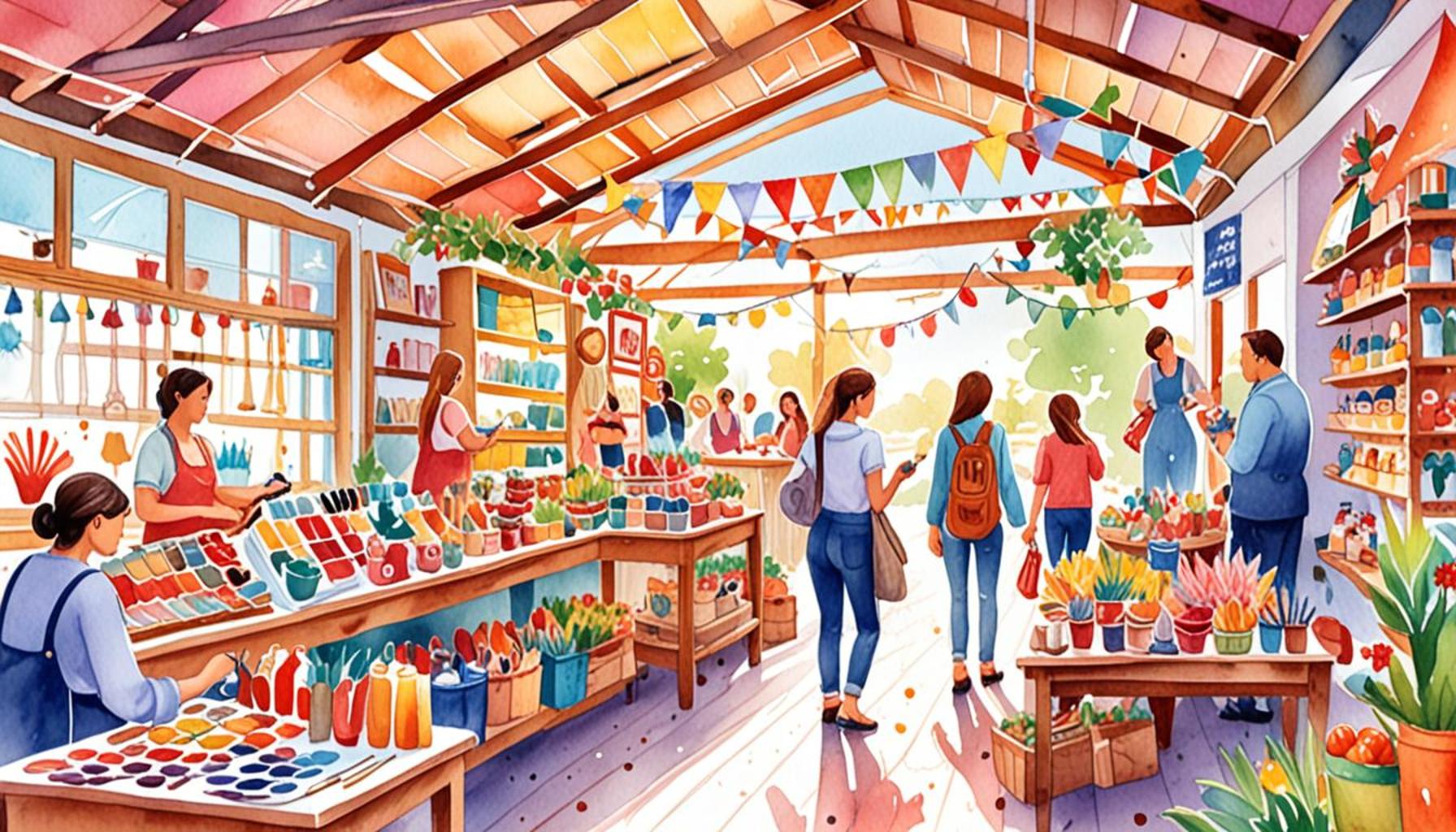
Craft fairs serve as a dynamic platform for artisans, encapsulating a wide range of artistic expressions and handmade goods. From intricate jewelry to artisanal food products, these events create an environment where innovative ideas flourish and local skills are prominently displayed. The importance of craft fairs extends far beyond mere transaction; they play a pivotal role in the valuation of the creative economy, giving emerging and established creators the visibility and recognition they deserve.
Market Visibility
Market visibility is one of the most significant benefits that craft fairs offer to artisans. By participating in these events, creators can directly engage with customers who are actively seeking unique products that are not available in mainstream outlets. This direct interaction allows artisans to share their personal stories, craftsmanship techniques, and the inspiration behind their creations, enriching the shopping experience. For instance, at events like the Brooklyn Flea, vendors often describe their creative processes and connect with the community on a personal level. Customers are not just buying items; they are investing in local craftsmanship and becoming part of the artist’s narrative.
Networking Opportunities
Moreover, craft fairs serve as invaluable networking opportunities. They allow creators to meet fellow artisans, potential collaborators, and even industry influencers who may provide support or guidance. Networking can lead to fruitful partnerships, mentorships, and even invitations to showcase work at larger events. For example, a small-scale ceramic artist might connect with a prominent gallery owner at a regional fair, potentially leading to an exhibition that elevates their career. These interactions can foster a sense of community and solidarity among local makers, encouraging mutual support in an often competitive environment.
Cultural Exchange
Cultural exchange is another critical aspect of craft fairs. These events feature a plethora of artistic traditions from diverse backgrounds, allowing attendees to discover and appreciate different cultural expressions. For example, the Renegade Craft Fair in Chicago often showcases handmade goods that reflect a blend of traditional and contemporary influences from various ethnic communities. This celebration of diversity not only enriches the attendee’s experience but also contributes to wider conversations about cultural appreciation and preservation.
Economic Growth
Research underscores the economic impact of craft fairs on local communities. A case in point is the Indie Craft Experience in Atlanta, which has been instrumental in generating substantial revenue for local businesses. Studies have shown that such events can inject millions into the local economy by attracting visitors who shop, dine, and engage with the community. This economic boost is particularly vital for underserved neighborhoods where traditional job opportunities may be scarce, as it empowers local talent and invigorates the market.
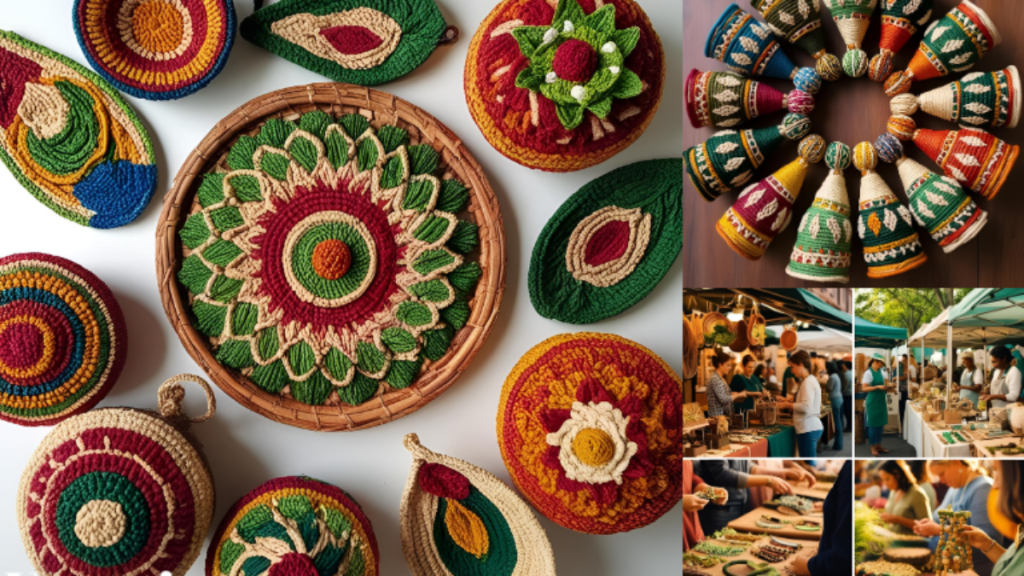
As we explore the multifaceted impacts of craft fairs, it becomes evident that they are much more than simple marketplaces. They are arenas of creativity and cultural exchange, critical to the growth of the creative economy and the empowerment of local artisans. By fostering connections, enhancing visibility, and instigating cultural dialogue, craft fairs leave a lasting mark on their communities, inspiring not just the current generation of artists but future innovators as well.
DIVE DEEPER: Click here to discover gourmet delights
The Role of Craft Fairs in Promoting Local Artisanship
As the handmade movement gains momentum, craft fairs have emerged as a focal point for the promotion of local artisanship. These events not only facilitate the sale of unique products but also serve as a vital channel for fostering a sense of community around local skills and creativity. The process of artisanal creation is celebrated at craft fairs, allowing artisans to highlight their craftsmanship and the intricacies involved in their work. This visibility contributes significantly to the valuation of local skills and encourages a broader recognition of the creative economy.
Embracing Authenticity
The handmade ethos underlying craft fairs emphasizes authenticity in production—a stark contrast to mass-manufactured goods. Shoppers increasingly seek products that tell a story, and artisans at craft fairs are adept at fulfilling this desire. When customers purchase a hand-knit sweater or a custom piece of woodwork, they acquire more than just an item; they invest in the skill and dedication embodied in each piece. Crafters display their abilities, along with the unique narratives that shape their creations, which fosters appreciation for local artisanship.
Economic Benefits for Artisans
Craft fairs are pivotal in providing artisans a platform to earn a living through their artistic endeavors. Participating in these markets can be financially rewarding, often leading to increased sales and potential customer loyalty. A study conducted by the National Endowment for the Arts revealed that local artists participating in craft fairs saw an average increase of 30% in their annual income. This financial boost not only enhances their individual livelihoods but also stimulates the local economy, supporting jobs and businesses in a symbiotic relationship.
Community Engagement and Economic Vitality
Local businesses also benefit from the influx of visitors drawn to craft fairs. Restaurants, cafes, and retail shops in proximity to these events often experience a significant uptick in sales. According to a report by the U.S. Small Business Administration, craft fairs can contribute to local economies by:
- Attracting tourists and boosting foot traffic in the area.
- Creating opportunities for collaboration between artisans and local businesses.
- Generating awareness about local cultural assets and traditions.
This increased economic activity can lead to a revitalization of local neighborhoods, making them more vibrant and attractive to both residents and visitors. Craft fairs foster a sense of pride in local heritage and craftsmanship while supplying economic incentives that promote sustainability within the community.
Fostering Innovation and Skill Development
Craft fairs also inspire innovation among participants. Artisans are often motivated to evolve their techniques and explore new materials, leading to a dynamic environment where skills are continually refined and redefined. For example, many artisans engage in workshops associated with craft fairs, where they can teach and learn from each other. This sharing of knowledge enhances the overall quality of local craftsmanship and ensures the continuation of traditional skills in a contemporary context.
In summary, craft fairs play an essential role in promoting local skills and invigorating the creative economy. By facilitating authentic connections between artisans and consumers, creating economic opportunities, and fostering innovation, these events significantly enhance the valuation of local craftsmanship. As we delve deeper into the impact of craft fairs, it becomes clear that their significance extends beyond mere business transactions to encompass a richer experience that nurtures community and creativity.
The Impact of Craft Fairs on the Valuation of Local Skills and the Creative Economy
Craft fairs serve as dynamic platforms showcasing the rich tapestry of local artistry and craftsmanship. These gatherings are more than just markets; they significantly enhance the visibility and valuation of local skills. By providing artisans an opportunity to present their work directly to the public, craft fairs foster a deeper appreciation for handmade goods, which often embody cultural narratives and personal stories.
Moreover, the ripple effect generated by craft fairs extends to the broader creative economy. Local artisans not only gain recognition but also contribute to an ecosystem where creativity flourishes. This environment encourages others, including emerging artists, to explore their talents, leading to a renaissance of traditional and modern crafts.
The economic impact is profound. According to recent studies, craft fairs can lead to a significant increase in both sales for local vendors and the overall economic health of the community. For instance, communities that regularly host craft fairs report a marked uptick in tourism, drawing visitors eager to experience the creative offerings of the region. Furthermore, when locally crafted items gain traction, they often pave the way for larger-scale distribution and retail opportunities, allowing local artists to expand their reach beyond the fairgrounds.
As these events grow in popularity, they also become essential cultural landmarks. Craft fairs often incorporate workshops and demonstrations, thereby educating attendees about various techniques and traditions. This not only promotes the skills of seasoned artisans but also inspires a new generation of makers. Through this educational component, craft fairs actively contribute to the preservation of cultural heritage while simultaneously innovating within the creative sector.
| Advantages | Impact on Local Skills |
|---|---|
| Increased Visibility | Artisans gain direct exposure to potential customers, enhancing their market presence. |
| Community Engagement | Fosters local pride and interest in traditional skills, leading to workshops and collaborations. |
This interplay of community and economy exemplifies the vital role of craft fairs in elevating local craftsmanship and invigorating the creative economy. As such, they not only serve as a marketplace but also as incubators of cultural and artistic innovation, prompting further exploration into the depths of human creativity.
DISCOVER MORE: Click here to dive deeper
Connecting Communities and Cultivating Relationships
Craft fairs serve as more than just marketplaces; they are vibrant hubs where community members gather, interact, and forge relationships. This aspect of craft fairs enhances the valuation of local skills by prioritizing interpersonal connections and storytelling. When artisans engage directly with customers, they share their passion, inspirations, and the narrative behind their crafts, creating a personal bond that encourages consumers to appreciate their work on a deeper level. The experiences shared at these fairs not only enrich the marketplace but also breathe life into local traditions and creativity.
Encouraging Local Collaboration
A key benefit of craft fairs lies in their capacity to encourage collaboration among local artisans. These events often feature a diverse lineup of crafters, who can share space, resources, and ideas, leading to innovative partnerships and unique product offerings. For instance, a local ceramicist might collaborate with a jeweler to create one-of-a-kind ceramic jewelry, showcasing a fusion of skills that would likely not be possible in isolation. Such collaborations can spark new trends and augment the creative economy, enhancing the collective value of local craftsmanship.
Cultivating Future Generations of Artisans
The intergenerational exchange of skills is another impactful facet of craft fairs. Older artisans often take it upon themselves to mentor young individuals in their crafts during demonstrations and workshops hosted at these events. This transfer of knowledge not only preserves traditional techniques but also inspires youth to engage in creative pursuits actively. According to a report from the American Craft Council, mentorship programs at craft fairs have led to a 40% increase in youth participation in hands-on crafting activities. As young artisans develop their skills, they contribute to the local economy by introducing fresh, innovative perspectives that invigorate the artisanal landscape.
Supporting Sustainable Practices
In recent years, there has been a growing focus on sustainability within the crafting community, and craft fairs are at the forefront of this movement. Many artisans prioritize the use of locally sourced materials or upcycled goods, which not only reduce environmental impact but also bolster local economies. Craft fairs often feature workshops on sustainable crafting practices that encourage participants to think critically about their environmental footprint. This shift towards sustainability not only enhances the value of the local skills but positions artisans as thought leaders in advocating for eco-friendly practices within the broader creative economy.
Moreover, craft fairs increasingly promote ethical consumption among consumers. Products that prioritize fair labor practices enable buyers to make conscientious choices. As shoppers become more invested in their purchasing decisions, they begin to associate local artisanship with positive, actionable contributions to society. This awareness enriches the ongoing dialogue surrounding local skills and the creative economy, ultimately recognizing artisans not just as producers, but as critical players in broader socio-cultural movements.
Through the convergence of community engagement, collaboration, mentorship, and sustainability, craft fairs elevate the importance of local craftsmanship. Each of these elements works synergistically to empower artisans and invigorate the local economy, illustrating the profound impact of craft fairs on the valuation of skills and the creative landscape.
DISCOVER MORE: Click here to dive deeper
Conclusion
In summary, craft fairs epitomize the significant role that local art and craftsmanship play in nurturing community bonds and enhancing the creative economy. By serving as dynamic platforms for artisans to showcase their talents and personal narratives, these events facilitate meaningful interactions that elevate the perceived value of local skills. The emphasis on collaboration and mentorship not only benefits current artisans but plants the seeds for future generations of creators, ensuring that traditional and innovative crafts flourish side by side.
Furthermore, the conscious shift towards sustainability at craft fairs significantly impacts the way consumers engage with artisanal products. By prioritizing ethical consumption and sustainable practices, these events empower buyers to make informed choices that resonate with their values, thus intertwining local craftsmanship with broader socio-environmental considerations. The ongoing efforts to cultivate a vibrant artisan community emphasize a crucial dialogue about identity, culture, and economic sustainability in the modern landscape.
As the future unfolds, craft fairs remain vital in shaping perceptions of craftsmanship, enabling artisans to gain recognition not just as sellers, but as influential players in a larger economic narrative. By supporting craft fairs, communities can actively contribute to a thriving creative economy that honors tradition while embracing innovation, ensuring that local skills remain a treasured and valued asset for years to come. For those intrigued by the intersection of arts and community, exploring local craft fairs presents an enriching journey into the heart of creativity and collaboration.