Exploring the Diversity of Crafting Skills: Cultural Techniques from Different Regions
Unveiling Global Crafting Traditions
Crafting is an age-old practice, deeply rooted in cultural identities across the globe. Each region boasts its own unique crafting techniques that reflect the traditions, resources, and artistry of its people. This article invites you to explore these diverse methods, revealing the creativity and cultural significance behind each.
A Glimpse into Varied Crafting Skills
From intricate textiles to handcrafted pottery, the world of crafting is rich and varied. Here are some examples of distinctive regional techniques:
- Kintsugi from Japan: This ancient art form involves repairing broken pottery by mending the cracks with lacquer dusted or mixed with gold, silver, or platinum. Rather than hiding imperfections, Kintsugi celebrates them, symbolizing resilience and beauty in fragility. It serves as a powerful reminder that our past experiences, including our flaws and struggles, contribute to our unique stories.
- Khadi Weaving in India: Originating during India’s struggle for independence, Khadi is a hand-spun, hand-woven textile that promotes sustainability and self-sufficiency. Traditionally made from cotton, Khadi embodies the spirit of the country, reflecting its cultural heritage while also being eco-friendly. Each piece is a testament to the artisan’s skill and dedication, making it both a practical material and a statement of identity.
- Gourd Art in Africa: In many African cultures, gourds are transformed into stunning art pieces, incorporating vibrant colors and intricate carvings. This craft not only highlights the creative prowess of the artisans but also ties into communal traditions, with each design often reflecting local stories, myths, or symbols. Gourds serve both functional purposes, such as storage containers, and decorative roles, enriching the cultural tapestry of the region.
- Basket Weaving in Native American culture: This traditional craft utilizes materials sourced from nature, such as grasses, reeds, and even pine needles. Native American basket weaving combines practicality and artistry, with each weave telling a story that connects the community to its ancestral roots. These baskets often feature intricate designs and patterns that carry deep spiritual meanings and serve as a vital part of cultural rituals.
These examples illustrate how cultural techniques serve not only aesthetic purposes but also tell stories and preserve histories. For instance, a Kintsugi vase could spark conversations about repair and acceptance, while a beautifully woven basket could share the heritage of its tribe. Understanding various crafting skills invites deeper appreciation for global traditions.
The Importance of Preservation
As modernity continues to influence our lifestyles, it becomes essential to preserve these traditional crafts. The rise of technology and mass production often leads to the overshadowing of these time-honored methods. Exploring their roots can enhance our knowledge and appreciation of the world’s diverse cultural landscape. Craft workshops, artisan fairs, and cultural festivals can reconnect communities with their traditional crafts while also engaging a broader audience. By embracing these practices, we can keep the stories alive and maintain the legacy these crafts represent. Join us as we delve into these fascinating techniques from different regions!
DON’T MISS: Click here to dive into eco-friendly crafting techniques!
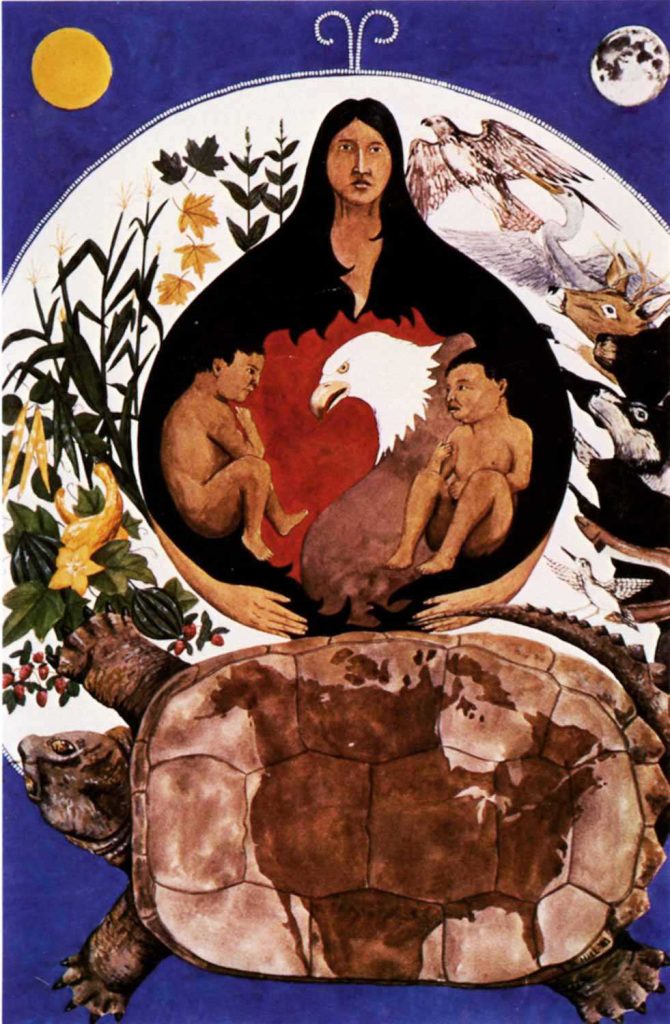
Diving Deeper into Crafting Techniques
To truly appreciate the diversity of crafting skills across the globe, it is essential to understand how they vary not just by region, but also by the materials and cultural contexts involved. Crafting is not merely a skill; it is a vessel for storytelling, innovation, and communal identities. Here, we will delve into several more remarkable regional techniques that continue to inspire and captivate both artisans and enthusiasts alike.
Unique Crafting Methods Across Continents
Each region’s rich tapestry of crafting methods reveals the resourcefulness and ingenuity of its artisans. Below are some notable crafting techniques that exemplify this diversity:
- Embroidery Techniques in Eastern Europe: Rich in color and symbolism, traditional embroidery in countries like Hungary and Poland often serves to communicate cultural heritage and community significance. Techniques such as cross-stitch and whitework create intricate patterns that are not only visually stunning but also function as narrative forms reflecting regional myths and family histories.
- Pottery of the Indigenous Peoples of the American Southwest: The intricate pottery crafted by Native American tribes such as the Hopi and Navajo is renowned for its artistry and historical significance. Using natural clay and traditional firing methods, these artisans produce unique pieces that often feature symbolic designs that celebrate nature and ancestral stories. Each vessel tells a story of the culture and the environment it was born from, making it more than just functional art.
- Paper Art in East Asia: The traditions of origami in Japan and paper cutting in China reflect deep cultural symbols and practices. Origami transforms a simple sheet of paper into intricate designs through precise folds, while paper cutting often involves detailed motifs representing cultural ideologies, bringing to life the artistic expressions of seasons, celebrations, and household blessings.
- Glass Blowing in Italy: The masterful art of glass blowing from regions like Murano near Venice showcases artisans who have refined their skills over centuries. These craftsmen create breathtaking glass objects, from delicate vases to intricate chandeliers, often using techniques that have been passed down through generations. The vibrant colors and textures reflect both the craftsmanship and the natural beauty of the region.
These examples highlight how diverse crafting techniques serve not only aesthetic purposes but also promote cultural continuity and identity. A single piece of embroidered cloth can encapsulate the history of a village, while a pottery item can symbolize the connection to the land it originated from. Engaging with these crafts allows for a richer understanding of various cultures and fosters a sense of global interconnectedness.
Honoring Craftsmanship in a Modern World
As we navigate through our increasingly digital and mass-produced landscape, the imperative to honor and sustain traditional crafting skills becomes more pronounced. Many artisans are now blending conventional techniques with modern designs, providing a sustainable model that preserves heritage while addressing contemporary needs. By supporting fair trade and artisan cooperatives, consumers can play a critical role in encouraging the continuance of these time-honored practices. Embracing the stories and histories behind craftsmanship can redefine our appreciation for what it means to create.
| Crafting Medium | Cultural Significance |
|---|---|
| Textiles | Textiles represent a rich tapestry of history, showcasing stories of tradition and migration. |
| Ceramics | Ceramics communicate the evolution of societies, with techniques reflecting regional resources and cultural beliefs. |
| Woodworking | Woodworking techniques are deeply symbolic, often linked to folklore and spiritual significance, transcending mere functionality. |
| Metalwork | Metalwork showcases technological progress, with each piece embodying the artistic and functional aspirations of its culture. |
The diversity of crafting skills across various cultures not only highlights unique artistic expressions but also serves as a conduit for preserving historical narratives. For example, traditional textiles can be woven with motifs that signify regional pride and cultural heritage. In many regions, artisanal ceramics are not merely functional objects; they embody stories and rituals that connect generations. Similarly, woodworking techniques often reflect the symbiotic relationships between communities and their natural environments, emphasizing sustainability in craftsmanship. Metalwork stands out with its complex processes that have evolved over time, reflecting advancements in technology and artistic ambition. Each crafting technique invites exploration into the cultural significance it holds, weaving a richer understanding of human creativity across borders.
DISCOVER MORE: Click here to uncover the magic of creativity through music and dance</
Reviving Cultural Heritage through Craftsmanship
Craftsmanship is not just about creating tangible goods; it is about preserving stories and practices that are deeply woven into the fabric of cultural identity. As globalization simplifies access to materials and techniques, the revival of traditional crafts emphasizes the importance of preserving cultural heritage. This resurgence speaks to a desire among communities worldwide to reclaim and honor their roots. Below, we explore further diverse crafting methods that capture the imagination and reflect the intricate relationship between culture and craftsmanship.
Textile Weaving Traditions
Across continents, textile weaving stands as a testament to regional techniques honed over generations. In countries like Peru, the Andean weaving method showcases a profound connection to the land and its resources. Artisans utilize locally sourced natural fibers and dyes derived from indigenous plants. The resulting intricate textiles are often adorned with geometric patterns that symbolize community histories, spiritual beliefs, and environmental connections. Each weave tells a story that transports onlookers into the depths of Peruvian culture, emphasizing the narrative quality inherent in these crafts.
In West Africa, the art of adire (resist-dyeing) has flourished, predominantly within the Yoruba community of Nigeria. Using techniques that involve intricate wax patterning, artisans create stunning textiles that are vibrant and rich in symbolism. Adire not only serves as clothing but also as a medium for storytelling and cultural expression, often representing the wearer’s social status or significant life events. This deep-seated cultural practice fosters pride and an appreciation for indigenous artistry.
Wood Carving: A Timeless Art
Wood carving techniques vary dramatically from region to region but consistently serve as a medium through which artisans celebrate local cultures. In the Pacific Islands, particularly New Zealand, the Maori people have a rich tradition of wood carving that includes intricate designs reflecting genealogy, spirituality, and tribal history. Their carvings are often showcased in meeting houses (wharenui), serving as a reminder of ancestral connections and cultural pride.
Similarly, the wood carving tradition of the Oaxacan artisans in Mexico is noteworthy, especially the vibrant alebrijes figures, which feature fantastical creatures and characters. This craft has evolved into a significant cultural icon, rooted in the fusion of traditional Zapotec craftsmanship and modern artistic interpretations. The meticulous techniques utilized in crafting these figures not only preserve cultural narratives but also create economic opportunities for local communities.
Basket Weaving Techniques
Basket weaving is another remarkable craft that displays regional diversity and resourcefulness. In the Southeastern United States, the Gullah community exemplifies this through sweetgrass basket weaving, a practice that has origins in West African techniques. This sustainable craft highlights the importance of local materials, where artisans skillfully weave intricate baskets that can serve both functional and decorative purposes. These baskets often embody the stories and traditions passed down through generations, empowering the community and maintaining cultural continuity.
On the other hand, the Bamboo weaving practices found in Southeast Asia, particularly in the Philippines and Thailand, showcase the versatility and strength of bamboo as a material. Artisans create everything from furniture to intricate handicrafts, often using techniques that have been refined over centuries. The cultural significance of these items extends beyond their practicality, symbolizing community resources and shared identities among craftsmen and consumers alike.
As diverse crafting techniques highlight the intricate connection between culture and craftsmanship, they remind us of the importance of fostering global connections while celebrating local identities. Through these rich traditions, we can gain insight into the values and histories that shape our world today.
DISCOVER MORE: Click here to enhance your creativity
Conclusion: A Tapestry of Crafting Traditions
As we have journeyed through various crafting techniques across the globe, it becomes abundantly clear that these methods do more than produce beautiful handcrafted items; they serve as vital links to our cultural roots. From the intricate textile weaving of Peru to the vibrant adire of West Africa, and from the profound heritage reflected in the wood carving of New Zealand’s Maori artisans to the adaptive practices of the Gullah community in basket weaving, each craft tells a story steeped in history and identity.
The revival and continued practice of these traditional skills underscore a universal desire to celebrate and preserve cultural heritage amidst the rapid pace of globalization. By embracing and exploring such diverse crafting traditions, we nurture not only an appreciation for artistry but also foster a deeper understanding of the cultural narratives that shape our shared human experience.
Ultimately, these skills are a testament to human creativity and resilience and serve as a powerful reminder that every crafted piece holds the whispers of generations past, waiting to inspire future storytellers. As we delve deeper into the rich tapestry of global craftsmanship, we invite everyone to seek out and support these local artisans, ensuring that these treasured skills are not just preserved but flourished for years to come.