Breathing Exercises: A Simple Tool for Immediate Stress Relief
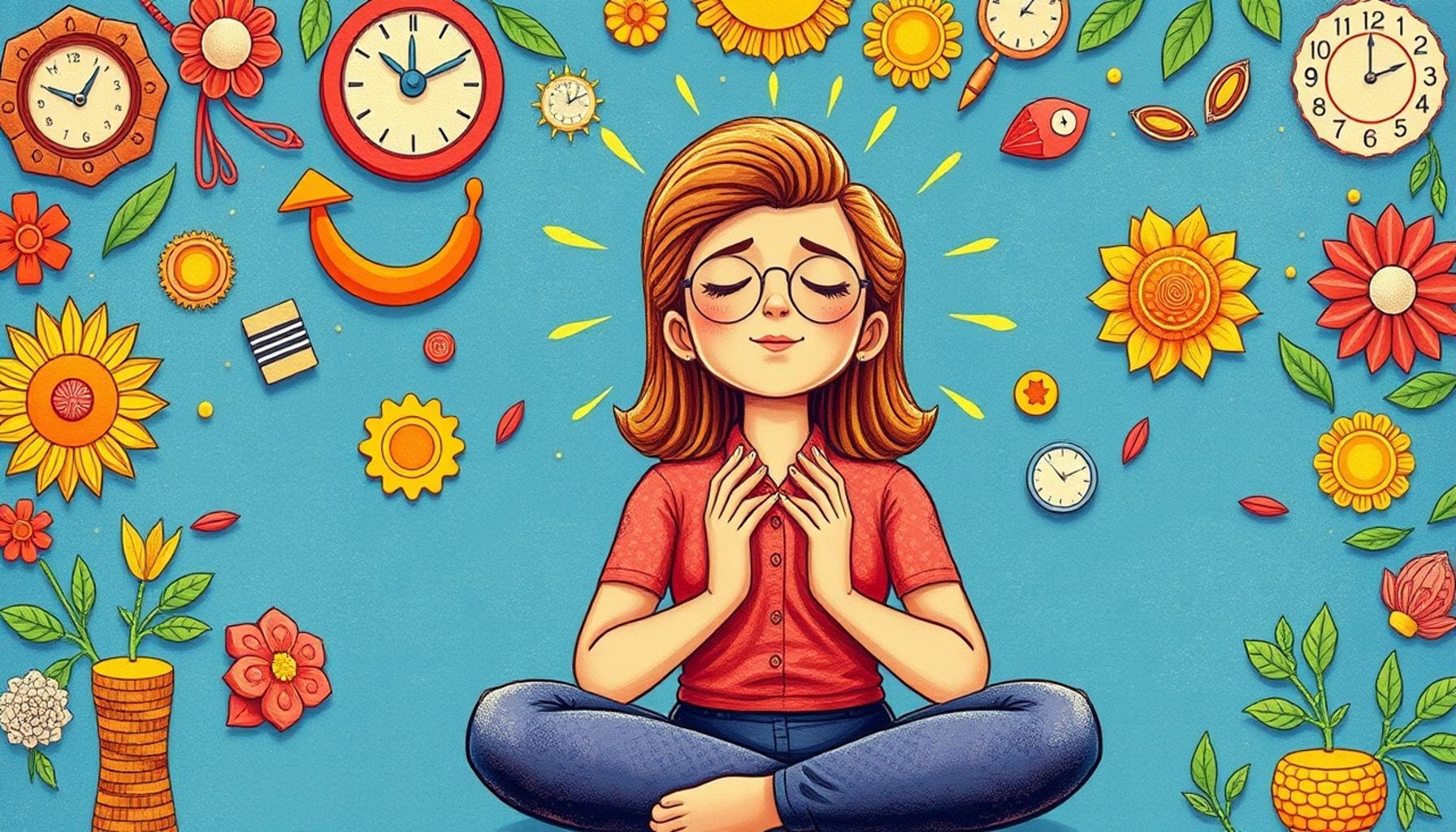
Finding Calm in Chaos
In today’s fast-paced world, stress seems like an unavoidable companion. Many people find themselves overwhelmed by daily demands, leading to feelings of anxiety and tension. Fortunately, a simple and often overlooked solution can provide relief: breathing exercises.
Unlocking the Power of Breath
Our breath is a powerful tool that can significantly impact our mental and physical well-being. Each inhalation and exhalation can influence our mood and overall health. Understanding how to harness this natural resource can lead to remarkable transformations in daily life.
Here are some key benefits of practicing breathing exercises:
- Reduces anxiety: Controlled breathing can lower cortisol levels, the hormone associated with stress, and promote relaxation. Studies have shown that just a few minutes of focused breathing can decrease feelings of restlessness and help calm racing thoughts.
- Improves focus: Engaging in breathing techniques can sharpen concentration and enhance mental clarity. For example, students and professionals alike can benefit from using breathing exercises before exams or presentations to clear mental fog and gain better focus.
- Promotes physical relaxation: Deep breathing reduces muscle tension and alleviates physical discomfort. This aspect is particularly useful for those who spend long hours at desks, where poor posture may lead to tight shoulders and back pain.
With only a few minutes each day, you can harness the ability of your breath to create a profound sense of calm. By incorporating these exercises into your daily routine, whether during a mid-morning break or right before bed, you may find yourself more equipped to handle the challenges life throws your way. Simple practices such as spending a few moments focusing on your breath can lead to significant long-term stress management.
Explore Different Techniques
There are various breathing techniques tailored to different needs, each designed to address unique challenges. Some widely practiced methods include:
- Diaphragmatic breathing: This technique engages the diaphragm for deeper breaths, helping to increase oxygen flow and promote relaxation. For many, learning this method can transform the way they breathe throughout the day.
- 4-7-8 breathing: Developed by Dr. Andrew Weil, this technique involves inhaling for four seconds, holding the breath for seven seconds, and then exhaling for eight seconds. It is designed to reduce anxiety and help with sleep, making it a perfect choice for those winding down at the end of the day.
- Box breathing: Often used by athletes and military personnel for better focus and self-control, this method involves inhaling, holding, exhaling, and holding the breath for equal increments of time—commonly four seconds. It is particularly useful during high-stress situations where maintaining composure is crucial.
As you delve into the world of breathing exercises, you’ll discover that achieving stress relief is merely a breath away. Each technique may require practice to master, but the benefits are undoubtedly worth the effort. Embrace the power of breath and find your calm amidst life’s inevitable chaos.
DISCOVER MORE: Click here to learn about the benefits of journaling
Understanding the Science Behind Breath
Before diving into specific breathing exercises, it’s essential to recognize the science that supports their effectiveness in achieving immediate stress relief. When we experience stress, our bodies often enter a “fight or flight” response, triggering an increase in heart rate and a shallow breathing pattern. This physiological reaction can lead to a cycle of tension and anxiety. By consciously altering our breath, we can shift this response into a state of relaxation.
Research has shown that breathing exercises can positively influence the autonomic nervous system, which controls involuntary bodily functions such as heart rate and digestion. When you practice regulated breathing, you activate the parasympathetic nervous system, promoting a calming effect that counters stress responses. This is why many healthcare professionals recommend breathing techniques for managing anxiety and enhancing overall mental health.
The Role of Mindfulness in Breathing Exercises
Integrating mindfulness into your breathing exercises can amplify their benefits. Mindfulness involves paying attention to the present moment without judgment. By focusing on your breath, you can create a meditative experience that fosters a deeper sense of peace. Studies indicate that incorporating mindfulness with breathing not only reduces anxiety but also improves emotional regulation, leading to better coping strategies in daily life.
To get started with your practice, setting aside just a few minutes in a quiet space can make a considerable difference. Here are some suggestions to enhance your breathing exercise routine:
- Create a comfortable environment: Ensure that you are in a space where you feel safe and relaxed. You might choose a cozy corner in your home or even a quiet spot outdoors.
- Limit distractions: Put away any electronic devices, turn off notifications, and let others know not to disturb you during your practice.
- Focus on your breath: Observe the rhythm of your breathing, noticing the rise and fall of your chest or abdomen. This focus helps anchor your mind and reduces intrusive thoughts.
By adopting these strategies, you can create a framework for effectively practicing breathing exercises. Whether you’re seeking to unwind after a hectic day or preparing for a challenging situation, unlocking the power of your breath can ultimately provide practical and immediate stress relief both physically and mentally.
Combining Breathing with Movement
Many individuals find they benefit from pairing breathing exercises with gentle movement, such as stretching or yoga. This combination can enhance the effects of breath control, fostering a mind-body connection that deepens relaxation. Alongside traditional techniques, various yoga practices emphasize breath in harmony with physical postures, leading to greater mindfulness and stress reduction. Engaging in these dynamic practices regularly can enrich your experience, making it easier to incorporate breathing exercises into your everyday life.
| Category | Description |
|---|---|
| Enhanced Focus | Breathing exercises can sharpen mental clarity by increasing oxygen flow to the brain. |
| Physical Relaxation | These exercises promote muscle relaxation and reduce physical tension in the body. |
Breathing exercises provide a plethora of benefits that are particularly relevant in today’s fast-paced world. By concentrating on your breath, you cultivate a state of enhanced focus, which enables clearer thinking and improved decision-making processes. Scientific studies show that deep breathing can trigger the body’s parasympathetic response, leading to a decrease in heart rate and lowering stress hormone levels. Moreover, these techniques are not only beneficial for mental well-being but also promote important aspects of physical relaxation. Regular practice of these exercises can relieve tension in various muscle groups, encouraging a state of holistic relaxation. Engaging in such simple yet effective practices can facilitate mindfulness, helping individuals manage daily stresses more effectively. By integrating breathing exercises into your routine, you empower yourself to be more resilient in the face of challenges.
DISCOVER MORE: Click here for insights on journaling
Practical Breathing Techniques for Everyday Use
Understanding the mechanics of breath is only the beginning; learning how to employ breathing exercises effectively can transform your approach to managing stress. Several techniques have gained popularity for their simplicity and effectiveness, making them well-suited to anyone looking for immediate relief.
The 4-7-8 Breathing Technique
One of the most widely endorsed methods is the 4-7-8 breathing technique, developed by Dr. Andrew Weil, a prominent figure in integrative medicine. This technique involves inhaling for a count of four, holding the breath for seven counts, and then exhaling slowly for eight counts. The extended exhalation emphasizes relaxation and can decrease anxiety levels effectively. Practitioners often report that incorporating this technique into their daily routines helps manage unexpected stressors, enhancing overall well-being.
Box Breathing
Box breathing, also known as square breathing, is another excellent exercise popularized by athletes and military personnel. This method consists of four equal parts: inhaling for a count of four, holding for four, exhaling for four, and then holding again for four. This structured approach not only slows down the breath but also fosters mental clarity and concentration. It’s particularly useful for those moments when anxiety and pressure peak, making it a favorite among professionals in high-stakes environments.
Diaphragmatic Breathing
Often referred to as abdominal or belly breathing, this practice encourages deeper inhalations that engage the diaphragm and maximize oxygen flow. By allowing the abdomen to expand during inhalation and contract upon exhalation, individuals can reduce tension and promote feelings of relaxation. Diaphragmatic breathing can be easily integrated into daily routines, whether during a quick work break or while driving, and serves as a powerful reminder to reconnect with oneself.
Visualization and Breath
For those seeking a more holistic approach, pairing visualization with breathing exercises can enhance the experience significantly. Imagine yourself in a tranquil setting—a beach, a forest, or even a favorite room in your home—while following a breathing technique. This mental imagery combined with regulated breathing fosters a greater sense of calm and helps distract from everyday worries. Studies show that engaging the imagination in this way can amplify the emotional benefits of breathing exercises.
Consistency is Key
To truly reap the benefits of breathing exercises, consistency is vital. Just as physical fitness requires regular commitment, so does cultivating a healthy breathing practice. Many experts suggest integrating these techniques into your morning or evening routines—creating a habit that can serve as an anchor throughout the day. Research indicates that those who practice mindfulness and conscious breathing consistently report lower levels of stress, improved mood, and greater resilience in the face of challenges.
As you explore these various techniques, consider keeping a journal to track your experiences and emotions before and after practicing. Not only will this provide insight into your personal journey, but it can also reveal patterns in how different exercises impact your overall sense of relaxation and well-being.
DISCOVER MORE: Click here to delve into the benefits of journaling
Conclusion
In today’s fast-paced world, the quest for quick and effective stress relief is more relevant than ever. Breathing exercises emerge as a simple yet powerful tool to combat the pressures of daily life, offering individuals a means to regain balance and clarity when stress strikes. The techniques discussed, including 4-7-8 breathing, box breathing, and diaphragmatic breathing, provide accessible options for anyone seeking immediate relief.
Additionally, incorporating visualization can elevate the effectiveness of these exercises, allowing the mind to engage positively while the body relaxes. However, it’s essential to remember that the true benefits come from consistent practice. By integrating these techniques into your daily routine, whether during a lunch break or as part of a morning ritual, you can cultivate resilience against stress and enhance your overall well-being.
As you experiment with various methods, keeping a journal not only tracks your progress but also reveals how these breathing practices contribute to your emotional landscape. Over time, you may notice a profound shift in your response to stressors, leading to improved mental health and a more mindful approach to life.
Ultimately, breathing exercises are more than just a quick fix; they are a pathway to a healthier, more balanced existence. As you explore their potential, you may find yourself not just surviving but thriving amidst the chaos of modern life.