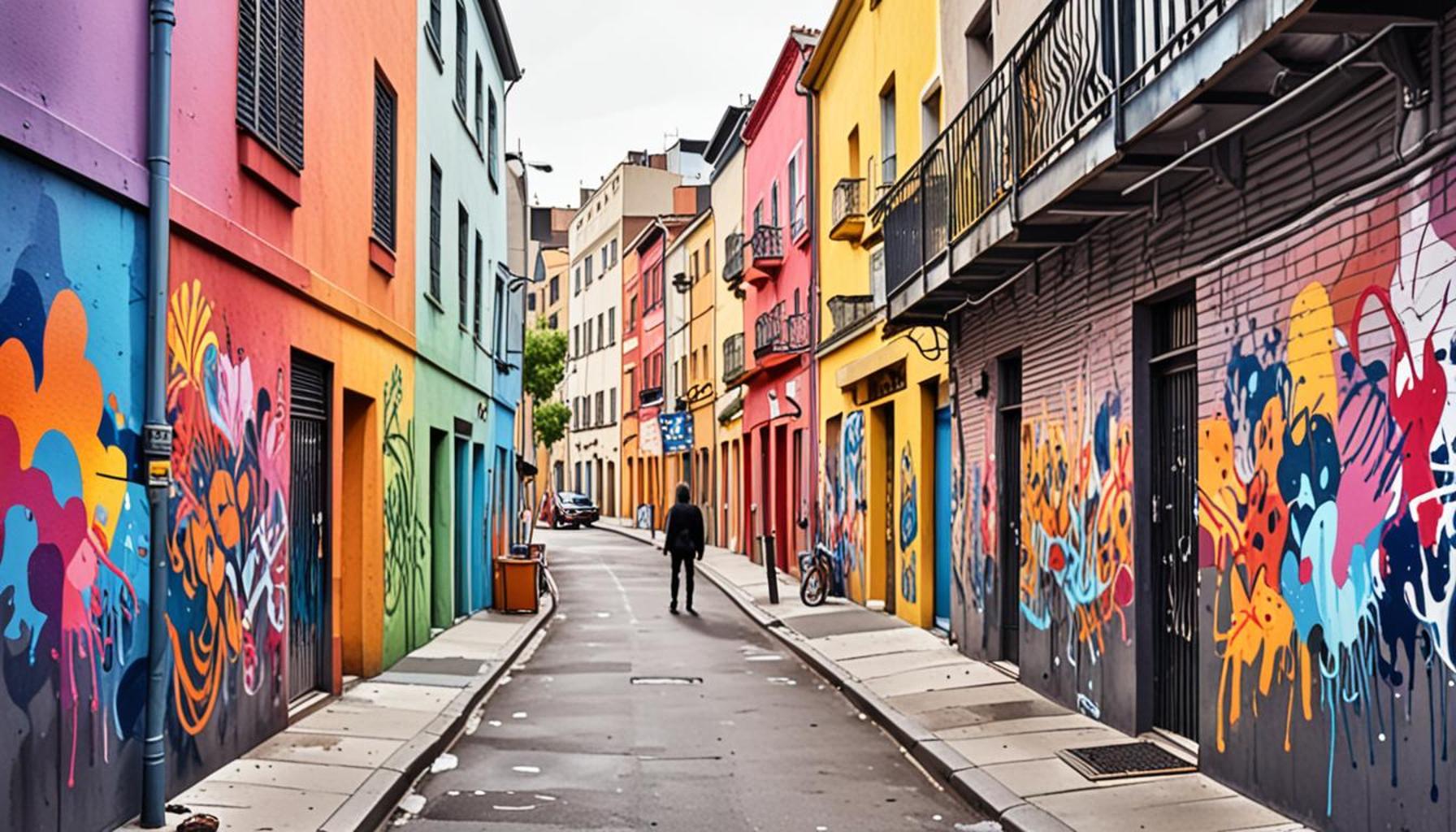
Exploring Urban Art: Graffiti and Murals as a Form of Cultural Expression
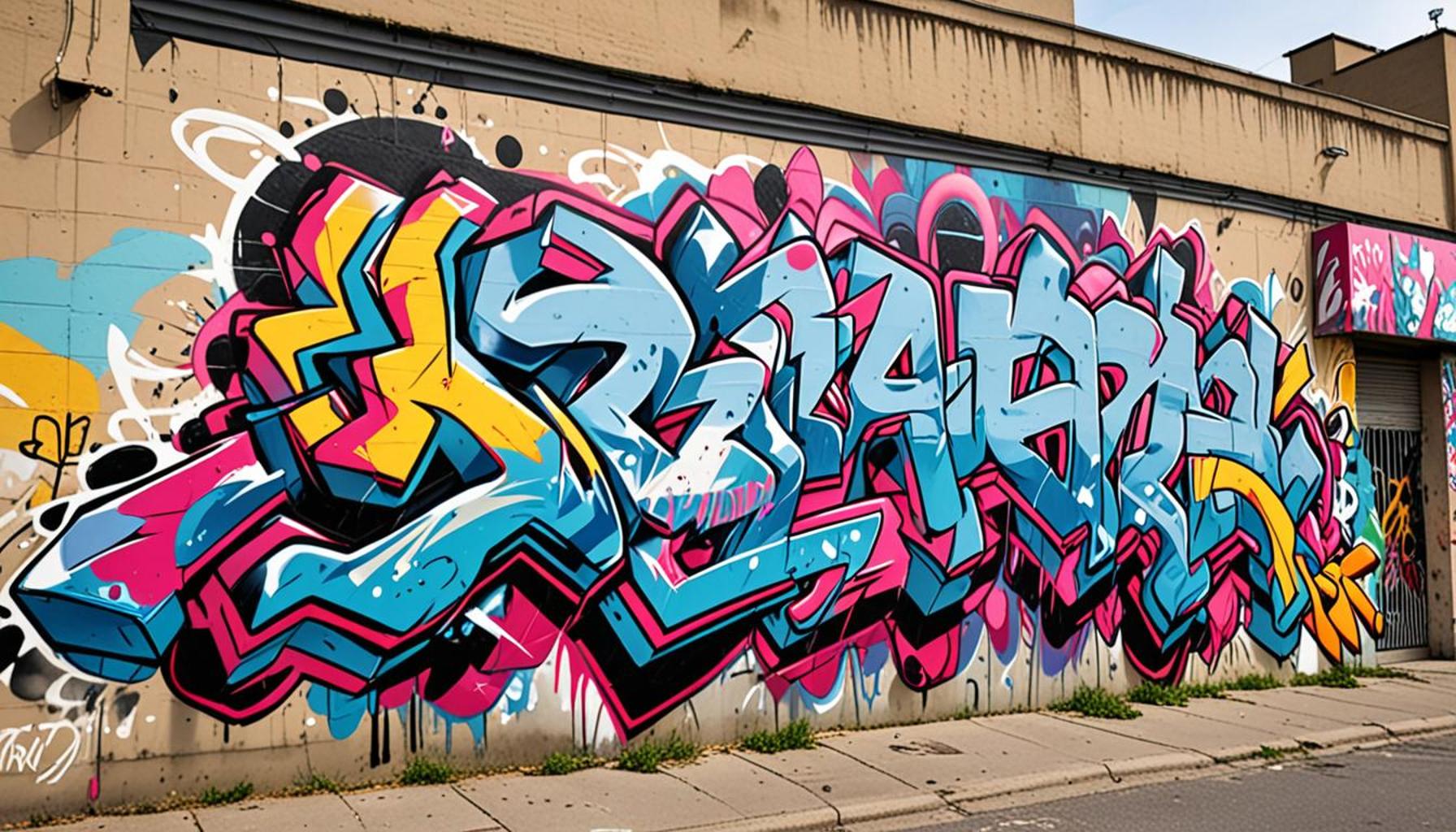
Exploring Urban Art Forms
Urban landscapes have a unique ability to narrate stories not just through their architecture, but also through the vibrant expressions of local artists embedded within them. Graffiti and murals, often seen adorning city walls, serve as living, breathing archives of cultural identity within communities. These art forms are more than mere decorations; they challenge societal norms, offer poignant social commentary, and ignite essential conversations among city dwellers and visitors alike.
Consider the multifaceted role of graffiti and murals in shaping urban environments:
- Cultural Reflection: These art forms provide a mirror to the values, struggles, and aspirations of the community. For instance, in neighborhoods like Harlem in New York City, murals commemorate the African American heritage and celebrate the cultural icons who have emerged from the area.
- Political Expression: Graffiti can serve as a vital tool for activism, allowing marginalized voices to resonate in public spaces. One prominent example is the work of artists in Ferguson, Missouri following the protests against police violence, where murals conveyed powerful messages about justice and equality.
- Tourist Attraction: Acclaimed murals, like those in neighborhoods such as Wynwood in Miami or the arts district in Los Angeles, draw visitors seeking unique experiences. These vibrant artworks often become backdrops for social media influencers and travelers eager to share their urban exploration.
In cities across the United States, spaces once viewed as neglected have been transformed into artistic showcases. For example, the Mural Arts Program in Philadelphia has rejuvenated numerous neighborhoods, turning them into canvases filled with history, activism, and local narratives. Similarly, the NoLita neighborhood in New York is renowned for its remarkable street art, attracting art enthusiasts and casual strollers alike.
By examining urban art, we gain insight into the complexities of cultural expression and the diverse stories that shape our cities. These works not only engage the community but also foster a collective identity, encouraging discourse on local issues and celebrating shared experiences.
As we immerse ourselves in this dynamic realm of urban art, we will delve into the intricate techniques employed by artists, the motivations driving their creativity, and the profound impact graffiti and murals have on both the artists creating them and the observers experiencing them. Get ready to be inspired by the cascading colors and creativity, as well as the resonant voices that come alive through every stroke and spray on the walls of our cities.
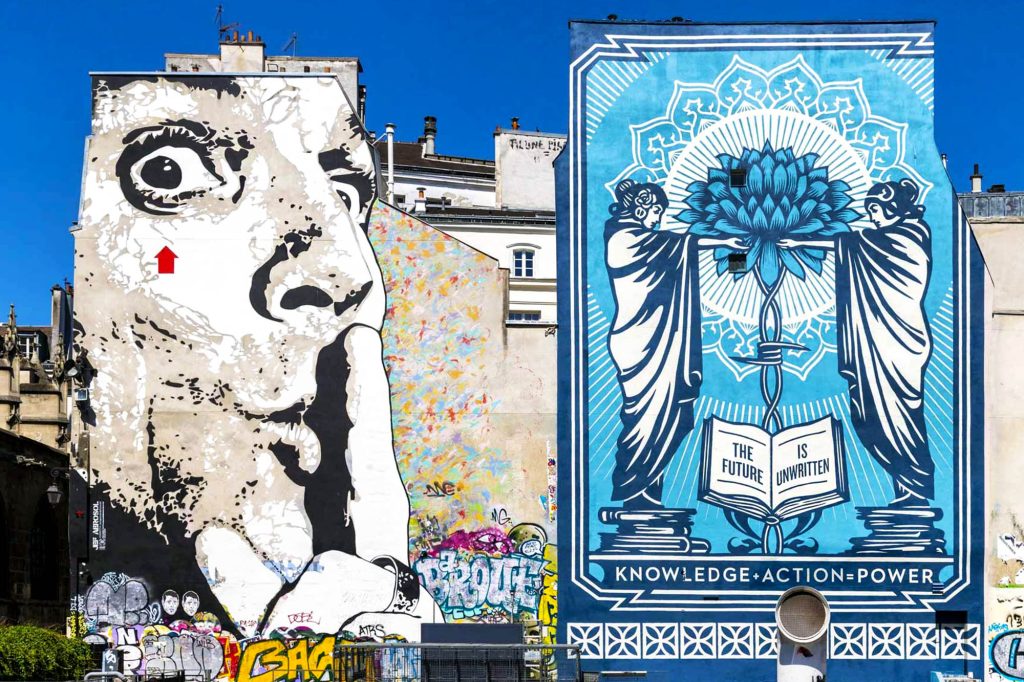
DISCOVER MORE: Click here for inspiration
The Narrative Power of Street Art
At its core, urban art is a powerful narrative tool that communicates the diverse experiences of communities. Through vivid colors, intricate designs, and often provocative imagery, graffiti and murals encapsulate the spirit of neighborhoods, transforming dull city walls into expressive canvases. Artists use these outdoor spaces to articulate their thoughts, emotions, and perspectives, making art accessible to everyone—regardless of socioeconomic status.
One of the essential aspects of urban art is its ability to adapt and evolve, allowing artists to respond to current cultural and social issues. Graffiti, which often begins as unauthorized markings, has developed into a legitimate form of expression embraced by municipalities and art institutions alike. In contrast, murals typically require permission and can represent collaborative projects between artists and communities, contributing to a sense of ownership and pride.
- Community Collaboration: Many murals are created through community engagement initiatives that seek to involve local residents in the artistic process. Programs like the Mural Arts Philadelphia bring together artists and residents to convey local narratives, resulting in artworks that resonate deeply with those who see them regularly.
- Vibrancy and Deterioration: Urban art thrives in areas often marked by economic hardship, breathing life into forgotten spaces. Neighborhoods in cities such as Detroit have seen street art emerge from the ruins of a once-thriving industry, turning vacant lots into vibrant communities that celebrate resilience and creativity.
- Global Influences: While rooted in local culture, urban art is influenced by global trends, making it a reflection of contemporary societal shifts. From the bold, aggressive styles of New York’s graffiti scene to the intricate, whimsical murals of San Francisco, each region provides a distinct perspective while contributing to a larger global conversation about art and identity.
In addition to personal expression and cultural reflection, urban art can also act as a catalyst for change. The visual nature of graffiti and murals captures public attention, often prompting discussions on social injustices, environmental issues, and political movements. For example, the large mural depicting the face of George Floyd, created in various locations across the country, serves not only as a tribute but also as a poignant reminder of the ongoing struggle for racial equality in the United States.
As we delve deeper into the world of urban art, it’s imperative to explore the diverse techniques that artists employ, the motivations behind their creations, and the unique impact these artworks have on both the communities they inhabit and the broader cultural landscape. By engaging with these artistic forms, we can appreciate not only their aesthetic value but also their role in shaping social dialogue and fostering community identity.
Urban art is not merely paint on walls; it is a vibrant tapestry that reflects the heartbeat of communities. As we delve deeper into the cultural significance of graffiti and murals, we uncover a blend of social commentary, artistic expression, and public engagement, challenging our perceptions of art and its role in society.Graffiti, often viewed through a lens of controversy, serves as an unfiltered voice for marginalized communities. It allows artists to communicate messages that may be overlooked by mainstream media. Whether it is addressing issues such as inequality, discrimination, or political strife, graffiti bridges the gap between the artist and the viewer, inviting dialogue and reflection. For example, works from renowned street artists like Banksy and Shepard Fairey have sparked conversations around critical social issues, making art a catalyst for change.Murals, on the other hand, often bring a sense of identity and belonging to neighborhoods. Large-scale artworks can transform dull urban landscapes into lively spaces, enhancing the aesthetic and cultural value of a city. They can commemorate historical events, celebrate local heritage, or showcase the talents of artists, thereby boosting community pride. Cities that embrace murals are often viewed as more inviting, with initiatives like Detroit’s murals transforming historically bleak areas into thriving artistic hubs.An important aspect of both graffiti and murals is their accessibility. Unlike traditional art forms confined to galleries, urban art is available to the public at no cost, democratizing art appreciation. It engages both residents and tourists alike, inviting a diverse audience to experience artistic expression firsthand. As these visual masterpieces continue to evolve, they challenge established norms, encouraging viewers to consider art’s role outside the confines of conventional spaces.Furthermore, the rise of festivals dedicated to urban art, such as the Biennial of Urban Art in Lisbon and The Hague’s Street Art Festival, showcases the growing recognition of this art form. These events not only elevate the visibility of street art but also foster collaboration among artists from around the globe, creating a vibrant fusion of styles and cultures.As we explore urban art, we uncover its profound implications for cultural identity, community cohesion, and social activism. It pushes us to reconsider the spaces we inhabit and the stories they tell, reaffirming art’s capacity to reflect the multifaceted nature of human experience. In embracing graffiti and murals, we engage with an ongoing narrative, a dynamic form of cultural expression that continues to evolve with each brushstroke.
LEARN MORE: Click here to delve deeper
Techniques and Themes in Urban Art
Urban art is an intricate dance between the artist’s vision and the environment in which they create. Within this realm, technique and theme are paramount, as they define the essence of each piece and its overall impact on the community. Every spray can or brushstroke becomes a statement about identity, politics, and social issues. Street artists often employ a variety of methods, including spray painting, stenciling, and wheatpasting—a technique where artists adhere paper-based artwork to a surface using wheat-based paste.
One prominent example of technique is stencil art, famously utilized by artists like Banksy. Stencil art allows for rapid execution, which is crucial for working in public spaces under time constraints. This method not only captures the artist’s message but also adds a layer of accessibility, as it can be reproduced multiple times with relative ease. Moreover, stencil art often focuses on poignant social commentary, including topics such as war, poverty, and surveillance, making it both visually arresting and intellectually engaging.
In contrast, bombing—a term associated with quickly covering surfaces with tags and throw-ups—emphasizes the artist’s presence and identity within the urban landscape. This technique is prevalent in cities like New York and Los Angeles, where the competition among graffiti artists to claim space becomes a public assertion of artistry. However, it also raises questions about legality and the boundaries between vandalism and art.
Beyond the techniques, the themes explored in urban art resonate deeply with the lived experiences of individuals and communities. Many artists aim to reflect local culture, histories, and challenges, such as the muralist Yasemin Güneş, who created deep, colorful imagery in the neighborhoods of Houston that reflects the city’s multicultural fabric. Her work invites viewers to see the hidden stories within their environment, prompting a sense of belonging.
Furthermore, social justice themes play a critical role in urban art. The Black Lives Matter movement has seen a surge of murals across various cities, transforming urban landscapes into platforms for advocacy. One notable example is the mural of George Floyd in Minneapolis, which became a gathering point for protesters and a beacon of hope for the community. These artworks transcend mere decoration; they carry a weight of significance, often serving as memorials and calls to action.
Additionally, urban art incorporates various cultural influences. In cities with large immigrant populations, artworks often reflect the blend of traditions and experiences. In Miami, for instance, the Wynwood Walls feature murals that pay homage to El Salvador and the Dominican Republic, bridging cultural divides and creating a visual dialogue of shared heritage. This melding of styles illustrates how urban art fosters multiculturalism and promotes inclusivity within communities.
As urban art continues to unfold, it remains an essential aspect of cultural expression, embracing both historical context and contemporary movements. Its evolution echoes the changing dynamics of society, where artists navigate the complexities of urban life to create impactful works that resonate with audiences on multiple levels. Each piece serves as a reminder of the words unspoken within communities, the struggles faced, and the triumphs celebrated, bridging gaps between individuals through the universal language of art.
DIVE DEEPER: Click here to discover more
Concluding Thoughts on Urban Art
In conclusion, urban art, encapsulated in the vivid realms of graffiti and murals, serves as a compelling narrative woven into the fabric of our cities. It not only enhances public spaces but also communicates the multifaceted stories of communities grappling with social issues, cultural heritage, and identity. Through diverse techniques like stencil art and bombing, these artworks manifest the artists’ voices, transforming urban landscapes into living canvases of expression and resistance.
As we explore the themes prevalent in urban art, such as social justice and multiculturalism, we recognize its transformative power. The murals of cities like Minneapolis and Houston illustrate the vital role that art plays in advocating for change and fostering dialogue among diverse populations. Particularly in moments of societal upheaval, urban art becomes a poignant reminder of collective struggles and aspirations, often igniting movements and prompting reflection on the prevailing socio-political climate.
As urban environments continue to evolve, the significance of graffiti and murals as cultural expressions only deepens. They act as a bridge, connecting individuals with shared experiences and narratives, inviting all to engage in conversations about identity, aesthetics, and community values. For those eager to explore the enriching world of urban art, each piece is more than just a visual delight—it is an open invitation to delve deeper into the stories that shape our world. By continuing to support and celebrate this art form, we acknowledge its role in sculpting our cultural landscape and affirm its power as a catalyst for change.