The Power of Gratitude: How Practicing Thankfulness Can Enhance Your Mental Well-Being
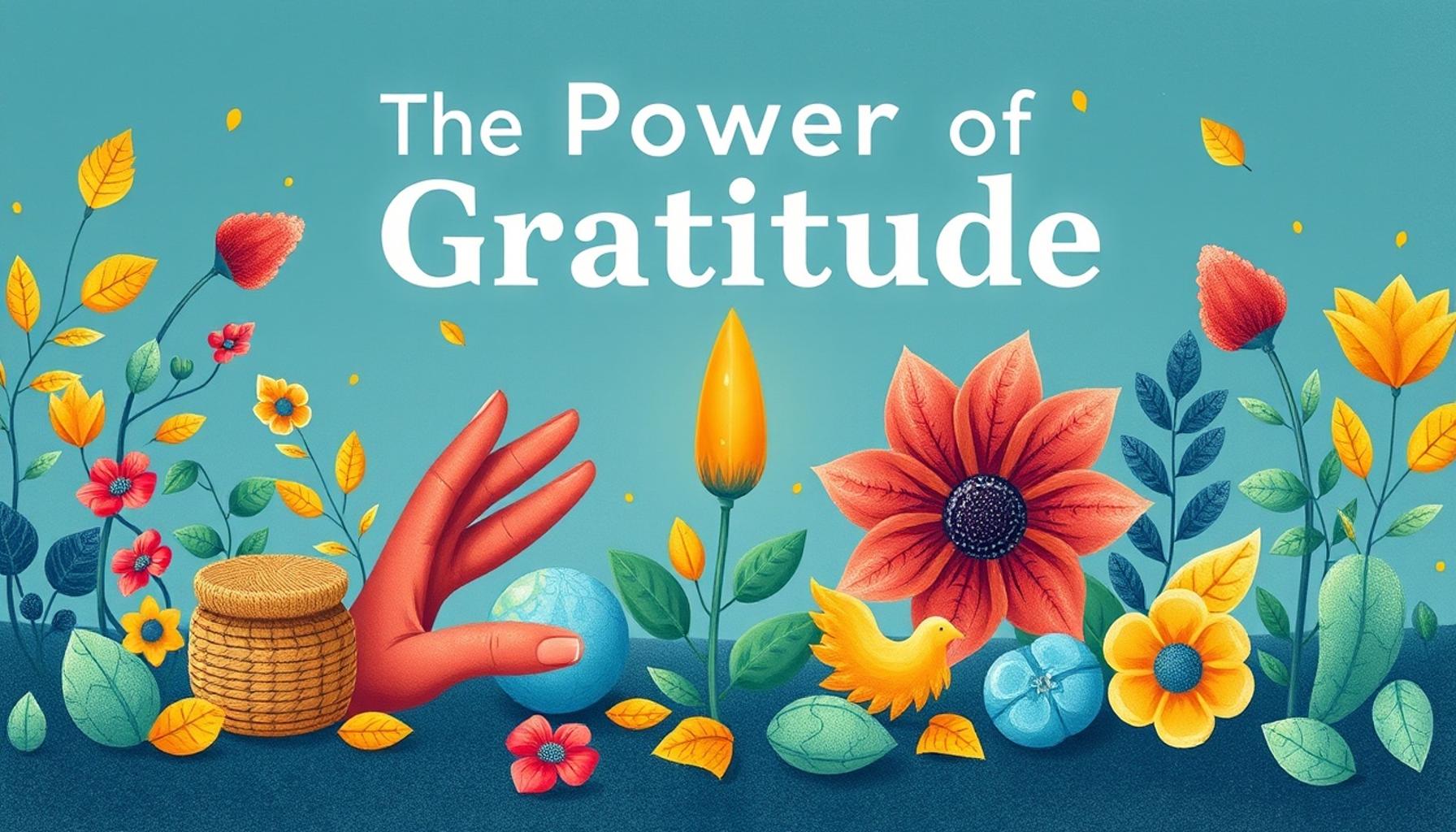
The Transformative Power of Thankfulness
Gratitude is a multifaceted emotion that goes far beyond the simple act of saying “thank you.” It encompasses a sincere acknowledgment of the positive aspects of life and the individuals who contribute to our happiness. Recent studies have shown that individuals who actively cultivate gratitude experience a significant boost in their overall happiness and mental health. This concept is gaining traction, particularly in the United States, where mental wellness is increasingly prioritized in our fast-paced society.
Understanding the profound impact of gratitude is essential in recognizing its importance in our daily lives. Here are some compelling benefits that illustrate why fostering a grateful mindset is crucial:
- Improved Mental Health: Research indicates that individuals who regularly engage in gratitude practices, such as maintaining a gratitude journal, report lower levels of anxiety and depression. For instance, a study published in the journal *Psychological Science* found that participants who wrote letters of gratitude experienced significantly lower levels of depression and increased feelings of happiness. This suggests that focusing on what we appreciate can actively counteract feelings of despair and hopelessness.
- Enhanced Relationships: Expressing gratitude can significantly strengthen our social connections. Thanking a friend for their support or acknowledging a colleague’s hard work not only fosters mutual appreciation but also builds trust and enhances relational bonds. Studies have shown that couples who explicitly express gratitude towards each other have stronger relationships that are more likely to thrive in the long-term.
- Increased Resilience: Gratitude equips individuals with tools to withstand life’s challenges. By focusing on what we are thankful for, we can cultivate a more optimistic outlook, helping us deal effectively with stress and setbacks. Whether it’s a minor inconvenience or a major life change, a grateful perspective provides the emotional fortitude needed to persevere.
In recent years, many Americans have turned to various gratitude practices in an effort to counterbalance the stresses of everyday life. Activities such as writing down three things to be grateful for each day, participating in community service, or simply reflecting on positive moments can significantly enhance mental well-being. These practices are accessible and can be easily integrated into anyone’s routine.
This article aims to explore how integrating gratitude into your daily life can amplify your mental well-being. We will delve into practical techniques to cultivate a mindset of thankfulness, examining strategies that range from simple daily reflections to structured gratitude exercises. Moreover, we will touch on scientific research that substantiates the numerous benefits of a grateful mindset. Join us on a journey to discover the transformative impact gratitude can have on your life!
DISCOVER MORE: Click here for effective breathing exercises
Understanding Gratitude: Unlocking Its True Potential
The act of embracing gratitude is more than an occasional expression of thanks; it is an intentional shift in perspective. By actively recognizing and appreciating the positive elements of our lives, we can initiate a remarkable transformation within ourselves. This is not merely a subjective claim; various studies confirm that adopting a gratitude practice can lead to measurable improvements in mental health and emotional resilience. The evidence demonstrates that gratitude is a powerful catalyst for well-being.
With the frenetic pace of modern life, it’s easy to become preoccupied with what we lack rather than appreciating what we have. A survey by the American Psychological Association highlights that a staggering 76% of Americans report experiencing stress, with many attributing their anxiety to financial, work, and relational pressures. Incorporating gratitude into our daily routines serves as an invaluable remedy to combat these stressors.
- Boosting Happiness Levels: Engaging in consistent gratitude practices such as journaling or creating gratitude lists has been linked to increased levels of happiness. An experimental study conducted at the University of California, Davis, revealed that participants who regularly recorded things they were thankful for reported heightened feelings of joy and a greater sense of well-being.
- Physical Health Benefits: Gratitude does not only enhance mental well-being; it positively impacts physical health as well. Research has shown that grateful individuals often maintain healthier lifestyles, including increased exercise, better sleep quality, and regular medical checkups. These habits contribute to a comprehensive sense of health that transcends emotional states.
- Promoting Empathy: Practicing gratitude fosters an environment of positivity that extends beyond the individual. Thankful people tend to be more empathetic and less aggressive. A study published in the *Journal of Personality and Social Psychology* found that expressing gratitude can reduce feelings of resentment, allowing for healthier and more harmonious interactions with others.
Integrating gratitude into our lives is not just a wellness trend; it is an essential aspect of developing resilience against life’s unpredictability. These practices can include regularly taking a moment to reflect on what we appreciate, sharing our gratitude with others, or even implementing simple rituals like expressing thanks before meals. The beauty of these methods is that they require minimal time but can yield extraordinary benefits.
In the subsequent sections, we will delve deeper into practical exercises and techniques that can help increase your appreciation for life. From creating a personalized gratitude journal to implementing gratitude-themed mindfulness practices, we will explore how small, intentional actions can lead to significant shifts in mental well-being. Prepare to embark on a journey that will not only illuminate the role of gratitude in your life but also empower you to harness its transformative potential.
| Category | Details |
|---|---|
| Mental Clarity | Practicing gratitude enhances focus and clarity, leading to better decision-making and creativity. |
| Emotional Resilience | Thankfulness fosters a positive mindset, allowing individuals to better cope with stress and adversity. |
Exploring the power of gratitude reveals a fascinating connection between well-being and thankfulness. When individuals regularly express gratitude, it unlocks an emotional transformation that promotes mental health. Studies indicate that those who maintain a gratitude journal report experiencing fewer symptoms of depression. Furthermore, the act of focusing on the positive inherently shifts one’s perspective, favoring optimism over pessimism. Moreover, incorporating gratitude into daily routines—be it through writing, meditation, or simple acknowledgment—nurtures relationships with others. Social bonds improve as expressing appreciation builds trust and connection, creating a robust support system that positively influences mental health. Research highlights that gratitude can even increase one’s lifespan, contributing to a fulfilling and enriching life. Understanding these aspects of gratitude invites individuals to delve deeper, uncovering the profound effects on their mental state and overall wellness.
DISCOVER MORE: Click here to learn how physical activity can alleviate stress
Practical Applications: Incorporating Gratitude into Daily Life
To fully harness the power of gratitude, practical applications must be woven into our everyday lives. Integrating gratitude into your routine does not have to be a complex endeavor. In fact, research supports that simple practices can lead to profound shifts in mood and perspective. A study published in the *Journal of Happiness Studies* revealed that individuals who engaged in regular gratitude exercises experienced long-term increases in happiness over sample periods as brief as three weeks.
- Gratitude Journaling: One of the most celebrated methods is keeping a gratitude journal. Allocate just a few minutes each day to jot down three to five things you are thankful for. This simple yet profound act encourages you to actively search for positivity in your life. Moreover, a report from the *Harvard Medical School* indicated that individuals who kept gratitude journals demonstrated greater psychological well-being compared to those who did not.
- Mindful Reflections: Incorporating moments of mindfulness into your day can enhance your gratitude practice. Take a moment during your morning routine or before bed to reflect on what you appreciate. This could be anything from a warm cup of coffee to the support of a loved one. By anchoring grateful thoughts in mindfulness, you create a peaceful space for positive emotions to flourish.
- Expressing Gratitude to Others: Don’t underestimate the profound impact of expressing thanks to those around you. Research from Washington University in St. Louis indicates that individuals who regularly share their gratitude with friends or family experience greater relational satisfaction. Writing a thank-you note, making a phone call, or even a simple verbal acknowledgment can profoundly enhance your own well-being as well as that of others.
The ability to express gratitude can also extend into professional environments. A report from the *Center for Positive Organizations* highlights that organizations fostering a culture of gratitude experience higher levels of employee engagement and reduced turnover rates. As leaders or teammates, creating a gratitude loop in the workplace not only strengthens relationships but enhances the organization’s overall atmosphere.
Gratitude is not merely limited to individual practices; it can also be cultivated in group settings. Pursuing gratitude group exercises, such as appreciation circles, encourages participants to share their grateful thoughts in a supportive environment. This collective practice can forge deeper connections among group members while amplifying the positive effects of gratitude on mental health.
Moreover, current trends recommend the use of technology to promote gratitude. Mobile apps designed for gratitude journaling, like “Gratitude” or “Happyfeed”, can facilitate consistent logging of thankful moments. Leveraging technology to stay committed may especially appeal to younger generations, further demonstrating the adaptability of gratitude practices to fit various lifestyles.
These varied applications highlight a concerning yet exciting truth: gratitude is adaptable and accessible. From personal ramifications to larger socio-relational benefits, the potential is boundless. As we continue to explore the depth of gratitude’s impact, it becomes increasingly evident that the little moments of thankfulness can build a foundation for a healthier mental state, increased resilience, and a more profound connection not just to oneself, but to the world around us.
DIVE DEEPER: Click here to discover essential sleep hygiene practices
Conclusion: Embracing a Grateful Mindset
The exploration of the power of gratitude reveals that the simple act of being thankful can lead to profound changes in our lives. By consciously cultivating an attitude of gratitude, we position ourselves to experience enhanced mental well-being, strengthened relationships, and a more optimistic outlook on life. As outlined, incorporating practical gratitude practices—such as journaling, mindful reflections, and expressions of appreciation—into our daily routines can amplify these benefits.
Moreover, the ripple effect of gratitude extends beyond individual wellness; it positively influences our communities, workplaces, and social interactions. Research underscores that shared gratitude fosters greater emotional connections and contributes to higher levels of collective happiness. As we invest time in nurturing a culture of thankfulness, we not only enrich our own lives but also uplift those around us, creating a supportive network that thrives on positivity and connection.
In our fast-paced lives, it can be easy to overlook the beauty in everyday experiences. Yet, by actively embracing gratitude, we can transform mundane moments into sources of joy and perspective. As we recognize the strength found in gratitude, we invite a transformative journey towards resilience, deeper relationships, and a fulfilling life. So, why not take a moment today to reflect on what you’re thankful for? Your mental health may just depend on it.