The Interpretation of Dreams through Painting: An Artistic Look at the Unconscious
Unlocking the Subconscious through Visual Art
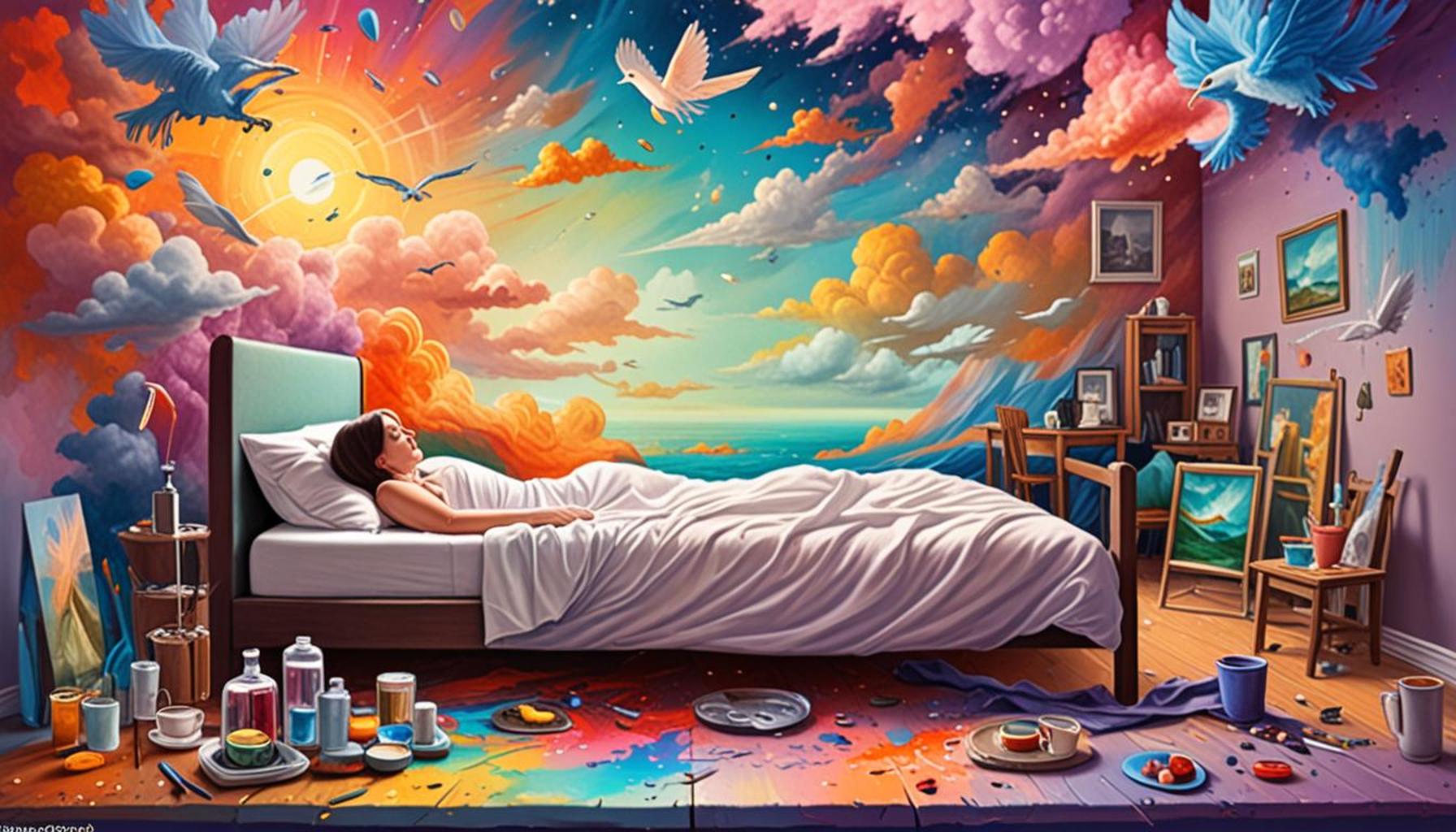
Art has long served as a bridge between the conscious mind and the unconscious, offering a unique lens through which to explore our deepest thoughts and emotions. The act of interpreting dreams through painting allows artists to manifest their inner landscapes, revealing layers of meaning that words often struggle to convey. This exploration is not merely personal; it can resonate with a broader audience, reflecting shared human experiences, fears, and desires.
Throughout history, numerous artistic movements have embraced the connection between dreams and visual art, crafting vivid interpretations that continue to inspire and provoke thought. One of the most notable movements is Surrealism, which emerged in the early 20th century. Artists like Salvador Dalí and René Magritte harnessed the chaotic and illogical nature of dreams to create their captivating works. For instance, Dalí’s famous painting, “The Persistence of Memory,” features melting clocks draped over a barren landscape, symbolizing the fluidity of time and the fragility of perception in the dream state. This dreamlike imagery encourages viewers to delve deeper into their own subconscious realms, influencing generations of artists and enthusiasts alike.
The influence of Freudian theories cannot be overlooked in this context. Sigmund Freud posited that dreams are a window into our innermost desires and fears. His ideas spurred artists to investigate not only their personal dreams but also the collective dreams of society. For example, the imagery in Edvard Munch’s “The Scream” reflects profound existential angst and emotional turmoil, echoing Freud’s belief in the power of subconscious expression. Munch himself spoke of the painting as an embodiment of his own inner turmoil, an exploration of a universal fear that resonates with viewers today.
Symbolism in visual art adds another layer to this exploration, with colors, shapes, and objects often representing our unexpressed emotions and dreams. Artists often employ specific palettes and motifs to create a dialogue between their subconscious thoughts and the tangible world. Consider the use of blue to signify tranquility or sorrow, or the repetition of certain shapes that evoke feelings of confinement or liberation. Each element plays a crucial role in the overall narrative, leading viewers on a journey through the psyche.
As we delve into this artistic exploration, we will uncover how various painters have interpreted their dreams, transforming intangible feelings into tangible forms. The influences of historical movements and psychological theories highlight the complex interplay between art and the human psyche. This journey through art not only enhances our understanding of dreams but also illuminates the complexity of human emotions. Let us embark on this odyssey of creativity and introspection, inviting a deeper appreciation for the myriad ways in which art reflects our inner worlds.
DISCOVER MORE: Click here to learn about the evolution of home cooking
The Role of Dream Analysis in Artistic Expression
The dialogue between dreams and visual art is a captivating domain that transcends mere representation, moving into the realm of profound insight. For artists, the act of painting serves as a therapeutic exercise, unlocking the door to their intricate psychological landscapes and allowing them to communicate their subconscious thoughts. As we further explore this artistic journey, it becomes evident that dream interpretation through painting not only reveals the artist’s psyche but also engages viewers on a multifaceted emotional level.
Many artists who delve into the depths of their subconscious often embrace specific themes and motifs grounded in their personal dream experiences. These themes can include, but are not limited to:
- Identity and Self-Reflection: Artists frequently grapple with their self-image, exploring their sense of identity through dreamlike narratives. Paintings that depict enigmatic figures or distorted reflections invite viewers to question their own identities.
- Repression and the Unconscious: The repression of thoughts and feelings can lead to striking imagery steeped in symbolism. For instance, artists may portray locked doors or hidden spaces to represent the unseen parts of the psyche.
- Conflict and Resolution: Many dreams act out the inner conflicts that artists face, allowing them to depict struggles and resolutions visually. This theme can manifest through dynamic compositions that juxtapose chaos with harmony.
- Nature and the Universe: The infinite complexities of nature often make their way into the dream realm. From ethereal landscapes to surreal representations of celestial bodies, nature provides a backdrop for the grand explorations of existence.
The technique of automatic painting, famously utilized by surrealists, further showcases this intersection between dreams and art. This method pushes artists to relinquish conscious control, allowing their subconscious to take the reins. The chaotic strokes and inadvertent patterns that emerge become a testament to the dreamer’s inner world. Jackson Pollock’s drip paintings are prime examples of how instinctual movements can forge a connection between the artist’s psyche and the canvas, resulting in works that seem to pulsate with emotive power.
Moreover, the use of color plays a pivotal role in the conveyance of unconscious emotions. In the realm of dream interpretation through painting, certain colors can evoke specific feelings and states of being:
- Red: Often associated with passion, anger, or energy, red can signify intense emotions that surface during the dream state.
- Green: Typically linked to nature and tranquility, green may represent healing or growth in one’s subconscious.
- Black: Frequently embodying mystery or the unknown, black can signify repressed fears or latent desires.
- Yellow: This bright color can denote optimism and clarity, often revealing the brighter aspects of dreams.
As we explore the complex interplay between dreams and artistic expression, it becomes clear that the canvas is not merely a surface but a pathway into the depths of the human mind. Upcoming sections will delve deeper into specific artists and their dream-inspired works, enriching our understanding of how the unconscious manifests through visual art. The untapped reservoir of dreams continues to inspire, challenge, and ultimately understand the enigmatic threads that weave through our emotional lives.
The Role of Symbolism in Interpretative Art
Understanding the subconscious mind through artistic expression can reveal profound insights into our psychology. The paintings that emerge from dreams often utilize symbolism that reflects the dreamer’s thoughts, emotions, and fears. Each symbol holds unique significance, allowing artists to convey complex ideas about the human experience. For instance, water can symbolize emotions, while animals might represent primal instincts or qualities we strive to embody. Through the strokes of their brush, artists invite us to explore these motifs, considering their personal implications within the broader context of human understanding.
Case Studies of Prominent Artists
Many renowned artists have created works rooted in dream interpretation. The imagery of Salvador Dalí, with his surreal landscapes and distorted figures, exemplifies a visual language deeply connected to dreams. His iconic painting, “The Persistence of Memory,” invites viewers to question the nature of time and reality, mirroring the bizarre yet compelling elements of our dreams. Similarly, Frida Kahlo frequently infused her art with personal symbolism that represented her traumatic experiences and emotional struggle. Through her vibrant yet haunting work, she reflects a rich tapestry of her dreams, transforming unconscious pain into striking visual narratives.
Inviting Interaction with the Viewer
Art that interprets dreams doesn’t merely serve as a representation; it actively engages viewers. Audiences are encouraged to project their own experiences and emotions onto the artwork, creating a dialogue between the observer and the piece. Each viewer’s unique background dramatically alters their perception, resulting in a multitude of interpretations based on their individual subconscious influences. This interaction highlights the profound relationship between art and the unconscious, revealing that each dream-inspired creation can hold a different meaning for everyone who encounters it.In the following section, we will further explore how modern advancements in technology are enabling new forms of artistic expression that delve into the interpretation of dreams. Prepare to uncover how virtual and augmented reality are expanding the boundaries of dream-based art.
DISCOVER MORE: Click here to learn how collaboration can enhance your creativity
Artists Who Transcend the Boundaries of Dream and Reality
The exploration of dreams through painting has produced a plethora of groundbreaking works by artists who have mastered the fusion of unconscious thought and creative expression. Each artist, with their unique perspective, offers a window into the vast cognitive landscape that dreams inhabit. From the uncanny artwork of Salvador Dalí to the haunting visions of Frida Kahlo, these creators have deftly navigated the realms of dream interpretation.
Salvador Dalí is often heralded as a pioneer of the surrealist movement, using his artwork to translate his vivid dreams into a visual language that mesmerizes viewers. In works like “The Persistence of Memory,” Dalí distorts the perception of time, revealing how dreams can warp reality. The melting clocks symbolize the fluidity of time in dreams, inviting debates about the nature of existence itself. His paintings serve not just as reflections of his unconscious, but as complex puzzles that beckon viewers to engage with profound questions about their own perceptions.
Frida Kahlo provides another compelling example of how dreams can inform artistic expression. Her deeply personal works often draw from her tumultuous life experiences, inviting parallels between her waking and dreaming life. Kahlo’s painting “The Two Fridas” showcases duality, embodying the artist’s internal conflict and feelings of isolation. By interweaving dream-like motifs with autobiographical elements, Kahlo challenges us to confront our own inner struggles, pulling viewers into the tangled web of her subconscious.
The symbolic language of dreams also permeates the works of Max Ernst, an influential artist who often created dream-inspired scenes with eclectic materials and techniques. Ernst’s exploration of the cougar technique, in which he created surreal landscapes by manipulating chance and randomness, allowed him to tap into his subconscious directly. His painting “The Elephant Celebes” captivates with its dreamlike atmosphere and bizarre imagery, emphasizing the rich emotional tapestry woven from our dreams. Such works embody how the subconscious emerges when artists relinquish control, creating a visceral connection with the viewer.
The Impact of Dream Interpretation on Contemporary Artists
The dialogue between dreams and visual expression continues to thrive in modern artistic practices. Contemporary artists increasingly harness dream analysis to articulate issues of identity, trauma, and collective experience. The rise of digital art and mixed media has expanded the boundaries of traditional painting, allowing new methods for engaging with the subconscious. Artists like Kara Walker, for example, blend narrative with dream motifs to critique societal issues through mythical storytelling. Her evocative silhouettes challenge viewers to explore the dark corners of collective dreams shaped by history.
Moreover, the application of technology has redefined how dreams are interpreted and expressed. With the advent of virtual reality and augmented reality, artists have the opportunity to create immersive dreamscapes that encourage an emotional journey for viewers. This dynamic approach not only deepens the relationship between art and the unconscious but also compels audiences to reflect on their own dream interpretations.
As we navigate through the artistic landscapes of dream interpretation, it becomes evident that painting remains an influential medium for understanding and articulating the elusive nature of dreams. Through the lens of these exceptional artists, we uncover varied interpretations of the unconscious—prompting us to embrace our own dream experiences as part of our artistic and emotional narratives. The inspiration drawn from dreams has the potential to reshape how we perceive not only art but also the complexities of the human mind.
DON’T MISS OUT: Click here to enhance your skills
Conclusion: Embracing the Dreamscape in Art
The exploration of dreams through painting serves as a profound lens into the unconscious mind, weaving together narrative, emotion, and personal expression. Artists from Salvador Dalí’s surreal landscapes to Frida Kahlo’s intimate self-portraits illustrate the rich tapestry of dream interpretation, revealing how these dream-like visions challenge our understanding of reality. They capture fleeting thoughts, fears, and desires, inviting viewers to engage with their own psychological landscapes.
Today, as contemporary artists harness new technologies, the boundaries of dream exploration expand even further. The blend of digital art and augmented reality creates immersive experiences that allow audiences to step into the realm of dreams, further solidifying the connection between art and the unconscious. This progression redefines how we interact with artistic expression, transforming passive observation into an active journey of self-discovery.
Ultimately, the significance of interpreting dreams through painting lies in its ability to provoke conversation and introspection. It challenges us to reflect on our own dream narratives and their implications on our waking lives. As we continue to delve into the symbolism and emotions that dreams evoke, painting emerges not only as a therapeutic outlet but also as a vital means of understanding the complexities of human existence. The interpretation of dreams through visual art remains an intriguing gateway, leading us toward a deeper comprehension of ourselves and the world around us.