How Proper Portions Contribute to a Healthy Lifestyle
The Importance of Understanding Portion Control
In today’s fast-paced world, the importance of proper portion sizes cannot be overstated. Many people tend to overlook the significant role that portion sizes play in not just weight management, but also in overall health. With food options readily available and often presented in overwhelming quantities, it is crucial to cultivate an awareness of how much we are eating.
For instance, the phenomenon known as portion distortion is particularly pronounced in the United States. Studies have shown that serving sizes in restaurants can be two to five times larger than standard serving recommendations. This excessive portioning can easily lead individuals to consume more calories than they realize. A standardized plate of spaghetti may traditionally contain around one cup, but many restaurants serve bowls overflowing with pasta, sometimes reaching up to four cups. This disparity not only affects guest satisfaction—often leaving patrons feeling overly full—but more long-term, it can contribute to weight gain and related health issues.
Weight Management
When it comes to weight management, understanding portion sizes is essential. By being mindful of the amounts we consume, individuals can more easily regulate their caloric intake. For example, using smaller plates has been shown to create a visual perception of fullness while helping to control the amount of food eaten. Research indicates that people tend to fill their plates regardless of the actual need. By opting for a salad plate instead of a dinner plate, one can achieve the satisfaction of a full plate while controlling calories effectively.
Nutritional Balance
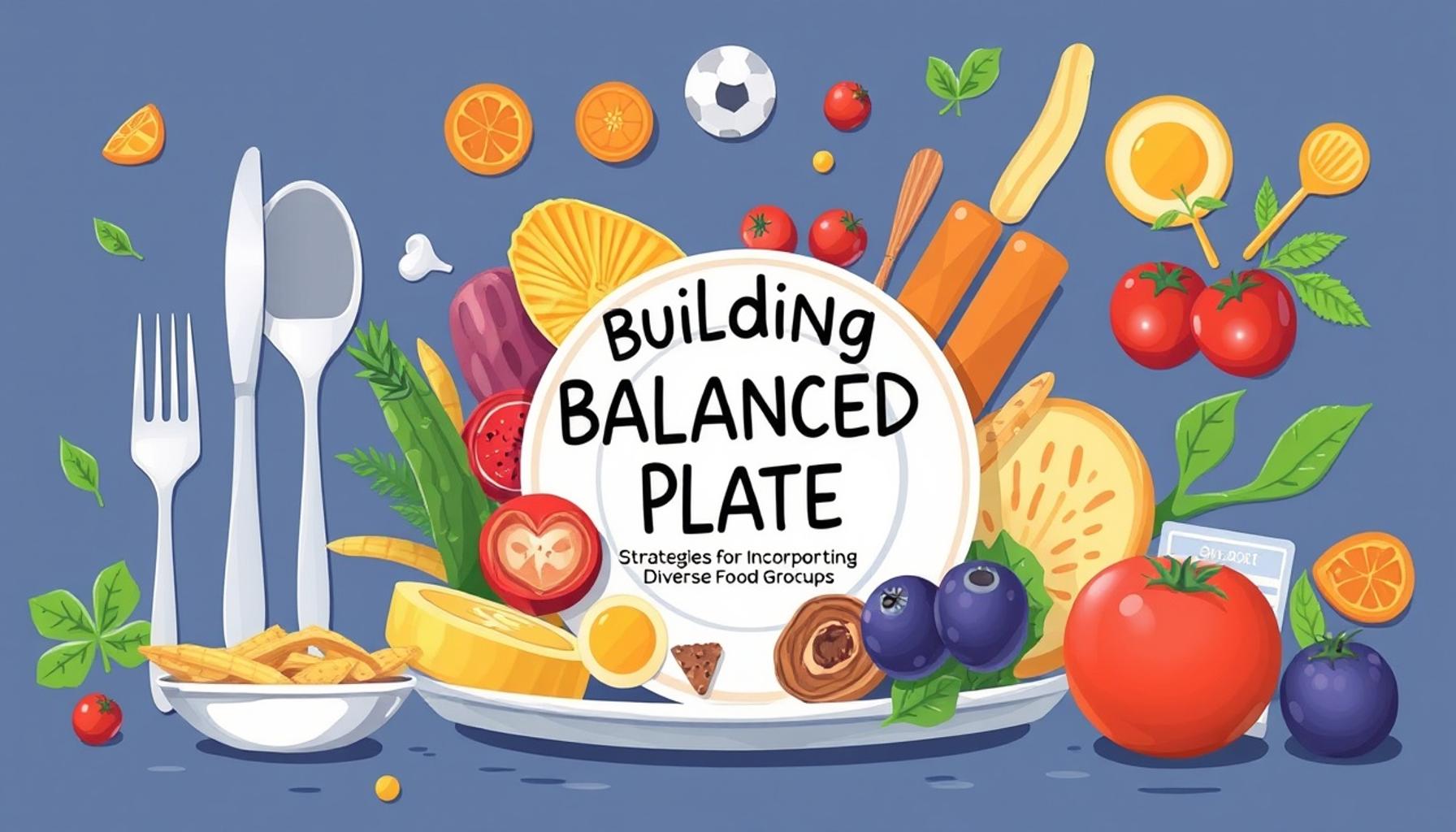
In addition to weight management, proper portions play a vital role in achieving nutritional balance. The USDA’s MyPlate initiative suggests that half of each meal should consist of fruits and vegetables, while grains and proteins should take up the remaining space. By adhering to these proportions, individuals ensure that they are incorporating a variety of nutrients into their diets. For example, a balanced dinner that includes grilled chicken (protein), quinoa (grain), and roasted broccoli (vegetable) provides a well-rounded intake of vitamins, minerals, and macronutrients. This strategy not only promotes physical health but also encourages a diverse palette, enriching the eating experience.
Mindful Eating
Mindful eating requires recognizing portion sizes, and it’s a practice that fosters a healthier relationship with food. Many people eat on autopilot, distracted by screens or while multitasking, often leading them to consume more than necessary. By slowing down and paying attention to the quantities and qualities of what we eat, we can better tune into our body’s signals of hunger and fullness. Engaging with meals intentionally—perhaps by savoring each bite or appreciating the textures and flavors—can significantly alter our eating habits and lead to healthier choices. For instance, taking the time to enjoy an artisanal cheese board, rather than hastily reaching for a tub of chips, can transform a snacking experience into a mindful banquet.
In conclusion, understanding portion control can be an excellent step toward a healthier lifestyle. By being aware of our serving sizes, we not only facilitate weight management and nutritional balance but also embrace a deeper, more mindful connection with the food we consume. To explore this critical aspect of healthy eating further, consider keeping a food journal or utilizing portion control tools, which can guide you in your journey towards a balanced diet.
DISCOVER MORE: Click here to enhance your stress management
The Connection Between Portion Sizes and Overall Health
Understanding portion sizes is integral not only for weight management, but also for achieving and maintaining overall health. The relationship between what we eat and how much we consume is often ignored in the hustle of daily life. Yet, it bears significant consequences on our physical and mental well-being. For many, the simplest actions taken regarding portion control can lead to profound changes in lifestyle.
Reducing the Risk of Chronic Diseases
Research has consistently shown that proper portion control can play a crucial role in reducing the risk of chronic diseases such as obesity, diabetes, and heart disease. Obesity, declared a global health crisis by the World Health Organization, is closely linked to the overconsumption of calories, much of which stems from oversized portions. With medical professionals emphasizing the need for dietary changes, understanding portion sizes is more vital than ever. Consider the following key statistics:
- According to the CDC, about 42.4% of adults in the U.S. were classified as obese in 2017-2018.
- Excessive calorie intake can lead to an increased risk of developing Type 2 diabetes, with some studies revealing that every additional serving of sugary beverages increases this risk by 16%.
- Heart disease remains the leading cause of death in the U.S., with poor dietary habits contributing significantly to its prevalence.
By adhering to proper portion sizes, individuals can decrease the likelihood of these health issues, while also supporting their journey towards a more balanced lifestyle. Notably, smaller portions don’t mean lesser satisfaction; rather, they can promote the consumption of a greater variety of foods, ensuring nutrient adequacy.
The Role of Portion Awareness in Eating Habits
Portion awareness is another critical aspect that influences eating habits. When individuals eat mindlessly or without a clear understanding of serving sizes, they may unintentionally consume more than their bodies need. The tendency to eat out often exacerbates this issue as restaurants often serve generous portions, encouraging patrons to underestimate their caloric intake.
Here are a few strategies to cultivate an awareness of portion sizes:
- Use Measuring Tools: Incorporate measuring cups or a food scale in your meal preparation to serve accurate portions.
- Visual Portion Sizes: Familiarize yourself with visual cues; for instance, a serving of meat should roughly match the size of a deck of cards.
- Practice Plate Method: Adopt the plate method recommended by dietitians where half of your plate is filled with fruits and vegetables, a quarter with protein, and a quarter with grains.
By implementing these tips, individuals can not only improves their perception of portion sizes but also enjoy greater control over their eating habits and overall health.
In essence, the significance of portion control extends far beyond mere dietary restrictions. It forms the foundation for a healthier lifestyle where individuals can take charge of their food intake, making informed decisions that contribute positively to their physical health while also enhancing their eating experience.
Understanding Portion Sizes
In the journey to a healthier lifestyle, understanding proper portion sizes is crucial. By controlling the amount of food on your plate, you can effectively manage your calorie intake and maintain a balanced diet. Portion sizes can affect how your body processes nutrients and regulates weight. Research indicates that individuals who practice mindful eating by measuring their portion sizes tend to have healthier habits overall.
The Impact of Overeating
Overeating, often stemming from larger serving sizes, can lead to various health issues, including obesity, diabetes, and heart disease. A study from the Journal of Nutrition highlighted that the average person underestimates their portion sizes, contributing to increased caloric intake. Learning about recommended serving sizes can be beneficial for anyone looking to improve their eating habits.
| Category | Key Features |
|---|---|
| Nutritional Balance | Proper portions help in achieving a balanced intake of essential nutrients. |
| Weight Management | Controlling portions can aid in preventing weight gain and promote a healthier body composition. |
Mental Awareness and Eating Habits
Practicing portion control can enhance mental awareness related to eating. When individuals become mindful of their food intake, it fosters a deeper connection with their meals and promotes better digestion. Mindful eating encourages savoring each bite and recognizing hunger cues, ultimately leading to healthier lifestyle choices.
Educational Resources for Portion Control
To further support portion control, numerous resources are available, including tools like measuring cups, dietary guidelines, and food labels. The USDA’s MyPlate offers guidance on appropriate serving sizes, ensuring that individuals can make educated choices about their meals. By utilizing these resources, people can transform their eating habits and contribute to long-term health benefits.
DISCOVER MORE: Click here to learn about the benefits of journaling for mental wellness</
Improving Mental Well-being Through Portion Control
While much of the conversation surrounding portion sizes focuses on physical health, it is equally important to consider their impact on mental well-being. The relationship between food and our emotions is profound, and consuming appropriate portions can enhance mood and diminish feelings of guilt or anxiety that often accompany overeating. Practicing mindful eating, which includes being aware of portion sizes, empowers individuals to foster a more positive relationship with food.
Navigating Emotional Eating
Emotional eating is a common behavior that can lead to consuming excess calories, particularly when individuals turn to food for comfort. By understanding and practicing proper portion control, individuals can combat this tendency. Research indicates that individuals who are more mindful of their food intake experience lower levels of emotional distress. A study published in the “Journal of Health Psychology” found that engaging in mindful eating practices, which includes paying attention to portion sizes, can significantly reduce compulsive eating patterns.
Here are some effective strategies for managing emotional eating through portion control:
- Identify Triggers: Keep a food diary to track what you eat alongside your emotional state to identify specific triggers that lead to emotional eating.
- Practice Mindfulness: Before meals, take a moment to breathe deeply and reflect on your hunger levels to recognize when you are truly hungry versus when you might be eating for emotional reasons.
- Size Matters: Serve smaller portions to help manage cravings while still allowing for the pleasure of enjoying your favorite comfort foods in moderation.
The Social Aspect of Eating and Portion Sensibility
Dining out and social gatherings often present unique challenges regarding portion sizes. In the United States, it is common to encounter oversized meals, leading many to indulge beyond their actual hunger cues. However, embracing portion sensibility can not only influence individual health but also elevate the communal dining experience. Sharing dishes or opting for smaller plate options can promote healthy eating habits without sacrificing enjoyment.
Interestingly, research from the “American Journal of Clinical Nutrition” suggests that communal meals can lead to healthier eating decisions when aligned with proper portions. For instance, individuals who share dishes tend to consume a wider variety of nutrients and are more likely to be satisfied without overeating. Here are tips to navigate dining experiences with proper portion control:
- Order Wisely: When dining out, consider splitting an entrée with a friend or family member to avoid oversized portions.
- Focus on Color: Opt for options that showcase a variety of colors, such as salads or vegetable-rich entrees, ensuring a balanced plate without the need for excessive servings.
- Appreciate the Environment: Take in your surroundings and savor flavors, which can enable you to feel more satisfied with smaller amounts of food.
In sum, viewing portion control not just as a tool for physical health but also as a means of enhancing emotional well-being and social experiences can lead to significant lifestyle benefits. By embracing the principles of mindful eating and community dining, individuals can open the door to a more balanced approach to nutrition, making every meal an opportunity for growth and satisfaction.
DISCOVER MORE: Click here to learn about the impact of sleep hygiene on mental health</a
Embracing the Power of Portions for a Healthier Future
In conclusion, the significance of proper portion control extends far beyond mere calorie counting; it encompasses emotional well-being, social interactions, and overall lifestyle improvement. By understanding the delicate connection between what we eat and how we feel, we can cultivate a healthier relationship with food that promotes mindfulness and self-awareness. From managing cravings to enhancing our dining experiences with friends and family, portion control serves as a vital component in achieving a balanced diet.
Furthermore, the adoption of practical strategies like sharing meals, being mindful of food triggers, and selecting vibrant, nutrient-rich options can lead not only to improved physical health but also to a greater sense of fulfillment during meals. It becomes increasingly evident that embracing portion sensibility can lead to behavioral changes that support long-term wellness goals.
As the conversation around nutrition evolves, understanding the role of appropriate portions should become a fundamental aspect of our dietary practices. By making conscious choices about the amount of food we consume, we can unlock a path towards not only better health but also enhanced happiness and satisfaction in our everyday lives. Ultimately, proper portioning is a small but powerful adjustment that holds the potential to transform our eating habits and lifestyle for the better.