The Influence of Natural Light and Sun Exposure on Sleep Quality

Understanding Light’s Power Over Sleep
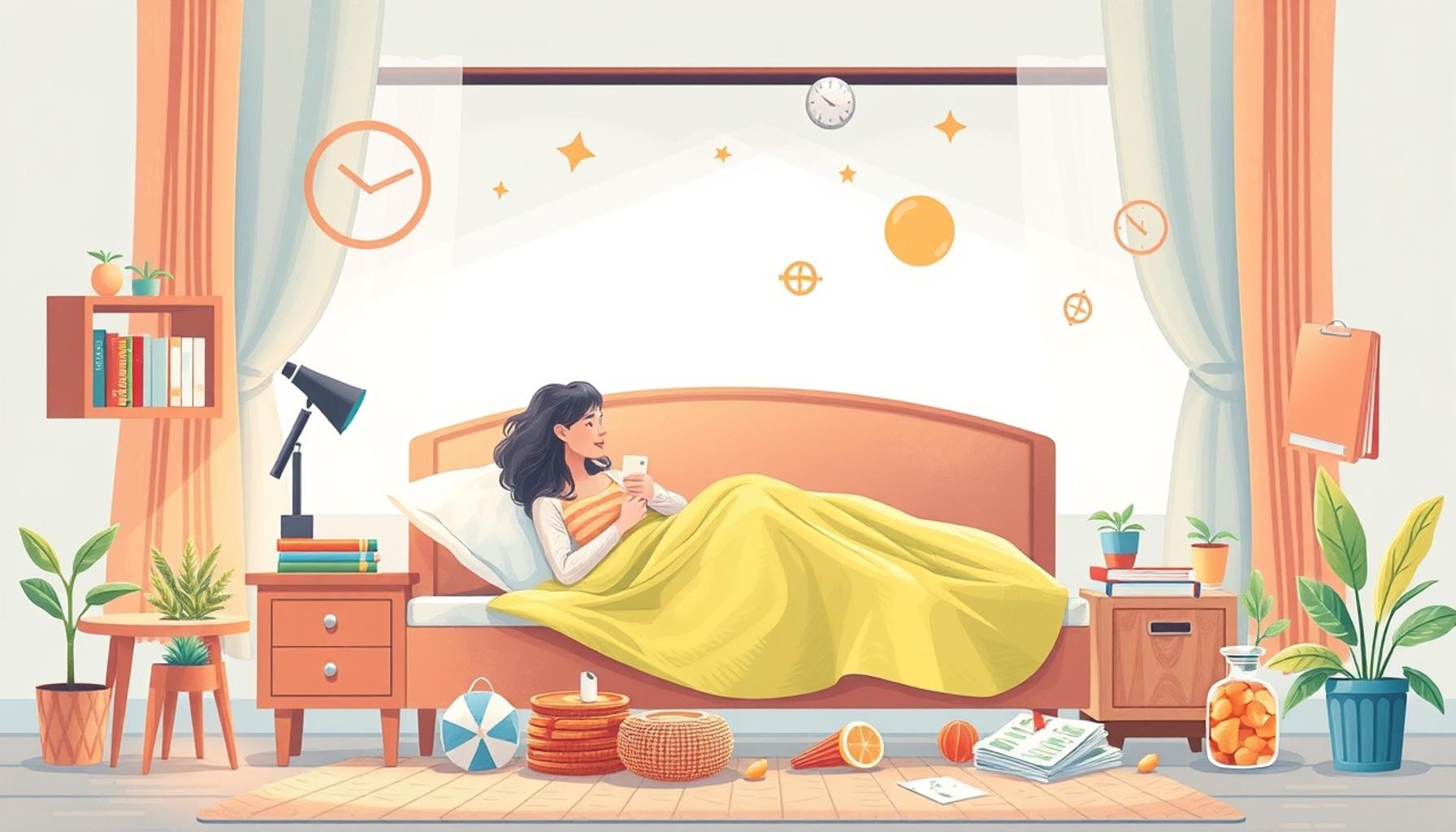
Natural light is more than just a pleasant feature of our environment; it plays a crucial role in regulating our sleep patterns. Exposure to sunlight helps control our body’s internal clock, known as the circadian rhythm. This natural rhythm dictates various physiological processes, including sleep-wake cycles, hormone release, and even eating habits. Understanding this relationship can unlock insights into improving sleep quality and overall health.
The Role of Natural Light
- Melatonin Production: Sunlight influences the production of melatonin, a hormone vital for sleep. During the day, exposure to natural light stimulates the brain to suppress melatonin production, promoting alertness. As the sun sets and darkness prevails, melatonin production ramps up, signaling to the body that it is time to wind down. This intricate balance is crucial, as disruptions can lead to sleep disorders.
- Daytime Alertness: Adequate sun exposure during the day can enhance alertness and mood. Numerous studies show that individuals who work in environments that maximize natural light experience lower stress levels and increased productivity. For example, offices with large windows or skylights can boost employee satisfaction and mental health by providing a connection to the outdoors.
- Sleep-Wake Cycle: Natural light signals when to be awake and when to rest, shaping our daily routines. This biological clock allows individuals to synchronize their schedules with the natural environment. For instance, exposure to sunrise can help regulate sleep patterns, promoting wakefulness during daylight hours.
Consider the following aspects that illustrate the impact of sun exposure on sleep:
- Seasonal Variations: Longer days in summer can lead to improved sleep quality compared to winter months. During winter, shorter days may contribute to seasonal affective disorder (SAD), a condition marked by depressive symptoms due to lack of sunlight. Consequently, individuals may find it challenging to maintain regular sleeping habits during darker months.
- Indoor Lighting: Artificial lighting often lacks the spectrum of natural light, potentially disrupting our sleep. Bright artificial lights can trick the brain into thinking it is still daytime, delaying the onset of sleep. Therefore, reducing screen time and switching to warmer-toned light sources in the evening can help signal the body to prepare for rest.
- Cultural Practices: Societal norms around bedtime can be influenced by geographic location and natural light availability. For instance, cultures living closer to the equator experience less fluctuation in day length throughout the year, leading to more consistent sleep patterns. In contrast, those in far northern or southern latitudes may need to adapt their schedules drastically based on seasonal daylight changes.
As research continues to unveil the connection between natural light and sleep quality, the significance of understanding our daily exposure becomes ever more apparent. This exploration is essential for fostering healthier sleeping habits. Consider keeping a sleep diary or using apps that track light exposure to identify patterns. Making small adjustments to maximize natural light exposure during the day can pave the way toward more restful nights, making this a topic worth delving into for anyone seeking to improve their overall well-being.
DISCOVER MORE: Click here to learn about the connection between physical activity and mental health</
The Science of Sunlight and Sleep
The intricate relationship between sun exposure and sleep quality is grounded in biology. Our bodies are remarkably attuned to the natural light cycles of the Earth, which influence our circadian rhythms. As we navigate our days, the intensity and quality of sunlight can profoundly shape our overall well-being, especially regarding how well we sleep at night.
The Biological Mechanism Behind Light and Sleep
Sunlight acts as a natural cue that helps regulate a range of processes in our bodies. In particular, the time we spend outdoors during daylight hours plays a pivotal role in determining how quickly we drift off to sleep and the quality of that sleep. Here are several ways in which natural light influences sleep:
- Impact on Circadian Rhythms: The natural variations in sunlight throughout the day help set our body’s circadian rhythm. The brain’s pineal gland reactivity to light alerts it to produce less melatonin when sunlight is abundant, promoting a state of alertness. Essentially, the more light you experience during the day, particularly in the morning, the better your body can regulate its sleep cycles later.
- Quality of Sleep: Studies have shown that individuals exposed to natural light during the day report higher quality sleep at night. One study found that employees with access to natural light in their workplaces sleep an average of 46 minutes longer than those who work in windowless environments. This is a striking reminder of how beneficial mere exposure to daylight can be for our nightly slumber.
- Vitamin D Production: Direct sun exposure boosts our bodies’ production of Vitamin D, which is essential for various bodily functions, including mood regulation. Low levels of Vitamin D are linked to sleep disorders and overall fatigue. Thus, a healthy dose of sunlight can serve not just as a sleep enhancer but also as a natural mood lifter.
Moreover, the kind of light we’re exposed to at night significantly matters in this equation. Artificial lighting, particularly blue light emitted from screens, has been proven to interfere with melatonin production. Here’s how you can combat artificial light’s effects:
- Limit Evening Screen Time: Try to reduce the use of electronics at least an hour before bedtime. Consider adopting practices such as reading physical books or listening to podcasts instead of using your devices.
- Choose Warm Lighting: Switch to lamps that emit warmer hues in the evening. Warm-toned lights can create a calming environment that signals to your brain it’s time to wind down.
- Utilize Blackout Curtains: To maximize your natural light exposure during the day, invest in good blackout curtains. These can also help create a darker environment conducive to sleep during nighttime.
Recognizing the role of natural light in sleep quality underscores the importance of creating a healthy nighttime routine. As we continue to dissect the science behind our sleep patterns, it becomes evident that simple adjustments to our exposure to light can result in significant improvements in our overall quality of sleep and health. By leveraging the power of sunlight, we can unlock the potential for more restorative rest.
The Influence of Natural Light and Sun Exposure on Sleep Quality
Understanding how natural light and sun exposure affect sleep quality is essential for maximizing health and well-being. Numerous studies indicate that daylight exposure plays a crucial role in regulating the body’s internal clock or circadian rhythm, influencing sleep patterns and overall mood.
The body’s production of melatonin, the hormone responsible for inducing sleep, is significantly impacted by light exposure during daylight hours. In environments with limited natural light, such as those that rely heavily on artificial lighting, individuals may experience disruptions in their sleep-wake cycle. This can lead to difficulties in falling asleep, as well as decreased sleep quality.
Incorporating natural light into your daily routine can dramatically improve your sleep habits. For instance, taking morning walks outside or maximizing sunlight exposure in your home during the day can enhance energy levels during the day while promoting better rest at night. Exposure to blue light in the morning helps signal to the body that it’s time to be awake, thereby increasing alertness.
Additionally, studies have shown that maintaining a consistent sleep environment enriched with natural light during daytime hours can reduce insomnia symptoms and increase overall well-being. It’s fascinating to note that less than two hours of natural light exposure daily can lead to significant improvements in sleep quality.
| Category | Advantages |
|---|---|
| Natural Light | Helps regulate circadian rhythms and improves mood. |
| Sun Exposure | Enhances vitamin D levels beneficial for sleep. |
In conclusion, integrating natural light into our daily lives not only enhances sleep quality but also fosters a healthier lifestyle. Making minor adjustments to our exposure can yield profound effects on our overall sleep health. Delving into this topic further promises to uncover even more exciting insights about the importance of natural processes in maintaining our well-being.
EXPLORE MORE: Click here to learn how to balance your meals for better mental health
The Role of Natural Light in Mental Health and Sleep
Delving deeper into the multifaceted influence of natural light on sleep quality reveals significant connections between sunlight exposure and mental health. The exposure to sunlight, especially in the morning, can elevate mood and reduce the risk of depression, which in turn can profoundly impact sleep patterns.
Sunlight and Mental Health
The benefits of sunlight extend beyond physical well-being into the realm of mental health. A landmark study found that individuals who receive adequate sunlight exposure reported lower levels of anxiety and depressive symptoms. These mental health improvements correlate directly with sleep quality, as individuals who experience less anxiety generally have an easier time falling and staying asleep.
Moreover, experts suggest that Seasonal Affective Disorder (SAD)—a type of depression associated with seasonal changes—is partly triggered by decreased sunlight exposure during particular months, notably in winter. This condition can lead to symptoms like lethargy and disrupted sleep. Thus, it becomes pivotal to consider how ensuring sufficient sunlight exposure year-round could mitigate these seasonal mood dips, potentially leading to better sleep.
The Influence of Sun Exposure on Sleep Disorders
As research continues to unveil these connections, it’s crucial to recognize the role of sunlight not just as a mood enhancer but as a potential preventative measure against sleep disorders. One study published in the journal Sleep Health demonstrated that individuals with conditions such as insomnia and sleep apnea exhibited poorer sunlight exposure habits. Individuals in these groups often reported spending significant time in indoor settings with little to no access to natural light.
This cycle can perpetuate itself: less sunlight leads to poorer mental health, which in turn can exacerbate issues with sleep. Encouraging recommendations within sleep medicine now stress the importance of daily natural light exposure for individuals suffering from sleep disorders, bolstering the case for sunlight as a natural remedy.
Practical Approaches to Harness Natural Light
Implementing strategies to harness the power of natural light doesn’t require drastic lifestyle changes. Here are practical approaches that can help you optimize your exposure:
- Morning Walks: Taking a morning walk, particularly during the golden hours shortly after sunrise, can help set your circadian rhythm for the day. This simple act not only enhances mood but also prepares your body for rest later on.
- Work with Nature: If possible, choose workplaces or study environments that boast windows or proximity to outdoor spaces. Socializing or working near windows can help maintain high levels of light exposure throughout the day.
- Gardening and Outdoor Activities: Engaging in outdoor activities or gardening can provide you with additional sunlight. These activities not only expose you to natural light but also serve as excellent forms of physical exercise, which can improve sleep quality.
Utilizing these approaches can lead to increased sunlight exposure, which is crucial for enhancing not only sleep quality but also overall health. As the body continues to reveal the profound implications of light on our sleep cycles, incorporating natural light into daily routines proves to be a simple yet effective strategy for achieving better sleep outcomes.
DISCOVER MORE: Click here to enhance your well-being
Concluding Thoughts on Sunlight and Sleep Quality
In summary, the significant impact of natural light and sun exposure on sleep quality is becoming increasingly clear. Throughout this exploration, we have uncovered the direct links between sunlight, mental health, and restful sleep. Morning exposure to sunlight not only uplifts mood but also helps regulate our circadian rhythms, ultimately leading to better sleep patterns.
The rising concerns surrounding sleep disorders such as insomnia and anxiety further underscore the necessity of incorporating natural light into daily life. By addressing these issues through practical approaches like morning walks, creating sunlit workspaces, and engaging in outdoor activities, individuals stand to benefit from improved mood and enhanced sleep quality. Studies echo this notion, revealing that adequate sunlight exposure correlates closely with fewer symptoms of mental health challenges.
As we navigate through modern lifestyles that often confine us indoors, it becomes essential to consciously seek out sunlight whenever possible. This not only serves to mitigate mental health issues but also establishes a routine that can stave off complications related to sleep. Therefore, embracing the simplicity of natural light is not just about enhancing daily comfort—it holds the key to a healthier, more restful life.
In conclusion, to foster better sleep quality, let us advocate for a lifestyle that harmonizes our need for sunlight with our individual sleep needs. By doing so, we may just unlock the door to improved well-being and restful nights.