Sensory Gardening: Creating a Garden that Stimulates All the Senses

Discovering the Beauty of Sensory Gardening
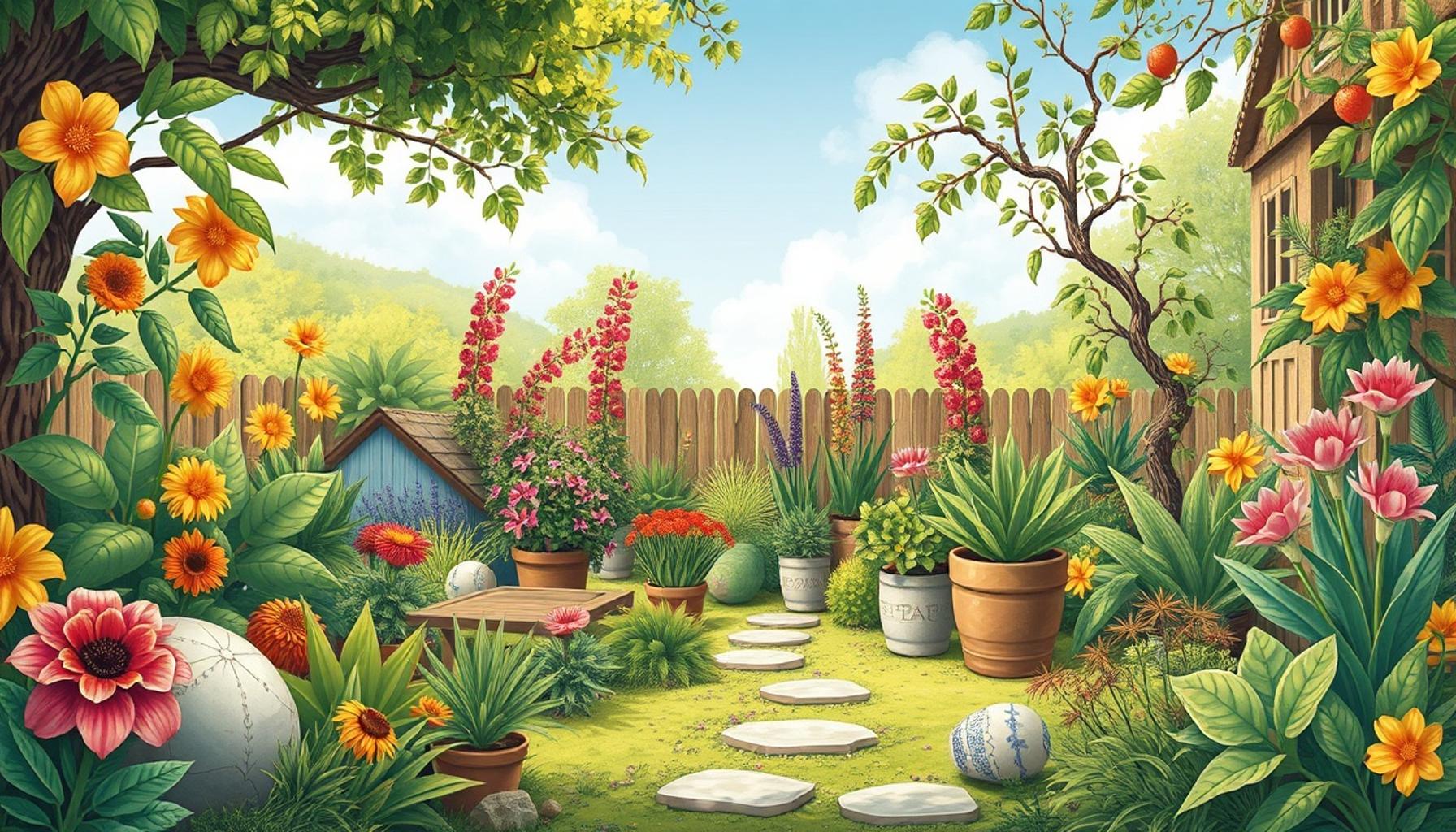
Imagine stepping into a space where the air is filled with alluring fragrances, vibrant colors dance before your eyes, and various textures invite your touch. Sensory gardening transforms traditional gardening into a multi-sensory experience, captivating not just the eyes but also the nose, ears, and hands. Whether you have a sprawling backyard or a petite balcony, crafting a sensory garden is within reach, allowing anyone to engage with nature deeply and meaningfully.
What Makes a Garden Sensory?
- Visual Appeal: To ignite the visual senses, incorporate bright, blooming flowers such as echinacea or daisies. Varied foliage, like the striking colors of Japanese maples or the patterns of caladium leaves, can create a stunning aesthetic. Consider planting in layers to enhance depth and height, making each visit to the garden feel like a new adventure.
- Aromatic Plants: Enhance atmospheric charm with aromatic plants. Herbs like lavender and rosemary not only add a delightful smell but can also be used in cooking. Other fragrant options include lemon balm and mint, both of which can invigorate your senses and serve practical culinary purposes.
- Tactile Features: Engage your sense of touch by selecting plants with diverse textures. Soft lamb’s ear invites gentle strokes, while the rough bark of a cork tree adds contrast. A path made of smooth river stones and complemented by plush moss can create a stimulating variety underfoot. Even the addition of garden sculptures can provide interesting tactile experiences.
- Sound Elements: Sound is a significant, yet often overlooked, aspect of sensory gardening. Consider the gentle tinkling of wind chimes or the lovely splash of a small water feature like a fountain. Soft, rustling grasses or the chirping of birds can serve as a natural soundtrack that enhances the overall sensory experience.
- Tasteful Additions: There is no better way to satiate the taste buds than adding edible plants. Consider fruits like strawberries and tomatoes, which not only contribute visual appeal but also allow you to enjoy the fruits of your labor. Incorporate a variety of vegetables and herbs, such as basil and bell peppers, to create a garden that delights the palate as much as it does the eyes.
By thoughtfully designing a garden that engages all five senses, you can create a sanctuary that not only stimulates the mind but also promotes well-being. Research indicates that sensory gardens can enhance mood, reduce stress, and even amplify creativity. This is particularly beneficial for children and individuals with special needs, as sensory gardens can offer therapeutic elements that foster healing and relaxation, but they appeal to everyone. Adopting practices that encourage exploration of a sensory garden can create deeper connections within families and communities.
As we delve deeper into the world of sensory gardening, you are encouraged to explore different themes and ideas. Whether focusing on sensory stimulation, seasonal blooms, or sustainable practices, these gardens can offer a unique blend of enjoyment and tranquility. Embrace the chance to cultivate a space that invigorates your senses and encourages a profound connection with nature, transforming not just your garden but also your spirit.
Unleashing Creativity in Sensory Gardening
Sensory gardening is not just about planting a variety of plants; it’s an enchanting journey that immerses you in a symphony of sights, sounds, scents, and textures. To truly bring alive the concept of sensory gardening, one must imagine the endless possibilities of creativity. This approach to gardening encourages experimentation with elements that engage all five senses in harmonious balance.
The Significance of Engagement
Engaging with the environment through a sensory garden can be therapeutic and invigorating. Studies have shown that immersing oneself in nature can significantly decrease feelings of anxiety and promote mental clarity. In fact, sensory gardens are employed in various therapeutic settings, such as hospitals and community centers, for their ability to promote healing through experiential learning and exploration. For those looking to enhance their environment, understanding how to harness sensory elements can elevate a basic garden into a vibrant retreat.
Incorporating Sensory Elements
To curate an effective sensory garden, one must consider a variety of elements that appeal to each sense:
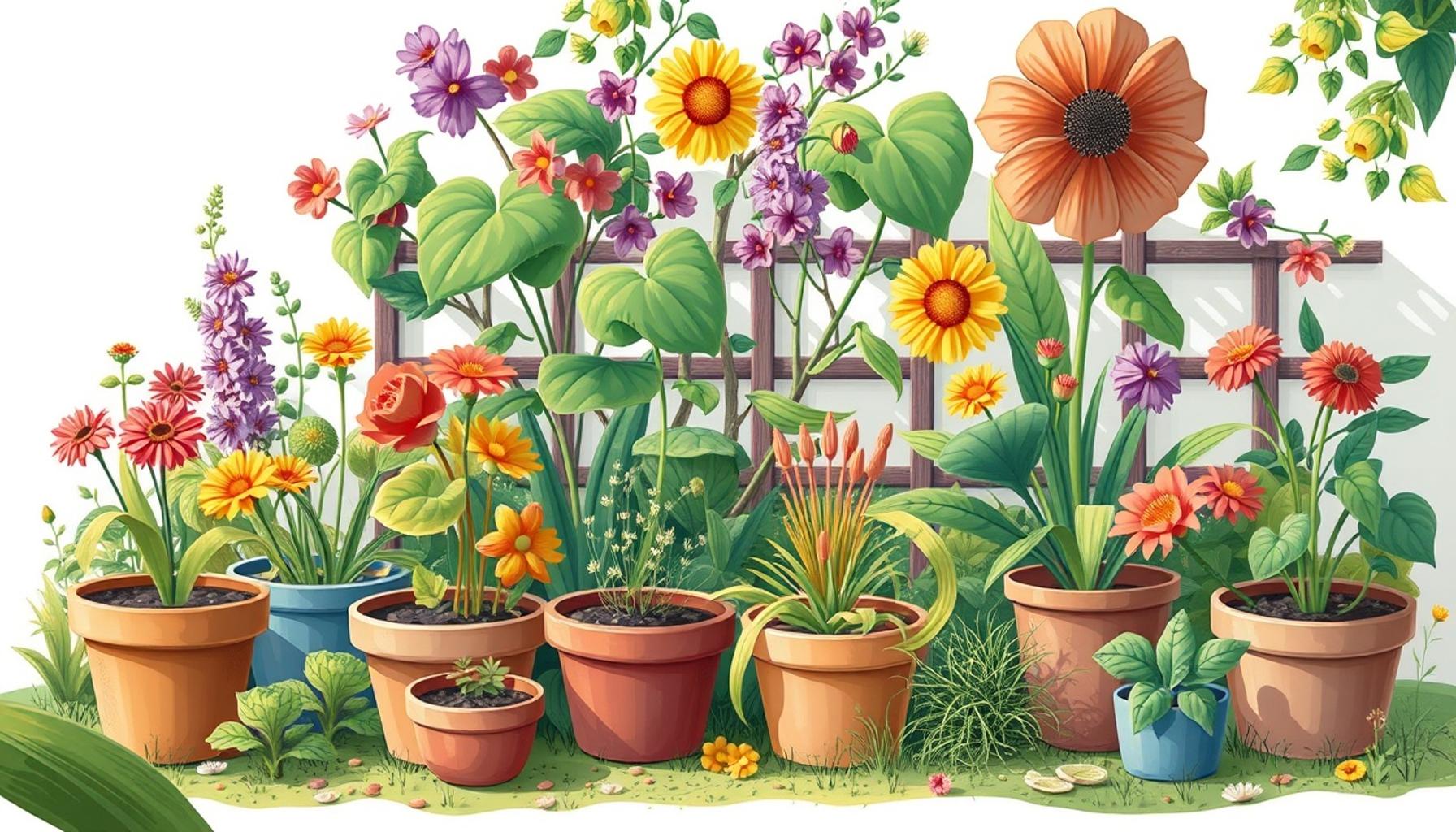
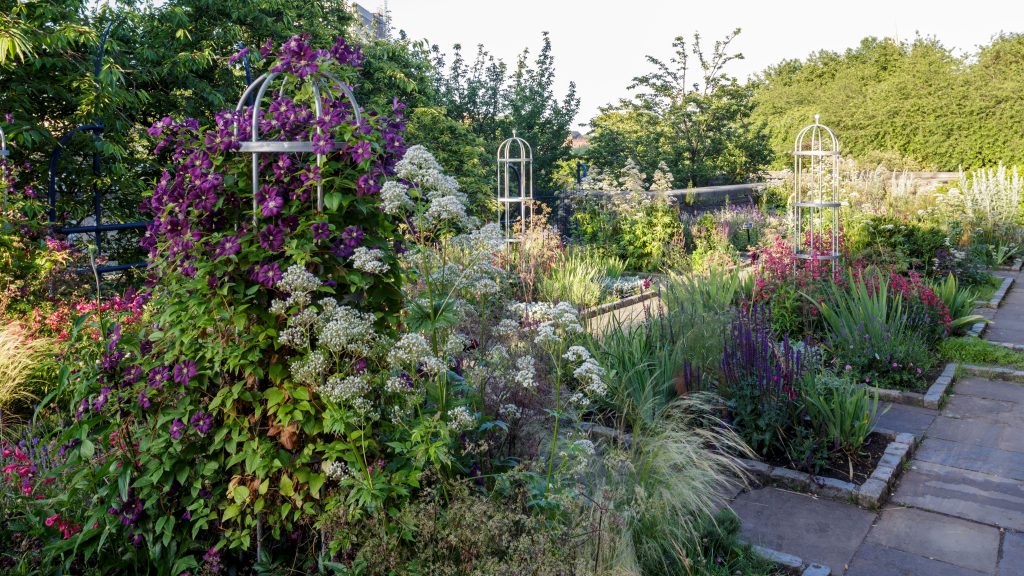
- Visual Stimulation: Incorporate a spectrum of colors by selecting a mix of flowering plants like zinnias and sunflowers alongside lush greenery. Utilizing plants that bloom in different seasons, such as cherry blossoms in spring and mums in fall, ensures lasting visual interest throughout the year.
- Aromatic Delights: Scents have a profound effect on mood and memory. Plants like jasmine, with its sweet aroma, and sage, providing earthy notes, can instantly transform the atmosphere. Consider placing these plants near pathways or sitting areas to maximize their impact.
- Tactile Interaction: Selecting plants with diverse textures invites exploration. From the fuzzy leaves of hoya to the rugged, tactile touch of cacti, experiencing these contrasts can be delightful. Incorporating natural materials like bamboo or driftwood in your garden can enhance the tactile narrative.
- Auditory Effects: Integrate auditory elements through features such as birdhouses or suitable plants that attract songbirds. These living soundscapes create a serene backdrop, complemented by gentle wind chimes that add a melodic touch.
- Culinary Experiences: A sensory garden is incomplete without flavors to savor. Edible plants, including herbs like thyme and parsley, heighten the senses. Consider allowing visitors to pick their produce, fostering an interactive experience in which they can taste what they cultivate.
Transforming a garden into a sensory delight is about more than aesthetics; it’s about cultivating a connection with nature that enriches the spirit and invites community engagement. As you embark on this sensory journey, remember that every element holds potential for discovery and appreciation, allowing individuals to unlock a sensory garden that truly captivates.
| Category | Description |
|---|---|
| Visual Elements | Colorful flowers and plants can evoke emotions and create an inviting atmosphere. |
| Tactile Experiences | Incorporating differently textured plants allows visitors to connect with nature through touch. |
| Aromatic Plants | Adding fragrant herbs and flowers heightens the sensory experience with pleasing scents. |
| Auditory Features | Incorporating water features can create soothing sounds that enhance relaxation. |
Sensory gardening transcends traditional landscaping by engaging all five senses, ensuring a richer connection with our natural surroundings. Imagine walking through a garden alive with vibrant colors, where the rustle of leaves and the gentle babbling of a stream fill your ears. Each corner of this garden offers a unique experience, compelling you to touch the soft petals of a flower or to breathe in the sweet aroma of blooming jasmine.By thoughtfully selecting plants and features, gardeners can cultivate an environment that not only pleases the eye but also nourishes the soul. For example, herbs like basil or mint not only look good but also invite individuals to savor their fragrances and flavors. This holistic approach encourages mindfulness, making each visit more than just a walk in the park—it becomes an exploration of mindful gardening where every sense is delighted. Exploratory pathways can lead individuals deeper into the experience, revealing new surprises with each step and allowing one to appreciate the myriad of textures and sounds that nature provides.
Designing Multifunctional Spaces in Sensory Gardening
While the integration of sensory elements into a garden is critical, the design and layout of these spaces play an equally important role. The art of sensory gardening lies not just in the selection of plants but in creating a multifunctional environment where every corner offers an opportunity for engagement through sensory experiences.
Zones of Exploration
One effective approach is to segment the garden into various zones, each dedicated to a specific sensory experience. For instance:
- The Aroma Alley: This area could feature aromatic herbs like lavender, rosemary, and mint, which not only enhance the olfactory experience but also serve practical culinary uses. Imagine walking through an aromatic pathway that transports you into a fragrant wonderland.
- The Tactile Trail: Create a pathway lined with plants that have various textures. Incorporate soft moss, rough stones, and silky flowers along a winding trail where visitors can touch and feel the contrasts beneath their fingertips.
- Soundscape Sanctuary: Dedicate an area to creating calm soundscapes. Here, you can install features like a small pond or fountain to evoke the soothing sounds of flowing water. Add native plant species that attract local wildlife such as birds and insects, enhancing the auditory experience as they serenade the garden with their natural calls.
These targeted zones do not just maximize sensory engagement; they can also cater to diverse groups—children, the elderly, and even individuals with sensory processing sensitivities. A well-designed sensory garden holds the potential for creativity, education, and therapy all within one vibrant space.
Seasonal Adaptations and Year-Round Interest
To maintain engagement throughout the year, it is crucial to consider how each season interacts with your sensory garden. Just because some plants thrive during summer does not mean you have to sacrifice interest during colder months.
- Winter Blooms: Consider adding winter-blooming plants like hellebores or witch hazel, which not only provide visual appeal but also offer scents that can evoke memories and warmth during the dreary winter months.
- Seasonal Textures: Incorporate elements that enhance textures, such as evergreens in winter, which contrast with the softer plants of spring and summer, maintaining a tactile experience even when the temperature drops.
- Autumn Feasts: Grow fruit-bearing plants like apple trees and berry bushes, encouraging foraging in the fall. This adds a culinary aspect to the garden, where visitors can connect with the seasonal produce while delighting in the changing colors of the foliage.
Furthermore, hosting seasonal activities—such as autumn harvesting events or winter solstice celebrations—can foster community interaction, making the sensory garden a hub of creativity and connection. These gatherings allow people to share experiences, learn about gardening, and appreciate all that nature has to offer across the seasons.
By thoughtfully designing and planning your sensory garden, you create an enchanting space that is not only visually stunning but offers a deeper layer of engagement for visitors of all ages. This dedication to sensory stimulation fosters a unique bond between individuals and nature, opening doors to exploration, healing, and joy in the garden.
Conclusion
In summary, sensory gardening transcends traditional gardening by inviting individuals to immerse themselves in a world of tactile, auditory, visual, olfactory, and gustatory experiences. By thoughtfully combining various elements—such as aromatic plants, textured pathways, and sound-enhancing features—gardeners can create multifunctional spaces that cater to diverse needs and preferences. This holistic approach not only enhances personal enjoyment but also fosters community interaction and inclusivity.
The beauty of sensory gardens lies in their ability to adapt across seasons, ensuring that there is always something new to discover and enjoy. Whether through the vibrant colors of spring blooms, the comforting scents of fall harvests, or the serene quietness of a winter landscape, each season offers its own unique charm that captivates the senses.
By engaging with sensory gardening, we can cultivate not only plants but also well-being, creativity, and a profound connection to the natural world. As you embark on your gardening adventure, remember to prioritize your senses and experiment with different combinations. Whether you have a small balcony or a sprawling backyard, the principles of sensory gardening can be applied anywhere, encouraging exploration, healing, and joy. Take the time to create your own sensory haven, where every visit becomes a journey through nature’s rich tapestry of experiences.