The Art of Seasonal Gardening: Planning a Garden that Blooms All Year Round
Introduction to Seasonal Gardening
Picture stepping into your garden, where each season brings a fresh palette of color and life. The joy of seasonal gardening is the ability to cultivate an outdoor space that remains vibrant year-round. By carefully planning your planting schedule and selecting diverse plant varieties, you can create a stunning landscape that enchants the senses, regardless of the season.
To embark on this rewarding journey, consider some of these essential elements:
- Plant Selection: A well-curated mix of perennials, annuals, and biennials plays a critical role in achieving seasonal interest. For example, planting daffodils and tulips in the spring gives way to summer blooms from roses and lavender, followed by the autumn hues of chrysanthemums and asters. This strategic selection ensures that your garden paints a beautiful picture all year long.
- Seasonal Timing: Understanding your local climate zones can drastically impact the success of your garden. For instance, USDA zones range from 1 to 13 across the United States, affecting which plants will thrive. If you reside in a warmer climate like Florida (zone 10), consider incorporating tropical plants like bromeliads and hibiscus, while cooler areas like Minnesota (zone 4) are perfect for hardy varieties such as hostas and peonies.
- Layering Techniques: Vertical gardening not only maximizes space but also creates visual intrigue. Consider layering by placing taller plants such as sunflowers or delphiniums in the back, with shorter blooms like petunias or snapdragons in the foreground. Additionally, incorporating shrubs and small trees can provide structure while supporting biodiversity.
Gardening enthusiasts frequently advocate for the inclusion of drought-resistant plants and native species. These plants require lesser resources and are often better suited to local ecosystems, providing vital habitats for wildlife. Research suggests that landscapes designed with a focus on seasonal interest can significantly enhance the overall biodiversity and health of the local environment.
The path to achieving a beautiful garden that flourishes throughout the seasons deeply involves a blend of research, creativity, and patience. As you dive into the realm of seasonal gardening, you’ll uncover a wealth of practical tips, inspiring examples, and innovative ideas. You will learn to keep your garden thriving, regardless of what Mother Nature throws your way. Together, let’s explore the fascinating, ever-evolving art of seasonal gardening and transform your outdoor space into a year-round spectacle of beauty!
Understanding Plant Cycles and Seasonal Blooms
At the heart of seasonal gardening is the fascinating interplay of plant life cycles and seasonal changes. Each plant has its own unique timeline for growth, blooming, and dormancy, making it essential to understand these cycles to create a garden that flourishes year-round. The key is to strategically align the flowering periods of various plants so that as one set of blooms fades, another set comes alive, maintaining visual interest and harmony.
Begin by recognizing the different types of plants at your disposal. Here’s a brief overview of categories to consider in your garden planning:
- Perennials: These plants return year after year, often becoming more robust and vibrant with age. Varieties like daylilies, sedum, and peonies bloom at different times throughout the growing season, providing ongoing color in your garden.
- Annuals: Unlike perennials, annuals complete their life cycle within a single growing season. Adding plants like marigolds or zinnias offers a bright splash of color, especially in summer. Because they only last one season, it’s ideal to mix in various annuals that bloom at staggered times.
- Biennials: These plants require two years to complete their life cycle, often blooming in the second year. Examples include foxglove and hollyhocks, which can provide unique textures and colors in your garden.
To maximize the seasonal beauty of your garden, consider implementing a rotation strategy. Plan your planting calendar to ensure a continuous bloom cycle. For instance, begin in early spring with crocuses and hyacinths to welcome the warmer weather, followed by summer favorites like lilies and dahlias, and finally transition into the warm tones of maple trees and ornamental grasses in autumn.
Additionally, maintaining an awareness of local climate and seasonal conditions can profoundly influence the success of your garden design. Be mindful that environmental factors—such as rainfall, temperature, and soil quality—vary widely across regions in the United States. For example, coastal regions like California may support drought-resistant plants such as lavender and succulents, whereas the Midwest might thrive with cold-hardy varieties like aster and snapdragon.
Creating a flourishing year-round garden is not just about aesthetics; it’s also about fostering a sustainable ecosystem. Integrating a mix of plants from different growth categories encourages biodiversity, providing habitats for beneficial insects and pollinators. Organic gardening techniques, such as composting and mulching, can further enhance soil health, promoting a thriving garden environment.
Through thoughtful planning, selection, and care, your garden can transform not just visually but ecologically, becoming a sanctuary of color, fragrance, and life season after season.
| Advantages | Importance |
|---|---|
| Year-Round Visual Interest | A garden that blooms in every season provides continuous beauty and color, enhancing the overall aesthetics of your outdoor space. |
| Diverse Plant Selection | Integrating various plant species ensures that your garden is resilient to seasonal changes, helping to maintain its vibrancy even in challenging weather conditions. |
| Support for Wildlife | By planning a garden that blooms all year round, you provide essential habitats and food sources for a variety of wildlife, promoting biodiversity. |
| Improved Microclimates | Incorporating plants that thrive in different seasons fosters unique microclimates, beneficial for temperature regulation and moisture retention. |
Exploring the art of seasonal gardening opens doors to practical and aesthetic benefits that are too significant to ignore. For instance, a well-planned garden can greatly enhance not just your home’s curb appeal, but also its overall value. The strategic placement of blooms like the hellebore in winter or lavender in summer creates focal points that captivate onlookers regardless of the season. Also, being mindful of seasonal blooms fosters a deeper connection with nature, encouraging sustainable gardening practices while reducing the need for synthetic chemicals.Additionally, the cultivation of a diverse plant selection can yield crop rotations that improve soil health, preventing the depletion of nutrients. Seasonal gardening is not merely about aesthetics; it harmonizes with nature’s rhythm, offering rich rewards for both the gardener and the environment. By embracing these principles, anyone can create lush, inviting sanctuaries that thrive year-round.
Designing for Aesthetics and Practicality
While understanding plant cycles is essential, the design aspect of seasonal gardening also plays a pivotal role in creating a visually appealing and functional space. The process begins by mapping out the layout of your garden, taking into consideration factors such as light exposure, soil drainage, and overall accessibility. Integrating these practical elements with aesthetic design will help foster an environment where plants thrive, while offering a sensory experience for those who visit.
Color theory can be an incredible asset when planning your garden. The placement of plants according to their color palettes can evoke different moods and energies throughout the year. For instance, a tranquil blue and white color scheme featuring plants like salvia, delphiniums, and white daisies can create a serene atmosphere in spring and summer. Alternatively, consider a vibrant, fiery combination of red geraniums, orange marigolds, and yellow sunflowers for late summer and autumn, inviting energy and warmth as the season transitions.
Moreover, incorporating various textures can add an extra layer of depth and interest to your garden. Combining fine-leaved plants like feathery ferns with broad, dramatic leaves of hostas produces a striking contrast that captivates the eye. Even during the winter months, evergreen plants such as holly and boxwood can create an appealing framework to your garden while retaining their lush green colors.
Another key component to consider is the concept of layers. Layering involves placing taller plants in the back and shorter ones in the front, ensuring that every flower gets adequate sunlight and visibility. This approach not only optimizes space but also enhances the depth of your garden design, making it more visually dynamic. Additionally, consider incorporating vertical gardening elements such as trellises and vertical planters. These features can create instant vertical interest while saving ground space—ideal for small urban gardens.
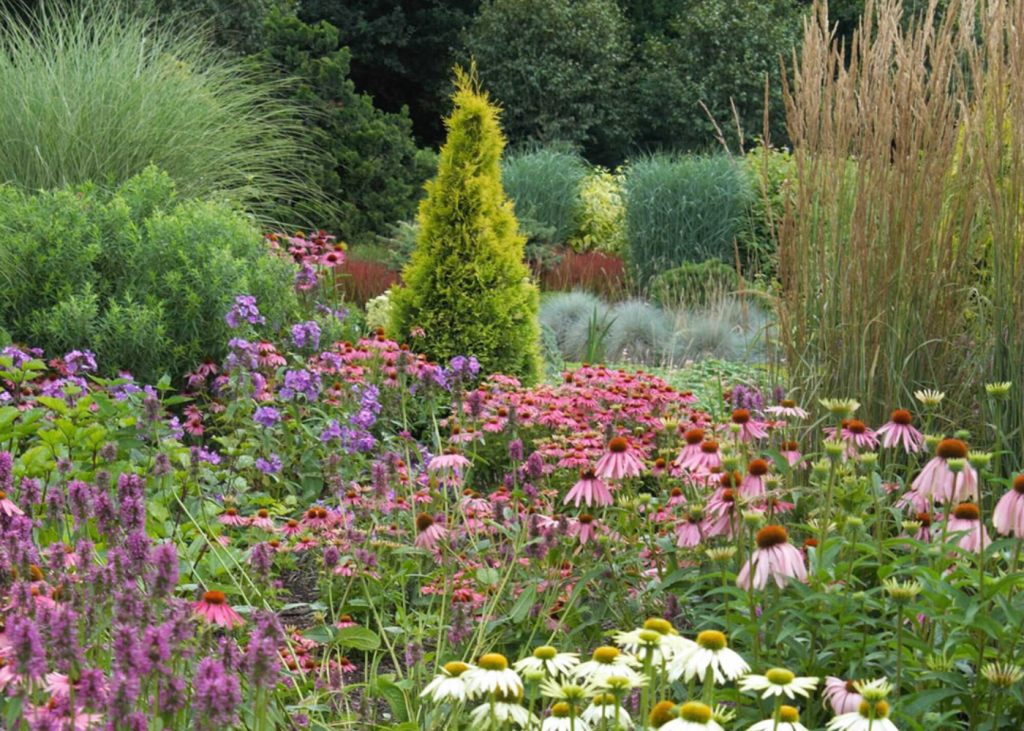
Your gardening footprint does not have to adhere to traditional designs. Embracing native plants is another practical consideration. Native plants are typically more resilient to local pests and diseases, require less water and maintenance, and can adapt better to your climate, making them an essential choice for sustainable seasonal gardening. For instance, coneflowers, black-eyed Susans, and purple asters are excellent additions suitable for many regions, providing beauty throughout multiple seasons.
Furthermore, don’t overlook the role of garden hardscapes. Features such as paths, benches, and focal points like birdbaths or sculptures can enhance your design while maintaining functionality and accessibility. These elements can encourage exploration and create resting places to appreciate the surrounding beauty. Incorporating garden lighting is another effective way to extend the hours of enjoyment, showcasing your plants even after dark.
Ultimately, successful seasonal gardening involves harmonizing design principles with practical elements tailored to your local environment. As you embark on this creative journey, the interplay between planning and plant selection offers an opportunity to cultivate a stunning array of floral diversity that stands the test of time through each evolving season.
Embracing Year-Round Floral Harmony
In conclusion, the art of seasonal gardening transcends the simple act of planting; it is about orchestrating a melody of colors, textures, and fragrances that evolve through the seasons. By thoughtfully considering plant selection and garden design, you can create a landscape that not only captivates the eye but also nurtures the environment. Integrating native plants and sustainable practices enhances resilience, while innovative layering and vertical gardening optimize space and aesthetic appeal, ensuring that your garden remains vibrant throughout the year.
Each season offers unique opportunities to showcase different blooms, from the fresh awakening of spring flowers to the rich colors of autumn foliage. Incorporating hardscapes and thoughtful lighting can amplify your garden’s beauty, allowing for enjoyment even under the starlit sky. As you plan your garden, consider the emotional connections that various color schemes can evoke and the tranquil spaces created by diverse plant textures.
Ultimately, the journey into seasonal gardening is a dynamic one, rewarding the patient gardener with an ever-changing tableau that invites exploration and appreciation. By investing time and creativity into your garden, you become not only a gardener but also an artist, crafting a living canvas that celebrates nature’s cycles. Explore further into seasonal gardening techniques, embrace your local climate, and let your garden evolve with each passing season—delivering beauty and harmony all year round.