Art as a Form of Self-Knowledge: Navigating Emotions Through Creativity
The Role of Artistic Expression in Emotional Understanding
Art has been a vital means of self-exploration and emotional expression throughout human history. From the earliest cave paintings to contemporary installations, creative endeavors offer individuals the opportunity to engage deeply with their feelings. By immersing ourselves in artistic activities, we can peel back the layers of our emotional landscapes, revealing truths that might otherwise remain obscured.
Various forms of art, each with its own unique qualities, facilitate this introspective journey:
- Painting and Drawing: These mediums serve as an outlet for spontaneous emotional expression. For instance, an artist might choose vibrant colors to depict joy or darker hues to convey sadness, allowing viewers to resonate with shared feelings. Abstract art, in particular, can evoke deep emotional responses without the need for recognizable subjects, fostering a personal connection to the piece.
- Writing: Crafting stories or poetry invites individuals to articulate their experiences and emotions. Consider how memoir writing allows authors to navigate past traumas or joyful moments, transforming them into narratives that not only heal but also provide insight for others. The act of putting pen to paper can also enhance clarity, helping writers understand their psychological states better.
- Music: Whether through composition or performance, music is a profound means of expressing moods. Think about the way a simple melody can evoke nostalgia or a powerful anthem can stir feelings of empowerment. Genres such as blues and jazz often serve as vehicles for artists to channel their personal struggles and joys, connecting with audiences on a deeply emotional level.
- Dance: This physical expression of emotion allows individuals to communicate complex feelings without words. Through movement, dancers can portray joy, sorrow, anger, or love. For example, contemporary dance styles often reflect societal issues or personal challenges, enabling both the performer and the audience to engage in a shared emotional experience.
Engaging in artistic practices offers multiple benefits, enabling us to:
- Process emotions: Transforming feelings into tangible forms through art allows for a constructive release. When we create, we give substance to feelings that may otherwise overwhelm us.
- Build self-awareness: Art encourages us to recognize patterns in our emotional responses. By reflecting on what we create, we may uncover connections to our past experiences, leading to greater self-understanding.
- Find healing: Many individuals have turned to art as a therapeutic outlet for managing stress, depression, and trauma. Creative therapies, such as art therapy or music therapy, are widely utilized to help individuals heal from emotional wounds.
In this exploration of art as a means of self-knowledge, we unlock the transformative potential of creativity. By engaging with our emotions through artistic expression, we can cultivate resilience, gain clarity, and achieve a more profound understanding of ourselves. Whether one picks up a paintbrush, strums a guitar, or takes to the dance floor, the journey through art is not merely a pursuit of aesthetics but rather a vital road to emotional insight and personal growth.
The Transformative Power of Creative Engagement
The act of creating art serves as a profound avenue for self-discovery, allowing individuals to explore their intricate emotional worlds. Engaging in artistic practices not only helps in processing feelings but also enhances one’s ability to navigate personal challenges with greater insight. In recent years, psychological studies increasingly support the notion that art can function as a therapeutic tool, bridging the gap between emotional expression and self-awareness.
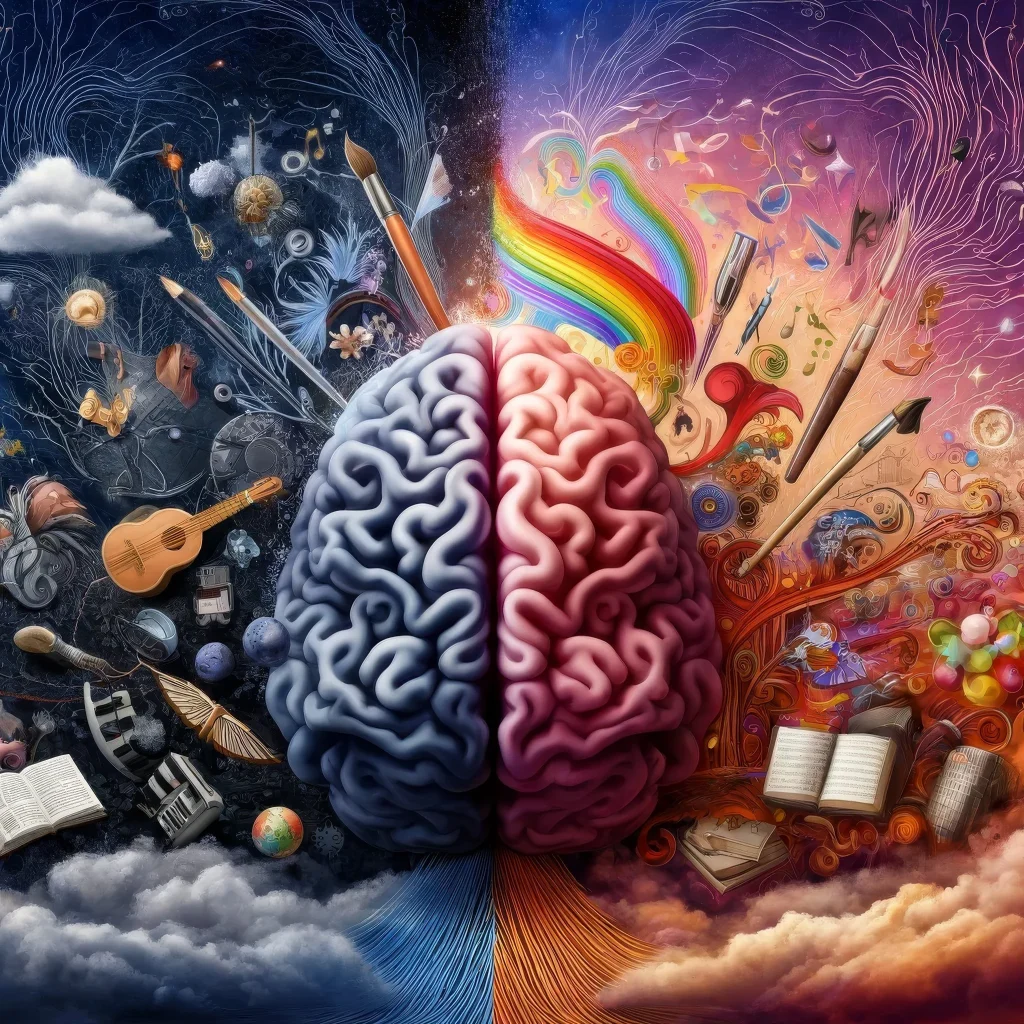
Research indicates that participating in creative activities can lead to numerous psychological benefits, including:
- Emotional Regulation: Artistic expression aids in managing emotions by providing a safe outlet for negative feelings. Creating art allows individuals a space where they can confront anxiety, sadness, or anger, enabling healthier coping mechanisms.
- Enhanced Emotional Intelligence: Through the process of engaging with different art forms, individuals can strengthen their capacity to recognize and understand their own emotions. This, in turn, fosters empathy toward others, enhancing social connections and relationships.
- Mindfulness and Presence: Many artists find that immersing themselves in creative tasks promotes a state of mindfulness, where they become fully absorbed in the moment. This presence can lead to reduced stress levels and increased feelings of peace, which is invaluable for mental health.
Across the United States, a growing recognition of art as a form of therapy can be seen through programs offered in schools, community centers, and even hospitals. These initiatives harness the transformative power of art to support various populations, from children dealing with trauma to adults in recovery from addiction. For instance, programs like The Art Therapy Project in New York City focus on empowering individuals through creative expression, offering workshops that explore themes such as grief, identity, and healing.
The Personal Journey of Artistic Exploration
Moreover, engaging in art can promote resilience by fostering a greater understanding of one’s life story. Every brushstroke, line of poetry, or musical note resonates with personal experiences, serving as a reflective mirror. This introspective journey often allows us to recognize patterns that shape our emotions and behavior. By journaling about these artistic endeavors or sharing them with others, individuals can further enhance their self-knowledge and emotional intelligence.
Art doesn’t merely serve as a means of distraction; it is an intricate pathway to deeper understanding and introspection. The exploration of our emotional landscapes through creativity can inspire profound personal insights, leading to enhanced clarity about our desires, fears, and aspirations. In the process, we come to realize that the act of creating is, in itself, a powerful statement of self-identity and an essential aspect of the human experience.
Exploring Emotions Through Various Artistic Mediums
Engaging in creative processes can unveil profound insights about one’s emotional landscape. Painting, for example, allows for the unrestricted expression of feelings, providing a visual outlet to explore the spectrum of human emotion. As colors blend on canvas, they can mirror the complexities of sadness, joy, or anxiety, enabling the artist to confront and understand these sensations. Art therapy is a prime example, where trained professionals guide individuals in utilizing art as a tool to navigate emotional challenges.
Writing as a Cathartic Process
Writing serves as another transformative means of self-discovery. Journaling or composing poetry offers a private arena to examine thoughts, facilitating self-reflection and emotional processing. When individuals put pen to paper, they often uncover hidden feelings and clarify the chaos swirling in their minds. Many find that creative writing workshops provide a supportive environment that encourages exploration and vulnerability, leading to remarkable self-awareness.
Music and Emotional Resonance
Music creation is another avenue where emotions are intricately woven into the fabric of melody and rhythm. Composing or playing music has been shown to evoke catharsis and connection; individuals can channel their emotions into sound, transmuting pain or joy into a form that resonates with others. Music not only facilitates a deeper understanding of one’s feelings but also invites audiences to engage in their emotional journeys, fostering shared experiences.
Movement as Expression
Dance and movement also serve as powerful expressions of emotional truth. Through the body, individuals communicate what words cannot. As dancers interpret their feelings through physicality, they explore the nuances of emotion in a visceral way, often leading to greater awareness and acceptance of their feelings. Programs that focus on dance therapy emphasize the healing potential of movement, combining creative expression with emotional healing.
How Creativity Affects Mental Health
Research has revealed that engaging in creative activities can significantly enhance mental well-being. The act of creating diverts focus from stressors and provides an opportunity for mindfulness, allowing individuals to immerse themselves fully in the present moment. This form of expression has been linked to reduced anxiety and depression, as it fosters a sense of accomplishment and increases overall life satisfaction.
Community and Connection
Furthermore, engaging in artistic endeavors often cultivates community. Shared creative experiences can strengthen social bonds and encourage a sense of belonging, which is crucial for emotional well-being. By participating in group projects or exhibitions, individuals find solace in knowing they are not alone in their journeys, creating connections that promote healing and understanding.
| Category | Advantages |
|---|---|
| Emotional Expression | Allows individuals to articulate their feelings through art, serving as a vital outlet for complex emotions. |
| Mental Health Benefits | Creative activities can alleviate symptoms of anxiety and depression, contributing to improved overall well-being. |
| Community Engagement | Art fosters social connections, creating supportive environments that enhance emotional resilience. |
Art as a Catalyst for Emotional Awareness
The journey through creativity often unveils insights that are stifled or overlooked in everyday life. Engaging with various art forms can act as a catalyst for emotional awareness, enabling individuals to confront feelings that they may not be actively processing. For many, the brush is more than just a tool; it becomes a confidant that helps articulate the inexpressible. By capturing raw emotions on canvas or through melody, artists can create a visual or auditory diary of their inner experiences.
One particularly illuminating aspect of artistic expression is its ability to facilitate narrative construction. Artistic endeavors allow individuals to craft stories surrounding their emotions, thereby reframing their experiences from a fresh perspective. This process can be incredibly healing, offering a platform to revisit trauma or challenges with the distance that art provides. As Dr. Kira Hudson Banks, a recognized expert in social psychology, notes, “When individuals create art, they give themselves the power to dictate the narrative of their lives, turning vulnerability into strength.”
Furthermore, art can serve as a powerful means of communicating complex emotions that may feel overwhelming when spoken aloud. Non-verbal expression through mediums such as dance, sculpture, or photography permits exploration without the constraints of language. For example, individuals participating in expressive therapy workshops often report that they find it easier to reveal their thoughts and emotions through creative activities rather than traditional therapeutic methods alone. This can be particularly beneficial for those who struggle with language due to cultural barriers or personal fears of judgement.
The Role of Community in Emotional Exploration
In addition to personal exploration, the communal aspect of art can amplify emotional navigations. Shared creative experiences, whether in an art class, a community theater, or within a drum circle, promote the cultivation of relationships that foster emotional connectivity. Participants learn not only from their personal journeys but also from witnessing the expressions of others. This shared vulnerability can further deepen empathy and understanding among individuals, creating a supportive environment conducive to healing.
New research on community-based art programs highlights their effectiveness in addressing mental health issues. Initiatives like Art for Change encourage collaboration among marginalized groups, providing them with the resources needed to express their stories through art. The program emphasizes that communal creativity can transform pain into collective resilience, showcasing how collaboration enhances emotional understanding and empathy.
Moreover, the rise of digital platforms has expanded access to art creation and appreciation, allowing individuals to share their works instantaneously with a broader audience. Platforms such as Instagram and Pinterest have become artscapes where personal expressions not only gain recognition but can evoke conversations around mental health and emotional well-being. This newfound visibility not only normalizes discussions about emotions but also reminds creators that their experiences resonate with others, thus enhancing their self-knowledge.
As individuals navigate their emotional landscapes through the lens of creativity, they also become part of a broader narrative that emphasizes healing, connection, and self-awareness. This fusion of personal and communal exploration through art offers a transformative pathway, allowing both individuals and collectives to thrive emotionally and psychologically.
Conclusion: Embracing Art for Emotional Discovery
In summary, the exploration of art as a means of self-knowledge provides a fascinating pathway for individuals to navigate their emotions. By engaging in creative practices, people can unlock profound insights that contribute to their emotional awareness, facilitating a deeper understanding of themselves and their experiences. Art fosters a unique space where individuals can articulate complex feelings that may otherwise remain unaddressed, turning the act of creation into a powerful tool for healing and reflection.
Moreover, the communal aspect of artistic expression amplifies this journey, allowing shared experiences that cultivate empathy and emotional connectivity. Programs like Art for Change illuminate the transformative potential of collective creativity, showcasing how collaboration can enhance emotional understanding within diverse communities. The rise of digital platforms further accelerates this movement, breaking down barriers and encouraging dialogue about mental health and emotional well-being.
Ultimately, as we embrace art in its myriad forms—from painting to dance, from theater to digital media—we are not just creating; we are exploring the depths of our humanity. This process not only enriches our self-knowledge but also establishes a dialogue with others who resonate with our experiences. As we continue to navigate the complexities of our emotions through creativity, we uncover a shared narrative of resilience and connection that is vital in today’s world. Therefore, embracing art is not merely an act of creation; it becomes a journey of self-discovery and an invitation for others to embark on their own paths of emotional exploration.