
Cultivating Sensory Gardens: The Importance of Visual, Tactile, and Olfactory Elements

Understanding the Power of Sensory Gardens
In an age where technology often overshadows the natural world, sensory gardens stand as a testament to the restorative powers of nature. Intended to engage visitors through the senses, these gardens create immersive environments that go far beyond mere visual pleasure. They invite us to touch, smell, and truly experience the world around us, inviting every visitor to find solace and joy in genuine interaction with the outdoors.
Elements of a Sensory Garden
Visual stimulation is a cornerstone of sensory gardens. From the bright yellows of sunflowers waving in the breeze to the deep blues of forget-me-nots, the garden’s palette can inspire all who enter. Garden designers often incorporate various plants that bloom at different times throughout the seasons to ensure there is always a feast for the eyes. For example, geraniums can burst into bloom in early spring, while asters can take center stage in the fall, creating a continuously evolving visual landscape.
Tactile experiences are equally vital. Consider the soft touch of lamb’s ear and the textured feel of rough tree bark or pebble pathways. These elements invite exploration, especially for children who are naturally curious about their environment. Incorporation of surfaces such as sand, wood chips, and smooth stones provides a rich tapestry of textures that can soothe or excite. Garden features like fountains and water features also add a unique tactile element, as visitors can feel the cool mist and the splashes of water.
Moreover, olfactory elements play an essential role in creating a memorable sensory garden. Plants such as lavender, with its calming scent, or mint, which can invigorate the senses, engage our noses and evoke emotions or memories linked with those fragrances. Scented herbs not only enhance the sensory experience but also serve functional purposes—imagine the thrill of picking fresh basil as you create a lovely dish, allowing the aromas to blend naturally with your culinary explorations.
Benefits Beyond Beauty
The psychological impact of sensory gardens cannot be overstated. Numerous studies indicate that spending time in nature can significantly reduce stress levels, enhance mood, and contribute to an overall sense of well-being. In particular, individuals suffering from conditions like anxiety or depression may find solace in these serene landscapes. Furthermore, sensory gardens promote inclusivity. They are especially beneficial for individuals with sensory processing disorders, making them ideal learning environments for children who may interact differently with their surroundings.
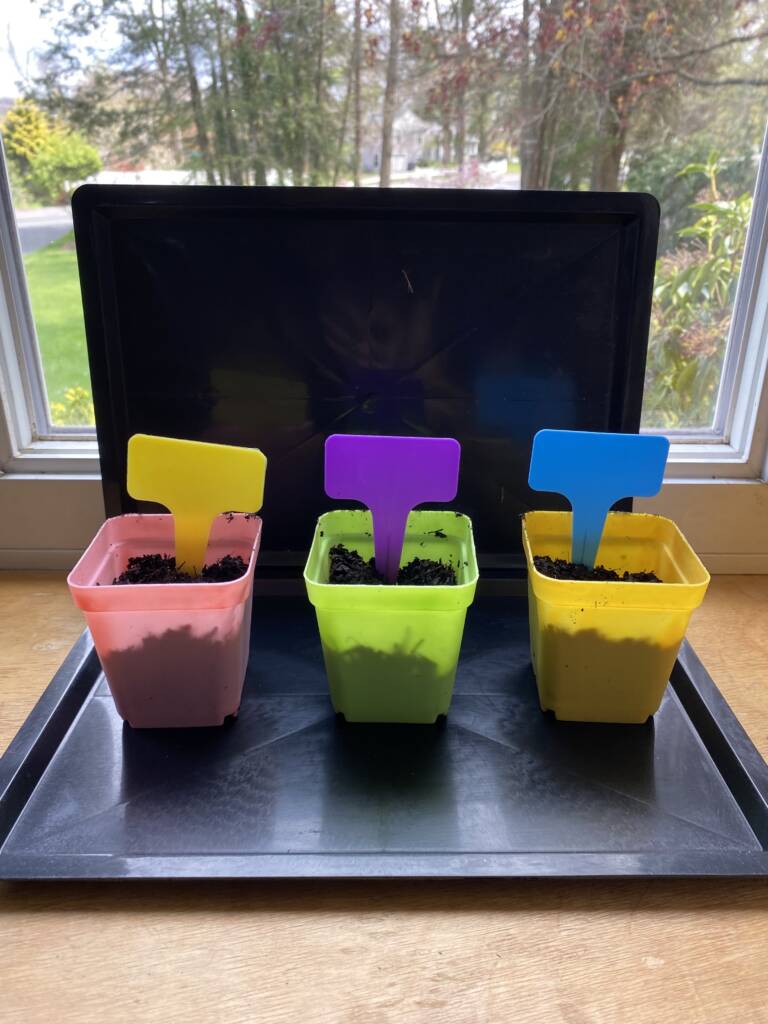
Educationally, sensory gardens can sparkle the curiosity of all ages. They serve as interactive classrooms where visitors can learn about the lifecycle of plants, the importance of biodiversity, and even the role of pollinators in our ecosystem. Teachers and caregivers can utilize these gardens for hands-on activities that make learning about science both tangible and enjoyable.
In conclusion, sensory gardens offer a multi-dimensional experience that engages visitors in ways that are essential for both mental health and education. They emphasize the need to reconnect with nature in a world dominated by screens, inviting us to explore and savor every facet of our environment. As we continue to embrace and develop these gardens across the United States, they stand to remind us of the beauty that exists all around us, waiting to be discovered with every sense.
Exploring the Visual Elegance of Sensory Gardens
The brilliance of visual elements in a sensory garden can often be its most striking attribute. Utilizing colors, shapes, and patterns, these gardens create a stimulating vista that attracts visitors of all ages. Garden designers prioritize vivid blooms, foliage variations, and even structural components like arches and trellises to capture attention and foster connection. A well-planned sensory garden will display an array of plant heights, textures, and seasonal transitions, allowing guests to journey through scenes that shift with the passage of time.
Consider incorporating the following visual elements to enhance your sensory garden experience:
- Color Schemes: Bright red geraniums, cheerful yellow marigolds, and calming blue delphiniums can be strategically planted to create pleasing contrasts and harmonious arrangements.
- Seasonal Blooms: By selecting plants that flower in different seasons, your garden remains vibrant and engaging year-round. For instance, consider planting tulips for springtime splendor and transitioning to dahlias as summer comes to a close.
- Unique Foliage: Focusing on plants with interesting leaves can add a new dimension. Varieties like the purple Japanese maple or the textured leaves of hostas can create rich visual layers.
The power of tactile elements in sensory gardens cannot be ignored. Opportunities to touch and interact with plants foster a deeper connection for visitors. Imagine running your fingers through the soft, velvety leaves of lamb’s ear or feeling the prickly fruits of a cactus. The inclusion of diverse plant textures not only caters to touch but also invites exploration and curiosity, particularly in children.
Common tactile elements often found in sensory gardens include:
- Varied Plant Textures: Incorporate a mix of fuzzy, rough, and smooth plant surfaces to engage the sense of touch.
- Paths of Natural Materials: Using gravel, wood chips, or mulch creates distinct sensations underfoot that makes for an engaging walking experience.
- Interactive Features: Add elements like sandboxes or sculptural pieces that encourage play and interaction to enrich the tactile journey.
Olfactory experiences add another layer of enchantment to sensory gardens. The aromatic qualities of various plants can elicit powerful memories and emotions, making the experience even more profound. Scent can be a powerful tool, transforming a garden into a space of rejuvenation and tranquility.
In general, plants rich in fragrance include:
- Herbs: Clusters of basil, rosemary, or thyme offer not only a delightful scent but also the potential for culinary exploration.
- Flowers: Blooms such as jasmine and honeysuckle are not only visually appealing but also possess strong, sweet aromas that enrich the atmosphere.
- Foliage: Leaves of the eucalyptus, with their refreshing aroma, can provide a unique sensory experience that combines both visual and olfactory elements.
As we dive deeper into the multifaceted design of sensory gardens, it becomes clear that these spaces transcend mere aesthetics, inviting a full engagement with nature through visual, tactile, and olfactory elements.
| Element | Advantages |
|---|---|
| Visual | Creates stunning landscapes that enhance mental well-being and stimulate creativity. |
| Tactile | Encourages sensory exploration, which is essential for sensory development and relaxation. |
| Olfactory | Aromatherapy benefits that can alleviate stress and promote a calming atmosphere. |
In sensory gardens, every element plays a vital role in enhancing the visitor’s experience, creating a harmonious environment that engages all five senses. The visual aspect encompasses not only the arrangement of plants but also the selection of colors, shapes, and textures that create an inviting atmosphere. This vibrant diversity can greatly improve mental well-being by fostering creativity and mood enhancement.Meanwhile, the tactile features of the garden invite visitors to touch various surfaces, from the smoothness of leaves to the roughness of tree bark. Such interactions can stimulate sensory development, providing both physical and emotional comfort. For individuals with sensory processing disorders, these tactile engagements can serve as vital therapy, promoting relaxation and grounding.In addition, the olfactory components play an equally important role in how one experiences a sensory garden. The right scents—like lavender, mint, or citrus—can have remarkable effects on mood and stress levels, leveraging the brain’s connection to scent for therapeutic purposes. Through thoughtfully structured sensory gardens, individuals are not only encouraged to explore their surroundings but also to connect deeply with nature, paving the way for mental clarity and emotional balance.
Engaging the Senses: The Power of Tactile and Olfactory Experiences
The incorporation of tactile experiences in sensory gardens not only enhances the atmosphere but also serves an educational purpose. Children and adults alike can develop a newfound appreciation for nature through direct interaction. The feeling of various plant textures encourages visitors to explore their surroundings and participate in discovery. For instance, plants like lamb’s ear (Stachys byzantina) have fuzz-covered leaves that invite touch, while the smooth surface of a bamboo stalk can inspire curiosity about plant growth and structure.
To enhance the tactile experience in your sensory garden, you might want to integrate additional elements:
- Seasonal Installation: Incorporating seasonal items like soft, fluffy blankets or colorful pillows can change the tactile dimensions of the space and allow people of all ages to relax and enjoy the environment.
- Engaging Tools: Consider including garden accessories such as textured wind chimes or bells that not only enhance sound but also provide a tactile experience through different materials such as metal and glass.
- Garden Stations: Creating small creative zones with clay, sand, or mud allows visitors to engage hands-on with these materials, reinforcing their connection to the natural elements.
Moving beyond touch, the olfactory elements found in sensory gardens have the remarkable power to evoke emotions and recall memories. A simple whiff of a fragrant flower can transport someone back to cherished moments, like childhood summers spent playing outside. These olfactory experiences can even help with mental well-being, providing a calming effect in a world often filled with stress.
In designing an olfactory-rich landscape, the following plant options should be considered:
- Fragrant Climbers: Encouraging the growth of climbing plants like sweet peas or honeysuckle on trellises allows visitors to enjoy scents while exploring vertical aspects of your garden.
- Essential Oils from Plants: Plants like lavender and mint not only invite smell but can also be harvested for their essential oils. Such herbs are often used in aromatherapy, which can enhance relaxation and contribute to mental clarity.
- Scented Ground Covers: Low-growing plants like creeping thyme and chamomile can release delightful scents when stepped upon, ensuring that every visit is filled with aromatic surprises.
Both tactile and olfactory elements play vital roles in crafting a multi-layered sensory experience. While the visual allure captures attention, these additional dimensions create a rich tapestry that engages visitors on multiple levels. Incorporating a range of textures and scents allows a sensory garden to become not just a place of beauty, but a sanctuary of exploration and emotional connection. Ultimately, designing with all senses in mind fosters an environment where people can engage, discover, and reflect—a true testament to the power of nature in cultivating human experiences.
Creating a Holistic Sensory Experience
In conclusion, cultivating sensory gardens goes beyond mere aesthetics; it creates immersive experiences that engage all our senses. The interplay of visual, tactile, and olfactory elements form a symphony that captivates, educates, and soothes those who enter this unique landscape. By selecting a diverse array of plants that offer visual appeal through vibrant colors and forms, combined with textures that invite touch and fragrances that evoke memories, these gardens serve as powerful tools for connection—to nature, to one another, and to ourselves.
The importance of creating spaces that are not only visually stunning but also rich in interactive experiences cannot be overstated. Sensory gardens enhance mental well-being, promote mindfulness, and inspire curiosity, thus allowing visitors of all ages to explore and engage with the natural world in meaningful ways. Furthermore, they play a crucial role in educational settings, fostering environmental stewardship and facilitating discussions about biodiversity.
As urban landscapes increasingly dominate our surroundings, the need for restorative spaces becomes vital. A well-designed sensory garden acts as a sanctuary amid the hustle of daily life, providing a haven for relaxation and reflection. Whether in a public park, a schoolyard, or one’s backyard, the inclusion of sensory elements can transform ordinary garden spaces into extraordinary retreats. Therefore, as we venture into the future of landscape design, let us commit to prioritizing the cultivation of sensory gardens—spaces that inspire wonder and contribute to a more connected and harmonious world.