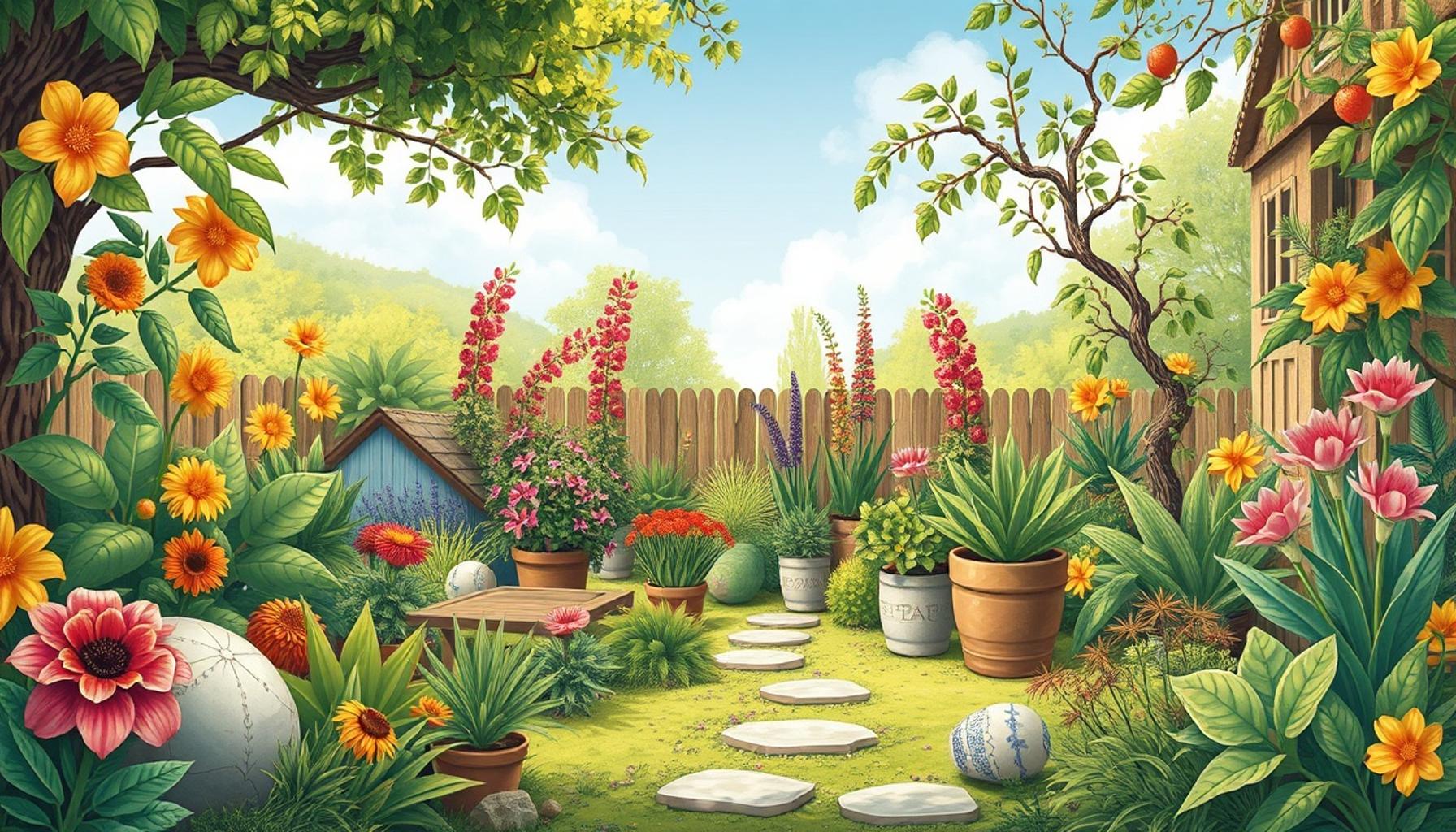
Adventure Gardening: How to Transform Your Backyard into a Wildlife Sanctuary

Discover the Joy of Adventure Gardening
Transforming your backyard into a vibrant wildlife sanctuary is more than just a gardening project—it’s an adventure. Imagine your space teeming with various species, from colorful butterflies flitting about to small birds chirping melodically. This is not only beneficial for wildlife, but also a rewarding experience for you. By engaging with nature in this way, you cultivate a deeper appreciation for the ecosystem and your role in it.
Why Create a Wildlife Sanctuary?
Gardening with wildlife in mind promotes biodiversity and provides essential habitats. Here are a few compelling reasons to consider:
- Support Local Wildlife: Implementing a wildlife sanctuary offers creatures a safe haven. For instance, planting native species can attract pollinators like honeybees and bumblebees, crucial for maintaining the health of your local ecosystem.
- Enhance Biodiversity: A diverse garden can support unique ecological interactions. For example, introducing bird-friendly plants can foster relationships between different species, benefiting both plants and animals by promoting symbiotic relationships.
- Beautify Your Space: A well-planned wildlife garden will enhance aesthetics through lush greenery and vibrant colors. Consider the transformation when a once plain yard blooms with native wildflowers and ornamental grasses, creating visual interest year-round.
Adventure gardening encourages exploration and creativity in your planting choices. It invites you to incorporate native plants, such as coneflowers and black-eyed Susans, and create features like water sources, shelters, and gardens that attract pollinators. Additionally, emphasizing sustainable practices, like using organic gardening methods and rainwater harvesting, can further enhance your garden’s ecological value.
Getting Started
Starting this exciting journey doesn’t have to be overwhelming. Focus on:
- Choosing native plants appropriate for your region, such as Eastern Redbuds in the East or California Lilacs in the West, which require less water and maintenance.
- Creating diverse habitats, such as rock piles or brush heaps. These structures provide shelter for small mammals and beneficial insects, promoting a more dynamic environment.
- Incorporating water features, like birdbaths or small ponds, for hydration. This not only draws in birds but can also create a unique ecosystem of frogs and beneficial insects.
Are you ready to dive into adventure gardening? Understanding the needs of local wildlife and taking small steps can lead to significant results. Let’s explore how to make your outdoor space a thriving wildlife sanctuary, while also cultivating a personal oasis that reflects your passion for nature!
Planning Your Wildlife Sanctuary
Before you transform your yard, take time to plan effectively. Assessing the unique qualities of your backyard is crucial to creating a successful wildlife sanctuary that will thrive. Start with a comprehensive evaluation that includes factors such as sunlight exposure, soil type, and existing vegetation. Understanding these elements allows you to tailor your garden to the needs of local wildlife, ensuring a harmonious coexistence between nature and your garden design.
Selecting the Right Plants
One of the most critical steps in adventure gardening is choosing the right plants. Native plants, which are adapted to your local climate and soil conditions, are essential for attracting wildlife. They provide food and shelter for various species, from insects to birds:
- Pollen-rich flowers: Consider flowering plants like milkweed, which is a host for monarch butterflies, and goldenrod, perfect for supporting bees.
- Fruit-bearing plants: Plant berry-producing shrubs such as serviceberry and elderberry to attract birds and small mammals while offering a tasty treat.
- Shade and shelter: Trees like oak and flowering dogwood not only beautify your landscape but also serve as nesting sites for numerous bird species.
Incorporating a mix of these well-suited plants into your garden allows you to create a balanced ecosystem, ultimately encouraging a more diverse range of wildlife. Moreover, selecting plants that bloom at different times throughout the growing season will ensure that pollinators and other wildlife have a continuous food source.
Creating Refuge and Nesting Sites
Beyond plants, consider the various structures and features you can add to your backyard that will serve as refuge and nesting sites for wildlife. Your garden should resemble a natural habitat as closely as possible. Here are some ideas to consider:
- Birdhouses: Installing birdhouses in different styles and sizes can attract a variety of bird species. Select designs based on the birds native to your area.
- Bee hotels: These are specially designed structures that provide solitary bees with nesting spots. They come in various shapes and sizes and can be an exciting DIY project.
- Natural mulching: By leaving some fallen leaves or creating brush piles, you offer shelter to small mammals, reptiles, and insects, fostering a healthy and intricate food web.
Cultivating a safe environment for wildlife not only benefits them but enriches your experience as a gardener. As you observe different creatures flocking to your garden, you will develop a profound connection with nature that inspires further exploration and knowledge.
Creating Water Sources
Water is essential for all life forms, and incorporating water features into your garden is a vital step toward attracting wildlife. Consider the following options:
- Birdbaths: Simple yet effective, birdbaths create a refreshing spot for birds to hydrate and bathe, making your garden a popular stop.
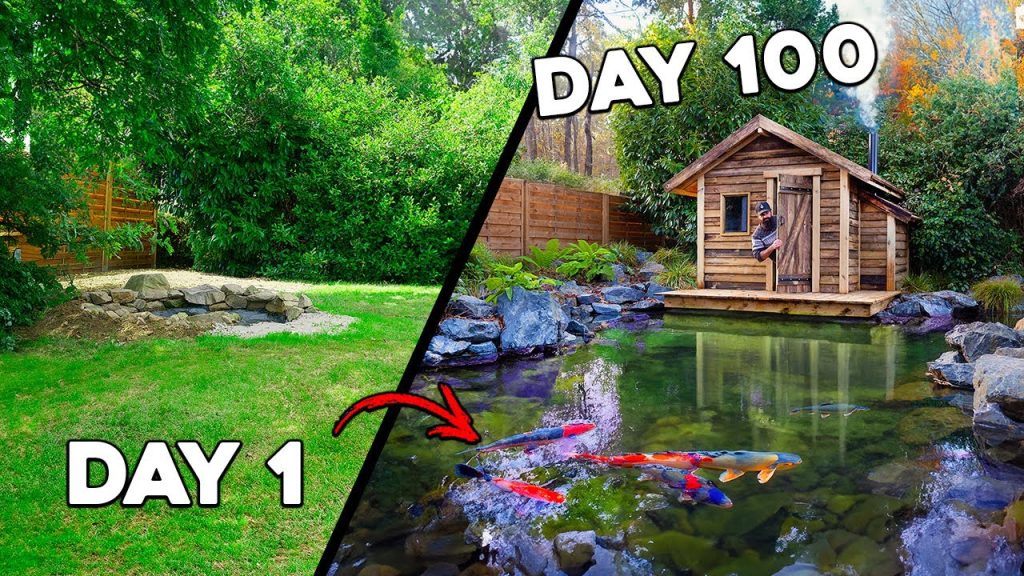
- Small ponds: A well-designed pond not only serves as a water source but also attracts frogs, dragonflies, and beneficial insects, enriching your garden’s biodiversity.
- Watering holes: Even simple containers filled with water and pebbles can support thirsty pollinators and insects, offering them a safe place to drink.
Water sources not only provide hydration but can enhance the overall aesthetic of your garden. Not to mention, they play a crucial role in sustaining the wildlife you aim to attract.
Enhancing Biodiversity with Adventure Gardening
Adventure gardening offers an exhilarating opportunity to not only beautify your backyard but also to foster a vibrant ecosystem. By incorporating diverse plant species, you can create habitats that support various wildlife, thereby increasing biodiversity. Native plants are particularly effective since they are well-adapted to local conditions, requiring less maintenance and providing essential food sources for local fauna. For instance, flowering plants such as echinacea and milkweed attract pollinators like bees and butterflies, while berry-producing shrubs can provide nourishment for birds and small mammals.The choice of plants is crucial in designing a wildlife sanctuary. Consider establishing a mix of perennials, annuals, and shrubs to ensure that there is always something blooming throughout the year. Additionally, creating layers of vegetation—from ground covers to tall trees—can offer shelter and nesting spots for various species. Adventure gardening allows you to engage in exciting experiments with plant combinations, encouraging you to learn and adapt as you observe which species thrive in your unique environment.Introducing water features, such as bird baths or small ponds, can further enhance your backyard wildlife sanctuary. These elements not only provide hydration but also attract a diverse range of animals, from birds to beneficial insects. The presence of water draws wildlife close, creating opportunities for observation and interaction. With the right features and plant selections, your garden can transform into an enchanting refuge for wildlife and a personal oasis for you and your loved ones.
Creating Sustainable Practices
Sustainability is a cornerstone of adventure gardening, allowing you to create a sanctuary that thrives in harmony with nature. Implementing organic gardening techniques, such as composting and natural pest control, reduces your ecological footprint while enhancing soil fertility. Composting kitchen scraps not only minimizes waste but also enriches your garden soil, promoting healthy plant growth. Moreover, encouraging natural predators like ladybugs and lacewings can help control pests without the need for chemical interventions, making your garden a truly eco-friendly space.Consider incorporating rain gardens or xeriscaping techniques that utilize drought-resistant plants to conserve water. These practices are particularly advantageous in areas prone to drought, as they allow for sustainable gardening without the need for excessive irrigation. By focusing on native and adaptive species, you can reduce water use while creating a resilient habitat that withstands environmental changes.Adventure gardening extends beyond just growing plants; it’s about cultivating an environment where nature flourishes. By embracing sustainable practices and educating yourself on local ecology, you can create a wildlife sanctuary that not only provides beauty and enjoyment but also contributes meaningfully to the conservation of local ecosystems. As you embark on this rewarding journey, you’ll find that each step opens up new realms of discovery, uniting your passion for gardening with a commitment to preserving the planet.
Nurturing a Thriving Ecosystem
Creating a successful wildlife sanctuary goes beyond planting and structure; it requires a commitment to nurturing a diverse ecosystem. By understanding natural processes and actively engaging with your garden, you can foster an environment that not only attracts wildlife but also sustains them.
Encouraging Beneficial Insects
Insect populations are vital for a thriving garden, serving as pollinators and natural pest controllers. To attract beneficial insects, consider the following:
- Pollinator-friendly plants: Adding plants that produce nectar and pollen, such as catmint and lavender, can draw in bees, butterflies, and other pollinators, creating a buzz of activity in your garden.
- Minimizing pesticides: To maintain a healthy insect population, try using organic gardening practices that reduce or eliminate pesticide use. This contributes to a more balanced ecosystem by allowing natural predators like ladybugs and lacewings to thrive.
- Habitat diversity: Incorporating a variety of plant heights and structures presents different microhabitats, supporting various insect species. Having areas of dense foliage alongside open spaces enhances biodiversity.
By prioritizing beneficial insects, you create a garden that not only attracts wildlife but simultaneously self-regulates pest populations while promoting flowering plants’ health.
Engaging with Soil Health
The foundation of any successful garden is healthy soil. Healthy soil supports robust plant growth and serves as a habitat for countless organisms. To boost your soil’s vitality, consider these techniques:
- Composting: Create a compost pile using kitchen scraps and yard waste. This not only returns nutrients to the soil but also provides habitat for earthworms and beneficial microorganisms that contribute to plant health.
- Mulching: Organic mulch, like straw or wood chips, can help retain soil moisture, suppress weeds, and provide habitat for soil fauna, ensuring a well-rounded ecosystem.
- Cover crops: In the off-season, plant cover crops such as clover or rye to improve soil structure and prevent erosion. These crops can enhance soil nutrients and contribute to wildlife-friendly practices.
By prioritizing soil health, you ensure a thriving environment for your plants, ultimately attracting wildlife that depends on those plants for food and shelter.
Observing and Adapting
Once your backyard sanctuary is established, routine observation is essential for understanding its evolving dynamics. Every season brings changes in wildlife patterns and plant growth, which allows you to adapt and enhance your sanctuary continually:
- Wildlife monitoring: Keep a journal or take photographs of the various species that visit your garden. Not only does this create a wonderful record, but it also provides insight into which plants and structures are most effective in attracting wildlife.
- Seasonal adjustments: Evaluate your garden’s layout with every season. Notice how wildlife interacts with your plants, and consider adding or rotating species to encourage ongoing attraction and balance.
- Community involvement: Join local gardening forums, wildlife clubs, or conservation organizations to learn new techniques and share your findings with others engaged in similar pursuits.
Your wildlife sanctuary is a living, breathing entity that requires ongoing care and adaptation. By engaging with your garden thoughtfully and actively, you can deepen your connection with nature while creating a safe haven for diverse wildlife.
Conclusion: Cultivating Harmony with Nature
Embarking on the journey of adventure gardening to transform your backyard into a vibrant wildlife sanctuary is not only rewarding but also a critical step towards fostering environmental stewardship. By creating an engaging habitat rich with diverse plants and mindful practices, you serve as a protector of countless species, from fluttering butterflies to chirping birds, each playing a role in the intricate web of life.
As explored in this article, nurturing a thriving ecosystem begins with a deep understanding of the natural processes at play. Encouraging beneficial insects and prioritizing soil health lays the foundation for a flourishing garden, while active observation and adaptation allow you to fine-tune your sanctuary over time. This dynamic process invites a plethora of wildlife into your outdoor space, contributing to both biodiversity and ecological balance.
Moreover, your backyard sanctuary acts as a haven not only for wildlife but also for your well-being. Spending time in a garden teeming with life provides relaxation, inspiration, and a profound connection to the environment. As you share your experiences and learn from others, you contribute to a larger movement advocating for sustainable practices that benefit both human and wildlife communities.
So, as you dig into the soil, plant new seedlings, and witness nature unfold its beauty, remember that every small step you take towards adventure gardening enriches our planet. Embrace the challenge and joy of creating a thriving wildlife sanctuary, and make a difference—one backyard at a time.