The Connection Between Memory Exercises and Aging: Staying Sharp as You Age
Exploring Cognitive Resilience Across the Lifespan
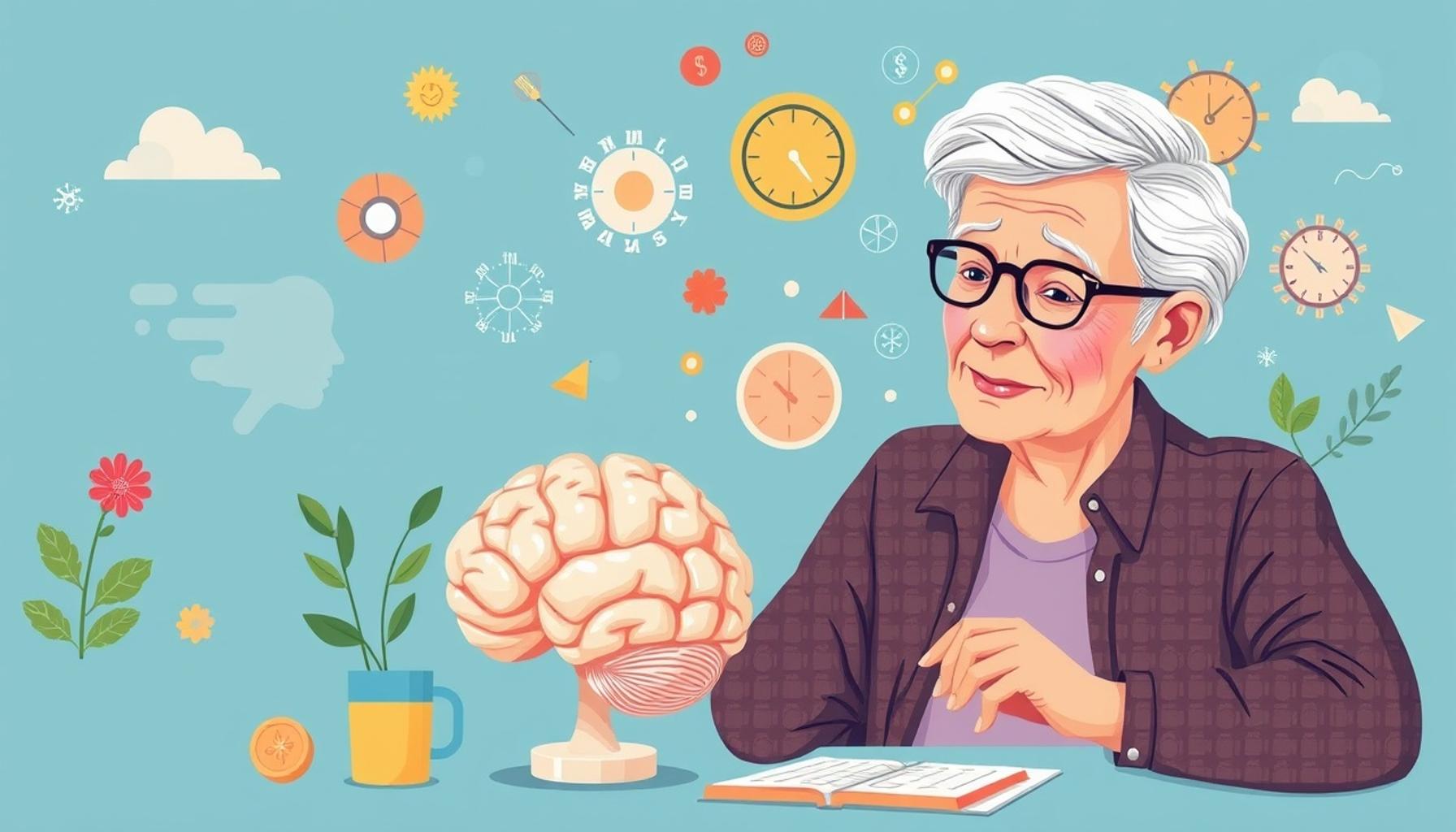
As individuals progress through the stages of life, the importance of maintaining cognitive function becomes a critical concern. A multitude of studies emphasizes that engaging in memory exercises can significantly support brain health, offering a pathway to stave off cognitive decline. The relationship between mental stimulation and aging may indeed be the cornerstone of preserving mental sharpness.
Here are some key concepts to consider:
- Neuroplasticity: This refers to the brain’s remarkable ability to reorganize itself. Neuroplasticity allows for the formation of new neural connections, enabling the brain to adapt in response to learning experiences or injury. For instance, older adults who learn a new skill, such as playing a musical instrument or engaging in a new language, can foster this adaptability.
- Memory training: Activities like crossword puzzles, Sudoku, and memory card games have been shown to delay cognitive decline. Research from the University of California, Los Angeles has found that older adults who engage in activities that challenge their brain can enhance their memory and overall cognitive performance. Regular reading and problem-solving also contribute positively to mental acuity.
- Social engagement: Maintaining an active social life by participating in group activities not only fosters friendship but also enhances cognitive stimulation. Whether it’s joining a book club, participating in community events, or enjoying board games with friends, social interactions provide the mental exercises necessary for cognitive health.
In fact, robust evidence supports that seniors who regularly engage in these activities demonstrate better cognitive function than their more sedentary counterparts. For example, a study published in the *Journal of Gerontology* found that seniors with a rich social network showed slower cognitive decline compared to those who were more isolated. This highlights the profound impact of lifestyle choices on cognitive health.
This article delves into the complex relationship between memory exercises and aging, offering insights into effective techniques for nurturing brain health. By integrating stimulating activities into daily routines, individuals can ensure their minds remain as vibrant as their spirits, demonstrating that age is merely a number when it comes to cognitive vitality.
DIVE DEEPER: Click here to learn more
The Science of Memory Exercises and Brain Health
As we age, our brains undergo various changes, some of which can lead to cognitive decline. However, the growing body of research indicates that engaging in memory exercises can significantly bolster our cognitive reserves. The essence of this connection lies in understanding how mental activities influence the brain’s functionality. Memory exercises keep the cognitive wheels turning and promote neurogenesis, which is the process of forming new neurons in the brain. This is paramount not just for memory retention, but also for overall cognitive abilities.
Memory exercises come in various forms, each offering distinct challenges that cater to different cognitive functions. Here are some popular types of memory-enhancing activities:
- Pattern Recognition Games: Games like memory match cards or Simon challenge players to remember sequences and patterns, enhancing both short-term and long-term memory.
- Creative Writing: Writing down personal stories or even engaging in poetry can help stimulate the brain’s creativity and memory pathways. This brings a double benefit: the joy of self-expression paired with cognitive engagement.
- Mind Mapping: This technique involves organizing information in a visual format that reflects how different concepts relate. Not only does it help in retaining facts, but it enhances problem-solving skills too.
- Puzzles and Strategy Games: Engaging in crossword puzzles, chess, or even computer-based strategy games challenges mental agility and strategic thinking, essential components of cognitive health.
The diversity of these activities indicates that individuals can tailor their cognitive engagements to their interests and abilities, ensuring that these exercises remain enjoyable. Consistency is key, as even short daily sessions can lead to significant improvements over time. The *American Journal of Geriatric Psychiatry* recently published a study that reinforces this view, reporting that older adults who engaged in memory activities for just 15 minutes a day experienced a 30% improvement in memory function over six months.
Furthermore, it’s important to view cognitive health as a holistic endeavor. Alongside memory exercises, incorporating elements of physical activity and a balanced diet can further enhance brain health. Regular exercise promotes blood flow to the brain, supporting neuroplasticity and improving mood, while a nutrient-rich diet contributes vital resources for brain function. Interestingly, the Mediterranean diet, characterized by its abundance of fruits, vegetables, whole grains, and healthy fats, has been linked to slower cognitive decline among seniors.
Bringing together physical health and cognitive exercises serves as an effective strategy against aging. This multifaceted approach offers a promising outlook for older adults who are striving to maintain their mental acuity. In the following sections, we will delve deeper into how social interaction and emotional well-being intertwine with cognitive exercises, unveiling a comprehensive framework for staying sharp as you age.
The Role of Memory Exercises in Cognitive Health
Memory exercises play a crucial role in maintaining cognitive health as individuals age. Engaging in activities that challenge the brain not only helps strengthen neural connections but also promotes the generation of new neurons, a process known as neurogenesis. This is particularly vital as older adults may experience a natural decline in cognitive functions. Studies have shown that those who regularly participate in memory-enhancing activities, such as puzzles, crosswords, or memory games, tend to exhibit better retention abilities and overall mental agility. As we delve into the types of memory exercises, one interesting category involves “cognitive training programs.” These structured activities are designed specifically to enhance various cognitive skills—including attention, memory, and problem-solving. Many of these programs can be found online or through mobile applications, providing easy access to tools for cognitive engagement at any age. Moreover, the effectiveness of these programs is often supported by scientific research, indicating that regular participation can lead to measurable improvements in cognitive performance.In addition to structured exercises, social interactions can also serve as powerful memory boosters. Engaging in conversations, participating in group activities, or simply sharing stories with friends not only promotes social bonds but also activates different areas of the brain. Such interactions encourage active thinking and memory recall, further contributing to cognitive resilience.Ultimately, the integration of memory exercises into daily routines offers a multidimensional approach to cognitive health. By combining various types of activities, older adults can not only enhance their memory capabilities but also enrich their emotional well-being—a key aspect of staying sharp as we age.
| Category | Advantages |
|---|---|
| Cognitive Training | Enhances memory and cognitive functions, resulting in better problem-solving skills. |
| Social Interaction | Stimulates the brain through conversations and shared experiences, boosting memory recall. |
By understanding and incorporating various memory exercises, we can forge a path toward improved cognitive health and enriched quality of life, fostering a proactive approach to aging gracefully.
DIVE DEEPER: Click here to discover more
Cognitive Engagement: The Role of Social Interaction and Emotional Well-Being
While individual memory exercises can create a robust cognitive reserve, the broader context of social interaction and emotional health is equally vital in fostering a sharp mind as we age. Various studies emphasize the correlation between active social engagement and improved cognitive abilities. Maintaining strong social ties, whether through friendships, family, or community activities, can provide mental stimulation that challenges the brain in unique ways.
Social interaction encourages dialogue and the exchange of ideas, which can enhance cognitive functions including memory and problem-solving skills. According to research published in the *Journal of Personality and Social Psychology*, older adults who regularly engage in social activities have a reduced risk of cognitive decline. In fact, the findings suggest that those who participate in social gatherings at least once a week experience a 20% reduction in the risk of memory loss compared to their more isolated peers.
Sharing stories, reminiscing, and participating in group activities also enhance emotional well-being. Emotional health has a profound influence on cognitive functions. Positive emotions can boost motivation, leading to more effort in memory-enhancing activities. Furthermore, feeling connected and valued within a community can reduce feelings of anxiety and depression, which are potential contributors to cognitive decline. As per a study published in *The American Journal of Geriatric Psychiatry*, older adults with an optimistic outlook are likely to maintain better memory function over time than their pessimistic counterparts.
Engaging in group-based memory exercises can be an effective synthesis of cognitive activity and social interaction. Options like book clubs, discussion groups, or memory care activities facilitate collaboration and encourage friendships while enhancing cognitive abilities. Moreover, programs such as *SilverSneakers* or community centers often offer brain fitness classes, combining physical and mental workouts that keep both body and mind sharp.
Incorporating emotional intelligence into memory exercises is also crucial. Activities such as journaling can improve self-awareness and emotional regulation, which contributes positively to cognitive functions. Research indicates that those who engage in reflective practices, like writing about personal experiences or gratitude, report improvements in both emotional and cognitive well-being. This dual focus on mental and emotional facets is integral to successfully navigating the challenges of aging.
On a technologically advancing front, the rise of virtual social platforms and apps is transforming how we engage with memory exercises and social interactions. Online games and puzzle platforms not only improve memory but also offer opportunities for collaboration with friends and relatives, making cognitive engagement accessible from the comfort of home. Many seniors are adopting video calls and interactive gaming sessions, creating a blended environment where learning, socializing, and exercise converge for optimal brain health.
The interplay of social interaction, emotional well-being, and memory exercises creates a multidimensional approach to maintaining cognitive health as individuals age. As we further explore ways to stay sharp, it becomes clearer that engaging with others while nurturing emotional health is foundational in the fight against memory decline.
DIVE DEEPER: Click here to uncover the secrets of AI problem-solving
Conclusion: Embracing a Multifaceted Approach to Aging Gracefully
As we conclude our exploration of the connection between memory exercises and aging, it becomes evident that maintaining cognitive vitality in later years is not solely about individual brain training. Instead, a multifaceted approach that intertwines memory enhancement with social interaction and emotional well-being plays a crucial role in combating the challenges of cognitive decline. Research consistently underscores the importance of staying socially active and emotionally connected, revealing that these connections significantly contribute to preserving memory and overall cognitive function.
The benefits derived from engaging in group memory exercises and social activities illustrate how our brains flourish in collaborative environments. Activities focusing on both thought-provoking challenges and interpersonal connections present an ideal recipe for cognitive resilience. Furthermore, technological advancements have made these opportunities more accessible, allowing people to engage in brain health routines from the comfort of their homes. This adaptability ensures everyone can partake in meaningful experiences, irrespective of physical limitations.
Ultimately, fostering a holistic lifestyle involving regular memory exercises, robust social networks, and emotional intelligence offers a profound pathway to not only retain memory as we age but to thrive. By celebrating each moment and investing in our cognitive and emotional health, we can pave the way for a vibrant, fulfilling aging process. The journey towards staying sharp as you age is not just about exercising the mind; it’s about enriching the heart and spirit, ensuring a well-rounded approach to aging gracefully.