How Crafting Can Improve Mental Health and Well-Being
The Therapeutic Benefits of Crafting
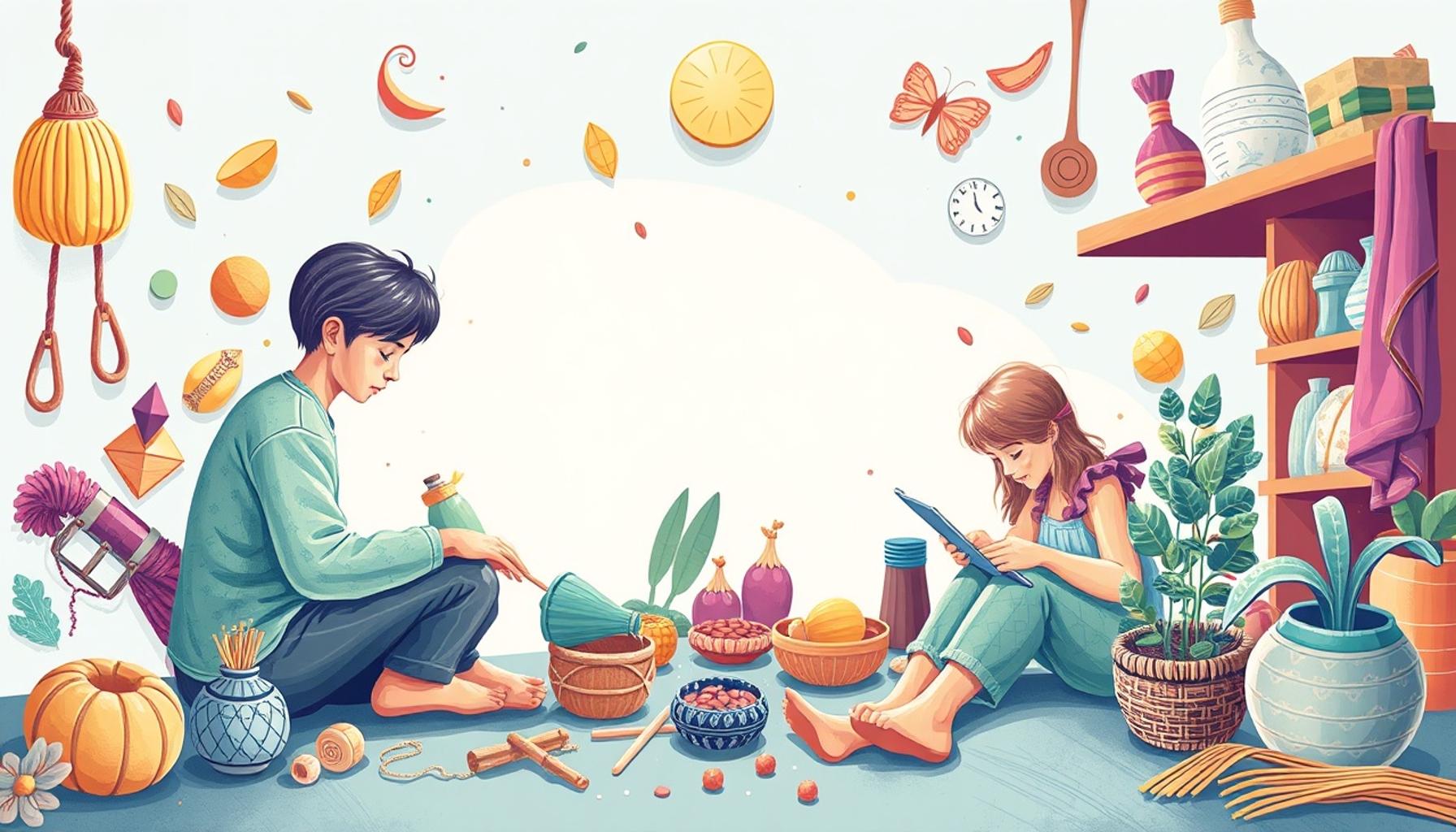
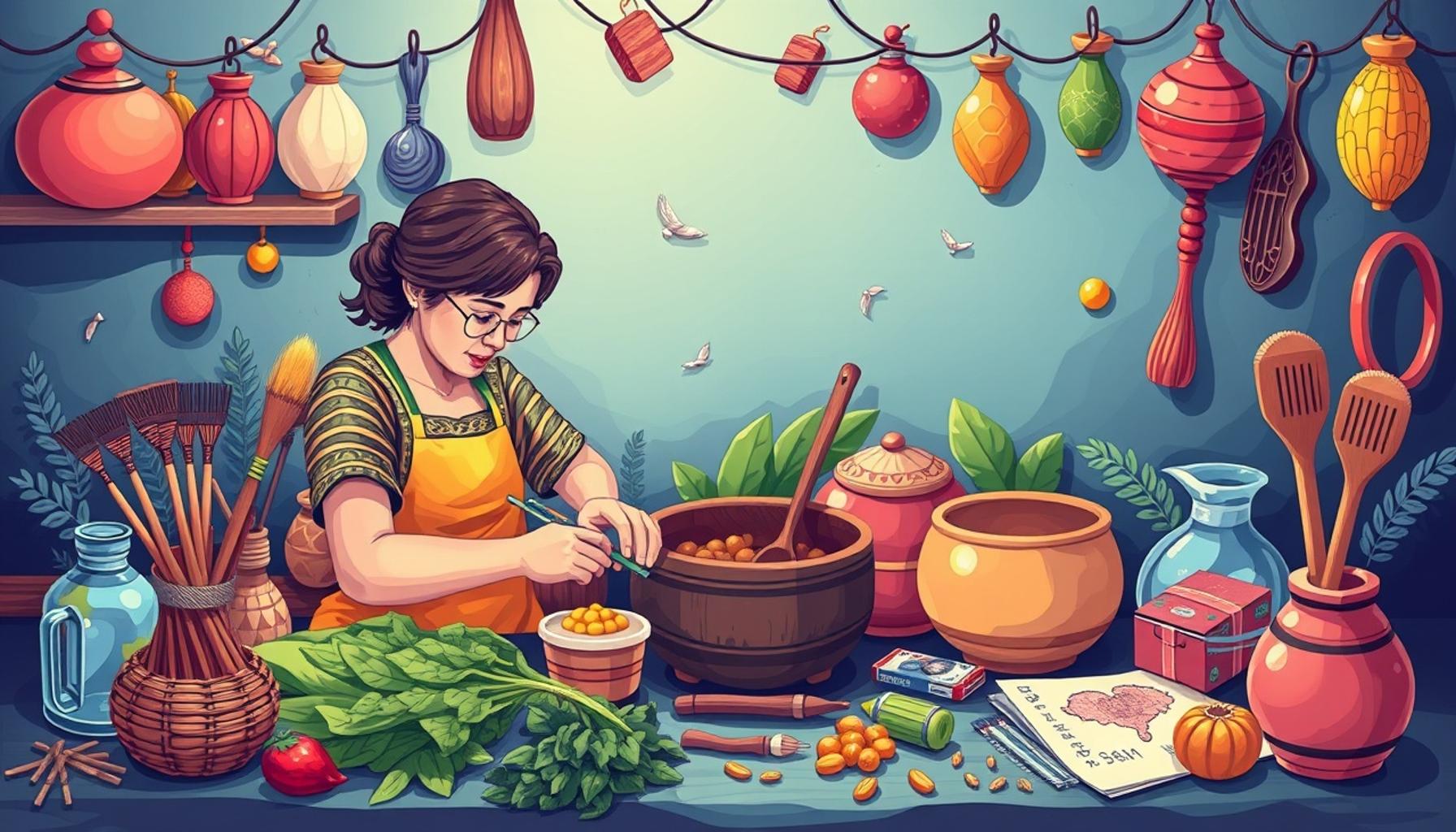
In today’s fast-paced world, the quest for mental health and well-being has never been more critical. Crafting has emerged as a compelling avenue for individuals seeking relief from stress and anxiety. Engaging in creative activities can provide a sanctuary for the mind, allowing one to escape the daily grind. From the soothing rhythm of knitting needles to the vibrant splash of paint on canvas, crafting activities demand a unique blend of focus, creativity, and relaxation.
- Enhances Mood: Crafting stimulates the release of dopamine, a neurotransmitter associated with pleasure. This surge of dopamine can lead to feelings of happiness and reduced feelings of sadness, making crafting an effective tool for lifting one’s mood.
- Reduces Stress: The repetitive motions of creating can be meditative, lowering cortisol levels in the body. For instance, knitting or crocheting allows the hands to engage in a repetitive, calming motion that focuses the mind and eases tension.
- Boosts Self-Esteem: Completing a project offers a sense of accomplishment, fostering confidence. For many, the tangible product of their efforts is a boost that enhances self-worth, proving that they can create something from scratch.
But how exactly does the act of crafting translate to improved mental health? It engages both the brain and the body, serving multiple functions:
- Focus: Crafting requires concentration, steering attention away from negative thoughts. The intricate designs of a quilt or the precision of woodworking commands one’s attention, allowing distractions to fade.
- Mindfulness: Being present during the creative process encourages mindfulness practices. Many crafting enthusiasts report that the act of crafting becomes a form of meditation, promoting relaxation and oversight of their mental state.
- Social Connection: Crafting can be a communal activity, promoting interaction and support among peers. Community craft groups or workshops, such as pottery classes or scrapbooking meetups, foster relationships that can alleviate feelings of isolation.
As we delve deeper into the benefits of crafting, you’ll discover how various forms of creativity—from knitting and painting to woodworking—can contribute significantly to your overall mental health. For example, studies have shown that participants in art therapy report lower levels of anxiety and improved emotional regulation. Simple projects, like creating handmade greeting cards, can serve as a delightful way to share joy with others while providing mental health benefits.
This exploration may inspire you to pick up a new hobby and experience these rewards firsthand. Whether it’s through joining a local crafting community or diving into a solo project, the journey of creating can be as fulfilling as the end result.
DIVE DEEPER: Click here to discover the art of storytelling through performance
The Power of Crafting: A Sanctuary for the Mind
Crafting is more than just a leisure activity; it serves as a powerful therapeutic outlet for many individuals. The act of creating with one’s hands—whether it’s painting, knitting, or woodworking—can lead to an elevation in mental health and overall well-being. It’s a form of self-expression that allows for innovation while simultaneously fostering relaxation. With more people exploring the benefits of crafting, it’s important to discover exactly how these activities can create a positive impact on mental health.
Research suggests that engaging in hands-on creative activities can stimulate areas of the brain associated with mood regulation, enhancing mental resilience. This seems particularly relevant in today’s digital age where anxiety levels are on the rise, especially in younger populations. A study conducted by the University of Glasgow showed that participants who engaged in crafting regularly reported lower instances of stress and higher levels of life satisfaction.
But what mechanisms can explain these benefits? Crafting can invoke a variety of psychological advantages:
- Distraction from Negative Thoughts: When immersed in crafting, the mind can divert attention from worries and stressors. The complex processes involved in creating something tangible often require concentration that can lead to temporary relief from anxiety.
- Enhanced Creativity: Crafting allows for personal expression and innovation, encouraging the exploration of new ideas and concepts. This enhancement of creativity not only leads to enjoyable outcomes but also facilitates cognitive flexibility, making it easier to think critically in other areas of life.
- A Sense of Community: In a world where feelings of isolation are prevalent, crafting can connect individuals. Whether through local community groups or online platforms, shared crafting experiences can foster social bonds that bolster mental health.
Additionally, the simple act of creating can evoke a sense of purpose. Completing a craft project—from a hand-knit scarf to a painted masterpiece—offers a significant accomplishment that can translate into improved self-esteem. For many, these physical manifestations of creativity serve as tangible proof of their abilities, reinforcing their belief in their own worth and talent.
Moreover, incorporating crafting into one’s routine can serve as a mindfulness practice. When focused on the intricate details of a project, the act can channel one’s energy into the present moment, allowing for a state of flow. This melding of creativity and mindfulness enables individuals to cultivate their awareness, reducing the likelihood of ruminating thoughts that contribute to feelings of anxiety.
As we continue to uncover the myriad ways crafting can enhance mental health, it becomes evident that these activities not only provide an escape but also contribute to building a resilient mindset. The potential for improvement is vast; every brushstroke, stitch, or craft design is an invitation to nurture one’s mental well-being.
Exploring the Therapeutic Benefits of Crafting
Crafting has increasingly been recognized as a powerful tool for enhancing mental health and well-being. Engaging in activities such as knitting, painting, or woodworking doesn’t just channel creativity; it also fosters a deeper connection to oneself and surroundings. This makes it a multifaceted approach to combatting stress and anxiety. Moreover, crafting provides a sense of accomplishment as individuals create tangible results, boosting their self-esteem and confidence. Let’s delve deeper into some of the crucial advantages of crafting through the following table.
| Category | Benefits |
|---|---|
| Stress Relief | Crafting allows for mindfulness and focus, reducing anxiety levels. |
| Creativity Boost | Engaging in creative tasks enhances problem-solving skills and cognitive function. |
| Community Connection | Participating in group crafts fosters social interaction and a sense of belonging. |
Furthermore, crafting not only encourages relaxation but also develops fine motor skills and keeps the mind engaged. Research indicates that such activities can significantly reduce feelings of depression and isolation. So, whether you are a seasoned crafter or just starting, the act of creating can provide profound improvements to mental wellness. Explore various crafting techniques and allow yourself the opportunity to discover new passions while positively impacting your mental health.
FOR MORE INSIGHT: Click here to learn about inspiring literature workshops for young creators
The Therapeutic Benefits of Crafting: Nurturing the Mind and Body
In addition to the emotional and psychological advantages, crafting also has tangible health benefits that can enhance an individual’s overall well-being. Studies indicate that engaging in crafting activities can lower blood pressure, improve dexterity, and reduce feelings of isolation—all of which contribute to better mental health outcomes. According to the American Journal of Public Health, participating in arts and crafts can be an effective way to alleviate symptoms of depression and anxiety while promoting physical activity.
Engaging in crafting offers a unique form of stress relief. During the act of creating, the body often responds to the calming rhythm of work with a release of endorphins. These natural mood lifters can help counteract feelings of tension and sadness. A 2016 study published in the Journal of Positive Psychology found that participants who engaged in crafting showed significantly reduced stress levels compared to those who did not partake in creative activities.
Furthermore, crafting can enhance cognitive functioning. As individuals work on projects that require attention to detail, problem-solving, and fine motor skills, their brains get an important workout. Activities such as sculpting, sewing, or even assembling models can enhance spatial awareness and critical thinking. For seniors in particular, these activities have shown promise in staving off cognitive decline by keeping the mind active and engaged. Occupational therapy programs, especially for older adults, increasingly incorporate crafting as a tool for mental stimulation.
Crafting Across Generations
Crafting is not limited to adults; children and adolescents also benefit greatly from artistic activities. Programs integrated into educational systems, such as after-school art classes, encourage children to express their emotions and boost their self-esteem through creative outlets. These programs not only develop skills like teamwork and communication but also cultivate emotional intelligence. Children learn to articulate their feelings and develop resilience through crafting, laying the groundwork for improved mental health in their formative years.
Moreover, with the rise of social media, platforms like Pinterest and Instagram have made it easier for individuals to share their crafting experiences, further fostering a sense of community. Engaging with others through social platforms can motivate individuals to create and try new projects, combating feelings of loneliness in a highly connected world. This digital community aspect also extends to virtual crafting workshops, allowing people to connect regardless of geographic barriers, reinforcing a sense of belonging and shared interest.
Crafting gives people the chance to step away from the pressures of their daily lives, providing a sanctuary where they can truly immerse themselves in the creative process. By promoting a healthy escape, crafting stands out as a cherished hobby that can lead to significant improvements in mental health and overall quality of life. As research continues to emerge, the link between crafting and mental well-being becomes increasingly undeniable, encouraging more individuals to pick up needles, brushes, or tools for a healthier mind.
DIVE DEEPER: Click here to explore the world of fanzines and self-publishing
Conclusion: Crafting as a Pathway to Enhanced Mental Wellness
In summary, the exploration of how crafting can improve mental health and well-being highlights a compelling intersection of creativity and psychology. The numerous benefits associated with engaging in crafting activities—ranging from enhanced emotional expression and reduced stress to improved cognitive function—underscore the multifaceted impact of these creative pursuits. Not only does crafting facilitate a constructive outlet for emotions, but it also fosters community connections and combats isolation, particularly in today’s digital age.
Furthermore, the adaptability of crafting makes it accessible to individuals of all ages, from children learning resilience to seniors battling cognitive decline. As research continues to validate the role of crafting in promoting mental wellness, it expands the narrative around creative therapies as viable tools in mental health management. The growing interest in virtual crafting communities serves to amplify the sense of belonging and motivation among participants, proving that connection is just as significant as creation.
Ultimately, incorporating crafting into one’s routine doesn’t just provide a momentary escape; it offers an ongoing opportunity for personal growth, reflection, and community engagement. Whether you are a seasoned crafter or a curious beginner, embracing this artistic journey could lead to profound enhancements in your mental health. As more individuals recognize the power of crafting as a therapeutic tool, the movement toward holistic approaches to mental wellness will undoubtedly continue to flourish. So, gather your supplies, unleash your creativity, and embark on a journey towards a healthier mind.