
Musical Styles of the World: Learning and Incorporating Diversity in Your Creations
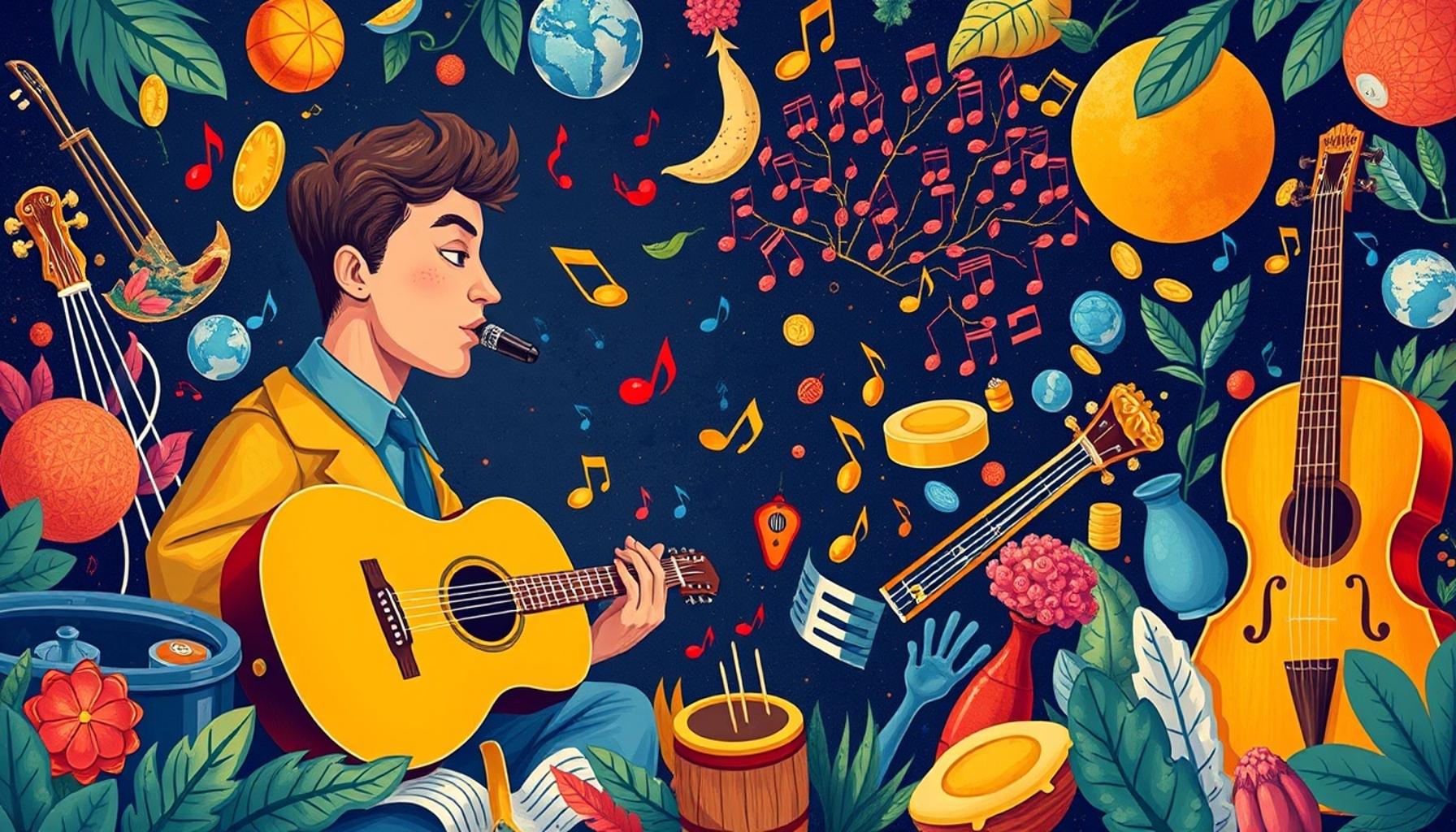
Discovering Global Rhythms
Music is a universal language that transcends borders, connecting people through shared emotions and experiences. In today’s interconnected society, exploring diverse musical styles from around the world offers endless inspiration for creators and enthusiasts alike. By diversifying our musical knowledge, we not only enrich our own lives but also foster a global community built on artistic exploration.
Why Embrace Musical Diversity?
Incorporating various musical influences can enhance your artistic expression. Here are a few compelling reasons to dive into global sounds:
- Creative Fusion: Blending genres can lead to innovative compositions. For instance, the popular genre of hip-hop has seamlessly integrated elements of Afrobeat and Latin rhythms, allowing artists like J Balvin and Burna Boy to achieve mainstream success. This creative fusion not only captivates audiences but also pushes the boundaries of traditional music.
- Cultural Appreciation: Engaging with different styles promotes understanding and respect. By listening to the soothing sounds of Indian classical music or the energetic beats of Brazilian samba, one can appreciate the unique cultural narratives that each genre conveys. This interaction fosters empathy and broadens our worldview.
- Expanded Audience: Diverse sounds can attract listeners from various backgrounds. Artists who draw inspiration from a mix of genres can appeal to a wider demographic. For example, the rise of genres such as K-pop, which incorporates pop, hip-hop, and R&B, reflects a successful formula that captures the interest of global audiences, especially in the United States.
Explore Global Genres
From the intricate rhythms of African drumming to the soulful melodies of Latin jazz, the world is rich with musical traditions. Some prominent styles include:
- Reggae: Originating in Jamaica, this genre incorporates rhythmic guitar and bass, often accompanied by socially conscious lyrics. Iconic artists like Bob Marley have used reggae to address themes of peace and social justice, making it a powerful tool for cultural representation.
- Bhangra: A lively dance music from Punjab, blending traditional and modern elements. Bhangra exemplifies the positivity of celebration and has gained popularity in the United States, especially at weddings and cultural festivals, where its infectious beats encourage everyone to join in the dance.
- Flamenco: A passionate genre from Spain, known for its guitar and expressive vocals. This intricate art form combines singing, guitar playing, and bold dancing, encompassing stories of love, hardship, and cultural pride. The emotional depth of flamenco offers a poignant contrast to the upbeat nature of other global genres.
As you embark on this musical journey, remember that each style carries with it stories, cultures, and histories waiting to be uncovered. By learning and incorporating these diverse influences, your musical creations can resonate on a deeper level and reflect the beautiful complexity of our world. Exploring global rhythms not only serves as a source of inspiration but also as a bridge connecting us to the rich tapestry of human experience through sound.
DISCOVER MORE: Click here to learn about workshops for young creators
Diving into Worldly Sounds
As you embark on the journey of embracing global musical styles, it’s essential to recognize the profound impact these sounds can have on your creative output. Each musical genre is a story waiting to be told, a cultural heritage steeped in history and emotion. By exploring and incorporating these diverse influences, you can cultivate a multifaceted artistic identity that resonates with a broader audience. This journey not only enhances your songwriting and composition skills but also allows you to become a conduit for cultural expression.
The Power of Sound in Cultural Narratives
Every musical style is shaped by the cultural contexts from which it arises. By delving into these distinct genres, you can uncover the layers of meaning they embody. For instance, the call-and-response format prominent in African tribal music serves as a powerful means of community engagement, allowing for collective participation in celebrations and rituals. Similarly, the intricate rhythms of Brazilian bossa nova originate from a blend of samba and jazz, reflecting Brazil’s rich multicultural heritage.
Understanding these connections can enable artists to tap into deeper emotional landscapes while developing their own sound. Here are some notable genres that exemplify the beauty of cultural narratives:
- African Drumming: With its complex polyrhythms, African drumming has inspired countless musicians worldwide. The deep connection to community and spirituality makes this genre a beautiful representation of African culture.
- Salsa: This lively genre draws from Afro-Cuban rhythms, jazz, and Puerto Rican influences, inviting dance and celebration. Incorporating salsa beats can add dynamism to your music, engaging listeners in a joyful experience.
- Euro-pop: Originating in Europe, this genre emphasizes catchy melodies and electronic production. Artists such as ABBA and more recently, Dua Lipa, have made this genre appealing by blending modern pop with nostalgic elements, captivating audiences in the U.S. and worldwide.
Techniques for Incorporating Diverse Styles
To effectively fuse these global sounds into your musical creations, consider the following techniques:
- Experiment with Instruments: By incorporating traditional instruments such as the sitar from India, the djembe from West Africa, or the accordion from Eastern Europe, you can achieve unique textures in your compositions.
- Adapt Rhythmic Patterns: Infuse your work with diverse rhythmic structures. Exploring polyrhythms or syncopation can add an intriguing complexity that engages your audience.
- Infuse Cultural Stories: Each musical style carries with it a rich tapestry of stories and experiences. Use these narratives to inspire your lyrics or concepts, allowing your music to resonate on a deeper emotional level.
By embracing these techniques and expanding your musical palette, you can create works that not only reflect your individuality but also pay homage to the diverse cultures that inspire you. Allowing yourself to experiment with these influences can lead to groundbreaking creations that resonate universally, effectively bridging the gaps between genres and cultures.
| Category | Description |
|---|---|
| Cultural Authenticity | Understanding the roots of various musical styles promotes cultural exchange and appreciation. |
| Expanded Creativity | Incorporating diverse styles leads to innovative combinations and unique musical creations. |
| Audience Connection | Understanding international styles helps artists connect deeply with a broader audience. |
| Historical Context | Learning about musical traditions informs artists about the historical background of different cultures. |
The musical world is vast, teeming with a multitude of styles that reflect the rich tapestry of human culture. Each style, from African rhythms to European classical, contributes a unique voice to the dialogue of music. By delving into these diverse forms, artists can discover methods to enrich their own creations, allowing their work to resonate with authenticity and depth. Learning about the various traditions not only fosters cultural understanding but also unleashes creative potential, empowering musicians to break conventional boundaries. This exploration is not merely academic; it leads to a richer emotional connection with audiences who yearn for genuine expression.Additionally, understanding the rich historical contexts behind different musical styles paves the way for a more profound appreciation of cultural narratives. Musicians who embrace the diversity of musical styles in their work become ambassadors of cultural dialogue, inspiring others to engage with and celebrate this global symphony of sounds. Such integration holds the potential to foster a community of inclusivity where everyone can resonate and thrive. By experimenting with these diverse sounds, artists can contribute to a continuously evolving landscape of music, where innovation meets tradition, creating timeless pieces that echo the stories of the world.
DIVE DEEPER: Click here to uncover the tech transforming music production
Bridging Cultures Through Collaboration
As you deepen your exploration of global musical styles, collaboration serves as a powerful tool to enhance your creative process. Working with artists from different cultural backgrounds not only broadens your perspective but also enriches your work with authenticity. Collaborations open the door to melding genres, resulting in innovative sounds that reflect the cultural hybridity of our modern world.
Examples of Successful Collaborations
The music industry is replete with examples of fruitful cross-cultural collaborations. Artists such as Shakira have integrated Latin rhythms with pop and rock, creating hits that appeal to diverse audiences. Her collaboration with Rihanna on the track “Can’t Remember to Forget You” mixed reggaeton influences with mainstream pop, showcasing the potential of blending genres. Additionally, Black Eyed Peas combined hip-hop with various world music influences, producing chart-topping hits that resonate across geographic boundaries.
Another notable example is the fusion of African and Western music seen in the collaboration between the South African group Ladysmith Black Mambazo and the American musician Paul Simon. Their album “Graceland” introduced South African musical styles to the mainstream market, illustrating how collaboration can create impactful art while promoting cultural exchange. The success of such partnerships signals a growing acceptance of global musical styles, encouraging artists to take creative risks.
Embracing Technology for Musical Fusion
In the era of digital technology, artists now have unprecedented access to resources and tools that facilitate the integration of global sounds into their music. Software such as Ableton Live or Logic Pro allows musicians to layer various instruments, rhythms, and sounds from around the world. For instance, sampling a traditional Japanese Koto or incorporating the unique percussion of West African djembes can create a rich sonic landscape that captivates listeners.
Additionally, platforms like SoundCloud and Bandcamp provide musicians with opportunities to share their experimental works and collaborate with others globally. These platforms can serve as invaluable tools for discovering and showcasing unique sounds, paving the way for modern artists to embrace the concept of global collaboration.
Learning from Global Cultures
To genuinely incorporate diverse musical styles, artists must take the time to understand the cultural significance behind the sounds they wish to adopt. This process involves active listening and research, exploring the historical contexts and emotional weights embedded in different genres. For example, the Indian classical music tradition emphasizes raga scales that convey specific moods and emotions, while the blues genre stems from a deep narrative of struggle and resilience in African American history.
Moreover, attending live performances, workshops, or festivals dedicated to global music can provide insights that enhance your artistic understanding. These experiences can ignite new ideas and approaches, prompting you to incorporate different cultural influences respectfully and thoughtfully. Remember, it is not merely about appropriating sounds; rather, it’s about fostering appreciation and understanding, resulting in more profound and authentic musical creations.
DISCOVER MORE: Click here to uncover the power of collaborative storytelling
Conclusion: The Harmonious Journey of Cultural Integration
In our increasingly interconnected world, the exploration of musical styles from diverse cultures serves as both a source of inspiration and a pathway to profound artistic expression. By actively engaging with a variety of genres, artists are not only able to enhance their creativity but also contribute to a global dialogue that transcends borders.
As discussed, the significance of collaboration cannot be overstated. Working alongside musicians from different backgrounds expands artistic horizons and fosters a rich tapestry of sound that celebrates cultural hybridity. Successful collaborations, such as those seen in the works of Shakira and Paul Simon, exemplify the beauty and power of diverse influences merging to create something innovative and universally appealing.
Moreover, through the technological advancements in music production, artists are empowered to experiment and blend various traditions with unprecedented ease. This is coupled with a responsibility to understand and respect the roots of the sounds they incorporate. Engaging deeply with different musical traditions—attending performances, participating in workshops, and conducting research—enables artists to create meaningful and authentic compositions that resonate on multiple levels.
Ultimately, the journey of learning about and incorporating global musical styles not only enriches individual artistry but also cultivates a greater appreciation for the diversity of human expression. As creators continue to navigate this landscape, the results can lead to a more inclusive and vibrant musical future that honors the richness of cultural heritage while paving the way for exciting new sounds. Engage with the world of music—it’s a journey worth taking.