The Evolution of Digital Music: How Technology Transformed Musical Pursuits in the Modern Era
The Evolution of Music: A Technological Revolution
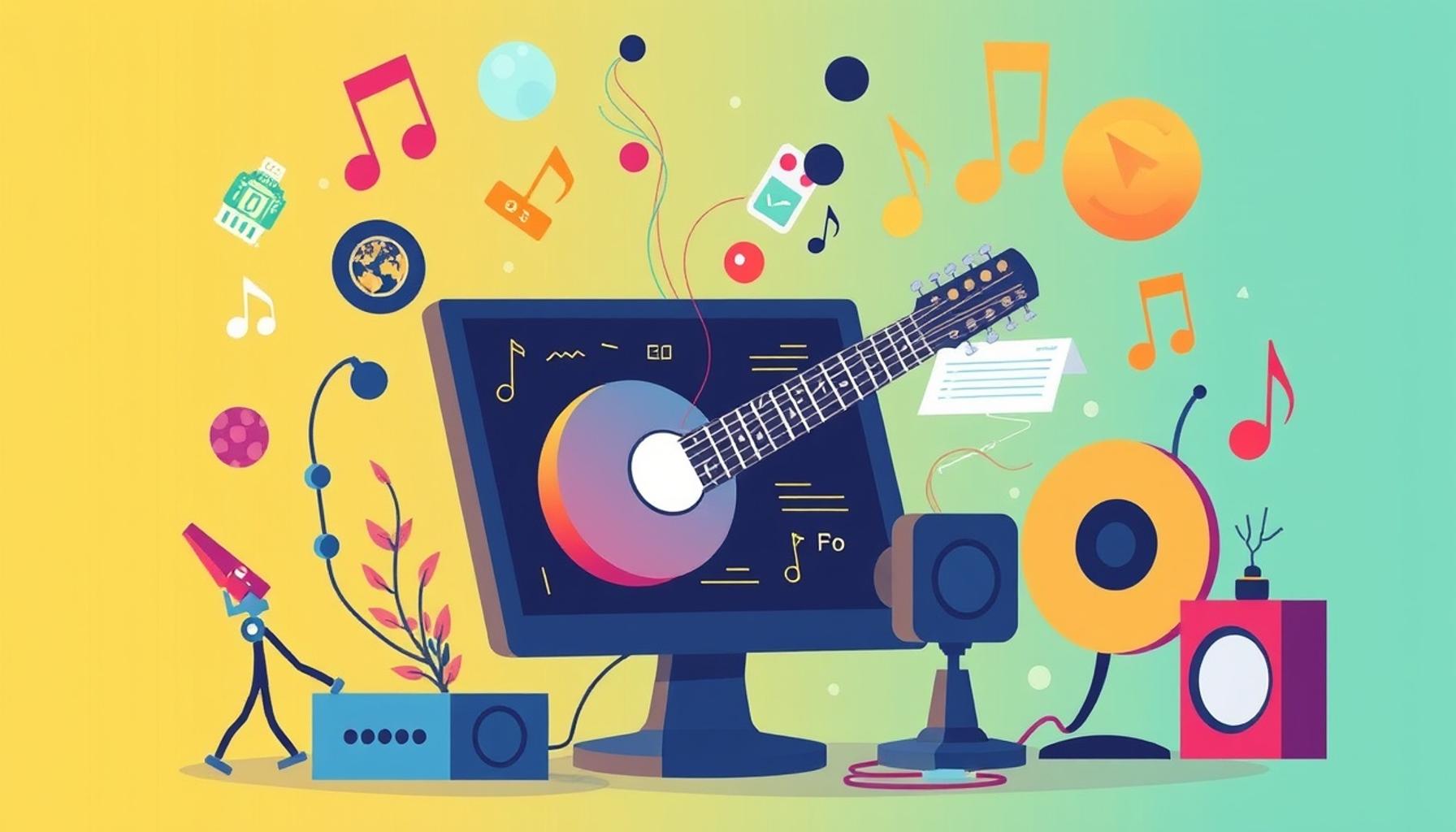
The music industry, traditionally reliant on analog systems and physical media, has transformed dramatically due to technological advancements. These changes have not only influenced how music is made but have also revolutionized how it is shared and experienced by audiences around the globe. As we dive deeper into this fascinating evolution, it is imperative to recognize the various factors that have played a pivotal role in reshaping the musical landscape.
Digital Recording Techniques
Digital recording techniques have dramatically altered the production process. In the past, capturing sound required extensive equipment and considerable expertise, often relegating the art of music production to studios inaccessible to budding musicians. However, the advent of affordable digital audio workstations (DAWs) like Ableton Live, Logic Pro, and FL Studio has empowered artists to record, mix, and produce music from their own homes. These tools offer sophisticated features such as multi-track recording, virtual instruments, and audio effects, enabling producers to achieve studio-quality results without breaking the bank. This democratization of music production has led to an explosion of indie artists, giving rise to diverse genres and sounds that reflect personal and cultural experiences.
Streaming Services
The rise of streaming services such as Spotify, Apple Music, and YouTube music has transformed how audiences consume music. No longer restricted by the constraints of purchasing physical albums, listeners now have access to millions of songs at their fingertips. The popularity of curated playlists and algorithms that analyze listening habits has significantly changed music consumption patterns. For instance, Spotify’s “Discover Weekly” playlist introduces users to tracks that align with their preferences, encouraging exploration of new genres and artists. This instant accessibility has reshaped listener expectations, creating a demand for constant content and, in turn, fostering an environment where artists frequently release singles and EPs rather than full albums.
Social Media Influence
The impact of social media cannot be overstated. Artists now utilize platforms like TikTok, Instagram, and Twitter to engage with their audiences directly and promote their music without needing traditional marketing pathways. Viral challenges often catapult songs into the mainstream, as seen with Lil Nas X’s “Old Town Road,” which gained immense popularity initially through TikTok. These platforms allow for real-time feedback and engagement, fostering a closer artist-listener relationship, where musicians can adapt their styles to audience preferences quickly.
Music Distribution
Music distribution has also been revolutionized. The elimination of physical copies means artists can release their creations on platforms like SoundCloud or Bandcamp almost instantaneously. This shift has led to a more diverse music catalog, where niche genres can thrive and reach audiences that would have previously remained untapped.
Collaboration Opportunities
With technology connecting musicians across geographical boundaries, collaboration has taken on a new meaning. Artists can now co-create music in a virtual space, utilizing cloud-based software to share and manipulate tracks from different locations. Notable collaborations have emerged this way, transcending cultures and genres, as musicians combine their influences into innovative compositions that reach a broader audience.
Enhanced Music Discovery
Algorithms designed to enhance music discovery present an exciting double-edged sword. While they provide listeners with personalized recommendations, they can also create echo chambers that limit exposure to diverse music. The intricate balance between an artist’s unique voice and commercial viability can lead to trends that overshadow lesser-known talents. However, many platforms are now incorporating ways to spotlight emerging artists, thus ensuring that varied musical expressions continue to find their place in the industry.
As we look at the ever-evolving music landscape, it is essential to celebrate the wealth of opportunities that technology brings while remaining aware of the challenges that accompany such rapid change. Issues concerning copyright, fair compensation for artists, and the sustainability of traditional music venues present ongoing discussions that require innovation and collaboration from all stakeholders. This digital music era invites a dynamic remix of musical possibilities, ushering in a future that remains exciting and unpredictable.
DISCOVER MORE: Click here to dive deeper
Revolutionary Changes in Music Production
As we delve into the evolution of digital music, it is essential to recognize how technology has fundamentally transformed music production. The traditional recording studio, once viewed as an exclusive domain, is now being redefined. With digital recording techniques becoming more accessible, aspiring musicians and producers are channeling their creativity from the comfort of their own homes. The rise of digital audio workstations (DAWs) such as Pro Tools, GarageBand, and Ableton Live has democratized the music-making process. These platforms, equipped with powerful tools for recording, editing, and mixing audio, have allowed even novice musicians to produce high-quality tracks.
The shift from analog to digital has not only improved sound quality but has also accelerated the pace of music creation. Gone are the days when recording multiple takes was a time-consuming process. With the use of technology, features such as auto-tuning and looping have streamlined the production workflow. Artists now spend less time in studios and more time experimenting with their sound, leading to an array of innovative genres and styles that reflect current trends and youth culture.
The DIY Revolution in Music
The DIY (do-it-yourself) revolution is a significant byproduct of technological advancements. Artists can now independently release their music without the backing of major record labels. The internet has made it possible for musicians to build their brands through platforms like SoundCloud, Bandcamp, and self-published YouTube channels. This shift has encouraged a surge in independent artists who leverage social media to connect with fans and promote their work.
Some key factors contributing to this DIY revolution include:
- Cost-effectiveness: Home studio setups have become increasingly affordable, allowing more musicians to experiment without the financial burden of traditional recording studios.
- Direct Fan Engagement: Social media platforms enable artists to interact with their fans on a personal level, leading to a more loyal following.
- Instant Feedback: Online release strategies provide immediate listener responses, enabling artists to adapt their music quickly based on audience reactions.
The Changing Landscape of Music Distribution
The way music reaches listeners has also undergone a significant transformation with the emergence of digital distribution platforms. No longer are listeners confined to radio stations or record stores to discover new music. The introduction of services like Spotify, Apple Music, and Amazon Music has reshaped how music is distributed and consumed. With just a few clicks, fans can explore vast libraries that feature both mainstream hits and underground tracks. Moreover, these platforms have implemented algorithms designed to enhance the user experience, providing personalized recommendations that cater to individual tastes.
With this new era of digital distribution comes both opportunities and challenges. While artists can reach a global audience, the competitive nature of streaming platforms creates pressure to produce constant content. This shift has fostered changes in how music is marketed and consumed, encouraging shorter releases like singles and EPs, rather than traditional full-length albums.
In summary, the evolution of digital music has drastically changed production, distribution, and consumption methods. As technology continues to progress, its influence will resonate throughout the industry, creating new possibilities and challenges for artists and listeners alike. The future of music remains intricately tied to these advancements, making it an exciting time for all stakeholders involved.
| Category | Details |
|---|---|
| Accessibility | The rise of streaming platforms has made music more accessible than ever, allowing users to explore vast catalogs of songs without physical media. |
| Collaboration | Technology enables musicians from different parts of the world to collaborate in real-time, breaking geographic barriers and promoting innovative sounds. |
As technology continues to shape the landscape of music, one major transformation is the accessibility it offers. With the introduction of streaming services like Spotify, Apple Music, and YouTube Music, listeners can dive into extensive libraries that feature everything from classic hits to the latest indie tracks. This evolution means that consumers no longer need to purchase entire albums or rely on radio play to discover new music. Moreover, the collaborative nature of modern music production has been revolutionized by technological advancements. Digital tools like Ableton Live, Pro Tools, and even smartphone apps allow artists to connect and create from virtually anywhere. Musicians can exchange ideas, tracks, and mixes without the constraints of distance, leading to more diverse and eclectic music styles that resonate with audiences globally. The evolution of digital music is not just about the end product; it encompasses the entire process of creation, sharing, and enjoying music in ways previously unimagined. This shift invites a broader audience to engage with music, fostering a community that thrives on innovation and exploration.
DISCOVER MORE: Click here to learn about the art of ceramics
The Impact of Streaming on Music Consumption
As we continue exploring the evolution of digital music, it is crucial to examine the profound impact that streaming services have had on music consumption. Platforms like Spotify, Apple Music, and YouTube Music have reshaped how listeners enjoy and interact with music, marking a shift from owning music to accessing it on-demand. This transition represents not only a change in business models but also a significant shift in consumer behavior. Today’s listeners have grown accustomed to the convenience of streaming, which offers immediate access to millions of tracks across all genres.
Furthermore, the subscription-based models of streaming services allow users to access vast libraries for a monthly fee rather than purchasing individual albums. This shift has fostered a culture where the volume of music consumed is unprecedented, with listeners attending to an array of artists and styles they might never have explored during the era of physical media. According to a report from the Recording Industry Association of America (RIAA), streaming now accounts for over 80% of the U.S. music industry’s revenue, underscoring its dominance in the music landscape.
Algorithmic Influence and Personalized Playlists
The role of algorithms in music discovery has transformed the listening experience and reshaped traditional marketing strategies. Streaming platforms utilize complex algorithms to analyze listening habits, curating personalized playlists such as Spotify’s “Discover Weekly” that recommend new music based on user preferences. This integration of technology not only enriches the user experience by offering tailored recommendations but also impacts which artists gain exposure and achieve commercial success.
A growing concern surrounding algorithm-driven platforms is the question of diversity in music consumption. While algorithms can highlight emerging artists, they may also create an echo chamber, predominantly promoting a narrow selection of popular hits. Emerging studies suggest that artists who align their music with trending genres or formats—like short songs or hooks—are more likely to gain traction. This trend indicates an evolution in songwriting that adapts to fit the new consumption patterns driven by streaming services.
Social Media’s Role in Music Discovery
The emergence of platforms such as TikTok has introduced an additional layer to music discovery and its cultural relevance. Viral trends and challenges often push songs into the mainstream, propelling artists to sudden fame overnight. The integration of music into short-form videos has resulted in unique promotional strategies, where users share snippets of songs. This phenomenon exemplifies the changing dynamics of how music is marketed and gives independent artists new avenues to launch their careers.
Artists now harness the power of social media to create content that resonates with audiences beyond just the audio experience. Music videos, behind-the-scenes footage, and interactive engagements allow artists to cultivate a deeper connection with their fans. This emphasis on a multifaceted online presence reflects a shift towards a more personal and participatory experience in the music world.
The cultural interplay between streaming, algorithms, and social media not only shapes how music is consumed and discovered but also how it influences popular culture and community interactions. As technology continues to advance, it will be exciting to see how these factors evolve and redefine the landscape of music in the years to come.
DISCOVER MORE: Click here to delve into the power of poetry
Conclusion: Embracing the Digital Frontier
In examining The Evolution of Digital Music: How Technology Transformed Musical Pursuits in the Modern Era, it becomes evident that the intersection of technology and music has birthed a dynamic new landscape. From the days of vinyl to the bustling marketplace of streaming platforms, the music industry has undergone monumental changes driven by innovation and consumer preferences. With streaming now accounting for a staggering over 80% of the U.S. music industry’s revenue, it’s clear that accessibility and convenience have fueled a cultural renaissance of music consumption.
The dual roles of algorithms and social media have further revolutionized how listeners discover and engage with music. Custom playlists and viral sensations represent a seismic shift in music marketing strategies and artist exposure. However, they also raise questions about the potential homogenization of musical taste. As artists adapt to algorithm-driven trends, the craft of songwriting continuously evolves, reflecting the intricate relationship between technology and creativity.
As we look towards the future, it is essential to consider how emerging technologies, like artificial intelligence and virtual reality, may further shape the musical landscape. The continuous evolution of digital music presents infinite possibilities for both artists and audiences. By examining these trends and embracing new tools, musicians can explore innovative avenues for expression and connection.
In this ever-changing environment, one thing remains certain: technology will continue to play a pivotal role in redefining the realms of music, offering exciting opportunities and challenges. As listeners, artists, and industry professionals navigate this digital frontier, the evolution of music promises to be as compelling and transformative as the technology that fuels it.