
The Influence of Historical Events on Fiction Writing: Crafting Stories from the Past
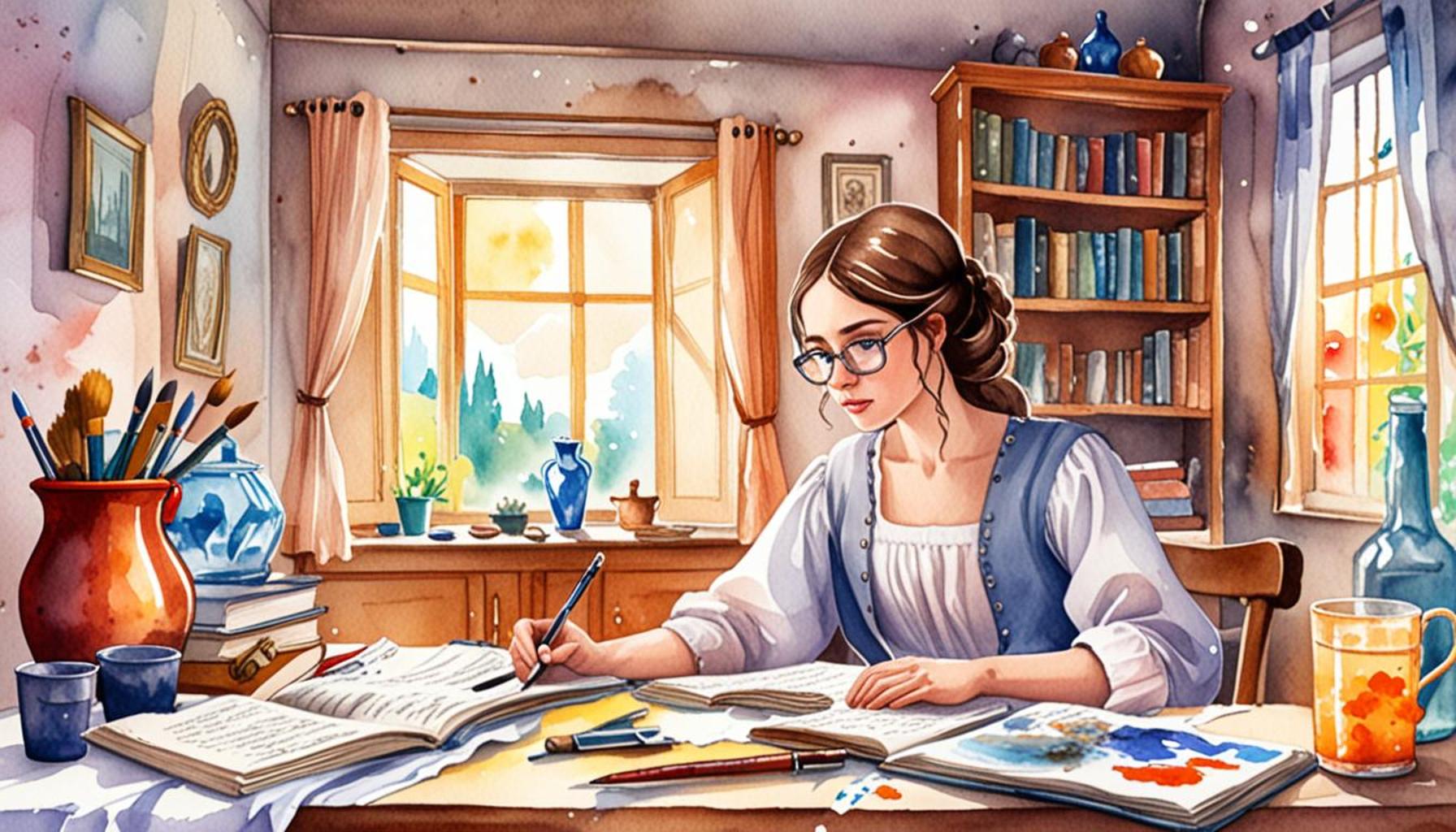
The Role of Historical Events in Crafting Fictional Narratives
Every story has a backdrop, and for many authors, that backdrop is painted with the colors of historical events. These events shape not only the world we live in but also the narratives we create. From the American Revolution to the Civil Rights Movement, the past serves as a wellspring of inspiration for fiction writers.
When writers draw on historical occurrences, they often aim to:
- Illuminate the human experience through relatable characters.
- Provide commentary on current societal issues.
- Revive forgotten stories and perspectives, giving voice to the silenced.
The significance of integrating historical contexts into fiction cannot be overstated. For instance, novels like “The Nightingale” by Kristin Hannah delve into the lives of two sisters during World War II, exploring themes of resilience and sacrifice. The backdrop of Nazi-occupied France not only highlights the brutal realities of war but also emphasizes the strength of the human spirit amid adversity.
Similarly, “The Help” by Kathryn Stockett captures the complexities of race relations in 1960s Mississippi. Through the eyes of three women—two African American maids and a white journalist—the story unearths the systemic injustices of the time while providing insight into the lives of those marginalized by society. Such narratives contribute not only to our understanding of history but also stimulate discussions about current issues of race and equality.
Beyond mere entertainment, historical fiction serves as a powerful educational tool. Readers are often enlightened by the nuances of historical events that they may not have encountered in traditional textbooks. For example, works like “A Gentleman in Moscow” by Amor Towles transport readers to a post-revolutionary Russia, encouraging them to consider the effects of political upheaval on individual lives.
As fiction intertwines with the tapestry of history, it encourages reflection and discussion. Through the lens of historical fiction, readers find themselves engaging with profound questions about identity, morality, and social justice that are relevant even today. This relationship between past and present illuminates the art of storytelling, revealing how deeply intertwined our collective experiences are.
Join us as we explore how historical events shape fictional narratives, illuminating the art of storytelling that connects our past to our present. This journey not only enriches our understanding of literature but also enhances our awareness of the world around us, prompting us to draw parallels between yesterday’s battles and today’s struggles.
DISCOVER MORE: Click here to uncover the beauty of nature’s inspiration
Unearthing Truths: How Historical Events Inspire Fiction
The canvas of historical fiction is often filled with the shades of real-life events, breathing life into narratives that resonate with readers. Many writers find themselves compelled to explore moments in time that reflect the struggles, triumphs, and complexities of the human experience. Events such as the Great Depression or the Vietnam War serve not only as backdrops but also as catalysts for profound storytelling, encouraging authors to delve deeper into the societal dynamics of those eras.
Furthermore, historical events provide a rich tapestry of themes that enhance fictional narratives. Writers often explore various angles, including:
- Conflict and resolution: The struggles faced during significant events often reveal much about human nature.
- Social change and movements: Authors can highlight pivotal moments in history, illustrating the journey toward societal progress.
- Personal narratives within broader contexts: By focusing on individual experiences, writers can make sweeping historical events feel intimate and relatable.
A strong example of this is found in “The Book Thief” by Markus Zusak, which portrays the personal story of a young girl living in Nazi Germany. The narrative weaves through themes of loss, fear, and love amid the atrocities of war, making the heavy subject matter more digestible while still provoking thought and reflection regarding humanity. By illuminating personal experiences set against such a tumultuous backdrop, the story captures the essence of survival and the power of words.
On the thematic spectrum, the American Civil War has inspired countless works, from the classics such as “Gone with the Wind” to contemporary novels like “The Underground Railroad” by Colson Whitehead. These writers utilize the war not only as a historical fact but also as a gateway to explore issues such as inequality, freedom, and moral dilemmas that continue to influence modern society. The weight of this past lingers in contemporary dialogues, reflecting how history continues to shape our understandings of race, identity, and justice.
Beyond the intricate narratives crafted from historical events, writers often engage in extensive research to ensure authenticity in their storytelling. This meticulous attention to detail serves multiple purposes:
- Establishing credibility: Readers trust narratives that are grounded in facts.
- Creating immersive experiences: Richly detailed settings allow readers to visualize the world in which characters live and breathe.
- Inviting deeper engagement: Intertwining real history invites readers to explore beyond the pages, fostering curiosity and learning.
As authors breathe life into their narratives through the lens of historical events, they create a powerful medium that extends beyond mere storytelling. Readers are not only entertained; they are invited into a world of contemplation about how past experiences shape our present and future. This intertwining of history and fiction cultivates a deeper understanding of the world around us, encouraging us to reflect on our own stories amid the ever-unfolding narrative of humanity.
The intricate relationship between historical events and fiction writing creates a fertile ground for storytelling, enabling authors to weave narratives that resonate with truth while captivating readers’ imaginations. One of the most compelling aspects of this influence is how real-life experiences shape fictional characters and plotlines, making them not only relatable but also engaging. For instance, in the aftermath of World War II, many writers took to their pens to explore themes of loss, resilience, and redemption. Novels like Kurt Vonnegut’s “Slaughterhouse-Five” encapsulate the profound impact of war on the human psyche, illustrating a strong connection between the horrors of reality and the creative interpretations of those experiences. Such works encourage readers to reflect on the complexities of life during tumultuous times, highlighting how historical events serve as backdrop and catalyst for the human condition.Moreover, historical fiction often emphasizes the social and political contexts surrounding specific periods, drawing parallels to contemporary issues. Authors such as Hilary Mantel and her “Wolf Hall” trilogy explore the intricacies of power dynamics during the Tudor era, demonstrating how the past continues to inform present-day societal structures and conflicts. This connection not only serves to educate readers about historical contexts but also challenges them to consider the repercussions of these events on modern society.In crafting stories from the past, writers can reimagine history, giving voice to marginalized perspectives that have been silenced over time. This is evident in the works of authors like Toni Morrison, who delves into the African American experience, intertwining history with fiction to reveal deeper truths and cultural narratives. By utilizing historical events as a framework, writers invite readers to reconsider established narratives while fostering empathy and understanding of diverse viewpoints.These dynamics underscore the role of historical events in enriching fiction, offering layers of meaning and inviting readers to explore the complexities of the human experience. The blend of fact and fiction not only entertains but also serves as a vehicle for cultural reflection, prompting discussions that span generations.
DIVE DEEPER: Click here to explore eco-friendly crafting techniques
Creating Connections: The Impact of Historical Context on Character Development
In the realm of historical fiction writing, character development is profoundly influenced by the historical events that shape their lives. Writers often craft complex characters whose motivations and actions are deeply embedded in the societal norms, values, and challenges of their particular time. The characters are not only products of their eras but also reflections of the shifting tides of history that influence individual choices and relationships. For instance, the characters in “The Nightingale” by Kristin Hannah showcase the resilience and bravery of women in occupied France during World War II, illustrating how their circumstances mold their personalities and unify their triumphs against oppression.
The meticulous crafting of characters against the rich backdrop of historical events serves to enhance the authenticity of the narrative. Writers often delve into psychological motivations that drive their characters, resulting in multi-dimensional individuals relatable to modern readers. This complexity resonates with audiences who recognize the ongoing struggles for identity, purpose, and moral alignment—issues that remain pertinent regardless of the era. For example, in “The Help” by Kathryn Stockett, the characters navigate the racial tensions of 1960s Mississippi, allowing readers to connect modern themes of activism and social justice to the historical context that bred them.
Moreover, the exploration of historical events enriches character arcs through the lens of conflict and societal change. The evolution of characters in response to significant events can mirror their psychological development, offering insights into how individuals cope with trauma, loss, and love amidst chaos. Writers like Khaled Hosseini, in “The Kite Runner”, present characters shaped by Afghanistan’s tumultuous history, exploring how personal relationships are tested by national conflicts. The international setting acts not only as a backdrop but as a catalyst for character growth and moral dilemmas faced throughout the narrative.
This interplay between character and history is further emphasized through dialogues that capture the linguistic nuances and storytelling traditions of the time. The way characters express their thoughts and emotions is often colored by the specific dialects and colloquialisms of their era. Such attention to detail adds an authentic layer to the narrative, allowing readers to feel as if they are stepping into the past. In the acclaimed work of “The Underground Railroad”, Colson Whitehead adeptly incorporates historical language alongside fictional elements, blurring the lines between fact and imagination and heightening reader engagement.
Critically, the evaluation of historical accuracy also plays a vital role in character credibility. Readers who are well-versed in the past can quickly identify when authors take creative liberties with historical facts. Consequently, many authors enhance their narratives by employing detailed research methodologies, thoroughly investigating the social, political, and cultural narratives of the times they depict. The process not only solidifies their authority but also allows for a more immersive experience for readers seeking authenticity in their historical explorations.
Ultimately, the profound relationship between historical events and character development underscores the power of storytelling. By creating characters who embody the triumphs and tribulations of their time, writers invite readers to embark on reflective journeys that transcend generations, providing valuable insights into the human experience and the lessons that history imparts.
DIVE DEEPER: Click here to unlock your creativity
Conclusion: The Timeless Interplay of History and Fiction
The intricate interplay between historical events and fiction writing creates a rich tapestry that not only captivates but also educates readers about the past. As explored throughout this article, historical events serve as a powerful backdrop that shapes not only the narratives of fiction but also the motivations and development of characters within those stories. By weaving authentic experiences into their narratives, authors create a resonance with contemporary readers, allowing them to draw parallels between past struggles and present dilemmas.
Moreover, the meticulous attention to historical accuracy underscores the importance of rigorous research as a cornerstone of writing compelling historical fiction. This dedication to truth in storytelling fosters a deeper understanding and appreciation for the complexities of our shared human experience, enabling readers to reflect on how the past continually influences the present and future.
As writers continue to harness the influence of historical events in their work, they enrich not only their stories but also society’s collective memory. Through character development that mirrors the societal shifts of their eras, fiction writers forge connections that transcend time, offering insights into resilience, identity, and ethical dilemmas faced throughout history. In exploring these themes, both authors and readers are invited to engage in a dialogue with the past, ensuring that lessons learned are not forgotten. Ultimately, the craft of writing historical fiction stands as a testament to the enduring impact of history on storytelling—a powerful reminder of the stories that shape us all.