Cultivating Social Connections: The Importance of Relationships for Mental Wellness
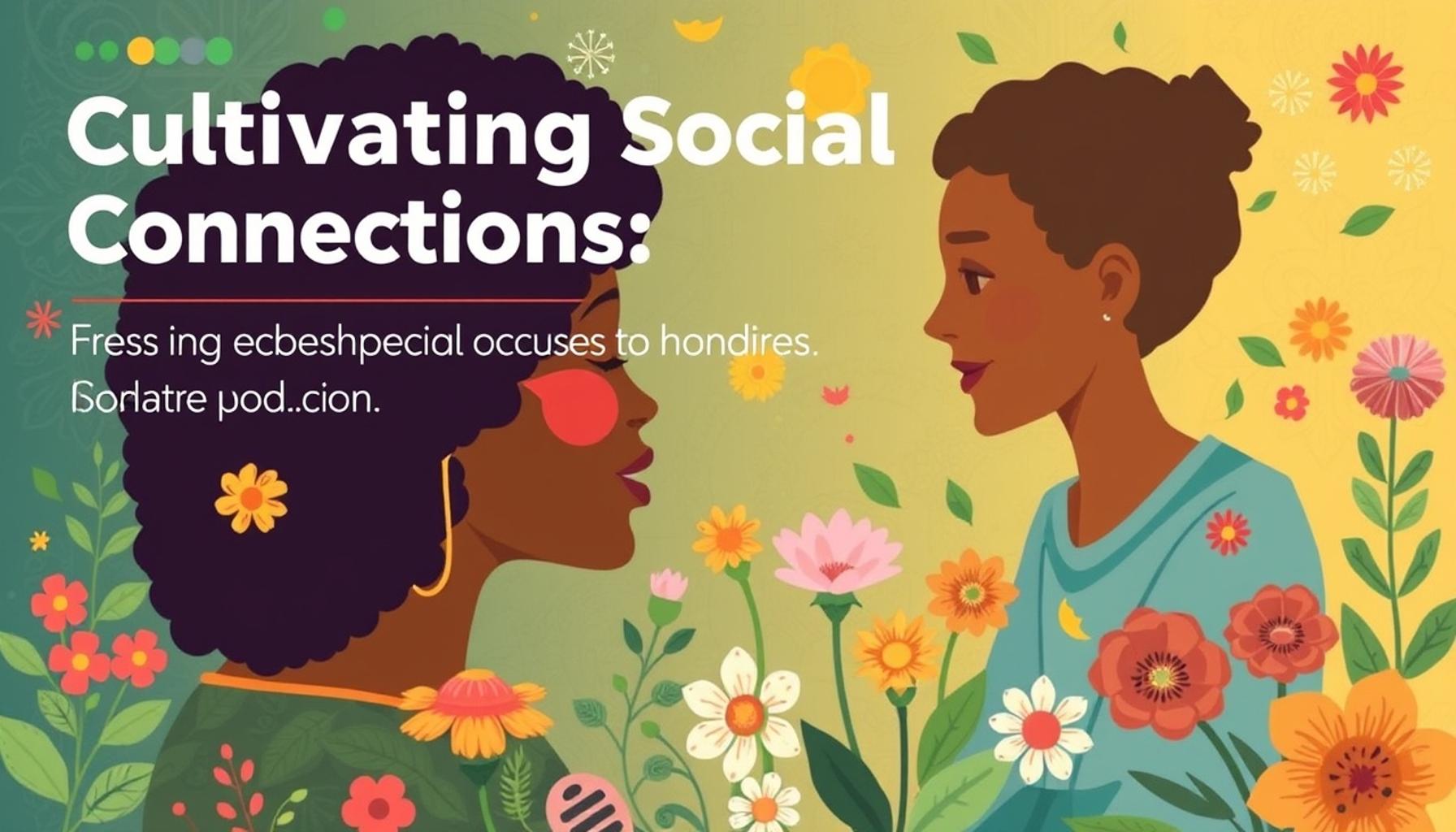
The Importance of Nurturing Connections
In today’s fast-paced society, the significance of our interpersonal connections often takes a backseat. However, cultivating meaningful relationships is not merely a social nicety; it plays a critical role in enhancing our mental wellness. Research consistently demonstrates that robust social ties can act as a protective factor against anxiety, depression, and a myriad of other mental health challenges. For instance, individuals with strong friendships are less likely to experience feelings of loneliness, a factor that can lead to severe psychological distress.
Key Benefits of Cultivating Social Connections
Engaging in social relationships can bring multi-dimensional benefits that extend beyond mere companionship. Let’s delve into some key advantages:
- Emotional Support: During life’s inevitable ups and downs, having a reliable support network can offer immense comfort. For many people, turning to friends and family during stressful times, such as job loss or health crises, can significantly alleviate feelings of despair. The simple act of talking about one’s fears and anxieties can act as a powerful stress-reliever, providing perspective and often resulting in compassionate advice or empathetic listening.
- Increased Happiness: Regular interactions with others can infuse joy and laughter into our lives. This could be as simple as sharing a meal with friends, participating in group activities, or attending community events. A study published in the Journal of Personality and Social Psychology found that everyday social encounters can significantly elevate our mood, making us feel more connected and fulfilled.
- Improved Longevity: Numerous studies indicate a correlation between strong social networks and increased life expectancy. A well-known study from Harvard University showed that people who maintained close relationships had a higher likelihood of living longer, healthier lives compared to their more isolated counterparts. This may be attributed to the fact that social connections can encourage healthier behaviors, such as regular exercise and better dietary choices, fostering an overall sense of well-being.
Whether it’s fostering friendships, nurturing family ties, or getting involved in community organizations, the emphasis on strengthening social bonds is vital for mental health. In the United States, the hustle and bustle of daily life can often lead individuals to prioritize personal achievement and productivity over personal relationships. However, investing time in cultivating connections can yield tremendous returns in the form of emotional resilience and joy. As we consider our mental health journeys, it is imperative that we recognize the immense power that relationships hold, guiding us towards a richer, more fulfilling life.
DISCOVER MORE: Click here to learn effective mindfulness techniques
Building a Foundation: The Role of Connection in Mental Health
To truly appreciate the impact of our relationships on mental wellness, it is essential to examine how these connections form the foundation of our emotional health. Social interactions stimulate the release of neurotransmitters like oxytocin and serotonin, which are crucial for enhancing our overall mood and well-being. The presence of friends and family can act as a buffer against stressors, helping us navigate the turbulent waters of life with more confidence and emotional fortitude.
The Science Behind Social Connections and Mental Wellness
Numerous studies have underscored the psychological benefits of having a strong social support system. For instance, a long-term study led by the University of Michigan found that adults with a rich tapestry of relationships reported lower levels of depression and anxiety. This relationship is twofold: not only do connections provide direct emotional benefits, but they can also help cultivate resilience. When we face challenges, friends and family can offer different viewpoints and solutions that we may not have considered, thereby reducing feelings of isolation and helplessness.
Moreover, cultivating social connections aids in skill development and personal growth, which is particularly important in today’s rapidly changing world. Here are a few essential ways relationships contribute to mental wellness:
- Peer Influence: Friends can significantly influence our behaviors, leading us to adopt healthier lifestyles. From engaging in fitness activities together to encouraging nutritious eating habits, these everyday interactions can translate into better physical health, which in turn affects mental wellness.
- Sense of Belonging: One of the most profound human desires is the need to belong. When individuals feel accepted and valued within their social circles, their self-esteem and sense of purpose are bolstered, reducing the risk of mental health issues.
- Increased Coping Mechanisms: Sharing burdens with others makes problems feel lighter. The presence of caring individuals can help us cope more effectively with stress, whether through practical assistance or simply by being a listening ear.
These benefits underscore the crucial nature of fostering connections in our lives. While the allure of individual achievement and self-sufficiency is strong, the truth is that human beings are inherently social creatures. As we strive to pursue our personal and professional goals, we must also acknowledge the substantial role that relationships play in maintaining our mental wellness. By prioritizing our connections, we not only invest in the well-being of ourselves but also contribute to the health of our communities, creating a ripple effect that can lead to a supportive and thriving society.
| Category | Details |
|---|---|
| Emotional Support | Social connections provide essential emotional support, helping individuals cope with stress and anxiety. |
| Sense of Belonging | Having strong relationships fosters a sense of belonging and community, which are critical for mental health. |
As we delve deeper into the multifaceted nature of social connections, we uncover their profound impact on mental wellness. One significant aspect is emotional support. It is important to note that nurturing relationships creates a safety net, allowing individuals to navigate life’s ups and downs more effectively. Research indicates that people with strong social ties experience lower levels of stress and anxiety.Furthermore, the sense of belonging created by close relationships cannot be underestimated. Humans innately crave connection; when these bonds are formed, they cultivate a nurturing environment that promotes well-being. This phenomenon occurs as individuals engage meaningfully with others, reinforcing feelings of acceptance and love. Thus, fostering social connections emerges as a vital strategy for enhancing mental health. Exploring the psychological dimensions of relational quality reveals that deeper, more meaningful connections contribute positively to our emotional stability. Whether through friendships, family bonds, or community ties, the investment in cultivating these relationships pays dividends in our mental wellness journey.
DISCOVER MORE: Click here for effective stress relief techniques
The Ripple Effect: Enhancing Community Well-Being Through Relationships
While the individual benefits of social connections are clear, the broader implications for community health are equally significant. The concept of community well-being hinges on the quality of relationships within it. When individuals prioritize their social connections, they contribute to a more supportive and engaged community. Studies reveal that neighborhoods characterized by strong social ties experience lower crime rates, enhanced civic participation, and better overall health outcomes.
Social Networks and Their Impact on Resilience
The strength of our social networks significantly influences community resilience, especially in times of crisis. Events such as natural disasters or economic downturns can devastate communities; however, those with established social networks tend to recover more quickly. For instance, after Hurricane Katrina, neighborhoods with strong pre-existing ties reported better recovery rates. This suggests that in challenging situations, social connections not only provide practical assistance but also foster a sense of hope and collective strength.
Furthermore, relationships can be instrumental during life transitions, such as job loss or bereavement. Emotional support from friends and family can ease the burden of such changes, reminding individuals they are not alone in their struggles. The mere act of reaching out for support can help normalise feelings of vulnerability, making individuals more receptive to healing and personal growth.
The Digital Age: Navigating Online Relationships
In our hyper-connected world, the nature of relationships has transformed with the advent of social media and digital communication platforms. While some argue that virtual connections lack the depth of in-person relationships, digital platforms can foster community and support, particularly for those who may feel isolated due to geographical or social constraints. For instance, online support groups for mental health issues have proliferated, providing safe spaces for individuals to share experiences and coping strategies.
Additionally, a recent study by the Pew Research Center found that nearly 90% of adults believe that social media helps them connect with others, thereby enhancing their quality of life. However, it is essential to approach these online relationships with caution; equal emphasis should be placed on nurturing in-person connections. Striking a balance between online and offline interactions can maximize the benefits for mental wellness.
Fostering Meaningful Connections
To cultivate social connections effectively, certain practices can enhance the quality of our relationships. Engaging in community activities such as volunteering, joining clubs, or participating in local events can create opportunities for meaningful interactions. Sharing experiences with others, whether through laughter or challenges, helps deepen bonds and fosters a sense of belonging. Furthermore, actively nurturing curiosity about others by asking open-ended questions can lead to more profound connections.
Ultimately, the quality of our relationships plays a pivotal role in determining not just individual mental wellness, but also the cohesion and vitality of our communities. With intentional effort, we can forge connections that not only enrich our own lives but also sow the seeds for a thriving and resilient society.
DISCOVER MORE: Click here to learn about sleep hygiene’s impact on mental well-being</a
Conclusion: The Vital Role of Relationships in Mental Wellness
In today’s rapidly evolving social landscape, the importance of cultivating social connections cannot be overstated. Our mental wellness is intricately linked to the quality of our relationships, showcasing that we are inherently social beings. From providing emotional support during life’s inevitable challenges to fostering resilience within communities, relationships serve as a cornerstone for both individual and collective well-being.
The data reinforces the idea that stronger social networks lead not only to improved mental health outcomes but also to heightened community stability. By prioritizing our connections, we empower ourselves and our peers, establishing an environment conducive to personal growth and healing. Whether through face-to-face interactions or digital platforms, acknowledging the value of diverse relationships can enhance our sense of belonging and increase our capacity to cope with adversity.
Moreover, as we navigate the complexities of modern life, finding a balance between virtual interactions and real-life social engagements will be crucial for sustaining mental health. Engaging in community activities and fostering meaningful conversations can breathe life into relationships and invite new opportunities for connection.
Ultimately, the pursuit of mental wellness through social connections is a collective endeavor that enriches our lives. By understanding and embracing the significance of relationships, we can not only enhance our individual mental health but also contribute to the vitality of our communities, ensuring that the seeds of resilience and compassion continue to flourish.