Exploring Digital Art: Tools and Techniques for Creating in a Virtual World
Exploring the Digital Art Landscape
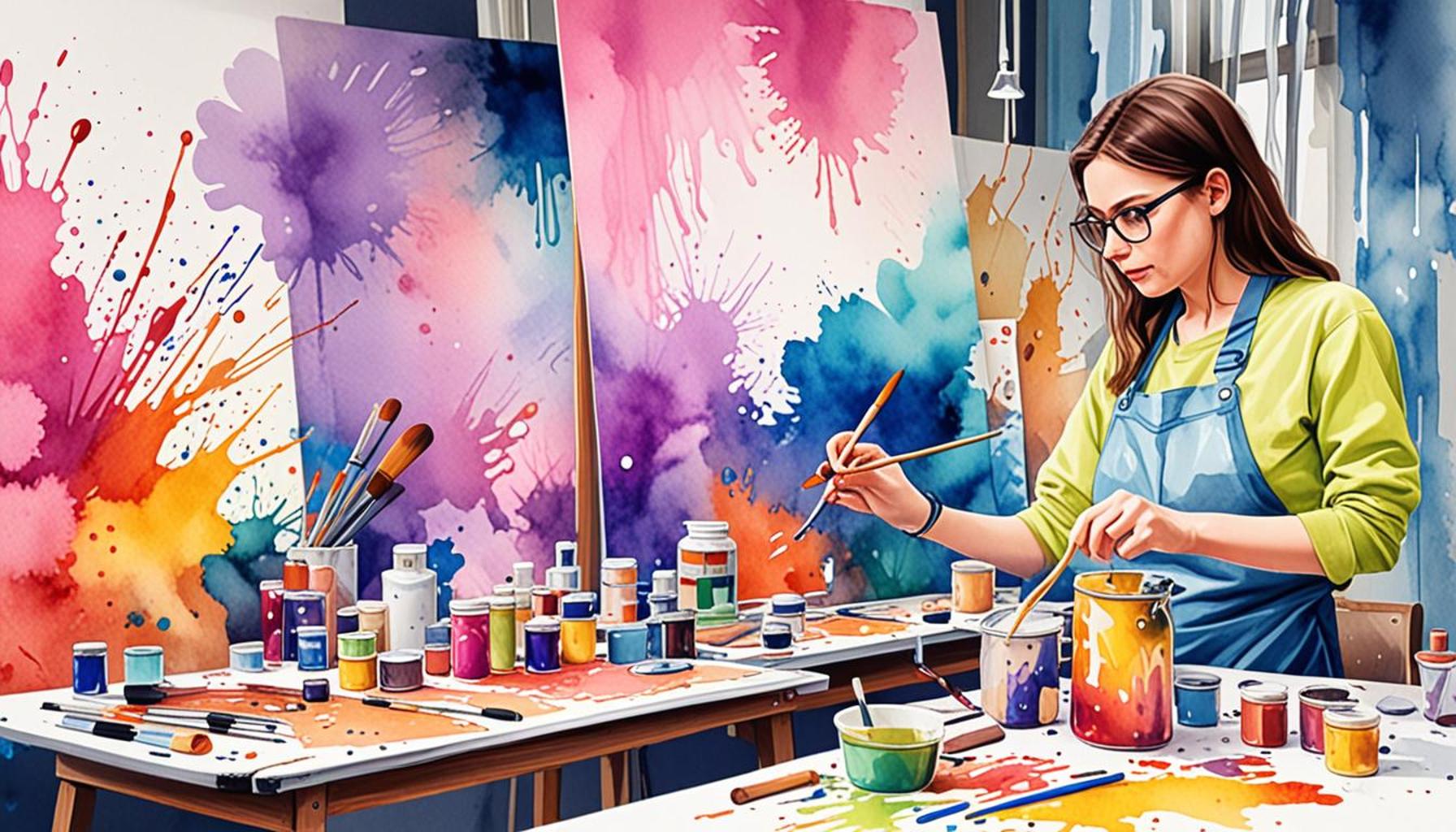
In the vibrant world of digital art, creativity knows no bounds. Artists from various backgrounds are harnessing the power of technology to express ideas, tell stories, and create visual experiences that engage audiences in new ways. As societies become more interconnected through digital platforms, the barriers that once limited artistic expression are being dismantled, allowing an unprecedented flow of inspiration and innovation.
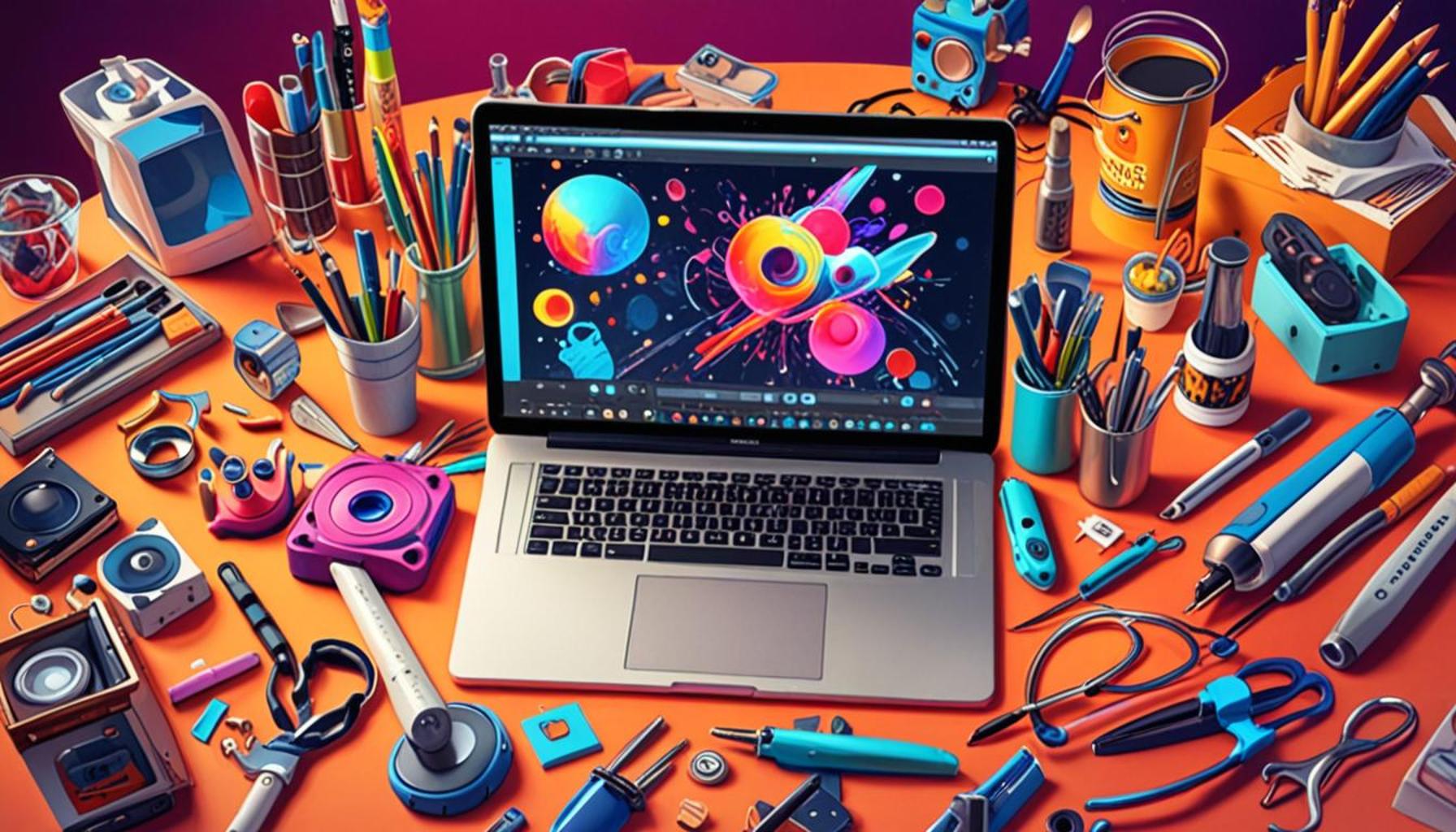
Numerous software and hardware options are available for aspiring digital artists, making it essential to navigate this dynamic environment. Here are some popular tools that serve as entry points into the world of digital creativity:
- Graphic tablets: Brands like Wacom and Huion are leading the way, offering devices that mimic the feel of traditional drawing while providing the precision necessary for digital illustration. These tools often come with customizable pressure sensitivity, allowing artists to create dynamic strokes that reflect their unique style.
- Vector software: Programs such as Adobe Illustrator and CorelDRAW are integral for artists looking to create scalable designs. Vectors are particularly useful for graphics that need to maintain clarity at different sizes, making them essential for branding and print production.
- 3D modeling programs: Tools like Blender and Autodesk Maya provide the capabilities to create lifelike models and animations used in films, video games, and virtual reality applications. These programs not only enable intricate 3D designs but also support rendering techniques that enhance visual storytelling.
In addition to the right tools, mastering various techniques can elevate digital artwork from ordinary to extraordinary. Here are some key skills to explore:
- Digital painting: This technique allows artists to replicate traditional brushwork and styles through software like Procreate or Adobe Fresco. The ability to layer textures and colors digitally can create depth and dimension that captivates audiences.
- Photo manipulation: With software such as Adobe Photoshop, artists can alter and blend images to produce surreal compositions that challenge perceptions of reality. This technique has gained popularity in advertising and social media, encouraging viewers to see the unexpected.
- Animation: Adding movement to illustrations with tools like After Effects or Toon Boom can bring concepts to life. Animations can be powerful in communicating ideas effectively, whether in educational content, promotional videos, or entertainment.
Delving into the realm of digital art opens up endless possibilities for creativity and self-expression. Whether you are an experienced artist or a curious beginner, exploring these tools and techniques promises an exciting journey into a virtual world where anything is possible. The digital art community is thriving, with platforms like Instagram, DeviantArt, and Behance providing spaces for artists to share their work, receive feedback, and connect with others. As you embark on this artistic journey, consider experimenting with various styles and mediums—your next masterpiece could be just a click away!
DISCOVER MORE: Click here for eco-friendly crafting tips
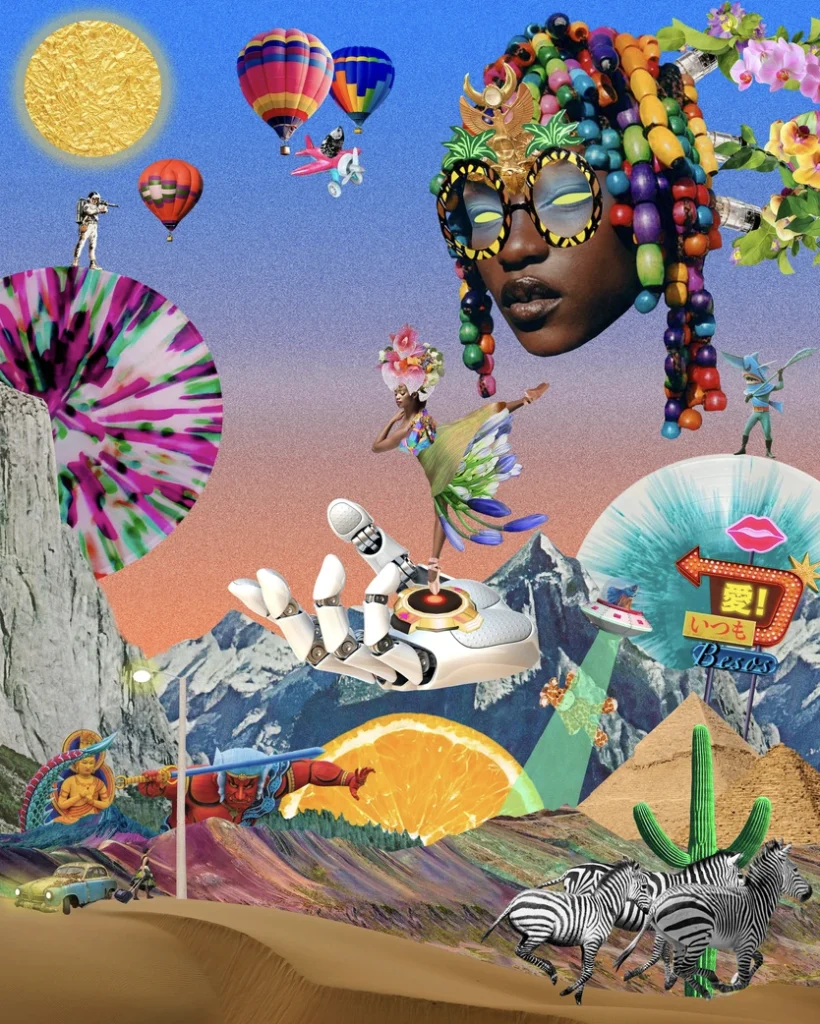
Essential Tools for Digital Creatives
As the digital art landscape evolves, so too does the array of tools available to artists. Whether you are a seasoned professional or a budding creator, understanding the different options can empower you to choose the right combination of resources tailored to your artistic vision. Here are some foundational tools that can enhance your digital art experience:
- Mobile Applications: With the progression of technology, powerful mobile applications like Procreate Pocket and Autodesk SketchBook have become accessible platforms for creating art on-the-go. These apps often come with touch-compatible user interfaces and a plethora of brushes and tools that provide flexibility without compromising quality, making them perfect for artists who wish to sketch and paint directly from their smartphones or tablets.
- Digital Asset Libraries: Resources such as Adobe Stock and Envato Elements offer vast collections of graphics, textures, and templates to experiment with. Incorporating these digital assets into your projects can save time while broadening your artistic palette, allowing you to experiment with styles and compositions that otherwise may not have been possible.
- Online Collaboration Tools: Platforms like Figma and Miro facilitate collaborative projects by letting multiple users work on designs in real-time. These tools are particularly valuable for artists looking to collaborate with others or gather feedback during the creative process, thereby enhancing the quality and depth of their projects.
Mastering Digital Techniques
While having the right tools is crucial, mastering digital techniques sets truly creative work apart. Here are some of the most notable techniques that aspiring digital artists can explore:
- Layering Techniques: Understanding how to effectively use layers in programs like Adobe Photoshop is essential for creating complex images. Layers allow artists to separate different elements of their work, making it easier to edit and adjust without affecting the entire composition. This skill is particularly useful for adding depth and dimension to illustrations.
- Brush Customization: Most digital painting programs allow for brush customization, granting artists the ability to create unique textures and effects. Learning how to modify brushes can lead to distinctive styles that reflect the artist’s personal touch, making their work stand out in a saturated market.
- Color Theory: A solid foundation in color theory can dramatically enhance the impact of digital artworks. Understanding color harmony and the emotional associations of different color palettes enables artists to evoke specific feelings in viewers, thereby elevating their work into a more immersive experience.
Each of these techniques serves to not only enhance digital artistry but also aids in developing a unique voice. By experimenting with various tools and techniques, artists can discover innovative ways to express themselves, ultimately pushing the boundaries of traditional and contemporary artwork. With endless potential waiting to be uncovered in the digital realm, the only limit is one’s imagination.
Exploring Digital Art: Tools and Techniques for Creating in a Virtual World
In the realm of digital art, various tools and techniques can dramatically enhance the creative process, allowing artists to express themselves in innovative ways. Artists are no longer confined to traditional mediums such as canvas and paint; instead, they can harness the power of technology to explore new frontiers. One of the most significant advantages of digital art is the vast array of software available, catering to different styles and preferences, from Adobe Photoshop to Procreate. These programs offer features such as layering, customizable brushes, and advanced color palettes that can elevate one’s artwork, providing a greater level of creative freedom.
| Category | Description |
|---|---|
| Software Versatility | Digital art software allows for a variety of styles, including digital painting, 3D modeling, and animation. |
| Accessibility | Artists can access their work anywhere, anytime, enhancing productivity and collaboration. |
Furthermore, the concept of collaboration has evolved dramatically in the digital age. Artists can connect with peers from across the globe, allowing for the sharing of techniques and feedback in real time. This has paved the way for community-driven projects, where artists come together to create digital exhibitions or collaborative pieces. Furthermore, virtual reality (VR) technology is revolutionizing how artists interact with their creations, allowing for immersive experiences that blend traditional art forms with cutting-edge technology.
As we delve deeper into the exciting world of digital creation, it becomes apparent that the possibilities are virtually limitless. Each tool and technique offers new opportunities for innovation, encouraging artists to explore their creativity without boundaries. The world of digital art is not just an evolution; it’s a revolution waiting to be embraced.
DIVE DEEPER: Click here to discover the art of sustainable cuisine
Innovative Trends in Digital Artistry
As digital art continues to flourish, it consistently gives rise to new trends that redefine the creative experience. Artists today are not simply adopting existing practices; they are pioneering innovative methods that reshape how art is perceived and created in the virtual realm. Below are some notable trends that aspiring digital artists should explore:
- 3D Art and Animation: With the advent of accessible software like Blender and Cinema 4D, artists have begun to branch into the 3D dimension, creating immersive environments and characters. This trend not only adds a new layer to storytelling but also opens up avenues for artists to present their work in interactive formats. Virtual reality (VR) platforms, such as Tilt Brush, allow creators to step inside their designs, blurring the lines between artist and audience.
- Augmented Reality (AR) Integration: Augmented reality is revolutionizing how we experience art. By overlaying digital creations in the real world, artists can engage viewers in unique ways. Applications like Artivive enable creators to embed animations and interactive elements in their work, offering an enriched experience that invites participation and exploration.
- Generative Art: Using algorithms and code to create art is gaining traction in the digital community. Artists are leveraging programming languages and software, such as Processing and TouchDesigner, to generate pieces that evolve unpredictably. Generative art’s fusion of technology and creativity challenges conventional definitions of authorship, encouraging a dialogue about the role of the artist in the creation process.
Embracing Online Communities
In the digital age, collaboration and community-building are pivotal to an artist’s growth. Online platforms have emerged as vital spaces for sharing work, receiving feedback, and connecting with peers. Social networks like Instagram and Behance are not merely showcases for portfolios; they serve as ecosystems that foster idea exchange and inspiration.
- Video Tutorials and Workshops: The rise of platforms like YouTube and Skillshare has democratized access to art education. Artists can easily find tutorials covering everything from beginner basics to advanced techniques. Engaging in these learning opportunities allows artists to hone their craft while staying updated on the latest tools and trends.
- Art Challenges and Competitions: Participating in online challenges, such as Inktober or Draw This In Your Style, helps artists push their creative boundaries and gain visibility. These formats not only serve as motivation but also as a means to connect with like-minded creators spanning the globe.
- Feedback and Critique Groups: Platforms such as ArtStation and DeviantArt facilitate constructive feedback that is essential for growth. Engaging in critique groups allows artists to gain insights from a diverse audience and refine their skills based on peer inputs.
The evolving digital art landscape invites artists to dabble in numerous techniques and tools while connecting with a vibrant community. As the boundaries of creativity are pushed, it leads to discoveries that challenge traditional norms, igniting a wave of innovation in how art is not just created—but experienced.
DIVE DEEPER: Click here to discover innovative crafting techniques
Conclusion: The Future of Digital Art
As we delve into the vibrant universe of digital art, it becomes clear that the landscape is continually evolving, shaped by technological advancements and the creativity of its artists. The tools and techniques available today, from 3D modeling to augmented reality, empower creators to explore uncharted territories and redefine the conventional confines of artistry. These innovations not only enhance artistic expression but also foster deeper connections with audiences, encouraging immersive experiences that challenge our understanding of art itself.
Moreover, the growing importance of online communities in nurturing artists’ growth cannot be overstated. As artists engage with platforms for sharing their work, exchanging ideas, and receiving valuable critiques, they gain insights that propel their creative journeys. Participation in global art challenges further cultivates a sense of belonging and inspires collaboration across diverse cultures. With access to an abundance of resources such as tutorials and workshops through platforms like YouTube and Skillshare, the barriers once separating aspiring artists from the seasoned professionals are dissolving.
Looking ahead, the future of digital art holds immense promise. As artists embrace new technologies and experimental methods, we can anticipate significant transformations in the way art is created, experienced, and appreciated. By exploring and adapting to these innovations, artists will not only enrich their own practices but also contribute to a continuously evolving dialogue about the role of art in our increasingly digital world. Embrace the opportunities that await, and let your creativity flourish in the vast virtual realm.