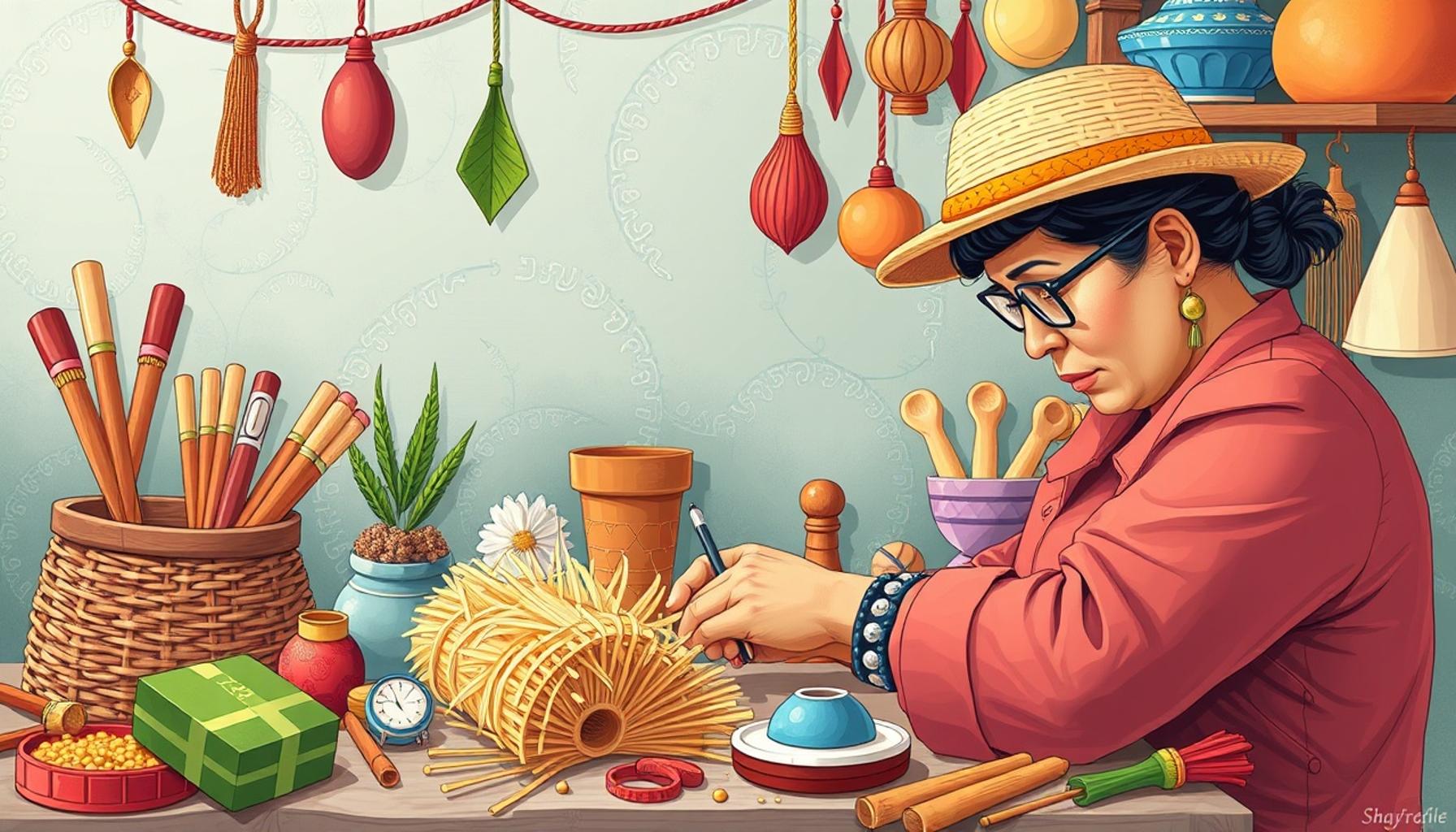
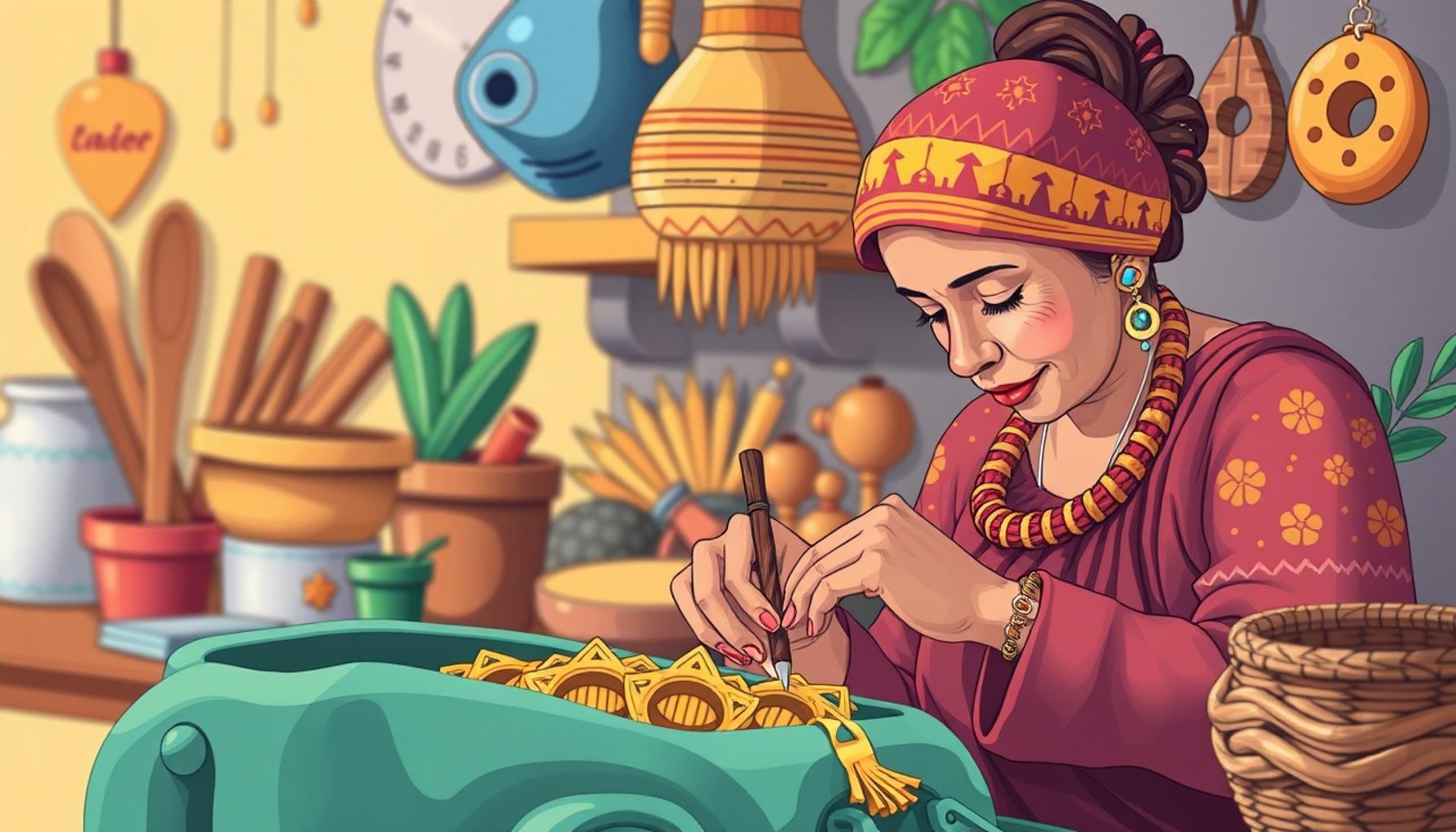
Exploring Ethnic Craftsmanship: Preserving Cultures Through Creativity
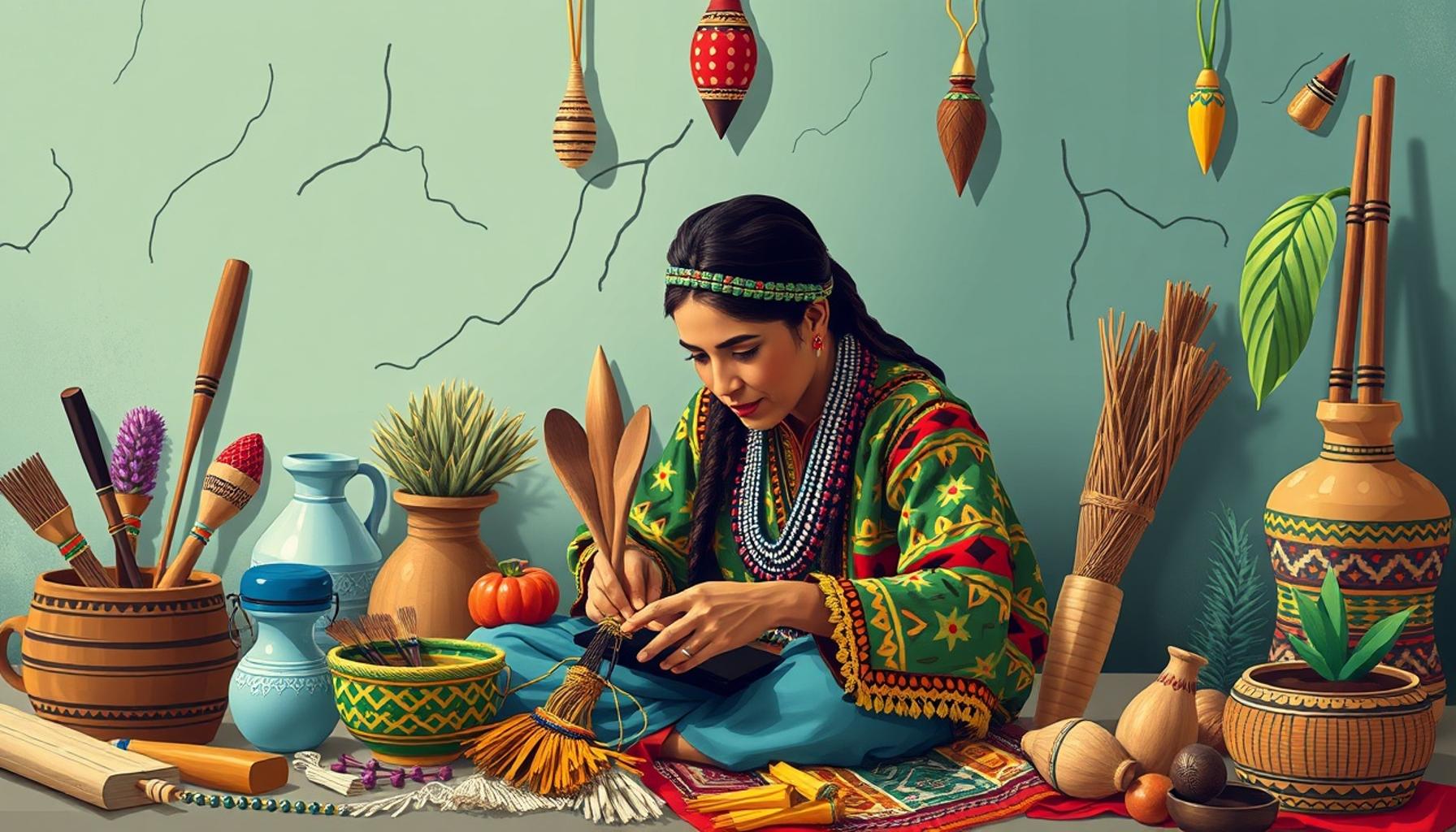
The Importance of Ethnic Craftsmanship
Artisan crafts possess a remarkable ability to weave together narratives that transcend time, bridging cultural divides and connecting individuals to their ancestral roots. Ethnic craftsmanship is not merely a form of decoration; it is a living testament to history, heritage, and the everyday life of communities worldwide. In each handcrafted item lies a story that reflects the values, struggles, and triumphs of those who created it. This depth of meaning adds layers of significance to every piece, making them far more than mere objects.
In today’s increasingly globalized world, the urgency to preserve these artistic skills becomes paramount. As cultures intermix and mass production undercuts local artisans, the unique techniques and stories embedded in ethnic craftsmanship risk being lost. This preservation effort is crucial not just for the artisans and their communities but for a broader audience that seeks to understand the diverse tapestries of human expression. Consider the following forms of ethnic craftsmanship:
- Textiles: The intricate weaving techniques employed by Native American tribes, such as the Navajo or Hopi, create beautiful rugs and blankets that are deeply imbued with symbolism and culture. Similarly, African fabric-making traditions often incorporate vibrant colors and patterns that speak to the history and identity of different tribes, illustrating stories passed from generation to generation.
- Pottery: Indigenous pottery from the Southwest, especially by groups such as the Pueblo peoples, highlights the use of local clay and natural pigments. These pieces often represent traditions of storytelling and serve as practical items, emphasizing harmony with nature. Each pottery piece crafted by hand holds unique characteristics, showcasing the individual artist’s style while echoing the broader cultural heritage.
- Woodwork: The delicate carvings found in American folk art, including the iconic wooden ducks from the Chesapeake Bay or intricately designed furniture from Shaker communities, preserve narratives unique to specific regions. These works not only demonstrate artisanship but also reflect local histories and cultural values, often serving functional purposes in everyday life.
Every handmade piece carries a narrative, underscoring the concept of diversity and enriching our collective cultural tapestry. By diving into the world of ethnic craftsmanship, we not only uplift artisans and their communities but actively participate in the safeguarding of these precious traditions for future generations. Furthermore, this exploration fosters an appreciation for the skills and artistry that have stood the test of time, allowing us to step into the shoes of those who came before us.
In our journey to celebrate various forms of craftsmanship, we will uncover the motivations and dreams of the artisans behind these works. Each item tells a tale that is not only representative of the artist’s heritage but also is essential to understanding the world we inhabit today. In recognizing this intrinsic value, we become better equipped to cherish and protect these lasting legacies that enrich our lives and cultural landscape.
Cultural Significance of Ethnic Craftsmanship
The deep-rooted traditions associated with ethnic craftsmanship reveal much about the social and cultural fabric of diverse communities. They serve as vital elements of identity, history, and continuity. For artisans, their craft embodies their heritage and is often a key means of expressing personal and collective narratives through creativity. As globalization accelerates, the importance of maintaining and celebrating these unique art forms grows ever more critical.
When we explore ethnic craftsmanship, we uncover a spectrum of practices that embody the values, rituals, and histories intrinsic to various communities. Consider the following categories that highlight the rich diversity of cultural expression found in these crafts:
- Jewelry Making: Artisan jewelry often incorporates locally sourced materials and ancient techniques, telling stories of cultural identity and personal expression. For example, Native American silversmithing, notably practiced by the Navajo Tribe, intricately merges silver with turquoise and other gemstones, reflecting not only aesthetic beauty but also spiritual significance.
- Basket Weaving: Various cultures use basket weaving to convey tradition and resourcefulness. From the coiled baskets of the Pomo tribe in California to the intricate patterns of the Woven Warriors in the Appalachian region, each piece carries its own story and purpose, often rooted in community and survival.
- Ceramics and Sculpture: Many indigenous communities create unique ceramic works that serve both practical and ceremonial purposes. The intricate designs of Zuni pottery, for example, often include motifs inspired by nature, each contributing to a broader understanding of the community’s worldview.
Ethnic craftsmanship not only provides artisans with a means of livelihood but also fosters a sense of pride and connection to their ancestry. The process of creating these works can be rich with ritual and communal knowledge, as skills are often passed down through generations. This transfer of knowledge is crucial in a world dominated by rapid technological change, as it anchors cultural heritage firmly in contemporary practice. When an artisan weaves a tapestry or creates a clay pot, they are not only creating a physical item; they are embodying stories, memories, and experiences that resonate throughout their community.
Furthermore, the act of preserving ethnic craftsmanship extends beyond merely maintaining artistic techniques. It plays a significant role in economic empowerment, as these crafts can create sustainable livelihoods. Many artisans are beginning to merge traditional methods with modern marketing strategies, connecting their goods to broader markets while staying true to their roots. By choosing to purchase handcrafted ethnic items, consumers not only support skilled artisans but also participate in the preservation of invaluable cultural heritage.
In the following sections of this article, we will delve deeper into the lives of specific artisans, the challenges they face, and the innovative ways in which they are adapting their practices to ensure their crafts not only survive but thrive in the modern landscape. Through these stories, we will better understand the profound impact of ethnic craftsmanship on preserving cultures through creativity.
| Advantages | Cultural Enrichment |
|---|---|
| Preservation of Heritage | Ethnic craftsmanship allows communities to maintain their traditional practices, ensuring cultural narratives are passed down through generations. |
| Economic Opportunities | Fostering local artisans generates new job prospects and boosts local economies while celebrating unique cultural identities. |
| Global Awareness | Promoting ethnic craftsmanship raises awareness of diverse cultures and ignites curiosity, encouraging individuals to appreciate global cultural heritage. |
| Creative Collaboration | Cross-cultural exchanges spark creative innovations, producing contemporary works that deepen understanding and respect among various groups. |
As communities around the world increasingly focus on the value of ethnic craftsmanship, there emerges a profound connection between creative expression and cultural preservation. The tradition of handcrafting not only reflects a rich tapestry of history but also nurtures economic sustainability for artisans. By harnessing unique artistic skills, craftspeople create products that resonate with cultural significance, offering buyers a tangible piece of heritage.The revival of traditional techniques highlights the importance of maintaining these skills in the face of modernization. Workshops and cultural events dedicated to ethnic craftsmanship serve as platforms where knowledge is actively shared, and appreciation for diverse cultural practices is fostered. This exchange not only revitalizes engagement with traditional art forms but also aligns with global movements aimed at protecting intangible cultural heritage.For many regions, these crafts provide essential job opportunities, helping artisans build sustainable livelihoods while contributing to their community’s identity. In a world increasingly dominated by mass production, the shift towards supporting ethnic craftsmanship encourages a renewed interest in local economies, urging consumers to consider the stories behind the products they choose. By supporting this movement, individuals partake in a broader narrative of cultural preservation and appreciation.
Challenges Facing Ethnic Artisans
Despite the charm and cultural weight of ethnic craftsmanship, many artisans face pressing challenges that threaten the survival of their crafts. In an era marked by mass production, globalization, and changing consumer behaviors, traditional artisans are continually navigating a complex landscape. Understanding these obstacles allows for a deeper appreciation of the resilience required in the preservation of cultural identities.
One significant challenge is the competition with mass-produced goods. The prevalence of inexpensive, machine-made items has made it difficult for artisans to compete on price. While handwoven textiles or handcrafted pottery reflect countless hours of labor and cultural significance, many consumers often opt for cheaper alternatives, inadvertently devaluing the artistry behind ethnic craftsmanship. This shift not only impacts financial viability but also risks the fading of traditional techniques.
Additionally, the decline in the availability of traditional materials poses another threat to artisans. As urbanization accelerates, resources that were once abundant and easily accessible are becoming scarce. For instance, many indigenous tribes may find that the natural dyes they relied on for generations are no longer available due to environmental changes, thereby compromising the authenticity of their work. Such changes challenge artisans to adapt their practices but can also act as a catalyst for innovation within traditional frameworks.
Preserving Techniques Through Community Engagement
Efforts to combat these challenges often hinge on community engagement and education. Several organizations are committed to teaching younger generations the intricacies of traditional crafts, ensuring that knowledge is not lost. These initiatives often encourage collaborative projects, where seasoned artisans mentor apprentices. Programs like Etsy’s Maker Cities initiative play a vital role in this regard, connecting local artisans with resources and markets while promoting cultural education.
Another effective approach in preserving ethnic craftsmanship involves leveraging technology. Artisans are increasingly using social media platforms to reach wider audiences, showcase their work, and share the stories behind their crafts. By participating in online marketplaces, such as Etsy or Aboubakar, these artisans extend their influence beyond local markets, attracting global customers who value authenticity and sustainability. This strategy not only boosts their visibility but also fosters appreciation for the cultural narratives woven into each piece.
The Role of Fair Trade and Ethical Consumerism
The rise of fair trade and ethical consumerism has also provided vital support for ethnic artisans. By purchasing goods from fair trade-certified organizations, consumers are assured that their purchases contribute to sustainable practices and fair wages for artisans. This conscious decision-making fosters a deeper understanding of the cultural significance of the craftsmanship while offering artisans a platform to thrive economically.
As interest in ethical production continues to grow among consumers in the United States, artisans are finding renewed hope in the potential to sustain their crafts. This cultural shift aligns with broader movements emphasizing sustainability and social responsibility, creating a compelling case for investing in authentic artisan products. The emphasis on stories behind the crafts helps to foster a stronger connection between artisans and consumers, enriching the overall value of the craftsmanship.
Through these collaborative efforts, community engagement, and innovative strategies, the narrative of ethnic craftsmanship transforms from one of struggle to resilience. These stories of perseverance exemplify the enduring spirit of creativity, underscoring the importance of preserving cultures through the art of craftsmanship.
Conclusion: A Future of Cultural Resilience
In a world increasingly defined by technological advancement and mass production, the journey of ethnic craftsmanship emerges as a compelling narrative of cultural resilience and creativity. By understanding the challenges faced by artisans—such as competition with inexpensive, machine-made products and the dwindling availability of traditional materials—we gain insight into the tenacity needed to maintain cultural identities. These artisans not only preserve age-old techniques but also adapt and innovate within their crafts to ensure their survival.
The dynamic interplay between community engagement, educational initiatives, and the strategic use of technology plays a pivotal role in fostering a new generation of artisans. As platforms like Etsy and movements centered around ethical consumerism gain traction, a broader audience can appreciate the intricate stories tied to each handcrafted item. This transition underscores the shift toward recognizing the inherent value of authenticity and sustainability in market choices.
Moreover, the rise of fair trade practices aligns with a growing collective consciousness among consumers in the United States, promoting a more ethical approach to commerce that benefits artisans economically while preserving their cultural narratives. By purchasing handmade goods, consumers do more than acquire products; they participate in a larger dialogue about cultural preservation, sustainable practices, and the global interconnectedness of our world.
Ultimately, the future of ethnic craftsmanship lies in the delicate balance of honoring tradition while embracing innovation. As we explore and support these artistic expressions, we contribute to a richer, more diverse cultural tapestry worth celebrating and preserving for generations to come.