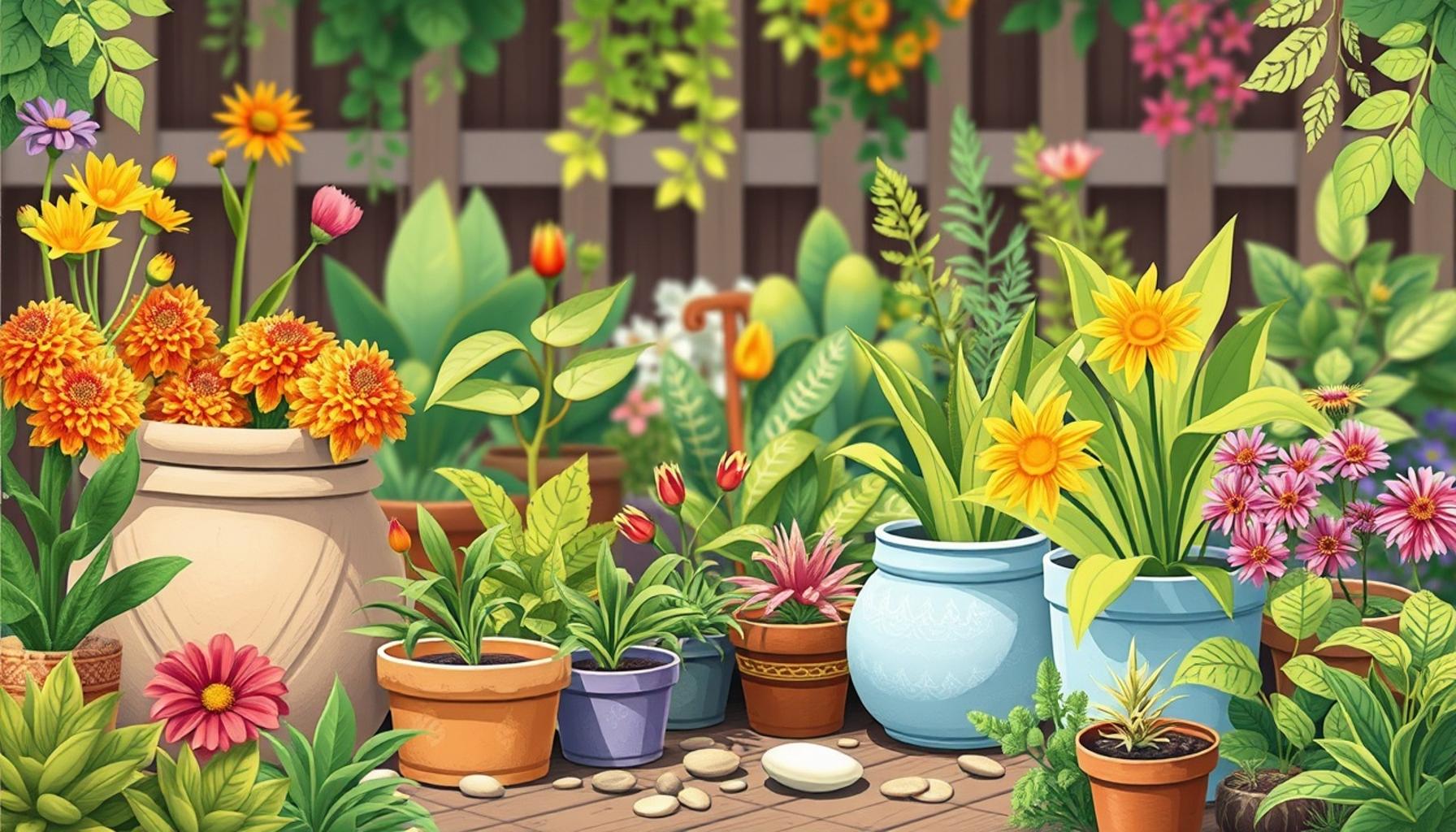
Exploring Recycling Gardening: Creating Gardens with Sustainable and Innovative Materials
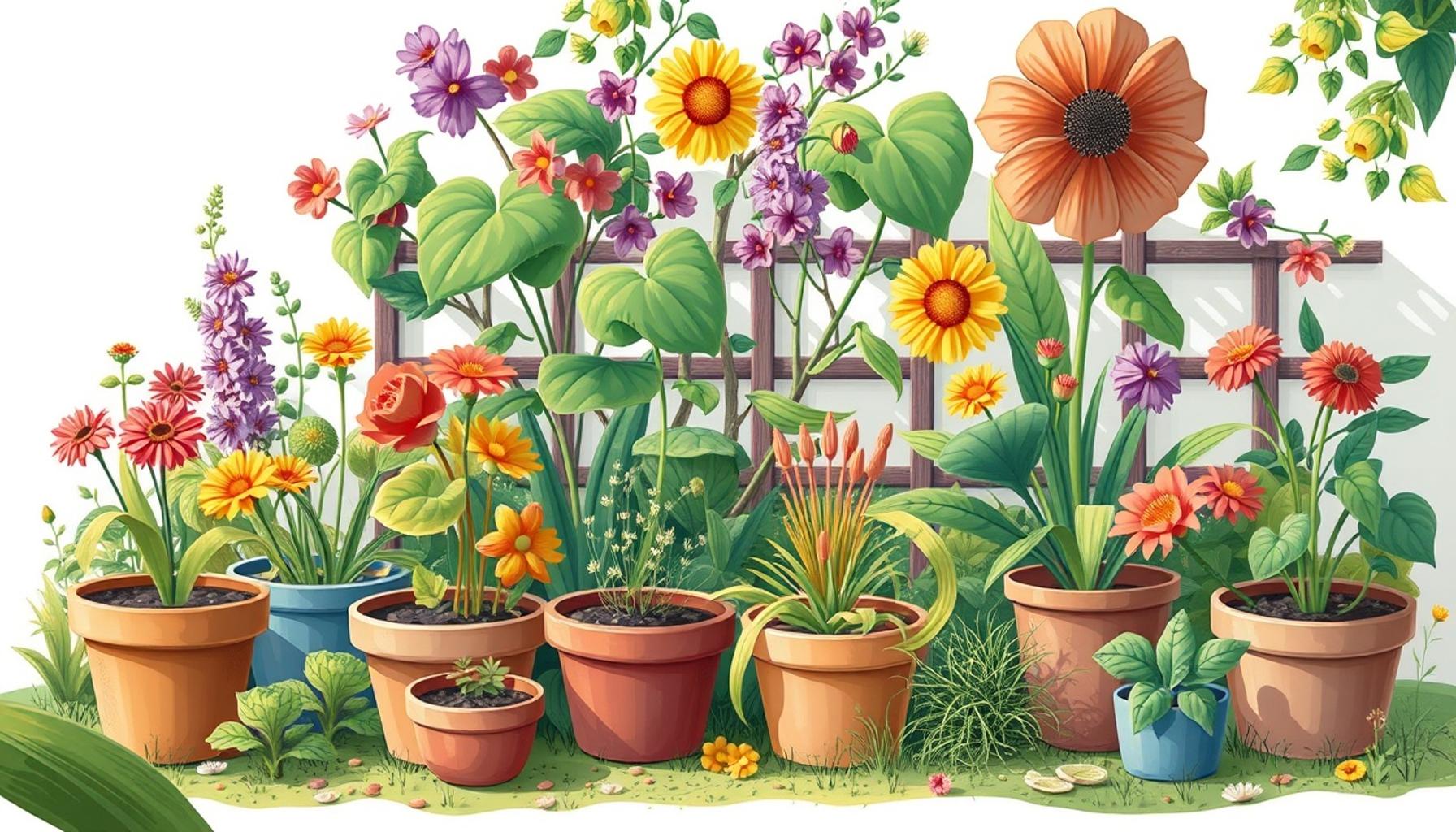
Embrace Sustainability in Your Garden
In a world increasingly focused on sustainability, recycling gardening stands out as a creative and impactful movement. This innovative approach not only promotes environmental stewardship but also invites enthusiasts to explore unique materials that redefine traditional gardening. By adopting sustainable practices, gardeners contribute to a healthier planet while cultivating a more personalized and resourceful garden.
Imagine transforming everyday waste into vibrant life. This concept goes beyond mere aesthetics—it’s about minimizing waste and maximizing resource use. Below are some key concepts to inspire your journey:
- Upcycled Containers: Instead of buying new planters, consider using old tires, wooden pallets, or even tin cans as planters. For instance, a painted tire can add a pop of color to your garden while providing an unconventional home to flowers or vegetables. Wooden pallets can be transformed into vertical gardens, perfect for small spaces or urban living. Even tin cans can serve as cheerful herb holders when painted and adorned with labels.
- Composting: Turn kitchen scraps and yard waste into nutrient-rich soil. Composting not only reduces landfill waste but also enriches the soil in your garden. Kitchen scraps such as fruit peels, vegetable trimmings, and even coffee grounds can be collected in a compost bin. Yard waste, including leaves and grass clippings, can also be added to create a balanced compost mix. The result is nutrient-dense soil that enhances plant growth and health.
- Natural Mulching: Repurpose leaves, grass clippings, or straw to prevent soil erosion and conserve moisture. Natural mulch acts as a protective layer that reduces the need for additional watering while suppressing weeds. As a bonus, organic mulch breaks down over time, adding valuable nutrients back into the soil.
By leveraging what we often discard, recycling gardening fosters a deeper connection to nature and our communities. It creates not just gardens, but sustainable habitats that benefit local ecosystems. This practice not only encourages biodiversity but also supports a local economy focused on sustainability—by seeking out nearby sources for materials, individuals can strengthen community ties.
As we delve deeper into this fascinating practice, we explore how individuals across the United States are leading the charge. From community gardens in urban settings that utilize recycled materials, to suburban backyards embracing compost initiatives, there is an abundance of inspiring stories waiting to be uncovered. Join us on this journey to discover practical tips, innovative projects, and heartwarming anecdotes that prove that a greener tomorrow starts in our backyards.
Whether you are a seasoned gardener or a curious beginner, the world of recycling gardening offers ample opportunities for creativity and sustainability. The journey not only enriches your garden but also contributes to a larger movement towards environmental responsibility. So start exploring, inventing, and cultivating a greener future today.
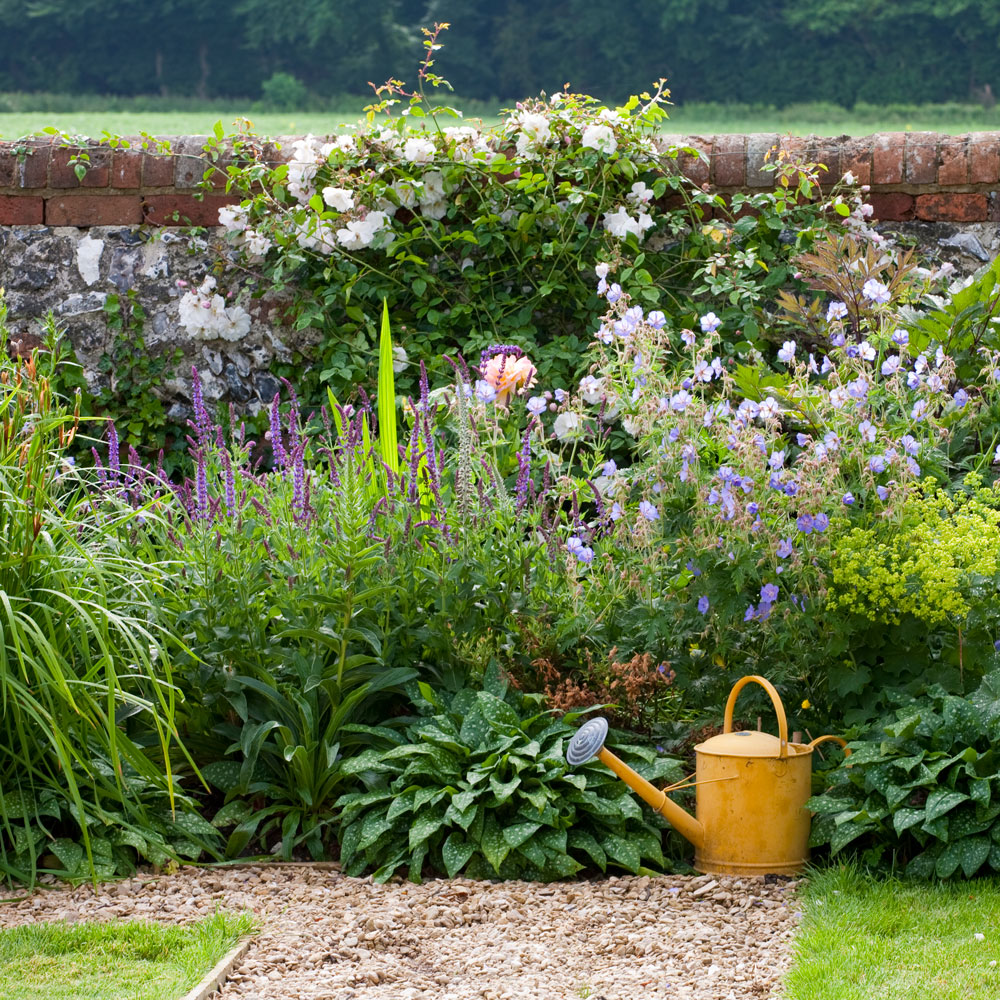
Innovative Ideas for Sustainable Gardening
As the movement towards sustainable practices continues to gain momentum, recycling gardening offers numerous innovative solutions for environmentally conscious gardeners. By integrating recycled materials into your gardening routine, you not only reduce waste but also create a unique aesthetic and functional space. Below are some creative approaches that illustrate how you can enhance both your garden and your commitment to sustainability.
Creative Uses for Recycled Materials
One of the most exciting aspects of recycling gardening is the variety of materials available for reuse. Here are some unconventional ideas that showcase how everyday items can find new life in your garden:
- Bottles as Vertical Planters: Plastic bottles can be transformed into vertical planters, perfect for growing herbs or trailing plants. Simply cut the bottles in half, fill with soil, and hang them on a wall or fence. This not only saves space but also gives your garden a modern twist.
- Old Furniture Revival: Give new life to discarded furniture items such as chairs or dressers by converting them into quirky plant stands or raised beds. A vintage dresser can become a stunning planting station, where each drawer hosts its own vibrant mix of flowers or vegetables.
- CDs for Garden Decor: Old CDs can sparkle in the sunlight when hung among your plants, functioning both as garden ornaments and as scare devices to deter birds. Their reflective surfaces create a dazzling display while protecting your fruits and veggies from unwanted feasting.
- Paper and Cardboard Compost: Don’t underestimate the power of paper and cardboard! These materials break down remarkably well in compost. When used judiciously, they help balance green and brown materials, ensuring a rich compost mix for your garden.
These creative uses for recycled materials not only highlight the potential of what we often throw away but also encourage gardeners to embrace resourcefulness. The art of recycling gardening can be viewed as an adventure, where each project presents an opportunity to rethink and reinvent.
Engaging the Community
As we explore these sustainable gardening practices, it’s essential to recognize the role of community in nurturing this movement. Many neighborhoods have begun forming gardening clubs and workshops that focus on recycling gardening. These initiatives serve as platforms for sharing ideas, pooling resources, and fostering a sense of camaraderie among local gardeners.
Urban areas, in particular, have seen the rise of community garden projects, where residents collaborate to create green spaces using recycled materials. These gardens not only produce food but also act as vital green lungs for cities, promote biodiversity, and strengthen neighborhood ties. Engaging with your local community can hence amplify the impact of your gardening efforts while uniting like-minded individuals with a passion for sustainability.
As we continue our exploration of recycling gardening, remember that the adaptability and innovation of using recycled materials opens up a world of possibilities. Whether enhancing your own garden or participating in a broader community effort, each step taken contributes to a sustainable future, where creativity meets environmental responsibility.
| Advantage | Description |
|---|---|
| Use of Recycled Materials | Utilizing items like old tires and pallets not only reduces waste but also provides unique aesthetics. |
| Environmental Benefits | Recycling gardening enhances biodiversity and minimizes carbon footprint while promoting sustainable practices. |
The concept of exploring recycling gardening involves innovative methods of creating beautiful spaces while prioritizing sustainability. The integration of recycled materials not only promotes environmental stewardship but also creatively transforms discarded items into functional beauty. For instance, utilizing old tires as raised beds can create interesting textures, while wooden pallets can easily be repurposed into vertical gardens.Furthermore, engaging in recycling gardening supports local ecosystems. It encourages biodiversity by creating habitats for various species. Materials that might otherwise be sent to landfills become resources in the hands of passionate gardeners, leading to a decreased carbon footprint. Imagine cultivating a vibrant garden made out of seemingly useless items that, with a little creativity, reinvent the notion of beauty and functionality in green spaces.This approach captivates community interest, sparking discussions about sustainable practices, permaculture, and innovative design, leading readers to explore further possibilities in eco-friendly gardening. Embracing these methods fosters a sense of responsibility and curiosity, prompting individuals to engage with their environment in meaningful ways. Why not investigate how simple changes in gardening practices can lead to extraordinary results?
Building Eco-Friendly Garden Structures
In addition to reusing everyday items for plant holders and decorations, creating structures in your garden from recycled materials can significantly reduce your environmental footprint while enhancing the aesthetic appeal of your outdoor space. Sustainable garden structures made from repurposed materials serve vital roles in supporting plants, providing shade, and defining areas within your garden. Here are some engaging ideas that will help you incorporate sustainable structures into your gardening practice:
- Pallet Planters: Wooden pallets can easily be transformed into beautiful planters or raised beds. They are abundant and often available for free from local businesses. By stacking and securing pallets, you can create tiered planters that add dimension to your garden, allowing you to grow a variety of herbs, vegetables, or flowers with ease.
- Wine Bottle Edging: Turn empty wine bottles into an attractive garden border or pathway edging. Bury the bottoms of the bottles in the soil at an angle to create a striking visual effect while delineating your garden beds. This not only uses a material that would otherwise contribute to landfill waste but also adds a fun and colorful element to your landscaping.
- Tree Branch Arbors: Utilize fallen branches or driftwood to construct natural arbors or trellises. These organic structures blend seamlessly into the environment, providing support for climbing plants like beans or cucumbers while also enhancing the rustic charm of your garden.
- Fence Panels from Reclaimed Wood: Instead of purchasing new fencing materials, explore local sources for reclaimed wood. Old barn wood or deconstructed pallets offer a unique, weathered look while promoting sustainability. Build creative designs that allow your garden to thrive and remain protected from outside influences.
These eco-friendly garden structures illustrate the intersection of creativity and sustainability in gardening. Each piece tells a story, showcasing the beauty of reimagined materials while enhancing the functionality of your green space.
Utilizing Water Conservation Techniques
Implementing recycling gardening practices also means being mindful of water usage, a critical aspect of sustainable gardening. With growing concerns over water scarcity in many regions of the United States, employing water conservation techniques can significantly impact both your garden’s health and the environment. Here are some innovative and sustainable strategies for conserving water:
- Rainwater Harvesting: Installing a rain barrel to collect rainwater is an effective and eco-friendly method to secure water for your garden. By channeling rainwater from roofs, you can provide a sustainable source for irrigation. This practice not only conserves treated water but also reduces runoff and prevents erosion in your yard.
- Drip Irrigation with Recycled Tubing: Consider installing a drip irrigation system using recycled hoses or tubing. This targeted watering method minimizes water wasted through evaporation and runoff, allowing plants to absorb moisture directly at their roots. Adjusting systems for specific plant needs becomes much easier, fostering healthier growth.
- Mulching: An abundant supply of organic mulch—made from shredded leaves or cardboard—provides excellent insulation for soil, which retains moisture and prevents weed growth. By recycling materials from your home and yard, you can keep your plants hydrated while enhancing soil fertility.
- Colorful Mosaic Paths: Create pathways in your garden with broken tiles, glass, or stones, which can be both beautiful and functional. These surfaces are durable and allow rainwater to seep into the soil, reducing runoff and improving water absorption.
Adopting water conservation techniques not only supports sustainable gardening practices but also encourages gardeners to be more resourceful in their methods. By embracing innovative ideas, you can create an abundant green space while preserving crucial water resources.
Conclusion
In conclusion, exploring recycling gardening not only opens the door to creativity and innovation but also plays a crucial role in promoting sustainability in our everyday lives. By integrating recycled materials into our gardens, whether through clever plant holders, unique garden structures, or effective water conservation techniques, we can reduce waste and foster a more eco-friendly environment. The transformation of everyday items into functional garden elements showcases the limitless potential of creativity in sustainable living.
As we collectively face increasing environmental challenges, engaging in recycling gardening can serve as both an educational experience and a personal contribution to a greener future. By repurposing materials such as pallets, wine bottles, and reclaimed wood, we not only enhance the visual appeal of our gardens but also create resilient ecosystems that reduce resource consumption. Implementing water-saving strategies, like rainwater harvesting and drip irrigation systems, allows us to cultivate vibrant gardens while conserving precious natural resources.
Ultimately, the journey into recycling gardening encourages us to rethink our relationship with waste. In a world filled with possibilities, embracing sustainable and innovative materials can inspire a deeper appreciation for nature while igniting community efforts towards eco-conscious gardening. So, gather those discarded items and let your garden evolve into a living testament to sustainability. Explore, create, and enjoy the beauty that arises from recycling gardening—it’s not just a trend; it’s a responsibility we all share for the planet.