
How traditional board games can promote critical thinking skills and socialization
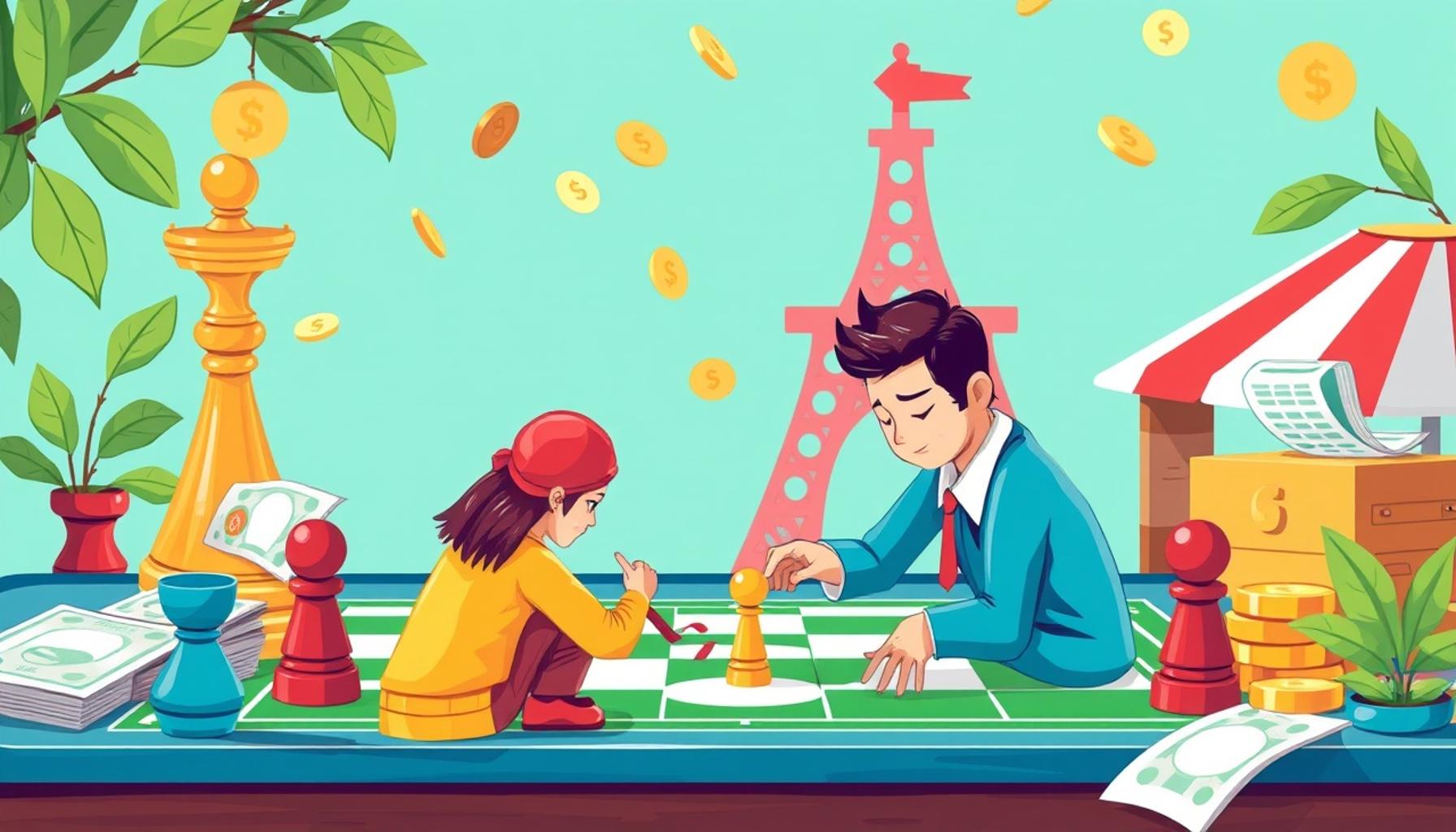
The Timeless Appeal of Board Games
Board games have transcended generations, captivating players with their intricate strategies and dynamic social interactions. These classic pastimes not only entertain but also serve as vital tools for enhancing critical thinking skills and promoting socialization among players. As people increasingly seek immersive experiences, the enduring allure of traditional board games shines brightly amidst the digital chaos of modern entertainment.
One of the critical benefits offered by board games is strategy development. Take chess, for instance. Each move requires players to not only think about their own strategy but also to anticipate their opponent’s tactics, fostering a mindset of foresight and adaptability. Similarly, games like Settlers of Catan invite players to build settlements and strategize resource management, teaching them the importance of planning ahead while competing against others. This necessary foresight can translate into real-world skills, as individuals learn to navigate complex situations.
Another significant benefit is the enhancement of problem-solving skills. Many board games present players with intricate challenges that require logical reasoning and critical decision-making. For example, games like Ticket to Ride challenge players to connect cities across a map by planning routes, weighing options, and making calculated risks. This cognitive engagement not only develops analytical skills but also fosters resilience, as players learn to cope with setbacks and reevaluate their plans in the face of unpredictability.
Finally, the social interaction aspect of board games cannot be overstated. In an increasingly isolating digital world, board games create an environment conducive to genuine conversation and connection. Engaging in friendly competitions, whether in a cooperative game like Pandemic where players must collaborate to save the world from a viral outbreak, or a competitive match of Monopoly, encourages players to communicate, negotiate, and even resolve conflicts in a playful setting. This social engagement is essential for building meaningful relationships, with many lasting friendships forged around a game board.
As society moves further into the realm of virtual entertainment, revisiting traditional board games can provide a refreshing alternative that sharpens intellect while nurturing relationships. Recent studies have shown that gameplay can significantly improve cognitive function, emotional intelligence, and even interpersonal skills. For instance, players who regularly engage in board games often demonstrate enhanced empathy and understanding when interacting with others.
In conclusion, delving into the world of board games reveals not only a source of entertainment but also a treasure trove of life skills. Each game offers unique challenges and rewards, enriching our lives mentally and socially. So why not gather some friends or family, dust off that classic game set, and experience the engaging world of board games? You might find that you’re not just playing a game; you’re building bonds and enhancing your mind in the process.
DISCOVER MORE: Click here to dive deeper
Fostering Critical Thinking Through Gameplay
At the heart of traditional board games lies a complex framework that fosters critical thinking skills. Many of these games require players to utilize various cognitive processes, engaging their analytical abilities and challenging their creativity. Games such as Scrabble compel players to expand their vocabulary while strategizing placements on the board, encouraging not just language skills but also spatial reasoning. Similarly, games like Risk involve careful planning and calculated risk-taking as players navigate the intricacies of global domination, sharpening skills in risk assessment and strategic foresight.
Additionally, board games often require players to employ multilayered strategies, pushing them to consider not only their immediate goals but also the long-term implications of their decisions. This multifaceted nature of gameplay teaches players the importance of adaptability and flexibility, traits essential for success in various life situations. For example, in games such as Carcassonne, players must continuously adjust their strategies based on the evolving landscape of the game. This aspect of adaptability emphasizes the significance of being able to rethink strategies in response to unforeseen changes.
Enhancing Problem-Solving Capabilities
Board games serve as a fertile ground for developing problem-solving capabilities. Players are often faced with puzzles and obstacles that require inventive solutions and quick thinking. Through games like Clue, participants must gather information, analyze motives, and deduce who committed a crime, which enhances their logical reasoning skills. The social dynamics in these games further enrich the problem-solving experience, as players often collaborate or compete, prompting discussions that may introduce diverse perspectives and solutions.
This engagement in problem-solving can lead players to develop a systematic approach to challenges, enhancing their cognitive skills both in and out of gaming. For instance, game nights that involve traditional classics promote an environment of healthy competition where players learn the value of analyzing mistakes, reflecting on decisions, and choosing new paths based on prior experiences. The implications of this practice extend far beyond the game board, as individuals begin to apply these learned skills in real-world scenarios, boosting their confidence and ability to navigate complex situations.
Creating a Foundation for Social Interaction
Beyond cognitive development, traditional board games elevate the importance of social interaction. In a time dominated by digital communication, the tactile nature of board games encourages authentic social connections. Multi-player games like Monopoly and Taboo serve as platforms for players to engage in face-to-face discussions, fostering friendships through shared experiences. These games provide not only entertainment but also enable individuals to improve their communication skills, practice negotiation tactics, and experience collective decision-making.
- Strengthened Communication: Players learn to articulate ideas and negotiate strategies, fostering clearer expression.
- Conflict Resolution: The competitive nature of many games teaches players how to manage disputes and reach agreements amicably.
- Teamwork Skills: Cooperative games necessitate collaboration, urging players to work together and build camaraderie.
Overall, the engaging nature of traditional board games cultivates an environment ripe for socialization, helping to break down barriers and nurture interpersonal relationships. This social skill development is crucial, as it lays the groundwork for meaningful connections that can last a lifetime.
Exploring the Benefits of Traditional Board Games
Traditional board games have stood the test of time, serving as more than just a source of entertainment. They are powerful tools for enhancing cognitive skills and fostering social interaction. One of the primary advantages of such games is their ability to promote critical thinking skills. As players engage in strategic decision-making, they must analyze their options and anticipate their opponents’ moves. This often requires problem-solving abilities, which are essential in both academic and real-world scenarios. For instance, games like Chess and Settlers of Catan demand foresight and planning, helping players develop a mindset geared towards strategic thinking.Moreover, board games are social activities that encourage communication and collaboration among participants. Playing a game often involves discussing strategies, negotiating with others, and resolving conflicts—key components of effective socialization. By engaging in these interactions, players not only strengthen their relationships but also build valuable interpersonal skills that translate into real-life situations. Games such as Pictionary and Charades foster teamwork, as participants must work together to achieve a common objective.To further illustrate the advantages, let’s take a look at a well-organized table highlighting specific benefits of traditional board games:
| Category 1 | Category 2 |
|---|---|
| Critical Thinking | Engagement in strategy formulation and risk assessment. |
| Social Skills | Opportunities for collaboration and conflict resolution. |
These attributes of traditional board games make them invaluable in cultivating essential life skills. Not only do they entertain, but they also offer pathways to developing important cognitive and social skills that can have lasting impacts on individuals.
DIVE DEEPER: Click here to uncover more insights
Nurturing Emotional Intelligence Through Play
One of the lesser-discussed but essential benefits of traditional board games is their role in nurturing emotional intelligence. As players interact during gameplay, they are exposed to various emotional cues—expressions of joy, frustration, excitement, and even disappointment. Games such as Uno and Guess Who? demand awareness of both one’s own emotional responses and those of others, which is fundamental in developing empathy. This emotional awareness allows players to recognize the impact of their actions on others, fostering an environment where emotional literacy flourishes.
Moreover, traditional board games often evoke competitive spirits, leading to intense moments of victory and defeat. How players handle these emotions can inform social dynamics and relationships. For example, during a game of Settlers of Catan, players must negotiate trades and alliances, navigating the emotional terrain of collaboration and competition. This complexity reinforces the importance of managing one’s emotions and understanding others’ feelings, strengthening the fabric of social interaction.
Encouraging Risk-Taking and Decision-Making
Participating in board games can cultivate a healthy attitude towards risk-taking and decision-making. Games like Monodeal not only involve player choices regarding resource allocation and trading strategies but also emphasize the consequences of those choices. When players face a significant decision—such as whether to trade a valuable resource or hold onto it—they learn to weigh potential outcomes and confront their fears of failure. This willingness to take calculated risks translates into real-world scenarios, empowering players to make more informed decisions through practice.
Additionally, traditional board games serve to smooth out the trials of making mistakes in a low-stakes environment. When a player missteps or presses the ‘wrong’ strategy, they have the opportunity to reflect and learn. This cycle of decision-making, experiencing consequences, and recalibrating approaches fosters resilience, an essential component of a well-rounded thinker. For example, the classic game of Chess encourages players to contemplate every move carefully, weighing risks against rewards, persisting even when faced with setbacks.
Building Lifelong Friendships
The social aspect of traditional board games can result in lasting friendships, transcending age, demographics, and cultural backgrounds. Regular game nights create a space for people to gather, share stories, and bond over mutual interests. The laughter and competitive banter can lead to deeper connections, reinforcing social ties that may otherwise remain casual. Games like Pictionary or Apples to Apples not only contribute to fun but provide shared experiences that can strengthen the ties between participants.
- Shared Experiences: Collaboratively battling through challenges or celebrating victories builds shared memories that enhance mutual understanding.
- Diverse Social Circles: Board games often attract a variety of players, nurturing diverse friendships whether in family settings or community meet-ups.
- Confidence in Social Settings: Regular engagement in group games can improve social skills, increasing confidence in one’s ability to connect with others.
In conclusion, the socialization fostered through traditional board games creates a rich tapestry of relationships, where players learn to communicate effectively, resolve conflicts, and enjoy camaraderie. This interactive experience underscores the importance of in-person connection in an age dominated by digital interfaces, emphasizing the enduring relevance of these classic games in cultivating both critical thinking skills and meaningful social interactions.
DISCOVER MORE: Click here to learn about the link between mind games and emotional resilience
Conclusion
In a world increasingly driven by technology and digital interaction, the enduring appeal of traditional board games presents a valuable opportunity for developing critical thinking skills and fostering socialization. Through strategic gameplay, players engage in intricate problem-solving that sharpens their analytical abilities, enhances decision-making, and nurtures a keen sense of judgment. Each roll of the dice or card drawn becomes a lesson in evaluating risks and learning from repercussions, which are skills that extend far beyond the gaming table.
Moreover, the social nature of these games serves as a critical bridge for interpersonal connection. By navigating the emotions of competition and cooperation, players cultivate essential soft skills such as communication, empathy, and conflict resolution. Traditional board games create a vibrant space for forging friendships and family bonds, reminding us of the significance of human interaction in our increasingly isolated digital lives.
As individuals gather around a game board, they not only revel in the excitement of play but also invest in meaningful relationships that enrich their lives. With games such as Scrabble, Settlers of Catan, and others at the forefront of social gatherings, we find that the laughter and camaraderie experienced during gameplay can inspire a strong sense of community.
Ultimately, traditional board games stand as a testament to the power of play in promoting both cognitive skills and social bonding. Embracing these timeless activities can lead to remarkable personal growth, creating a legacy of critical thinkers and connected individuals in an age that could benefit from more face-to-face engagement.