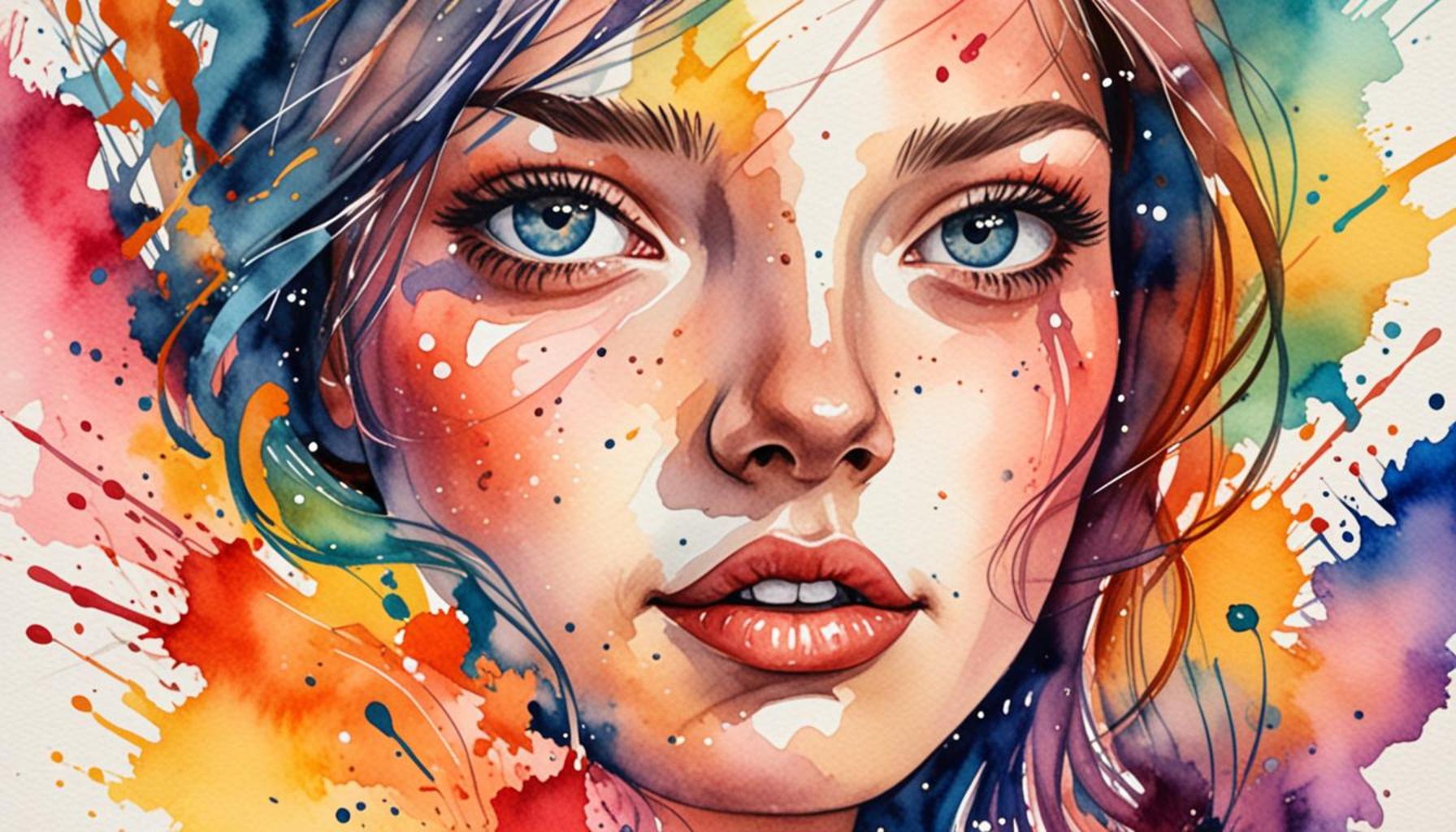
Photography as a Form of Art: Capturing Moments and Emotions in Creative Exploration

The Essence of Photography
Photography transcends mere documentation; it encapsulates the essence of life through its lens. This form of art is a powerful medium that allows creators to explore and express the intricate nuances of human experience. From fleeting expressions to wide vistas, photography conveys profound emotions and preserves memories in ways that resonate deeply with viewers.
Consider the various styles of photography that serve as avenues for creative exploration. Each style not only captures distinct subjects but also employs unique techniques that elevate the narrative quality of the images.
- Portrait Photography: This style focuses on capturing the soul of an individual within a single frame. Portraits can showcase personalities, moods, and even the complexities of emotions in a fleeting minute. Renowned photographers like Annie Leibovitz have expertly blended lighting and composition to reveal deeper stories behind the faces they capture.
- Landscape Photography: Here, artists like Ansel Adams transformed breathtaking vistas into captivating stories, encapsulating vast natural beauty through meticulous framing and exposure techniques. Landscape photography often involves traveling to picturesque locations and waiting for the perfect light to create an image that resonates with the viewer, evoking wanderlust or serenity.
- Street Photography: This style involves seizing candid moments that reflect the heartbeat of urban life. Capturing the everyday struggles and joys of individuals can elicit strong connections with viewers. Photographers like Henri Cartier-Bresson utilized a decisive moment approach, where timing is everything, revealing the unfiltered dynamics of societal interactions.
- Documentary Photography: This genre tells compelling narratives that invoke social change or awareness, often shining a light on underrepresented issues. Photographers such as Dorothea Lange captured powerful images during the Great Depression that influenced public opinion and policy, showcasing the lasting impact of visual storytelling on society.
Each style offers unique techniques and artistic approaches, contributing to a rich tapestry that showcases diversity in perspective and creativity. With the rapid advancement of technology—from film cameras to digital innovations—photographic art has evolved to meet contemporary demands, allowing for endless possibilities in expression and reach. Modern smartphones, with their advanced camera systems, have democratized photography, enabling everyday people to capture and share their narratives.
This article delves into how photography not only captures isolated moments but also evokes a symphony of emotions. The interplay of light, shadow, and composition can elicit empathy, joy, sadness, or nostalgia that resonates in the viewer’s heart. Join us in exploring the compelling world of photography as a profound art form, where each click of the shutter can tell multifaceted stories that invite viewers to pause, reflect, and connect. Through photography, we understand not just the world around us, but also the richness of our shared human experience.
DIVE DEEPER: Click here to learn how improvisation fuels creativity
The Power of Visual Storytelling
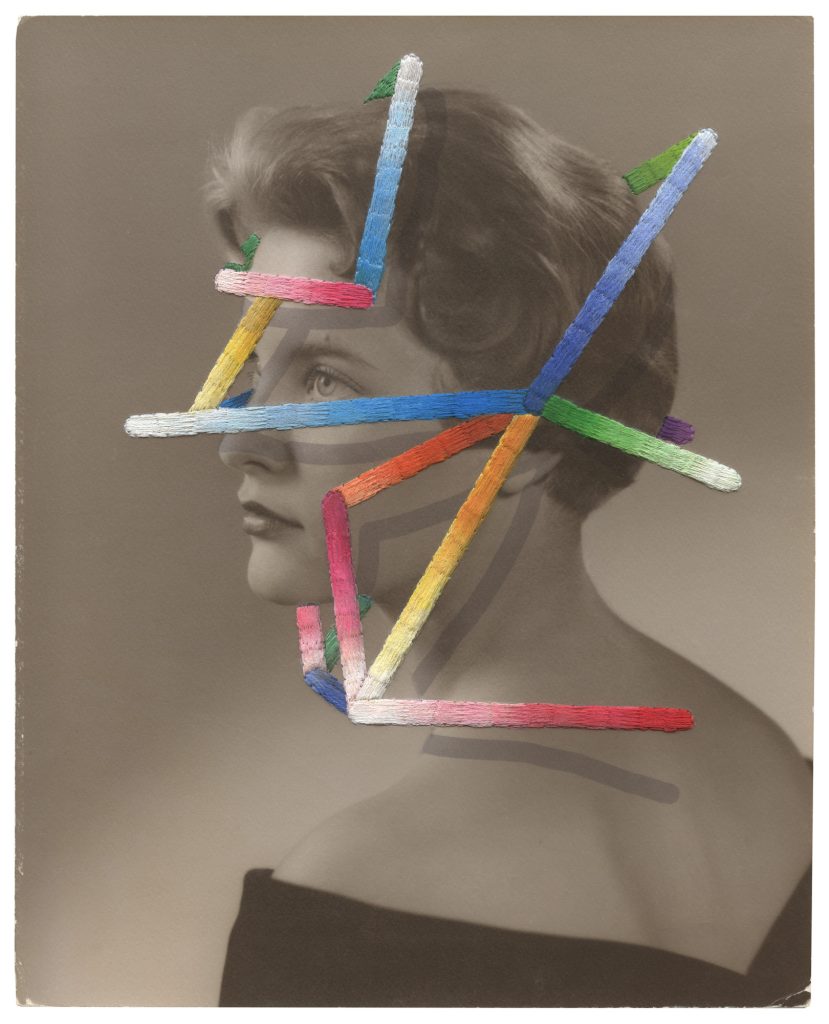
Photography, at its core, is a form of visual storytelling that transcends language barriers and cultural differences. It relies on a delicate balance of technical skill and artistic vision, eliciting emotional responses and encouraging viewers to engage with the world through the eyes of the photographer. The precision involved in creating an impactful image—choosing the right angle, composition, and lighting—directly correlates with the narrative aspect of the photograph. As such, photographers act as both artists and historians, documenting fleeting moments that bear significance in the collective human experience.
The beauty of photography lies in its ability to immortalize time. In a single frame, photographers can convey multifaceted stories that resonate on both personal and universal levels. To understand this delicate interplay, we can explore how various technical aspects contribute to the emotive power of photography:
- Composition: The arrangement of elements within the frame plays a crucial role in guiding the viewer’s eye and conveying meaning. Techniques such as the rule of thirds, leading lines, and framing help construct visually appealing and thought-provoking images that invoke emotional reactions.
- Lighting: Natural and artificial light significantly influences the mood and depth of an image. Photographers often wait for the golden hour, where sunlight casts a warm hue, to enhance the emotional quality of their photographs. This can transform an ordinary scene into something extraordinary, evoking feelings of nostalgia or tranquility.
- Color Palette: Colors communicate emotions; warm hues often evoke feelings of happiness and energy, while cool tones can instill calmness or melancholy. Photographers carefully select their color palettes to align with the narrative purpose of their work, using color to amplify the emotions they wish to convey.
- Focus and Depth of Field: The decision to blur a background or sharpen a subject can draw attention to specific emotions or narratives within an image. This selective focus enables photographers to dictate the viewer’s emotional response, enhancing the storytelling aspect of their work.
Each of these elements weaves together to create compelling images that can shift perceptions, arouse empathy, and provoke thought. In a world inundated with visual stimuli, skilled photographers stand out by honing their ability to capture not just images, but fleeting emotions and the very essence of a moment. The result is a collection of photographs that become artifacts—each with a story begging to be told.
As we navigate the evolving landscape of photography, it becomes increasingly apparent that this art form is more than just a hobby or a profession. It is an invitation for viewers to step into the shoes of the photographer, experiencing the world through a filtered lens that encapsulates shared joy, pain, or beauty. By understanding the power of visual storytelling, we can appreciate photography not merely as a means of capturing images but as a profound art form that enriches our connection with one another and our surroundings.
| Aspect | Description |
|---|---|
| Emotional Resonance | Photography allows artists to evoke deep emotions by freeze-framing significant moments, allowing viewers to connect on a personal level. |
| Creative Exploration | Through unique compositions and techniques, photographers can explore unconventional perspectives, challenging traditional aesthetic norms. |
The world of photography transcends mere visual representation; it serves as a profound method for artists to reflect and document experiences. By capturing moments of joy, sorrow, tranquility, or chaos, photographers articulate emotions that resonate with viewers, transcending both time and space. A powerful photograph can speak volumes, transforming personal narratives into shared collective experiences.Moreover, photography as an art form nurtures creative exploration, offering a platform where artists can experiment with light, shadow, composition, and color. Techniques such as long exposure or macro photography allow for innovative presentations that invite audiences to see the ordinary from extraordinary viewpoints. By utilizing editing software or mixed media, photographers can drive narratives further, showcasing the interplay of reality with imagination and rendering their personal interpretations of the world.This unique creative exploration encourages a deeper dialogue among artists and viewers, as both engage in a visual communication of experiences and emotions that transcend language barriers, inviting all into the expansive realm of perception and interpretation. These various facets of photography reveal its powerful capacity as both an art form and a medium for emotional expression.
DISCOVER MORE: Click here to dive deeper
Photography’s Role in Cultural Reflection
Photography not only serves as a medium for personal expression but also functions as a mirror reflecting the cultural zeitgeist. The images captured during significant social movements—such as the Civil Rights Movement in the United States or the Women’s Suffrage Movement—offer raw and powerful evidence of humanity’s ebb and flow. They immortalize collective struggles and triumphs, allowing future generations to grasp the emotions and experiences of those pivotal moments.
One notable example is photographer Gordon Parks, whose work during the 1940s and 1950s chronicled the challenges faced by African Americans. His images spoke volumes about poverty, racism, and resilience, evoking empathy and understanding across diverse audiences. Through Parks’ lens, viewers were not merely passive observers; they became participants in the conversations surrounding race relations in America. This aspect of photography underscores its ability to foster dialogue and provoke thought, pushing societal issues into the spotlight.
The evolution of photography also reflects the technological advancements and societal shifts within a culture. For instance, the transition from film to digital photography has democratized access to this art form. With smartphones serving as our primary cameras, everyone has the opportunity to share their unique perspective instantly. This shift has birthed new subcultures, such as Instagram influencers and street photographers, who redefine what it means to capture and narrate everyday life through images.
Moreover, photography plays a pivotal role in the documentation of contemporary issues, like climate change. Environmental photographers, such as Sebastião Salgado, use their art to highlight the devastating impacts of deforestation, mining, and pollution. Their evocative images render the often invisible struggles of our planet visible, urging viewers to reconsider their relationship with nature. The emotional power of these photographs often catalyzes action, making them both a call for awareness and a plea for change.
As communities grapple with ongoing social injustices, the role of documentary photography becomes paramount. Photojournalists venture into conflict zones and marginalized neighborhoods, capturing the sheer humanity amidst chaos. Their works not only tell stories but elicit action, raising funds for humanitarian aid and influencing policy changes. Organizations like *Magnum Photos* exemplify this commitment, empowering photographers to facilitate social change through their lenses.
Beyond documenting current events, photography also encapsulates personal histories and family narratives. Immigrant families, for instance, often rely on photographs as a means of preserving memories that connect them to their roots. These images become treasures that document traditions and legacies, serving as a visual language that transcends generations. Here, photography ceases to be merely a selective capturing of life; it evolves into an integral part of cultural identity.
In America, the impact of photography on societal awareness is evident in various movements, including Black Lives Matter and LGBTQ+ rights activism. Photographers capture candid moments of protest, galvanizing communities around core values of equality and justice. These images become a rallying cry, fuelling the fire of change and reinforcing the critical role that photography plays in advocacy.
As we continue to explore the profound depths that photography can reach, it becomes increasingly clear that this art form is not solely about creating visually striking images. Rather, it is a multifaceted tool for reflection, connection, and exploration of the human experience. In its various forms, photography cultivates understanding, fosters empathy, and ultimately shapes the narratives of our time.
DISCOVER MORE: Click here to delve deeper
Final Thoughts on the Art of Photography
In conclusion, photography as an art form transcends the mere act of taking pictures; it encapsulates a powerful vehicle for storytelling, cultural reflection, and emotional resonance. Through the lens of history, we witness how photographers have intricately documented societal challenges and victories, giving voice to those often voiceless. The narrative potential embedded within each image opens windows to understanding and empathy, allowing audiences to connect with experiences across time and space.
The democratization of photography, spurred by advancements in technology, invites a diverse range of perspectives, enriching the tapestry of modern visual culture. Whether it is through social media platforms that emphasize instant sharing or through the thought-provoking exhibitions of established photographers, the medium continually reinvents itself. It serves not only as a creative exploration but also as a form of activism, challenging viewers to engage with pressing issues such as inequality, climate change, and cultural identity.
As photography evolves in the digital age, its role as a cultural artifact becomes increasingly significant. The images captured today will undoubtedly shape future dialogues and histories, reminding us of the shared human experience. Moreover, the intersection of personal memories and collective histories ensures that photography remains an enduring, dynamic part of our lives—a bridge between past realities and future aspirations. In exploring the realms of creativity and emotion through photography, we find not only art but also a profound reflection upon ourselves and our world.