Poetry Slam: Artistic Expression Through Competition and Performance
The Vibrancy of Poetry Slam
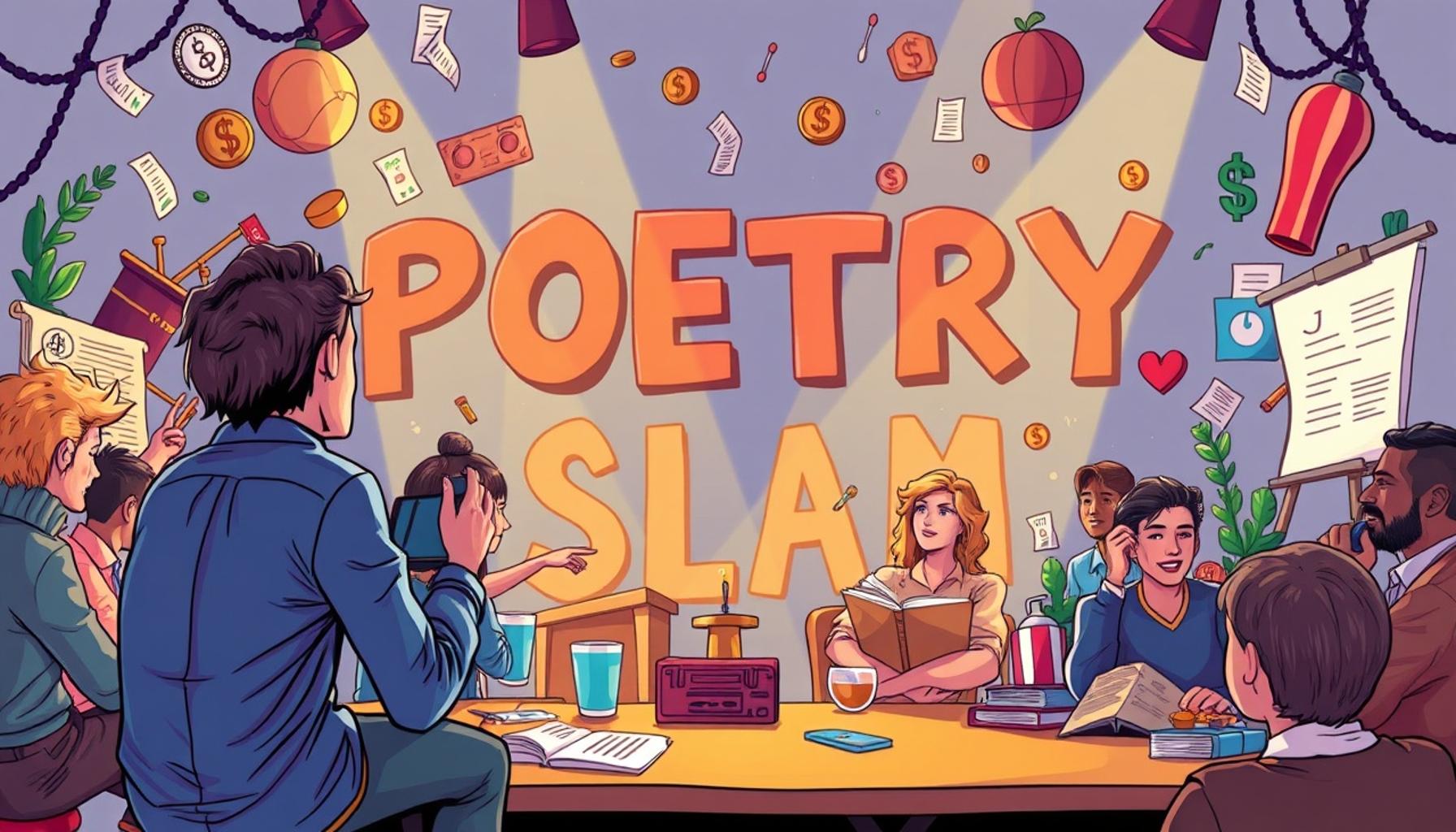
In the world of contemporary art, few forms provide as much dynamic energy and emotional depth as poetry slam. This unique creative expression blends the art of lyrical storytelling with the adrenaline of competition. Audiences are not just viewers; they become integral participants in an electrifying atmosphere where voices resonate and stories unfold.
What is Poetry Slam?
Poetry slam is a competitive event where poets perform their work and are judged by an audience or panel. It emphasizes:
- Performance: The delivery is as important as the content. Poets use their voice, body language, and emotions to connect with the audience, creating a powerful and memorable experience. The way a poem is performed can enhance its impact, turning words into a vivid auditory experience that captivates listeners.
- Challenge: Contestants strive to outdo each other, pushing their artistic boundaries. Through this competition, poets are encouraged to experiment with styles, themes, and techniques, often leading to innovative and fresh expressions of creativity that might not surface in a traditional writing environment.
- Community: Local slams foster a sense of belonging and connection among artists and spectators. These events create a supportive space where individuals from diverse backgrounds can share their stories and connect over shared experiences, thus building bridges between different communities.
Originating in the 1980s, the movement has exploded in popularity across the United States. Cities like Chicago, San Francisco, and New York host some of the most renowned slams, drawing talented poets eager to showcase their craft. Events like the National Poetry Slam and the Individual World Poetry Slam have further increased the visibility and accessibility of this art form.
Poetry slams provide a platform for diverse voices, touching on themes such as:
- Social Justice: Many poets utilize the stage to address critical issues like racial inequality, gender rights, and environmental concerns, encouraging audiences to reflect and act.
- Identity: Poets often delve into personal narratives that explore their cultural backgrounds, sexual orientation, and belief systems, allowing for a deeper understanding of the varied human experience.
- Love and Relationships: Themes of connection, heartbreak, and romance are also prevalent, as performers draw from their own lives to resonate with shared human emotions.
With its distinctive mix of art and competition, poetry slam not only celebrates individual expression but also sparks dialogue and engages communities. Audiences listen intently, sometimes responding with cheers, snaps, or even silence, creating an electrifying feedback loop that enhances the performance. As they share their emotions and stories, these artists become part of a living tapestry where words can inspire change and foster empathy. Whether it is in a packed theater or a small coffee shop, the energy of a poetry slam is palpable, leaving lasting impressions on both the performers and the audience alike.
DISCOVER MORE: Click here for stylish knitting ideas
The Artistry Behind the Performance
At its core, poetry slam is much more than mere words on a page; it is an immersive experience that captivates audiences with its vibrant artistry and raw emotion. Poets merge the written and spoken forms of their craft, transforming personal narratives into a public discourse. This performance aspect is essential, as each poet’s delivery can breathe life into their words, creating a diverse spectrum of emotions that range from humor to heartbreak.
The ultimate goal of a poetry slam is to engage the audience, leading to one of the unique aspects of the format: the interactive judging process. An important element of this competition is that audience members assume the role of judges, often raising scores on colorful cards after each performance. This immediate feedback can escalate the intensity of performances, as poets feed off the energy of the crowd. Each slam often promises an eclectic mix of styles, as poets aim to captivate not just with their content but with their performance technique.
To understand the mesmerizing art of poetry slam, several key elements come into play:
- Staging and Presence: A poet’s physical presence on stage can enhance their message. Effective use of space, gestures, and eye contact allows poets to connect deeply with the audience, making their words resonate beyond the performance itself.
- Emotional Range: The ability to convey complex emotions, whether it be joy, anger, or sorrow, plays a pivotal role in a successful performance. Poets often share deeply personal experiences, tapping into universal feelings that invite reflection and empathy from the audience.
- Rhythm and Flow: Many poets utilize musicality in their piece, including variations in tone and pacing. This rhythmic quality enhances the listener’s experience, drawing them further into the performance while highlighting the lyrical strength of their writing.
- Storytelling: At the heart of each poem is a story waiting to unfold. Poets weave narratives that are often layered and intricate, allowing the audience to engage with the work on multiple levels and encouraging a shared journey through their experiences.
The emergence of poetry slam as a celebrated art form has led to significant cultural shifts, making it a compelling avenue for artistic expression within varied communities. By facilitating platforms where poets can share their thoughts and experiences, slam events inspire others to voice their own stories. This movement fosters a unique sense of solidarity among performers and attendees alike—a community brought together by the shared power of spoken word.
As poets across the nation take to stages, they champion not only their own voices but also the myriad of perspectives that often go unheard. Their performances usher in change, connecting individuals from different backgrounds and sparking essential conversations about identity, culture, and societal issues. This collective experience makes poetry slam a vibrant and vital part of America’s artistic landscape.
| Category | Details |
|---|---|
| Inclusive Community | Poetry slams foster a welcoming atmosphere where all voices and backgrounds can converge, promoting diversity in artistic expression. |
| Skill Development | Participants enhance their performance skills and artistic techniques, inspiring both personal growth and audience engagement. |
The practice of poetry slam goes beyond mere performance; it serves as a catalyst for creative exploration within vibrant communities. Each event brings together aspiring poets, seasoned performers, and fans eager to witness raw talent. This form of artistic expression not only hones individual skills but also cultivates an environment that encourages public speaking and encourages the sharing of unique narratives. As slam culture continues to grow, it opens doors for various genres and styles, providing participants with multiple platforms to express their views on societal issues. The poetry slam stage, often considered a sanctuary for voices typically marginalized, champions originality and boldness in artistic expression. The selection of diverse themes during competitions can stimulate discourse among audiences, breaking down barriers and fostering empathy through storytelling. With every verse recited, the electrifying atmosphere ignites connections that transcend traditional art forms, symbolizing the power of spoken word in bridging gaps among cultures and experiences.
DISCOVER MORE: Click here to learn about the role of art in education
The Cultural Impact of Poetry Slam
Beyond the electrifying performances and competitive atmosphere, poetry slam serves as a robust platform for cultural dialogue and social engagement. This dynamic art form transcends literature, igniting discussions that address pressing issues such as race, gender, and mental health. By bridging the gap between artist and audience, poetry slam cultivates a space where individual experiences can resonate widely, fostering understanding and connection.
One of the most significant facets of poetry slam is its ability to highlight marginalized voices. Often, the poets who take center stage come from communities that are underrepresented in mainstream literature and media. Slam competitions can spotlight these diverse perspectives, providing a rare opportunity for these voices to be heard and celebrated. For instance, events like the National Poetry Slam not only showcase talent from across the nation but also prioritize diverse representation, fostering inclusion within the art form.
In addition, poetry slams frequently tackle social justice themes head-on. Poets become storytellers whose work reflects the complexities of modern life, challenging audiences to confront their own biases and expand their understanding of others’ experiences. This is evident in the widespread prevalence of pieces focused on issues such as police brutality, immigration, and LGBTQ+ rights. Through powerful spoken word, poets create a call to action, inspiring listeners to engage with important societal matters.
Accessibility and Community Engagement
The accessibility of poetry slam further enhances its role as a vehicle for artistic expression. Unlike traditional poetry reading venues, which can feel exclusive, slams thrive in community spaces—cafes, bars, and theaters—inviting anyone to participate, be it as an audience member or performer. This open format encourages a sense of belonging, an attribute often missing from formal literary circuits. Additionally, many slams offer workshops for aspiring poets of various skill levels, ensuring that the art form continues to evolve while nurturing new talents.
National initiatives around poetry slam have also unveiled a growing interest in youth engagement. Programs aimed at high school students, such as Brave New Voices, inspire young people to find their voices and express themselves through performance poetry. These initiatives not only enhance students’ self-esteem but also promote literacy and creativity, providing them with tools for personal expression and community advocacy. The result is a new generation of poets who utilize their art to address concerns relevant to their peers and communities.
From Local Events to Global Movements
The popularity of poetry slam continues to spread internationally, with various countries adopting and adapting the format to reflect their unique cultural contexts. This global reach emphasizes poetry’s universal appeal and highlights how spoken word can resonate with diverse audiences. Events like the World Poetry Slam invite poets from around the globe to share their narratives, creating a tapestry of voices that exemplify the interconnectedness of human experience. It is through these interactions that poetry slam evolves, shaping art and activism on a global scale.
In essence, poetry slam is a vibrant cultural phenomenon that serves as a crucible for various forms of artistic expression. By promoting dialogue, fostering community, and championing unheard voices, this art form continues to challenge conventions and redefine what it means to communicate through the spoken word. The increasing popularity and significance of poetry slam bear witness to its transformative power, inspiring individuals to share their truths and embrace the richness of collective storytelling.
DISCOVER MORE: Click here to dive deeper
Conclusion
In summary, poetry slam stands as a powerful testament to the fusion of artistic expression and competition, making it an invaluable component of contemporary culture. It serves not only as a vibrant platform for individual talent but also as a vehicle for social commentary and community engagement. By championing marginalized voices and sparking crucial conversations about pressing societal issues, poetry slam invites audiences to reflect, empathize, and act. Its unique ability to blend performance with personal narrative allows for a rich tapestry of experiences that resonate across diverse audiences.
As the movement continues to grow, with local and global events amplifying its reach, poetry slam is democratizing the literary arts. Its accessibility in community settings fosters a sense of belonging that traditional literary platforms often overlook. Moreover, initiatives aimed at youth empower the next generation of poets, ensuring that the essence of spoken word remains alive and relevant. The unwavering spirit of poetry slam not only celebrates individual creativity but also cultivates a shared understanding that bridges cultural divides.
Ultimately, poetry slam is more than just competition; it is an evolving art form deeply intertwined with advocacy and storytelling. As audiences continue to engage with these poignant performances, they are invited to explore an array of perspectives that challenge norms and inspire change. Thus, poetry slam remains a dynamic force in both the artistic landscape and community discourse, proving that when we share our stories, we enrich the world around us.