The Art of Performance: Expression and Interaction in Public Spaces
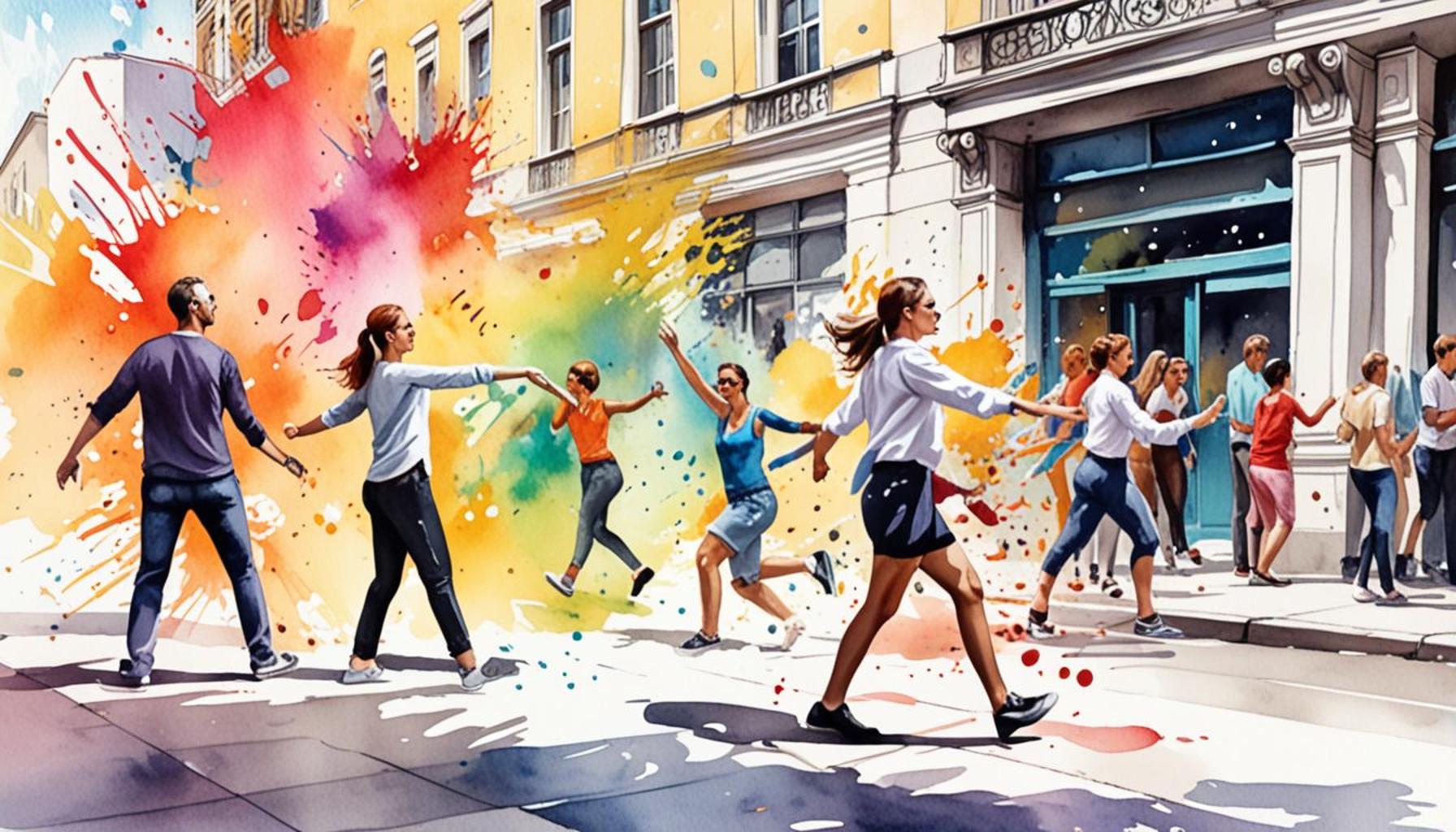
In the heart of bustling cities, public spaces serve as stages for diverse performances that ignite curiosity and spark connection. From street musicians to dramatic plays in parks, these vibrant interactions create a tapestry of experiences that enhance community engagement. The allure of performance in open environments lies in its unique ability to transform everyday spaces into dynamic cultural sites, fostering a sense of belonging and participation. But what makes the art of performance so compelling in these open environments?
Key Elements of Public Performance
Public performances thrive on several fundamental aspects, each contributing to their magic and appeal:
- Expression: Artists share their unique voices through various mediums, showcasing their culture and perspectives. For instance, a spoken word poet in a downtown square may weave narratives of social justice and personal struggles, resonating deeply with passersby. This raw expression not only entertains but also invites reflection on shared human experiences.
- Interaction: Audiences become active participants, forging connections that transcend traditional art consumption. Consider a street musician inviting bystanders to clap along or a performer leading a dance that encourages onlookers to join in. This blurring of lines between artist and audience creates a communal atmosphere where art is experienced collectively.
- Accessibility: These performances democratize art, ensuring that creativity is available to everyone, regardless of background. A family with children can stroll through a park and stumble upon a live theater production or an impromptu juggling show, providing quality entertainment without the barrier of admission fees common to many formal venues.
Reflecting on iconic examples enhances our understanding of the power of public performance:
- The vibrant street art of New York City, where murals tell untold stories, invites residents and tourists alike to engage with the narratives of diverse communities. Places like the Bushwick Collective have become open-air galleries showcasing local and international artists.
- Jazz performances echoing along New Orleans streets create a lively atmosphere that is both spontaneous and intimate. This musical heritage not only entertains but also honors the city’s history, drawing people into the soulful rhythms of its culture.
- Flash mobs and pop-up theaters surprise crowds in unexpected locations nationwide, transforming ordinary moments into extraordinary experiences. These phenomena often rely on social media for coordination, demonstrating how technology plays a role in modern public performances.
This exploration into the layers of expression and interaction within public spaces invites readers to reflect on how these experiences shape community identity and cultural narratives. As we navigate the evolving landscape of performance art, we uncover its profound impact on the way we engage with our surroundings. The intersection of art and life within public realms not only entertains but also catalyzes conversations about social issues, fostering a richer, more connected civic life.
DISCOVER MORE: Click here to dive deeper
Exploring the Dimensions of Public Performance
The allure of public performance resides in its vibrant interplay of expression and interaction. These artistic displays transform ordinary environments into extraordinary cultural experiences, capturing the essence of communal life. As one observes the various forms of expression unfurling in these settings, it becomes evident how performance art can deeply resonate with the audience, weaving emotional connections that might often be absent in more traditional, contained venues.
At the core of public performance is the idea of expression. Artists utilize public stages to articulate their thoughts, feelings, and cultural narratives. This expression is not merely for entertainment; it serves a greater purpose by sparking dialogue about critical social issues. For instance, in cities like Chicago, street performers frequently address topics such as homelessness and racial inequality through powerful visual art or poignant theatre. These displays don’t just entertain; they challenge audiences to reflect on their surroundings and encourage a discourse that can lead to community action.
Equally significant is the element of interaction, which transforms passive viewers into active participants within a shared experience. This can take many forms, from spontaneous applause at a busker’s performance to interactive installations that invite spectators to engage directly with the art. For example, consider the vibrant scene at Times Square in New York City, where artists often integrate audience participation into their routines. A magician might invite a child onstage to assist with a trick, creating a memorable moment that transcends the performance itself—an experience that the child will likely recount for years to come.
- Community Building: Public performances encourage community bonding, as people gather around shared experiences. Whether it’s a local band playing by the waterfront or an open-mic night at a neighborhood café, these interactions foster a sense of unity and belonging.
- Innovative Formats: Performers are continuously finding innovative ways to captivate audiences— from improv comedy troupes popping up in parks to themed dance events that encourage community participation. The creativity displayed in these formats not only entertains but also invites collaboration among artists and audiences alike.
- Cultural Diversity: Public spaces often showcase a rich tapestry of cultural expressions. Festivals and cultural events highlight the artistic diversity present in the community, allowing varied narratives to emerge, whether through traditional dances, multicultural music festivals, or art fairs celebrating local creators.
The exploration of expression and interaction in public performance not only enriches our understanding of art’s role in civic life but also inspires us to recognize the profound impact these moments have on community identity. As we examine how art unfolds in the open air, it becomes clear that these performances act as mirrors reflecting the multifaceted layers of society—celebrating its joys, highlighting its challenges, and encouraging a collective journey towards greater awareness.
| Advantage | Description |
|---|---|
| Enhanced Social Interaction | The theme encourages community members to engage, fostering connections through shared experiences. |
| Artistic Expression | It supports various forms of artistic representation, allowing performers to showcase their talents in dynamic environments. |
The exploration of public spaces in “The Art of Performance” reflects a vibrant tapestry of expression that transcends traditional artistic boundaries. As urban landscapes evolve, the intersection of art and community is increasingly vital. Engaging public spaces serve as platforms for both individual creativity and collective dialogue, inviting audiences to partake in the narrative of their surroundings.This dynamic interaction manifests through diverse artistic expressions, from theatrical performances to spontaneous street art, creating an immersive experience that resonates with the public. Workshops and interactive exhibits further enrich these environments, inviting community involvement and nurturing a sense of ownership and pride in local culture.Statistics indicate that cities prioritizing public art initiatives experience increased foot traffic and tourism, demonstrating the tangible benefits art integration can have on local economies. As we delve deeper into the nuances of this subject, the significance of fostering artistic spaces in urban settings becomes evident, encouraging further interest and investment in transformative community projects.
DISCOVER MORE: Click here to unlock creative ideas
Reimagining Spaces Through Performance
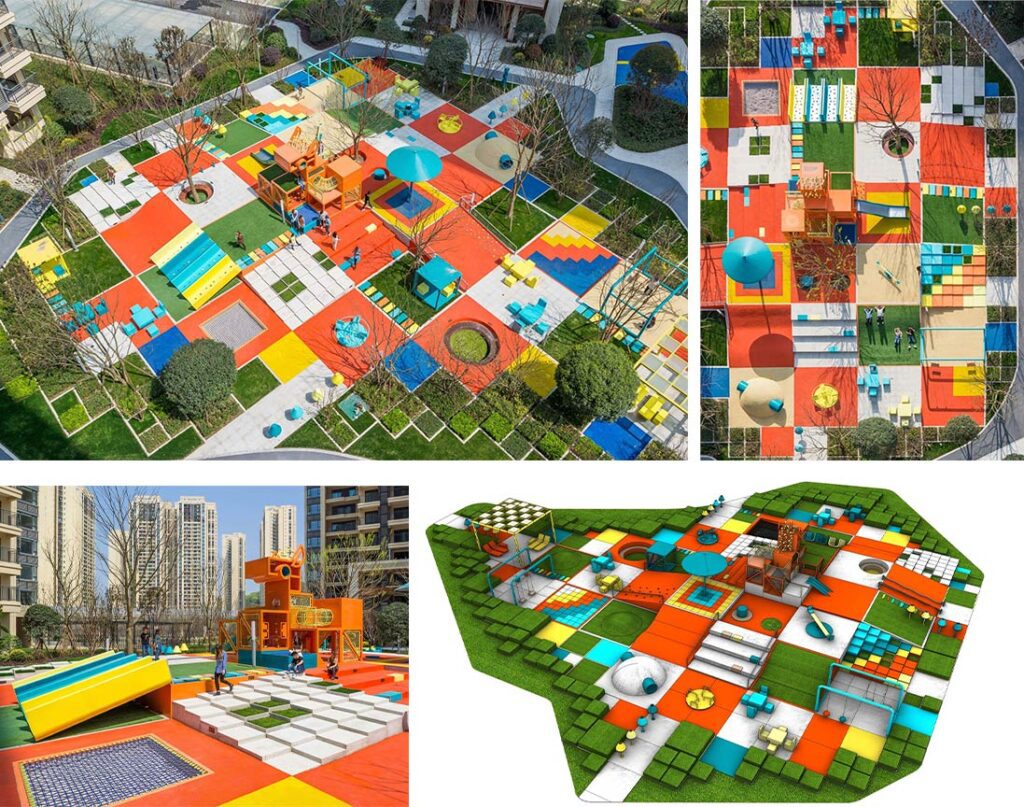
The practice of public performance is not only about the art itself but also about how these performances reimagine spaces and foster community identities. Artistic expressions can turn mundane locations into vibrant hubs of creativity, inviting people to engage with their environment in novel ways. This metamorphosis is evident in cities across the United States where public performances have taken iconic sites and breathed new life into them.
One remarkable example is the annual SummerStage festival in New York City’s Central Park. This event transforms the sprawling green spaces into an open-air theater, showcasing diverse performances ranging from jazz to hip-hop. Here, both seasoned artists and emerging talents come together, creating a melting pot of cultural exchanges that reflect the city’s multifaceted identity. Audiences, often consisting of families, tourists, and locals alike, experience art in a uniquely communal atmosphere, breaking down barriers and encouraging conversations among individuals from different walks of life.
Another notable case is the Los Angeles County Museum of Art (LACMA), where the urban landscape serves as a backdrop for various performances, such as interactive installations that invite public participation. One such installation, Chris Burden’s “Urban Light,” comprises 202 vintage streetlights and has become a beloved gathering spot for both artists and the public. Performers often utilize this space for impromptu shows, merging art with daily life, and allowing spectators to become part of the spectacle. Such dynamic interactions reveal how performances can create a sense of ownership and community pride.
- Empowerment Through Participation: The interactive nature of public performances enables individuals to express themselves creatively, empowering them to share their stories and perspectives. Closer to the ground level, initiatives like Detroit’s Art With The People enable local residents to take part in artistic endeavors, breaking traditional hierarchies often found in conventional arts settings.
- Public Art as a Catalyst for Change: In cities like Seattle, public performances challenge societal norms and advocate for change. Artists tackle pressing issues like climate change through performance art, engaging audiences in discussions about sustainability and environmental responsibility as they are entertained.
- Digital Integration: The rise of social media has created new opportunities for public performances to reach wider audiences. Artists livestream their events or utilize platforms like Instagram and TikTok to share snippets of their work, thereby creating a digital community that transcends physical space. This fusion of technology and live performance further enriches the interaction between the performers and their audiences.
As public performances evolve, they continue to serve as powerful instruments for expression and interaction, reflecting contemporary social landscapes while fostering human connections. They illustrate how art can transcend its traditional confines, reminding us that creativity knows no boundaries and can thrive in even the most unlikely of places. With each performance, the relationship between artist and audience deepens, echoing the sentiments of shared humanity and cultural richness that define our public spaces.
DISCOVER MORE: Click here to dive into sustainable cuisine
Conclusion: The Enduring Power of Public Performance
In an era where isolation can sometimes define our experiences, public performances serve as a potent reminder of the importance of expression and interaction. These artistic expressions not only transform our urban landscapes into dynamic venues of creativity, but they also foster a sense of community, bridging divides among diverse populations. As illustrated through events like SummerStage in New York and interactive installations at LACMA, public performances breathe new life into familiar surroundings, turning everyday spaces into temporary sanctuaries of culture and dialogue.
The role of participation in public performance cannot be overstated; initiatives such as Art With The People illustrate how art can empower individuals to share their narratives. Moreover, the integration of digital platforms like social media not only amplifies these performances but also cultivates a sense of belonging that transcends geographic boundaries. As performers engage with audiences both live and online, they evoke meaningful conversations about pressing societal issues, shaping cultural landscapes in real-time.
As we look to the future, the art of performance signifies more than entertainment; it serves as a catalyst for social change, communal bonds, and personal expression. As communities continue to embrace the transformative power of public performances, we are reminded of the boundless human capacity for creativity and connection. Now, more than ever, it’s crucial to recognize and support these artistic initiatives that not only enrich our public spaces but also reflect the collective heartbeat of society.