The Future of Crafts: Innovation and Trends Shaping Creative Skills

Emerging Trends in the Crafting Landscape
As we navigate through the waves of modernity, the transformation in the world of crafts reflects a fascinating amalgamation of tradition and innovation. Digital crafting is one of the foremost trends reshaping the creative landscape. With tools like Computer-Aided Design (CAD) software and 3D printing, artisans are not only able to create intricate designs but also to replicate them with remarkable precision. For instance, a jewelry designer can import a digital sketch and transform it into a 3D-printed prototype, allowing for rapid adjustments and a streamlined production process that was unimaginable a few decades ago.
Moreover, the advent of virtual reality (VR) and augmented reality (AR) in crafting is opening entirely new avenues for creators. Imagine being able to visualize a piece of furniture in your living space before committing to its construction! This technology not only enhances planning but also elevates the overall crafting experience.
Sustainability in Crafting
The crafting community is also witnessing a pronounced shift towards sustainable practices. Eco-friendly materials, such as bamboo, recycled plastics, and organic fabrics, have gained traction as crafters become increasingly aware of their environmental footprint. Upcycling, the process of transforming discarded materials into new products, is another example of this trend. Take, for example, the artisan who transforms old vinyl records into functional wall art or coasters; such projects not only cut waste but also yield unique, conversation-starting pieces.
Alongside individual efforts, collective movements like the “zero-waste” design principles challenge crafters to innovate responsibly. This shift is not just a fad; it reflects a broader societal commitment to sustainability, encouraging both established artisans and beginners alike to think creatively about their impact on the environment.
Community and Collaboration
Another significant trend is the community engagement facilitated by social media platforms and online marketplaces. Websites such as Etsy and Instagram have become vital resources for crafters to showcase their work, connect with like-minded individuals, and exchange techniques. This interconnectedness enables collaborations that foster innovation; for example, knitting circles have transitioned to virtual meet-ups where participants from various regions share patterns and tips. Such communal sharing not only inspires creativity but also builds a sense of belonging among crafters from diverse backgrounds.
This robust integration of new technologies with time-honored practices is reshaping the future of creativity in profound ways. Aspiring crafters are now encouraged to embrace these trends, exploring how tools and sustainability can inform their artistic visions. By examining these dynamics further, one can uncover the myriad possibilities available in the vibrant realm of crafting today.
DISCOVER MORE: Click here to dive deeper
Technological Advancements Driving the Crafting Revolution
As the crafting world continues to evolve, artisanal techniques stand to benefit greatly from emerging technologies. Gone are the days when handmade items relied solely on traditional methods; today, a plethora of tools and software designed for creatives opens up new horizons. Digital platforms such as online workshops and tutorial channels empower crafters to enhance their skills through video demonstrations, real-time feedback, and global networking opportunities.
One of the most pivotal advancements is the rise of smart tools. Devices like laser cutters and embroidery machines now come equipped with connectivity features, allowing them to receive design updates or enhancements from the internet. This means that crafters can combine their artistic vision with cutting-edge technology, producing creations with a level of detail and intricacy that was previously time-consuming or impossible to achieve.
The Rise of Personalization and Customization
In an age where mass production often overshadows individuality, personalized crafting is becoming a hallmark of the industry. Customers today yearn for unique items that tell a story, and crafters are responding by offering bespoke services. From custom-embroidered gifts to tailored home décor, the ability to create personalized products serves both artisans and consumers, fostering an intimate connection with the items produced.
The emphasis on personalization is also supported by various digital platforms. Crafters can leverage tools such as:
- Design software: Programs that allow for easy customization of images and patterns.
- Online configurators: Web-based services that enable consumers to create and order personalized designs.
- Social media: Platforms like Pinterest and Instagram, which provide avenues for showcasing custom projects and gathering inspiration.
Furthermore, the demand for personalization reflects a broader cultural shift toward valuing authenticity and story in consumer goods. Crafters who can effectively market their unique craftsmanship and narrative will undoubtedly find themselves at the forefront of this trend.
The Intersection of Crafts and Technology
The integration of technology in crafts is not solely about the tools used; it encompasses the overall experience of creation. With the incorporation of artificial intelligence (AI), predictive analytics can offer insights into trending designs and materials, enabling crafters to stay ahead in a rapidly changing market. AI-driven algorithms analyze consumer preferences and behaviors, guiding artisans in curating their collections to ensure they meet current demands.
While artistic intuition remains irreplaceable, the support from technology offers a layer of strategic advantage in a competitive industry. Aspiring crafters are now equipped not only with skills but also with valuable data-driven insights that foster creativity and innovation in their work.
As we observe these technological advancements influencing the crafting landscape, it becomes evident that the future holds endless possibilities for artisans willing to embrace change. By marrying traditional skills with modern tools, the current generation of crafters is preparing to lead the charge into a vibrant, innovative future where craftsmanship remains relevant and cherished.
The Evolving Landscape of Crafts
As we delve deeper into the future of crafts, it becomes increasingly clear that innovation and technology are pivotal forces in shaping creative skills. Notably, the integration of digital tools in crafting processes is not merely a trend; it is a revolution. Crafters are embracing 3D printing, which allows for the creation of intricate designs and prototypes that were previously unimaginable. This process dramatically reduces the time and cost involved in bringing a creative vision to life.Moreover, platforms such as social media and e-commerce websites have transformed the way artisans share their work and connect with audiences. For instance, sites like Etsy and Instagram provide artists with a global marketplace, enhancing sales opportunities and expanding their reach. These platforms have also created communities around shared interests, further fostering collaboration and knowledge exchange among crafters.In addition to technology, the resurgence of sustainability in crafts signifies a change in consumer priorities. Many artisans are now focusing on eco-friendly materials and methods, appealing to a growing demographic that values environmental responsibility. This shift not only elevates the craft standards but also draws attention to the cultural significance of sustainable practices.As we consider the array of innovations, it is essential to recognize how education plays a critical role in shaping future crafters. Programs that integrate technology into traditional craft methods enhance skill sets, ensuring that new generations are equipped for the dynamic landscape ahead. Discovering the confluence of creativity and technology is indispensable for anyone intrigued by the path of crafts and the nuances that define contemporary artistry. The future of crafts promises not only to preserve the essence of traditional skills but also to forge new avenues for expression and innovation.
| Category | Key Features |
|---|---|
| Digital Innovation | Incorporation of tools like 3D printing and design software. |
| Community Building | Social media and platforms like Etsy enabling connections. |
| Sustainability Focus | Emphasis on eco-friendly materials and practices. |
| Educational Integration | Programs enhancing skills through technology and craft. |
DIVE DEEPER: Click here to discover the power of improvisation
Collaborative Crafting: Fostering Community and Skill Sharing
In addition to technological advancements, the crafting landscape is witnessing a significant shift towards collaborative crafting. This trend emphasizes the importance of community, connecting enthusiasts and professionals alike in shared spaces and through online platforms. These collaborations not only enhance the crafting experience but also facilitate the exchange of skills and knowledge among diverse groups.
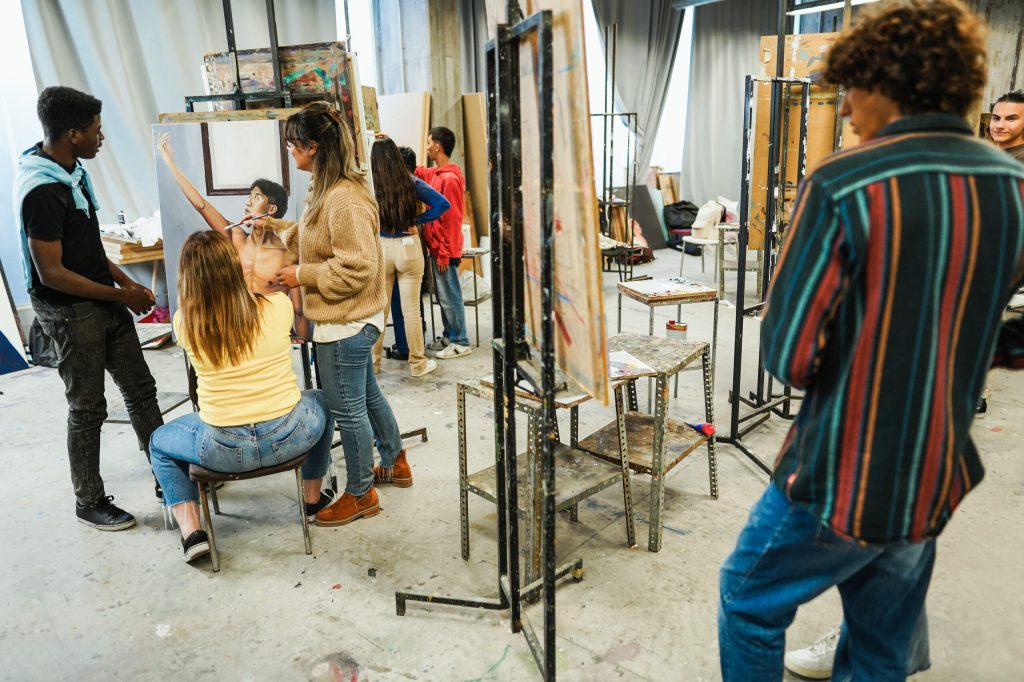
One of the most innovative examples of this is the emergence of makerspaces and co-working studios. These communal environments provide crafters and artisans with access to tools, equipment, and resources that might otherwise be unaffordable or impractical to own individually. Within these spaces, individuals can come together for joint projects, workshops, and events, leading to a vibrant atmosphere of creativity and innovation.
The impact of digital communities cannot be overstated. Platforms such as Etsy, Facebook groups, and specialized crafting forums have created spaces where crafters can network, collaborate, and sell their work. Through these networks, artists can discuss trends, share techniques, and even partner on projects. This collaborative spirit not only enhances individual skills but also strengthens the community, creating a supportive ecosystem for both novice and experienced crafters.
Interdisciplinary Approaches: Blending Craft with Other Art Forms
The future of crafts is also shaped by an increasing interdisciplinary approach, as artisans blend traditional crafting techniques with other art forms such as painting, photography, technology, and fashion design. This fusion opens new avenues for creativity, enabling crafters to create hybrid products that capture the imagination of consumers.
For instance, the rise of wearable art has created new markets for fashion-forward crafters. By incorporating textile arts with digital design, artisans can produce clothing that is both aesthetically unique and technologically innovative, such as garments embedded with LED lights or 3D-printed accessories that push the boundaries of fashion.
Furthermore, workshops focused on teaching these interdisciplinary techniques have increased in popularity, drawing participants who wish to expand their skills beyond traditional boundaries. By learning from different artistic disciplines, crafters are able to enrich their craft, leading to innovative products that resonate with contemporary audiences.
Sustainability in Crafting: Eco-Friendly Innovations
As environmental concerns continue to grow, the crafting world is also moving towards sustainability as a core principle. Many artisans are adopting eco-friendly materials and practices, embracing the trend of using recycled or upcycled materials to create new, valuable products. This shift reflects a broader societal demand for sustainability in consumer goods, and crafters are rising to meet the challenge.
Innovations such as biodegradable polymers for 3D printing and natural dyeing techniques are becoming more prevalent, with a focus on minimizing waste and maximizing the life cycle of materials. Crafters who prioritize sustainability in their work not only appeal to eco-conscious consumers but also contribute to the longevity of their craft by ensuring that resources are used responsibly.
Moreover, organizations and platforms dedicated to sustainability in crafting are emerging, offering guidance on best practices and highlighting successful artisans who exemplify eco-friendly approaches. This movement not only educates crafters but also elevates the importance of environmental responsibility in the creative process.
In conclusion, collaborative crafting, interdisciplinary approaches, and sustainability are pivotal trends that are shaping the future of creative skills. By embracing these elements, crafters are poised to reinvent their practices in ways that resonate with an ever-evolving market. As communities continue to grow and innovate, the crafting landscape promises to thrive, reflecting the talents and values of its artisans.
EXPLORE MORE: Click here to dive deeper
Conclusion: Embracing the Future of Crafts
As we navigate the evolving landscape of crafting, it’s evident that the future rests on a foundation of innovation, collaboration, and sustainability. Crafters today are not just creating products; they are embracing a holistic approach that reflects the values of a modern society. Through the rise of makerspaces and online platforms, artisans are coming together, sharing expertise, and fostering a sense of community that transcends geographical boundaries. This interconnectedness is a crucial catalyst for creative growth.
The merging of diverse artistic disciplines is another vibrant trend shaping the crafting world. By drawing inspiration from various forms, such as technology and fashion, artisans are pushing the envelope to produce groundbreaking works that appeal to both tradition and innovation. The growth of workshops that teach these interdisciplinary skills underscores the demand for continuous learning and creativity in crafting.
Amidst increasing environmental awareness, the emphasis on sustainable practices reflects a significant shift in consumer expectations. Crafters who adopt eco-friendly methods not only respond to market demand but also contribute to a more responsible production cycle, ensuring the longevity of their craft. This commitment to the environment fosters a unique narrative that resonates with conscientious consumers, further enhancing the appeal of handmade goods.
In summary, the future of crafts is bright and brimming with potential. As artisans adapt to these emerging trends, we can expect not only a transformation in the products they create but also in the very culture of crafting itself. For those ready to explore these innovative pathways, the journey promises to be as rewarding as the outcome.