
The Impact of Sleep Hygiene on Stress Reduction
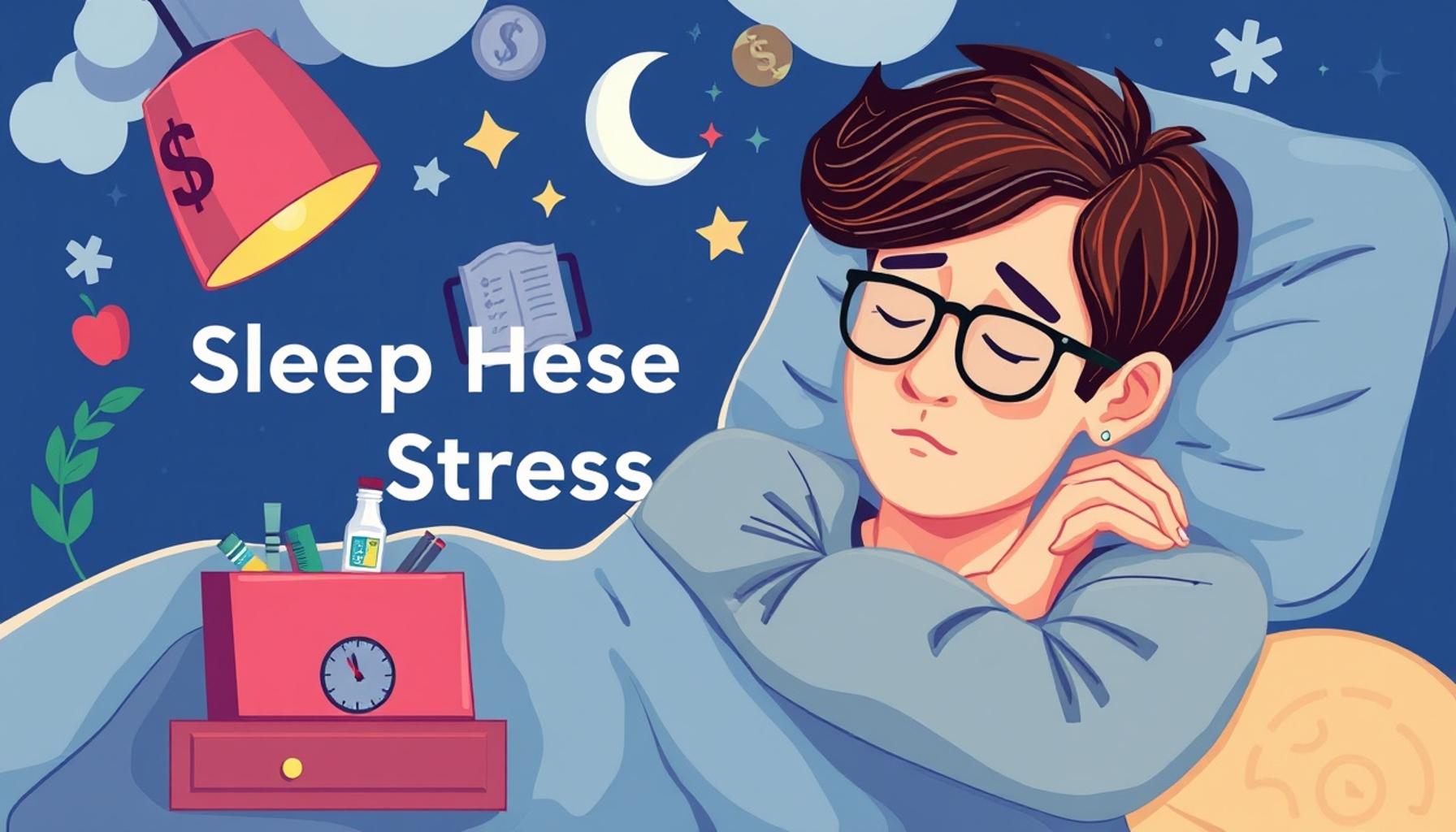
Understanding Sleep Hygiene and Its Impact on Stress
The relationship between sleep hygiene and stress reduction has become a focal point in modern psychological and health studies. As the fast-paced lifestyle of many Americans fosters an environment rife with stress, the role of sleep cannot be overlooked. Surprisingly, a considerable number of individuals may not recognize how their nighttime habits contribute to their daytime anxiety and stress levels.
Adopting effective sleep hygiene practices can be a game-changer for those looking to mitigate stress and enhance their overall quality of life. Let’s delve into some fundamental practices that can lead to better sleep:
- Maintaining a consistent sleep schedule: Going to bed and waking up at the same time each day helps regulate the body’s internal clock, which can make falling asleep and waking up easier.
- Creating a calming bedtime routine: Engaging in relaxing activities such as reading, meditating, or taking a warm bath can signal to the body that it is time to unwind and prepare for rest.
- Minimizing exposure to screens before bed: The blue light emitted by phones, tablets, and computers can interfere with the production of melatonin, the hormone responsible for sleep, potentially leading to increased stress and anxiety.
- Keeping the sleep environment cool, dark, and quiet: Small adjustments like ensuring optimal room temperature, using blackout curtains, and employing white noise machines can create a conducive atmosphere for sleep.
By prioritizing these practices, individuals often report not only enhanced sleep quality but also considerable decreases in stress levels. A restful night aids in stabilizing mood and boosting cognitive function, allowing individuals to better navigate the complexities of daily life. For instance, a study from the National Sleep Foundation found that individuals who improved their sleep hygiene experienced a notable reduction in anxiety levels, showcasing the direct impact of quality sleep on emotional health.
Moreover, understanding this connection underscores the importance of addressing sleep issues before they spiral into more significant health concerns. The cycle of poor sleep leading to heightened stress and subsequently exacerbating sleep issues can create a dangerous loop. In today’s world, where mental health is increasingly recognized as a cornerstone of overall wellness, investing in better sleep can open the door to a more balanced and fulfilling life.
In conclusion, as stress levels continue to rise among the American population, enhancing sleep hygiene is a practical and effective strategy that deserves attention and further exploration. By focusing on how to improve sleep practices, individuals can take proactive steps in not only reducing their stress but also fostering a healthier lifestyle overall.
DISCOVER MORE: Click here to learn about the importance of food diversity
The Science Behind Sleep and Stress
In recent years, the intricate connection between sleep hygiene and stress reduction has gained significant attention in various research arenas. A plethora of studies suggests that insufficient or poor-quality sleep is a key contributor to rising levels of stress, anxiety, and overall mental health challenges. According to the Centers for Disease Control and Prevention (CDC), approximately one in three adults do not get the recommended seven hours of sleep per night, a statistic that raises considerable concern when evaluating the correlation with stress-related issues.
Sleep is not merely a passive state of rest; rather, it is a dynamic period when the body undergoes critical restorative processes. Neurotransmitters, which regulate mood and stress responses, are significantly influenced by sleep patterns. Inadequate rest affects the balance of hormone levels, especially cortisol—often referred to as the ‘stress hormone.’ Elevated cortisol levels can lead to increased feelings of anxiety, irritability, and emotional turbulence. As a result, improving sleep hygiene can directly impact how our bodies manage stress.
To better understand how sleep hygiene affects stress levels, it’s beneficial to consider the following key components:
- Sleep duration: Quality sleep isn’t just about the hours spent in bed; it’s also about the depth of sleep achieved. Adults should aim for between seven to nine hours of uninterrupted sleep to foster optimal physical and mental health.
- Sleep quality: It’s essential to focus on the restfulness of sleep, rather than simply the quantity. Individuals who wake frequently or struggle to fall asleep often experience higher levels of stress than those who enjoy unbroken, quality slumber.
- Sleep environment: A conducive sleeping environment is critical. Factors such as noise, light, and comfort of bedding can substantially influence sleep quality. Neglecting these elements can lead to restless nights and increased fatigue, ultimately heightening stress levels.
- Daytime habits: Activities during the day, such as caffeine intake and physical activity, can significantly affect nighttime rest. Research shows that engaging in regular exercise not only improves sleep quality but also acts as a natural stress reliever.
A striking revelation from recent studies indicated that individuals adhering to a strict sleep schedule and engaging in proper sleep hygiene practices report lower stress levels, even amidst chaotic life circumstances. Experts suggest implementing these practices as a method to combat stress before it becomes crippling. By addressing sleep issues at their root, individuals stand to gain a greater sense of emotional stability, resilience, and overall wellbeing.
With growing concerns about mental health in today’s society, it becomes increasingly crucial to recognize the role of sleep hygiene in sustaining a balanced life. By investing time and attention into improving sleep practices, individuals may not only witness a reduction in stress but also lay the groundwork for healthier emotional responses to life’s challenges.
| Category | Details |
|---|---|
| Improved Mental Clarity | Quality sleep enhances cognitive functions, leading to better decision-making and problem-solving abilities. |
| Enhanced Mood | Sleep hygiene practices like maintaining a consistent sleep schedule can significantly reduce irritability and anxiety levels. |
| Stress Hormone Regulation | Improved sleep can balance cortisol levels, the hormone linked to stress, thereby promoting a state of calm and focus. |
| Physical Health Benefits | Regular sleep patterns contribute to a healthier immune system, reducing susceptibility to stress-related illnesses. |
Understanding the crucial link between sleep hygiene and stress reduction can pave the way for individuals seeking less anxiety and more resilience in their daily lives. Implementing simple practices like creating a bedtime routine or minimizing screen time before sleep can dramatically enhance one’s ability to manage stress effectively. These methods not only foster better sleep but also lead to a more balanced and healthier lifestyle overall. As more studies continue to shed light on this relationship, the importance of prioritizing sleep hygiene stands clear, offering a pathway to deeper emotional and physical well-being.
DIVE DEEPER: Click here to discover the benefits of physical activity in stress management
Practical Strategies to Enhance Sleep Hygiene
With the foundational knowledge of how sleep hygiene influences stress reduction, it is vital to explore actionable strategies that individuals can implement in their daily lives. While recognizing the significance of sleep is crucial, knowing how to optimize its quality is where true transformation occurs. Here are several practices that can greatly enhance sleep hygiene:
- Establish a Consistent Sleep Schedule: Going to bed and waking up at the same time every day helps regulate the body’s internal clock. This consistency not only promotes better sleep quality but also reinforces healthy sleep patterns, making it easier for individuals to unwind and fall asleep.
- Limit Screen Time Before Bed: Exposure to blue light emitted by phones, tablets, and computers can interfere with melatonin production, a hormone that prepares the body for sleep. Experts recommend shutting down electronic devices at least an hour before bedtime to cultivate a more relaxing pre-sleep routine.
- Mindfulness and Relaxation Techniques: Practicing mindfulness, meditation, or deep-breathing exercises before bed has shown promising results in lowering stress and promoting a sense of calm. Activities such as yoga or gentle stretching can also help in relieving physical tension and preparing the mind for restful sleep.
- Avoid Heavy Meals and Stimulants: Consuming large meals, caffeine, or alcohol close to bedtime can disrupt sleep and increase stress. Opting for light snacks, such as a banana or a handful of almonds, can keep hunger at bay without impairing sleep quality.
- Create a Sleep-Inducing Environment: Transforming the bedroom into a sanctuary for sleep is crucial. Using blackout curtains to block light, employing a white noise machine or earplugs to reduce ambient noise, and keeping the room cool can create an optimal setting for deep rest.
Furthermore, understanding the impact of napping can be a game-changer in managing stress through enhanced sleep hygiene. Short naps, ideally lasting no more than 20–30 minutes, can elevate mood, improve alertness, and provide a much-needed energy boost without upsetting nighttime sleep. However, longer naps or those taken too late in the day can be detrimental, leading to disrupted nighttime rest.
Research also highlights the importance of daylight exposure in regulating sleep. Ensuring exposure to natural light during the day can help maintain a healthy circadian rhythm and promote better sleep quality at night. Simple practices, such as taking walks outdoors, can yield significant benefits for overall mental health and stress levels.
Lastly, for those who struggle with persistent sleep issues, seeking the assistance of a healthcare professional can provide tailored solutions. Cognitive Behavioral Therapy for Insomnia (CBT-I) has emerged as an effective treatment method, addressing the thoughts and behaviors negatively affecting sleep. By focusing on the psychological aspects of sleep, individuals can unlock pathways to improved well-being and diminished stress.
In recognizing the profound connection between sleep and stress, implementing these strategies can lead to a more balanced lifestyle. With a proactive approach to sleep hygiene, individuals are not only investing in their nightly rest but are also laying the foundation for a more resilient response to the everyday stresses of life.
DIVE DEEPER: Click here to discover creative ways to manage stress
Conclusion: Embracing the Power of Sleep Hygiene
As we delve into the intricate relationship between sleep hygiene and stress reduction, it becomes abundantly clear that the quality of our rest significantly shapes our overall mental well-being. The pathways through which sleep influences our mental health are numerous, impacting everything from cognitive function to emotional regulation.
Research indicates that individuals who maintain good sleep hygiene—such as sticking to a consistent sleep schedule, creating a calming bedtime routine, and ensuring their sleep environment is dark, quiet, and cool—tend to experience lower levels of stress and anxiety. For instance, a recent study from the National Sleep Foundation highlighted that adults who prioritize quality sleep see a 40% decrease in reported anxiety levels compared to those who do not.
Moreover, incorporating habits such as limiting caffeine and electronic device usage before bedtime can play a pivotal role in achieving restful sleep. Many Americans struggle with disruptions—often attributed to exposure to blue light from screens—which can hinder the production of melatonin, the hormone essential for sleep. By replacing screen time with reading or meditation, individuals can create more effective wind-down routines that promote relaxation.
It is also important to acknowledge the profound impact of sleep on physical health. Poor sleep has been linked to a host of conditions, including obesity, heart disease, and diabetes—factors that can further compound stress levels. Therefore, fostering good sleep hygiene not only enhances mental clarity and resilience but also fortifies overall health.
In conclusion, by embracing the principles of sleep hygiene, individuals can empower themselves to mitigate stress and cultivate a more balanced, fulfilling life. We invite readers to explore their own sleep patterns and consider small adjustments to see significant improvements in their well-being. Prioritizing sleep is not merely a personal benefit; it can create a ripple effect that enhances productivity, relationships, and quality of life in various dimensions.