The Importance of Daily Meditation in Stress Reduction and Promoting Healthy Habits
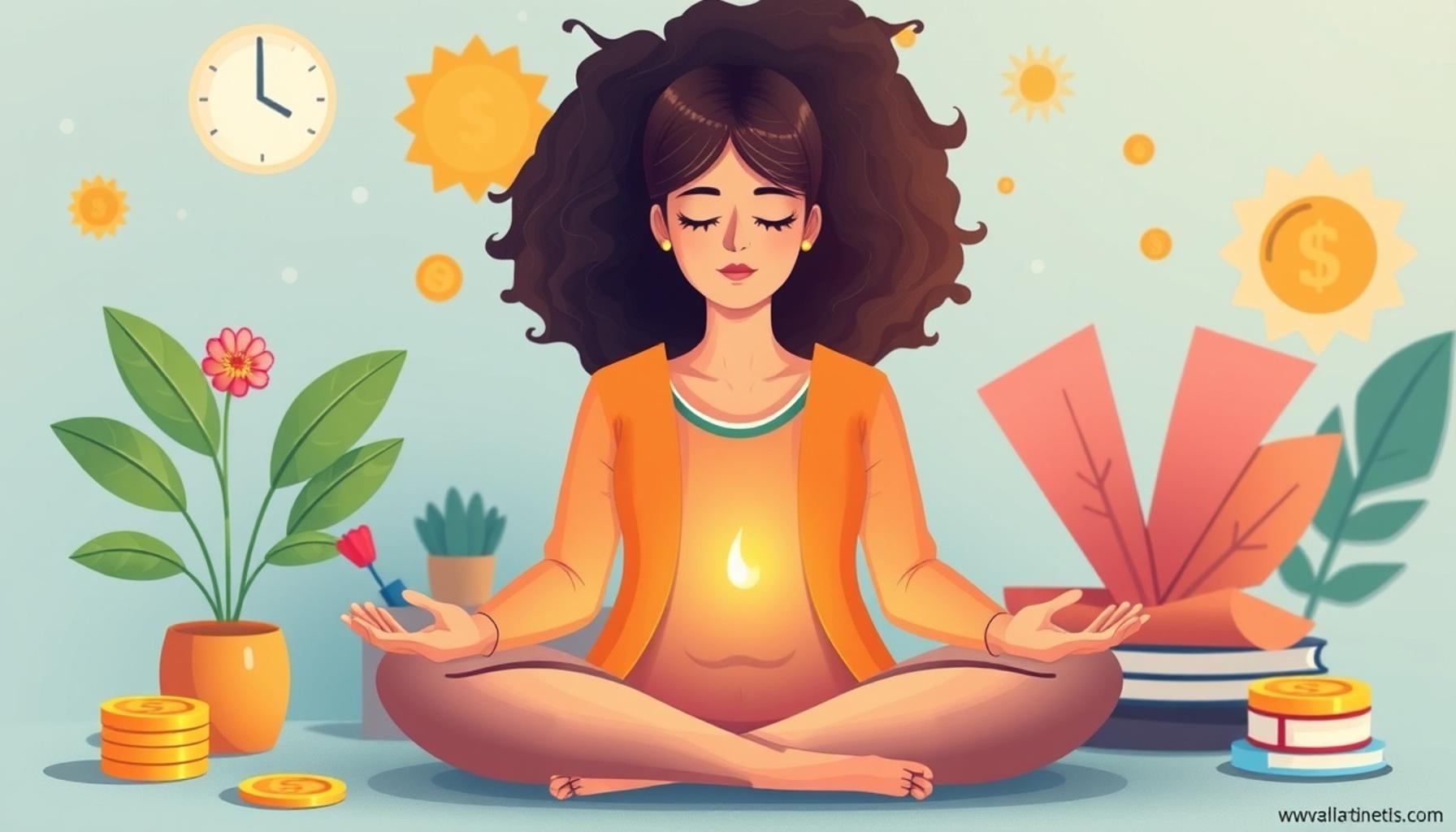
The Impact of Daily Meditation on Stress Management
In today’s fast-paced world, stress has become an omnipresent force impacting our daily lives. People across the United States strive to cope with mounting pressures from work, family, and social obligations. One powerful method emerging as a beacon of hope is daily meditation.
Daily meditation is not just a trending practice; it serves as a vital tool in stress reduction and cultivating healthy habits. Research indicates that just a few minutes dedicated to meditation each day can significantly reduce stress and foster a more balanced lifestyle. Numerous studies have showcased its effectiveness in various ways.
Benefits of Daily Meditation
Among the most notable benefits is the potential for reduced anxiety. Meditation acts as a balm for the mind, calming racing thoughts and allowing individuals to break the cycle of anxiety. For example, individuals who struggle with performance anxiety may find that practicing mindfulness techniques helps center their focus and mitigate their fears before important events, such as presentations or job interviews.
Moreover, daily meditation is linked to improved focus. Those who engage in regular meditation often report enhanced concentration and decision-making capabilities. This is particularly beneficial in a work environment where distractions are numerous. By practicing meditation, employees can arrive at a deeper state of clarity, enabling them to tackle their tasks with improved efficiency.
Additionally, it fosters better emotional health. By dedicating time to reflect and connect with oneself, individuals cultivate a positive outlook and gain emotional stability, which is crucial in maintaining resilience in the face of stressors. For example, individuals dealing with grief or loss might find solace in meditation, allowing them to navigate their emotions more gracefully.
Cultivating Healthy Habits
Daily meditation not only aids in stress management but also serves as a catalyst for developing healthy habits. One significant aspect is its ability to enhance self-awareness. Meditation encourages individuals to delve into their thought patterns and behaviors, promoting personal growth. This heightened self-awareness can guide better decision-making in various aspects of life, from dietary choices to interpersonal relationships.
Another positive outcome is the improvement in sleep quality. The calming effects of meditation can lead to deeper, more restful sleep, which is vital given the sleep disorders that many Americans face today. For those battling insomnia, incorporating meditation into a nighttime routine can signal to the body that it is time to wind down.
Furthermore, meditation is a powerful tool for boosting productivity. A clear mind free from clutter allows individuals to dedicate their energy to important projects and responsibilities. This clarity not only enhances work outputs but also encourages creativity—a necessary ingredient for problem-solving in today’s competitive landscape.
Given these substantial benefits, it’s no wonder that daily meditation is gaining traction among individuals seeking practical solutions to stress management. By engaging in this transformative practice, you can arm yourself against stress and embark on a journey toward a healthier, more rewarding lifestyle. The formation of healthy habits through meditation can lead to long-lasting effects, promoting overall well-being and enhancing your quality of life.
DISCOVER MORE: Click here to dive deeper
Exploring the Multifaceted Benefits of Daily Meditation
As society navigates through the complexities of modern life, the quest for effective stress relief has led many to the practice of daily meditation. This ancient practice has evolved into a contemporary solution, drawing interest from a wide demographic, including busy professionals, students, and wellness enthusiasts alike. By dedicating just a few minutes each day to meditation, individuals can unlock a treasure trove of benefits that reach far beyond mere relaxation.
Empirical Evidence Supporting Meditation’s Role in Stress Reduction
Numerous studies have illuminated the remarkable impact of meditation on stress levels. One significant finding reveals that individuals who practice meditation regularly exhibit lower levels of the stress hormone cortisol. Elevated cortisol levels are often linked to feelings of anxiety, chronic stress, and even physical health issues. In a clinical trial conducted by researchers at Harvard University, participants reported substantial reductions in stress-related symptoms after eight weeks of consistent mindfulness training. This suggests that enhancing one’s mental well-being through meditation can yield profound physiological benefits.
Building Resilience Through Daily Practice
A compelling aspect of meditation is its potential to strengthen emotional resilience. As people encounter various life challenges, meditation can serve as a stabilizing anchor, allowing for heightened emotional regulation. For instance, veterans dealing with post-traumatic stress disorder (PTSD) have turned to meditation as a complementary treatment to traditional therapies. Testimonials often highlight how mindfulness practices provide a greater sense of control amidst chaos, enabling individuals to respond rather than react impulsively to stress.
Key Aspects of Daily Meditation Practices
Individuals looking to incorporate daily meditation into their routines can explore several accessible practices. These include:
- Mindfulness Meditation: Focuses on being present in the moment, enhancing awareness of thoughts, feelings, and sensations without judgment.
- Guided Visualization: Involves imagining a serene place or scenario, helping to alleviate anxiety and foster relaxation.
- Transcendental Meditation: A technique centered around repeating a mantra, promoting deep states of relaxation and mental clarity.
- Breathwork: Concentrating on breathing patterns can instantly reduce stress levels, making it an effortless, effective tool for calming the mind.
These varied methods allow individuals to choose a style that resonates with them, making the practice not only adaptable but also enjoyable. By crafting a personalized meditation journey, practitioners are more likely to commit to daily sessions, thereby amplifying the cumulative benefits of their efforts.
Fostering a Healthy Lifestyle
The act of meditating daily also serves as a gateway to adopting other healthy habits. As individuals become more mindful, they often seek to align their behaviors with their wellness goals. This might manifest in improved dietary choices, increased physical activity, or healthier sleep habits. When stress is managed more effectively through meditation, it lays the groundwork for holistic well-being, where mental, emotional, and physical health reinforce each other.
By understanding the profound effects of meditation on stress reduction and fostering healthy habits, individuals can embark on a transformative journey that not only enhances their quality of life but also equips them with essential tools to navigate the complexities of everyday living. As the practice continues to grow in popularity, its integration into daily life appears not just beneficial but essential for achieving sustained well-being.
Meditation has increasingly gained recognition as a powerful tool for stress reduction and the promotion of healthy habits. By incorporating a daily meditation practice, individuals can enhance their overall well-being, both mentally and physically. The essence of meditation lies in its ability to help practitioners cultivate mindfulness, which leads to greater awareness of thoughts, emotions, and bodily sensations. This increased awareness can significantly contribute to emotional balance and resilience against stress.
Research suggests that even short periods of daily meditation can trigger physiological changes in the body, including reduced levels of the stress hormone cortisol. This hormonal shift not only alleviates stress but also promotes a sense of calm and relaxation, creating a conducive atmosphere for healthier lifestyle choices. For instance, individuals who meditate regularly often report improved sleep quality and patterns, enabling them to engage more effectively in their daily routines.
Moreover, the practice of meditation can naturally lead to enhanced focus and concentration, which are crucial for any successful habit-building endeavors. When someone is less distracted by stressors, they can devote more mental energy to adopting and maintaining healthy habits, such as regular exercise and balanced nutrition.
Interestingly, there’s also evidence that meditation can foster a greater appetite for self-care and personal growth. As meditators become more attuned to their inner selves, they may develop a deeper interest in holistic practices that align with their values, such as yoga, mindful eating, and mindfulness-based stress reduction programs.
Thus, the integration of daily meditation into one’s life goes beyond mere relaxation techniques; it cultivates a foundation for a vibrant health journey, aligning mental clarity with physical vitality. As we delve into the nuanced interplay between meditation and health, we discover countless avenues for deepening our practice and enhancing our lifestyles through informed choices and mindful living.
| Advantages of Daily Meditation | Details |
|---|---|
| Reduced Stress | Daily mediation decreases cortisol levels, helping relieve stress. |
| Enhanced Focus | Increases concentration and mental clarity, supporting habit development. |
| Improved Sleep | Facilitates better sleep patterns, crucial for overall health. |
| Promotes Self-Care | Inspires healthier lifestyle choices like yoga and mindful eating. |
DIVE DEEPER: Click here for immediate stress relief techniques
Integrating Meditation into Daily Life
Successfully incorporating daily meditation into one’s lifestyle goes beyond merely setting aside time; it requires a thoughtful approach to create a habit that is both sustainable and enriching. One effective way to ensure consistency is by linking meditation to existing routines. For example, practicing mindfulness after brushing your teeth or before diving into your workday can create a seamless transition, reinforcing the importance of this practice in your daily life. Building a habit in tandem with an established routine significantly enhances adherence, making meditation a natural part of one’s day.
Leveraging Technology for Support
In our digital age, various applications and online platforms are designed specifically to support meditation practices. Resources like Headspace, Calm, or Insight Timer offer guided meditations tailored to different needs, including stress reduction, sleep enhancement, and emotional balance. These platforms make meditation accessible to individuals at all levels, providing not just techniques, but also community support through forums and shared experiences. Additionally, wearable tech, such as smartwatches, can help track meditation sessions, breathing exercises, and overall mental wellness, encouraging users to cultivate their meditation habit actively.
Addressing Common Misconceptions
Despite the growing awareness of meditation’s benefits, several misconceptions still prevail, which may deter newcomers from embracing this practice. One common myth is that meditation requires a significant time commitment. However, even five to ten minutes of focused meditation can yield substantial benefits. Studies reveal that short, consistent sessions can be as effective as longer practices, especially when performed daily. Additionally, many believe that achieving a blank mind is necessary for effective meditation. In reality, the core of meditation is about acknowledging thoughts and feelings without judgment—not eliminating them. Recognizing these misconceptions can dismantle barriers for those hesitant to explore meditation.
The Role of Community in Sustaining Practice
Joining meditation groups or classes can also amplify the benefits of daily practice. Finding a local community or attending online sessions can instill a sense of accountability and motivation, fostering camaraderie among participants. Support from like-minded individuals can inspire practitioners to deepen their practice and explore new meditation techniques. The shared experience of navigating personal struggles and milestones in meditation can be incredibly powerful, reinforcing the idea that one is not alone in their mental wellness journey.
Exploring Meditation’s Impact on Work Performance
Beyond personal wellness, the positive effects of meditation extend into the workplace. Research indicates that employees who engage in meditation demonstrate enhanced concentration, creativity, and problem-solving skills. Companies like Google and Apple have recognized the value of mindfulness and meditation training for their employees, offering workshops and resources to promote a healthier work environment. By fostering a culture that encourages meditation, businesses can expect not only reduced employee stress but also increased productivity and innovation.
As the conversation around mental wellness continues to evolve, the importance of daily meditation emerges as a crucial aspect of stress reduction and the promotion of healthy habits. The challenges of modern life may be daunting, but with the right tools, including meditation, individuals can build resilience, enhance their overall well-being, and thrive amidst the chaos.
DISCOVER: Click here to learn how balanced nutrition can improve your sleep
Conclusion
In an increasingly fast-paced world characterized by relentless demands and ceaseless stressors, the significance of daily meditation cannot be overstated. By integrating this practice into our daily routines, we do not just carve out time for self-care; we actively invest in our mental resilience and overall well-being. Daily meditation offers an array of benefits, from reducing stress levels to fostering healthier habits, thereby empowering individuals to cope more effectively with life’s challenges.
The ease of access to meditation resources, such as apps and online communities, underscores its potential to reach a broader audience, breaking down barriers that often discourage practice. Moreover, addressing common misconceptions—such as the belief that long sessions are necessary for effective meditation—demystifies the practice, allowing anyone to benefit from even brief moments of mindful introspection.
As we continue to navigate the complexities of modern life, it is crucial to recognize the transformative power of meditation—not only as a personal sanctuary but also as a tool that can enhance productivity in professional settings. By fostering a culture that embraces mindfulness, workplaces can cultivate environments where creativity and collaboration thrive, ultimately benefiting both individuals and organizations.
Therefore, whether through a few quiet minutes each morning or community support in meditation classes, the pathway to better mental health and healthier habits is clear. The time to embrace daily meditation is now—by doing so, we not only soothe our minds but also transform our lives for the better.