The Influence of Crossword Puzzles on Vocabulary and Cognitive Aging
The Cognitive Benefits of Crossword Puzzles
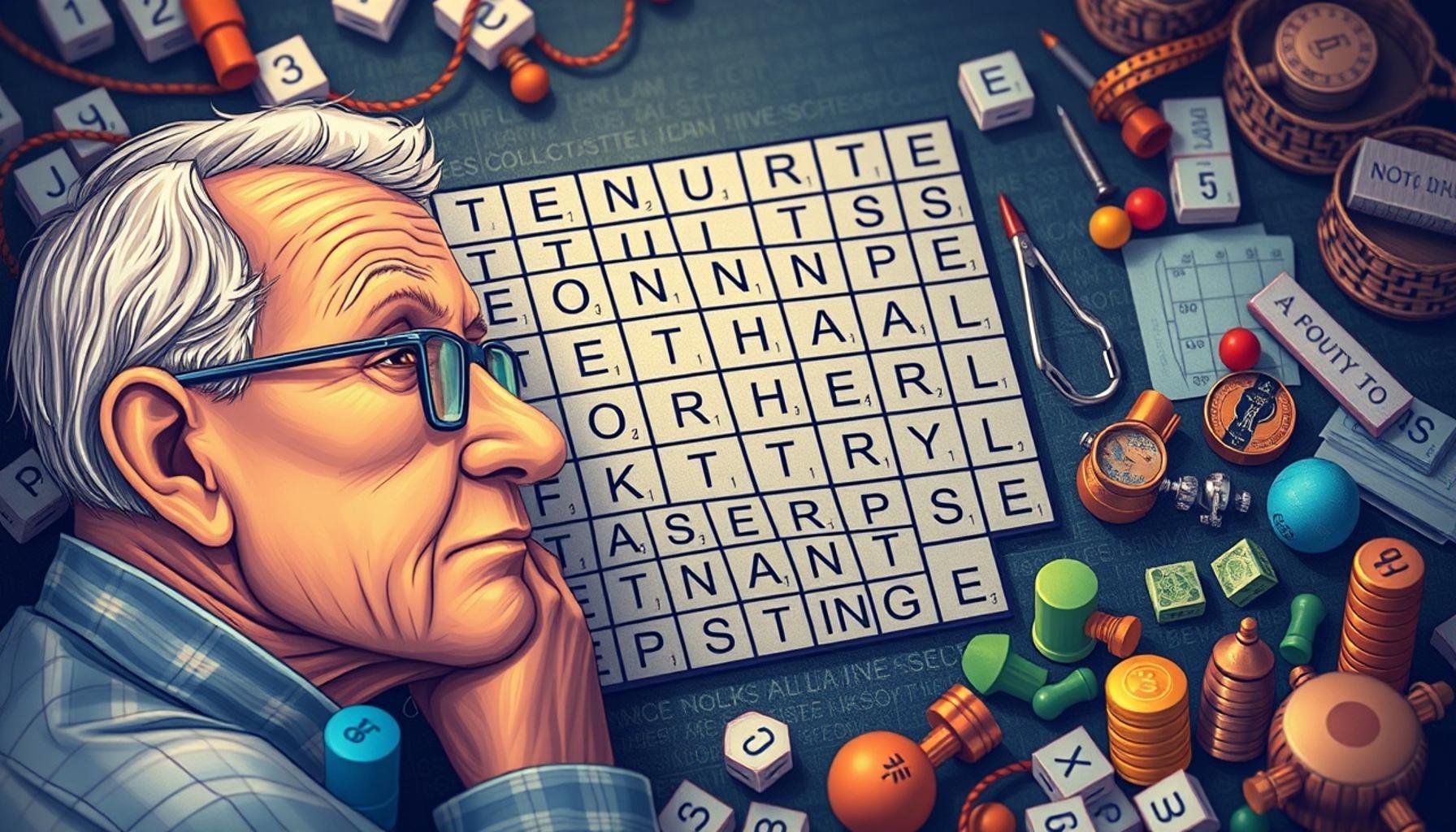
Crossword puzzles, with their quaint boxes and clues, offer more than just a leisurely way to pass the time. They engage players in a dance of language, logic, and lateral thinking. This age-old pastime has found a loyal following not only in coffee shops and living rooms but also in research laboratories aiming to unlock the mysteries of the human mind. As individuals shuffle through clues that range from the obscure to the widely known, they also unlock cognitive doors that can lead to numerous benefits.
Improvement of Vocabulary
One of the most notable advantages of regularly solving crossword puzzles is the substantial improvement of vocabulary. Each clue presents an opportunity for players to encounter new words, phrases, and definitions. For instance, a crossword requiring knowledge of various species of fish may introduce terms that even avid readers might not have encountered. This exposure not only enhances word knowledge but also increases the ability to comprehend nuanced language more effectively. Studies show that those who engage with word games tend to have a larger lexicon compared to those who do not.
Stimulating Cognitive Function
Critical thinking and problem-solving are essential skills in today’s fast-paced world, and crossword puzzles serve as an excellent training ground. By challenging solvers to connect clues with corresponding letters on the grid, these puzzles stimulate cognitive function, encouraging players to think creatively. This challenge can be likened to mental gymnastics, where the mind works to stretch and strengthen its reasoning abilities. Research supports that consistently exercising the brain through such activities can delay the onset of cognitive decline, proving particularly advantageous as individuals age.
Reducing Risks of Cognitive Decline
As the seasons of life change, so too do our cognitive abilities. Engaging in mentally stimulating activities, like crossword puzzles, may help to reduce the risks of cognitive decline. A study published in the journal “Neurology” found that individuals who regularly participated in puzzles exhibited a slower rate of cognitive decline compared to their non-puzzling peers. This correlation suggests that the brain, like any muscle, thrives with consistent exercise. So, for those grappling with the challenges of aging, a daily crossword might serve as not just a filling pastime but an avenue to engage and invigorate the mind.
In essence, crossword puzzles are more than mere entertainment; they are a tool for lifelong learning and mental preservation. By freely traversing their intricate grids, individuals embark on a journey through words, fostering not only a deeper connection with language but also promoting brain health and cognitive vitality. As we explore further into the science of crossword puzzles, it becomes increasingly clear how this pleasurable pastime shapes and sharpens our minds throughout life. So the next time you curl up with a puzzle, remember that you are not just filling boxes; you are strategically investing in the future of your cognitive health.
DISCOVER MORE: Click here to learn about the link between strategy games and executive functioning
Enhancing Language Skills Through Crossword Engagement
Crossword puzzles are more than just a form of entertainment; they play a significant role in enhancing language skills and stimulating mental faculties. For individuals of all ages, especially those in the golden years, the practice of tackling these word challenges can lead to remarkable changes in language comprehension and vocabulary enhancement. The vocabulary acquired through crossword solving does not merely remain confined to the puzzles themselves; rather, it seeps into everyday language, enriching conversations and improving writing skills.
Increasing Exposure to Diverse Vocabulary
The beauty of crossword puzzles lies in their ability to introduce players to an expansive range of vocabulary. Each puzzle can serve as a mini lesson in linguistics, where players are nudged to explore words from various domains, including literature, science, history, and popular culture. This exposure can be particularly beneficial for older adults, as it helps to keep their language skills sharp. The puzzles prompt users to:
- Discover new words: Puzzles frequently include less common terms, providing players with a plethora of new vocabulary.
- Reinforce existing knowledge: Solvers often revisit words they might have heard or encountered previously, solidifying their memory.
- Enhance spelling abilities: As players work to fill in the gaps, they exercise their spelling skills, aiding in retention of correct word forms.
Memory and Retention Enhancement
In addition to vocabulary expansion, solving crossword puzzles also has a positive effect on memory and information retention. The act of recalling words, connecting them to clues, and fitting them within the grid utilizes various cognitive functions. This process reinforces neural pathways associated with language and memory, which is especially crucial as cognitive aging sets in. A study from the University of Exeter found that individuals who regularly engage in word games such as crosswords displayed greater brain health and improved cognitive functions as they age. This illustrates the transformative effect that simple yet challenging wordplay can have on mental acuity.
Social Connections Through Crossword Solving
Moreover, crossword puzzles can be a great social activity, fostering connections and discussions among friends and family. Gathering around a puzzle encourages collaboration, as different solvers bring unique perspectives and reasoning to the table. This social aspect is immensely beneficial, particularly for older adults, as it helps mitigate feelings of isolation while promoting cognitive engagement.
In short, the pursuit of crossword puzzles offers abundant opportunities for vocabulary enhancement, memory reinforcement, and social interaction. By encouraging people to engage with language in a stimulating manner, these puzzles become a veritable treasure trove for cognitive vitality. As we delve deeper into their impact on cognitive aging, it becomes apparent that this beloved pastime holds the potential to be an essential tool in maintaining mental agility and nurturing expansive vocabulary throughout life.
| Advantage | Details |
|---|---|
| Enhancement of Vocabulary | Crossword puzzles are a fantastic tool for learning new words and expanding one’s vocabulary, as they encourage players to think critically about language. |
| Cognitive Stimulation | Engaging with crossword puzzles can significantly stimulate cognitive processes, thereby promoting brain health and potentially delaying the effects of cognitive aging. |
The influence of crossword puzzles extends beyond mere entertainment; they serve as mental workouts that can benefit individuals of all ages. Research has shown that solving crossword puzzles regularly can lead to improved brain function, as it requires the use of memory, reasoning, and pattern recognition. Additionally, this form of puzzle is particularly relevant for older adults, as it guards against memory decline associated with aging. Moreover, crossword puzzles are not solely about individual vocabulary enhancement; they also foster social interactions when solved in pairs or groups, creating a collaborative environment for knowledge exchange. This aspect can be especially vital for older adults, as social engagement is linked to better cognitive health outcomes. Given their multifaceted benefits, crossword puzzles stand out as an engaging activity with profound implications for vocabulary building and cognitive resilience in aging populations. Thus, diving deeper into the mechanics of how crossword puzzles stimulate vocabulary and thought processes can be a rewarding exploration for both enthusiasts and researchers alike.
DISCOVER MORE: Click here to dive deeper
Crossword Puzzles as a Tool for Cognitive Resilience
As the population ages, the search for effective strategies to enhance cognitive resilience and combat memory decline intensifies. Recent research underscores crossword puzzles as not only a source of entertainment but also as a dynamic tool for cognitive maintenance. The engagement required to decipher clues and fill in answers actively stimulates brain functions, encouraging a mental workout that offers far-reaching benefits.
Crossword Puzzles and Cognitive Flexibility
Cognitive flexibility—the brain’s ability to adapt to new information and switch between concepts—is critical in maintaining mental health as individuals age. Engaging regularly with crossword puzzles fosters this skill by promoting fluid thinking and problem-solving tactics. According to findings from the Cognitive Neuroscience Society, older adults who indulge in activities that challenge their cognitive abilities, such as crossword puzzles, exhibit higher levels of cognitive flexibility compared to those who do not. This enhanced flexibility not only aids in successfully solving puzzles but also translates into daily decision-making and adaptive reasoning.
Research Backing the Benefits of Crosswords
A comprehensive study conducted by the Albert Einstein College of Medicine supports the notion that participating in mentally stimulating activities like crossword puzzles can decrease the risk of developing Alzheimer’s disease and other forms of dementia. The study followed nearly 500 older adults over a span of several years and revealed that those who engaged in puzzles and similar mental activities scored significantly better on cognitive assessments. They also experienced a slower rate of cognitive decline compared to their less cognitively active peers.
The Impact on Emotional Well-Being
Beyond cognitive benefits, crossword puzzles contribute to emotional well-being, which is particularly vital for older adults. The sense of accomplishment following the completion of a puzzle can boost self-esteem and invigorate one’s mood. Furthermore, the social aspects of working on crossword puzzles with a partner or in a group foster positivity and connectivity, combating the loneliness that may accompany aging. Such communal puzzle-solving can transform solitary activity into an engaging and joyful experience, underscoring the role of crossword puzzles in holistic wellness.
Accessibility and Variety of Formats
The accessibility of crossword puzzles also plays a vital role in their influence on cognitive aging. Available in a myriad of formats—from newspapers to online apps—crossword puzzles fit conveniently into almost any lifestyle. This flexibility allows older adults to engage with puzzles at their own pace and level of difficulty. Some platforms even offer adaptive puzzles tailored to varying skill levels, ensuring that players can experience success and growth regardless of their starting point.
Furthermore, the variety of themes and styles available ensures that there’s something for everyone—from pop culture aficionados to history buffs—encouraging diverse interests and continued learning. This engagement with varied topics not only boosts vocabulary but also broadens general knowledge, enriching clients’ understanding of the world.
With the power to promote cognitive resilience, social connections, and emotional well-being, crossword puzzles emerge as a multifaceted resource in the quest to enhance vocabulary and stave off cognitive decline. As the dialogue surrounding cognitive aging continues, the role of crossword puzzles as accessible, enjoyable, and effective mental stimulants becomes increasingly vital. Such puzzles may be more than just a pastime; they are, indeed, a vibrant means of nurturing lifelong learning and cognitive health.
DIVE DEEPER: Click here to enrich your problem-solving skills
Conclusion: Engaging the Mind Through Crossword Puzzles
The exploration of crossword puzzles as a means to enhance vocabulary and mitigate cognitive aging presents a compelling narrative in the field of mental health and wellness. As we age, the quest for ways to maintain mental acuity becomes paramount, and the benefits of crossword puzzles are profound. These puzzles not only serve as entertaining brainteasers but also promote critical cognitive skills such as problem-solving and cognitive flexibility, essential for navigating the complexities of daily life.
Research consistently highlights the link between engagement in mentally stimulating activities like crossword puzzles and a reduced risk of cognitive decline and conditions such as Alzheimer’s disease. The cognitive benefits are enhanced further when older adults share this pastime, fostering social connections that nourish emotional well-being. The simple act of solving puzzles can instill a sense of accomplishment, bolstering self-esteem and adding joy to the often-isolating experience of aging.
Accessible and varied, crossword puzzles cater to a wide range of interests and skill levels, ensuring that mental stimulation remains achievable and enjoyable for all. As a result, they stand out as a valuable addition to strategies aimed at promoting lifelong learning and cognitive health. Whether through traditional publications or modern app formats, engaging with crossword puzzles should be viewed not just as leisure but as a potent exercise in cognitive vitality.
In summary, the influence of crossword puzzles on vocabulary enhancement and cognitive aging is an area ripe for further exploration. Embracing these challenges can lead to a richer understanding of language and bolster cognitive resilience, helping individuals thrive in their golden years. With ongoing research and increasing public awareness, crossword puzzles continue to affirm their place as a significant contributor to mental fitness as we age.