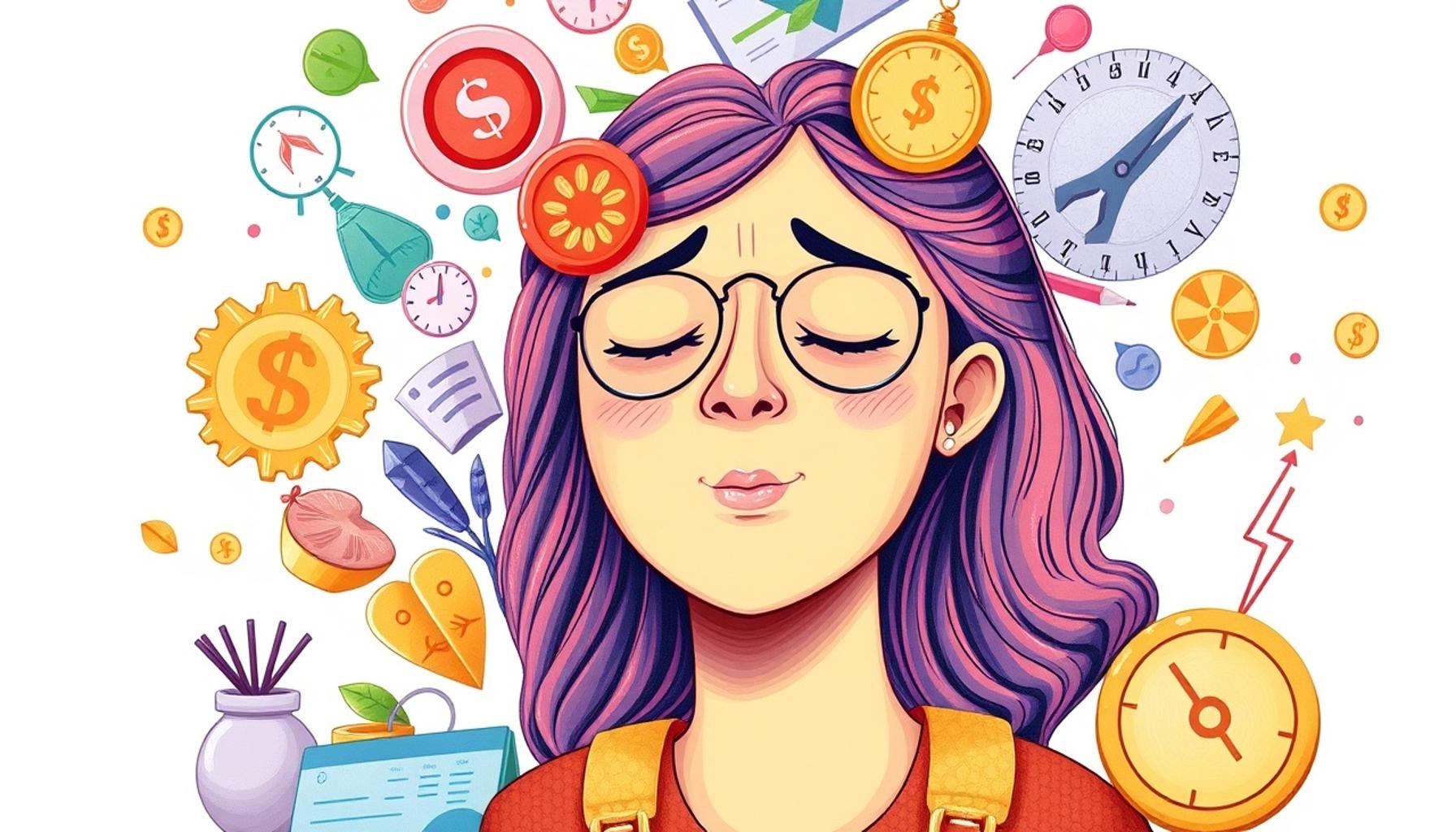
The Influence of the Environment We Live In on Mental Health: Creating Spaces that Promote Serenity
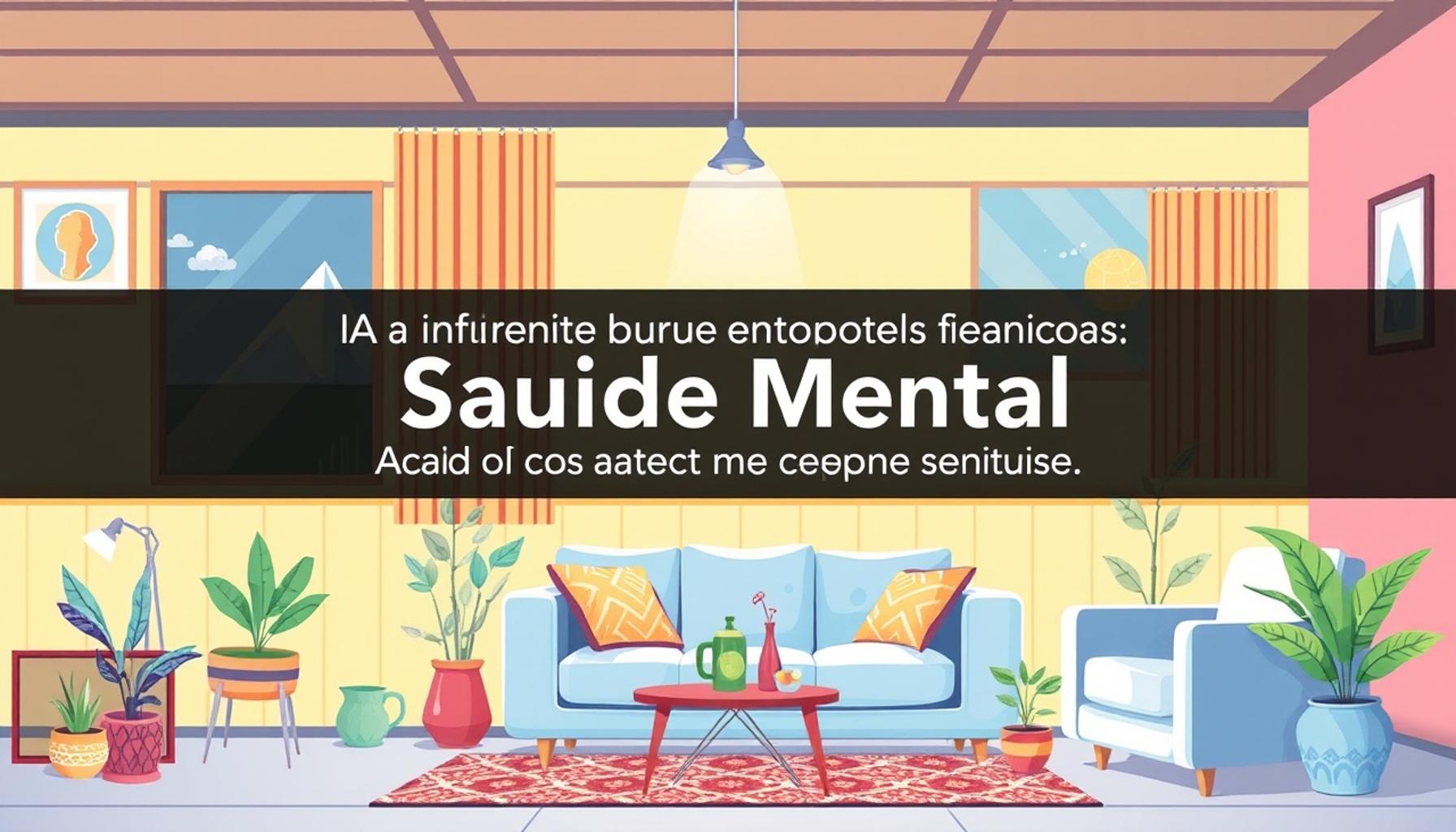
Understanding the Link Between Environment and Mental Health
Our surroundings play a crucial role in shaping our mental well-being. From bustling city streets to serene parks, the environment can either hinder or enhance our mental health. This article delves into how creating spaces that promote serenity can significantly impact our psychological state.
The Impact of Environment
Research shows that various environmental factors contribute to mental health outcomes. For instance, studies have demonstrated that prolonged exposure to noise pollution, such as that experienced in urban environments, can lead to increased stress and anxiety. A significant body of research indicates that communities near busy roads often report higher levels of stress-related illnesses, linking noise exposure directly to psychological distress.
Another pivotal factor is access to nature. Studies indicate that time spent in green spaces, such as parks and gardens, can considerably reduce feelings of depression and anxiety. In fact, a survey by the University of Queensland found that individuals who spent at least 30 minutes in a natural setting reported a notable decrease in stress levels and an uplift in mood. This phenomenon, often referred to as “biophilia,” underscores our inherent connection to nature and its healing properties.
Additionally, living conditions play a fundamental role in mental health. A stable home environment, coupled with neighborhood safety, significantly influences overall mental wellness. Issues such as inadequate housing, crime, and lack of community can exacerbate anxiety and depression; a report from the National Housing Conference highlights that stable housing directly correlates with improved mental health outcomes.
These elements emphasize the importance of creating environments that support emotional well-being. In the United States, urban areas often struggle with limited green spaces, making it critical to explore innovative solutions for enhancing mental health through thoughtful environmental design.
Creating Serene Spaces
As we navigate this topic, exploring effective strategies for cultivating tranquility in our environments becomes essential. Incorporating elements such as natural light can dramatically enhance mood and energy levels. Research indicates that exposure to sunlight increases the production of serotonin, a neurotransmitter linked to feelings of happiness.
Calming colors also play a role in influencing emotional responses. Colors like soft blues and greens have been shown to evoke tranquility and calmness, making them ideal for spaces meant for relaxation, such as bedrooms or meditation areas. The use of such colors in interior design can drastically alter the atmosphere of a room, encouraging a sense of peace.
Furthermore, applying mindful design principles can promote relaxation and mental clarity. This involves creating spaces that encourage a sense of order and reduce visual clutter. For example, minimalist design—where furniture and decor are kept to a functional minimum—can help promote a clear, calm mind amidst the chaos of daily life.
These practices can foster greater serenity and well-being. Join us in examining how we can transform our environments to nurture mental wellness. By focusing on intentional design and incorporating nature, we not only create more aesthetic spaces but also significantly impact the mental health of those who inhabit them.
DISCOVER MORE: Click here to learn about the impact of sleep on your performance
Exploring Elements of Serene Environments
To fully understand how our surroundings contribute to mental health, it is vital to delve deeper into specific environmental aspects that can either enhance tranquility or foment stress. From architectural elements to the natural landscape, each component plays a significant role in framing our experiences and emotional states.
The Role of Natural Elements
Natural elements have a profound influence on mental health, encouraging introspection and peace. The inclusion of water features, such as fountains or ponds, has been linked to reduced anxiety levels. Soundscapes that incorporate gentle water flow can create mental imagery that promotes relaxation. Furthermore, water symbolism often represents calmness and clarity, inviting individuals to experience serenity within their surroundings.
Additionally, indoor plants serve a dual purpose by enhancing aesthetic appeal while simultaneously purifying the air. A study from the National Institute of Health indicated that having indoor plants can significantly enhance mood and creativity, leading to increased feelings of well-being. By fostering cleaner air and a more inviting atmosphere, plants also reduce stress, making them a valuable addition to any living or working area.
Spatial Design and Layout
The physical layout of a space can greatly impact how we feel in it. Open floor plans can create a sense of freedom and spaciousness, while compartmentalized designs may foster feelings of confinement. This consideration is particularly relevant in homes, workplaces, and public places like hospitals and schools, where thoughtful arrangement contributes to mental clarity and emotional balance.
- Multifunctional spaces: Design areas that serve multiple purposes, promoting flexibility and social interaction.
- Quiet zones: Incorporate dedicated quiet areas for reflection or relaxation, providing a refuge from everyday stress.
- Welcoming entrances: Create inviting entry points that establish a warm environment and set a positive tone for those who enter.
Moreover, the presence of natural materials—such as wood, stone, and organic textiles—can evoke a sense of comfort and connection. Research suggests that these materials not only have a calming influence but also bring a piece of nature indoors, reinforcing our intrinsic bond with the environment. This sensory engagement can create a safe haven that nurtures mental wellness.
Reducing Visual Clutter
Another key consideration in fostering serene environments is the importance of minimizing visual clutter. Overwhelming environments filled with excessive decor, disorganized spaces, or chaotic layouts can lead to stress and distraction. Adopting a minimalist approach helps cultivate clarity and order, creating an atmosphere conducive to mental peace. By selectively curating what we include in our environments, we invite a sense of calm and purpose into our daily lives.
These crucial elements underscore the need for intentional design
As we delve deeper into the intricate relationship between our surroundings and mental wellbeing, it’s
DISCOVER MORE: Click here to learn how proper portions can enhance your health
Soundscapes and Their Impact on Mental Health
The auditory environment is another facet of how our surroundings can nurture or hinder our mental health. Soundscapes — the combination of ambient sounds that surround us — play a critical role in shaping our mood and stress levels. For instance, studies show that natural sounds, such as birds chirping or rustling leaves, have a calming effect compared to urban noise pollution, which can lead to increased anxiety and irritability. The phenomenon known as sound therapy highlights the effectiveness of nature-inspired audio on mental well-being, suggesting that incorporating elements of nature into our auditory experiences can facilitate psychological healing.
Designing spaces with sound in mind involves the careful selection of materials that reflect and absorb sound effectively. Acoustic panels, soft furnishings, and natural acoustic design can help create a quieter and more serene atmosphere, especially in bustling urban areas where street noise can create a sense of chaos and distraction. The careful integration of sound can foster audiophile-friendly environments, turning spaces into escapes that promote peace and introspection.
The Impact of Color Psychology
Color schemes are also vital in establishing peace within a space. For those interested in color psychology, it is crucial to understand that different hues elicit different emotional responses. Calm colors, such as soft blues and greens, are often associated with serenity and comfort, while vivid colors, like red or orange, can stimulate energy and excitement. Incorporating a palette that aligns with the intended atmosphere of a space can significantly affect occupants’ mental states.
For instance, research from the study of interior design indicates that environments decorated in cooler tones can lower stress levels and promote relaxation. In contrast, bright colors may find their place in productivity-driven environments such as offices or creative spaces, where energy and inspiration are paramount. Understanding the psychological effects of color can guide designers and individuals alike in creating spaces that effectively support mental health.
Access to Nature and Green Spaces
Moreover, access to green spaces has been the subject of numerous studies highlighting its significance for mental well-being. Urban dwellers often face the challenge of limited connections to nature, which can lead to feelings of isolation and increased stress. Local parks, gardens, and green rooftops provide opportunities for escape from the urban grind, serving as vital areas for relaxation and reflection. Studies conducted by organizations like the American Psychological Association have shown that spending time in nature—even for a short duration—can drastically improve mood and feelings of peace.
Incorporating green spaces into urban planning and residential neighborhoods can lead to significant improvements in residents’ mental health. Community gardens not only enhance the aesthetic quality of neighborhoods but also foster social connections and reduce feelings of loneliness. As cities continue to grow, prioritizing
DIVE DEEPER: Click here to discover how sleep boosts your productivity
Conclusion
Understanding the intricate relationship between our environment and mental health is crucial in nurturing a society that prioritizes well-being. Through our exploration of soundscapes, color psychology, and the access to green spaces, we see that creating environments that promote serenity can have profound effects on our mental states. Each aspect highlights the necessity of conscious design—whether it is selecting soothing decor hues or integrating the calming presence of nature into urban landscapes.
As urbanization continues to rise, the importance of designing spaces that foster connection to nature and tranquility cannot be overstated. Cities across the United States, from New York to San Francisco, are rife with opportunities for planners and individuals alike to transform everyday surroundings into sanctuaries of peace. Incorporating community gardens, sound therapy, and color schemes that induce calm can profoundly enhance our quality of life, alleviating the pervasive feelings of stress and isolation many face today.
To truly harness the potential of our environments to improve mental health, we must adopt a holistic view that prioritizes these elements in our daily interactions and urban development. The journey toward creating spaces that promote serenity invites us all—designers, policymakers, and individuals—to take an active role in shaping our surroundings for the better. By doing so, we move towards healthier lives, empowered communities, and ultimately a more harmonious society.