The Intersection of Music and Technology: Creating Music with Digital Tools
The Evolution of Musical Expression Through Technology
The landscape of music has transformed dramatically over the last few decades, thanks to the rapid advancement of technology. Today, musicians not only rely on traditional instruments but also harness digital tools to craft their soundscapes. This shift has opened up opportunities for both artists and producers alike, leading to an exciting era of musical expression that continues to evolve.
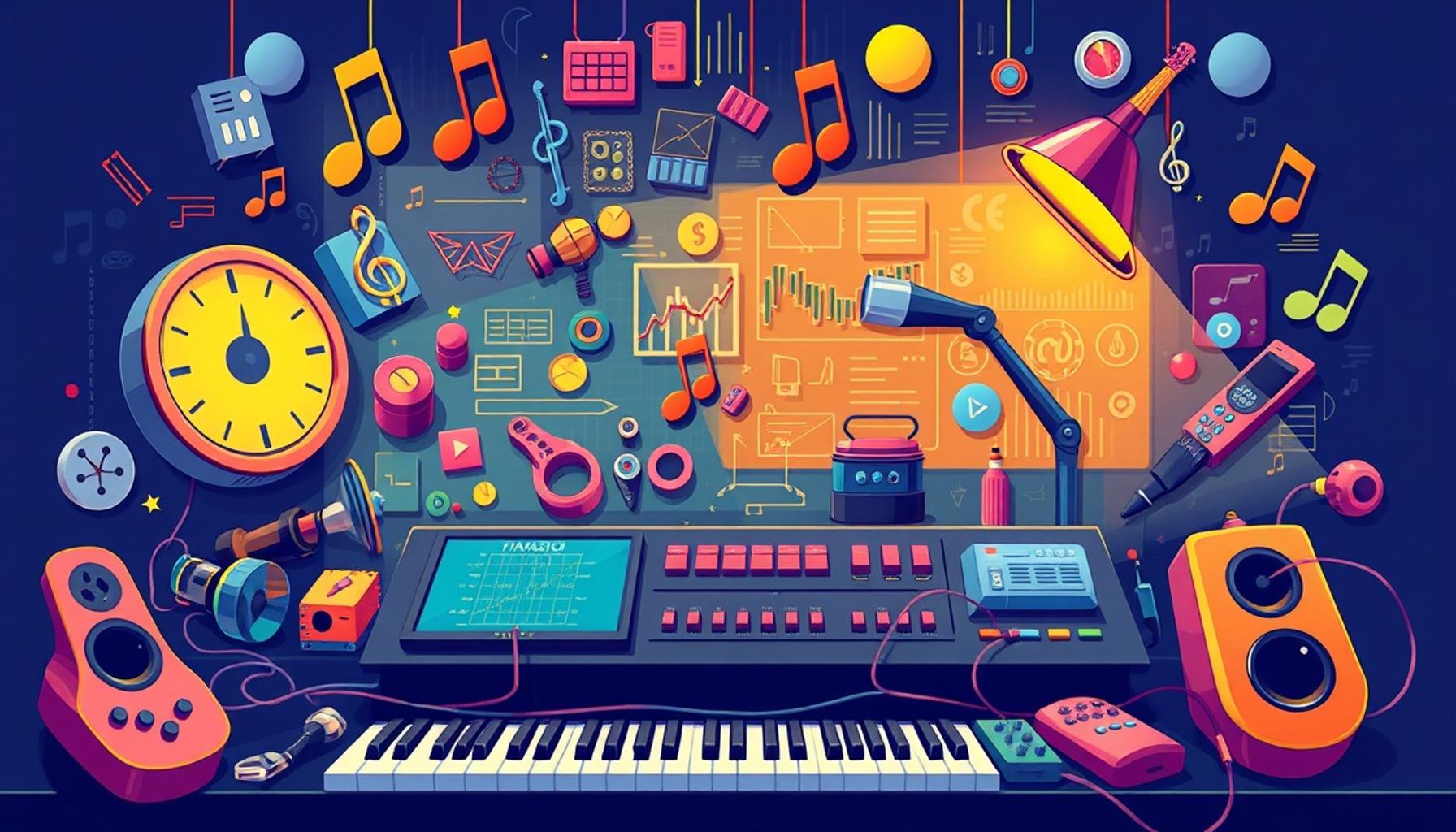
One of the cornerstones of this evolution has been the rise of Digital Audio Workstations (DAWs). Software like Ableton Live and Logic Pro allows artists to record, edit, and produce music seamlessly, making production more accessible than ever. These platforms offer a range of plugins and virtual instruments that can create anything from a lush symphony to a pulsing electronic beat, allowing artists to experiment and innovate like never before.
In addition to DAWs, synthesizers and MIDI controllers play a critical role in redefining music production. These tools enable musicians to create a plethora of sounds that can mimic or entirely reimagine traditional instruments. For example, artists can use a MIDI controller to trigger samples from classic keyboards, orchestrations, and even unconventional sound sources, resulting in genres that blend the old and the new. This capability has led to diverse musical styles, from synth-pop to lo-fi hip-hop, highlighting the creativity that technology encourages.
Furthermore, online collaboration platforms such as Splice and Soundtrap have facilitated remote collaborations among musicians from different corners of the globe. For instance, a singer in California can work with a producer in New York, while a guitarist in Chicago can add their unique flair to a track—all without being in the same room. This connectivity has spawned a global network of artists who share ideas, techniques, and ultimately, their music, creating a melting pot of cultures and sounds.
Moreover, the advent of streaming services has fundamentally altered how music is consumed. Artists on platforms like Spotify and Apple Music gain exposure to a worldwide audience, allowing independent musicians to reach listeners without the traditional backing of a record label. This shift has paved the way for a vibrant community of DIY musicians, empowering them to take control of their craft and build their brand directly with fans. The democratization of music production is transforming how we think about creativity itself, where anyone with a computer and internet access can make their mark in the music world.
As we delve deeper into this intriguing intersection of music and technology, we will uncover how these tools are influencing the industry, expanding artistic possibilities, and shaping modern sound. From innovative production techniques to the freedom of expression enabled by digital platforms, join us on this journey to discover how digital tools are redefining the essence of music creation.
DISCOVER: Click here to elevate your dishes with fresh, seasonal ingredients
Revolutionizing Music Production: The Empowerment of Creators
As we explore the intriguing intersection of music and technology, it becomes clear that digital tools are empowering creators in unprecedented ways. These innovations offer musicians new avenues for creativity, enabling them to explore sounds that were previously unimaginable and redefine the boundaries of musical genres.
One notable aspect of this transformation is the increasing prevalence of loop-based music creation. Artists can now utilize loops—short recorded segments of sound—to craft intricate compositions within minutes. Platforms like GarageBand provide users with pre-made loops that cover a vast array of genres, from rock to electronic. This accessibility encourages budding musicians to experiment without the overwhelming pressure of traditional music theory. Aspiring artists can cultivate their unique sound by layering these loops, resulting in unexpected and innovative tracks. In the United States alone, the rise of home studios has contributed to a surge in self-produced music, allowing more artists to bypass conventional routes to market their work.
Moreover, emerging technologies such as artificial intelligence (AI) are opening new frontiers in the music industry. AI-driven tools can analyze a user’s style, track history, and preferences to suggest chords, melodies, or even entire compositions. In 2020, OpenAI introduced MuseNet, a neural network capable of generating music in various styles and genres, pushing the envelope of what is possible in music creation. These advancements not only inspire composers but also place powerful tools in the hands of creators, accentuating artistic freedom and exploration.
The fusion of music with technology also extends into the realm of live performances. Cutting-edge technology has enabled artists to enhance their shows with captivating visuals and interactive elements. Virtual reality (VR) and augmented reality (AR) tools are being increasingly adopted to transform conventional concerts into immersive experiences. For example, the 2020 Virtual Coachella showcased a myriad of artists performing alongside digital replicas of themselves, enabling a unique performance dynamic that bridged physical and digital realms. This integration has redefined live music by allowing audiences to experience concerts in immersive ways, no longer confined to a physical stage.
As we unpack the benefits of creating music with digital tools, it is vital to recognize both the challenges and opportunities that technology presents. Artists must now navigate a crowded digital landscape, where the competition is fierce, and the barriers of entry are lower. The question arises: how do emerging musicians carve out their niche? Below are essential strategies that creators can employ to harness technology effectively:
- Embrace social media: Platforms like Instagram, TikTok, and YouTube serve as powerful tools for artists to showcase their work and connect with audiences directly.
- Utilize streaming analytics: Understanding listener data from platforms such as Spotify can help musicians tailor their sound and marketing efforts to fit audience preferences.
- Collaborate digitally: Use online collaboration tools to seek feedback, co-write, and develop music with other artists, expanding creative horizons.
In exploring the intersection of music and technology, it becomes evident that the digital tools available today have not only redefined how music is produced but also significantly influenced the way it is shared and consumed. The journey of music creation continues to evolve, and as technology advances, so too will the future of artistic expression.
| Category | Key Features |
|---|---|
| Accessibility | Digital tools allow musicians of all skill levels to create, edit, and produce music with ease. |
| Innovation | Technology encourages experimentation with new sounds and styles, pushing creative boundaries. |
| Collaboration | Digital platforms facilitate global partnerships, allowing artists to collaborate remotely regardless of location. |
| Cost-Effectiveness | Affordable software and hardware options make music production accessible without the need for high upfront investment. |
Digital tools are revolutionizing the way music is created and experienced. One of the most compelling advantages is the accessibility they provide. Musicians now have the ability to manipulate sound in ways that were once confined to professional studios. With a simple computer setup, emerging artists can record, mix, and produce right from their own homes. This democratization of music creation fosters a diverse array of voices and talents.Moreover, the innovation sparked by technology leads creators to explore uncharted territories in music. From sampling to digital synthesis, the possibilities are virtually limitless. This creativity is not just about sound but also involves the integration of visual elements, enhancing the overall artistic experience.Collaboration is another significant aspect enhanced by technology. Musicians can effortlessly work together across distances, blending different genres and cultural influences. Online platforms facilitate easy sharing and communication, expanding creative opportunities.Cost-effectiveness plays a critical role too, as aspiring musicians no longer need exorbitant budgets to produce high-quality tracks. By utilizing a variety of available software and hardware options, they can achieve professional-level outputs without breaking the bank, thereby broadening the industry landscape. The fusion of music and technology is reshaping the auditory landscape, revealing a rich tapestry of creative potential waiting to be explored.
DISCOVER MORE: Click here to dive deeper
Exploring New Frontiers: The Role of Digital Tools in Music Composition
The emergence of digital tools has ushered in a new era of music composition, transforming how artists conceptualize, create, and share their work. Beyond mere production, these technologies are reshaping the foundational aspects of musical creativity, facilitating access and fostering innovation. One key player in this evolution is the rise of digital audio workstations (DAWs). Software such as Ableton Live, FL Studio, and Logic Pro X has revolutionized the industry by providing expansive features that allow for sophisticated music arrangement and editing. Musicians can perfect every nuance of their recordings, layering tracks, and effects with precision that was once only achievable in professional studios.
Moreover, the democratization of music creation is further enhanced by the plethora of available plugin effects and virtual instruments. Artists are no longer limited to the sounds of traditional instruments. They can explore a wide range of synthesized sounds, sampled instruments, and effects that expand their sonic palette. For example, Native Instruments’ Kontakt offers a vast library of sampled sounds across diverse genres. This enables composers to venture into unheard sound territories, generating distinctive auditory landscapes that resonate with contemporary listeners.
Addtionally, the concept of music collaboration has taken on new meaning in the digital age. Online platforms such as Splice and SoundBetter allow musicians to connect globally, share ideas, and collaborate on projects in real-time. This accessibility encourages cross-genre experimentation, leading to fresh musical fusions. As borders fade in the virtual realm, artists can draw inspiration from a medley of cultures and sounds, leading to a flourishing of originality and diversity in music. A perfect example is the genre-blending work of artists like Lil Nas X, who have effectively combined country and hip-hop elements through digital collaboration, broadening mainstream music appeals and showing the transformative power of technological connectivity.
On the other side of this technological transition is the growing importance of music distribution platforms. With platforms like SoundCloud, Bandcamp, and various streaming services, artists can self-distribute their music, reaching audiences without needing a record label. This shift not only accelerates the talent discovery process but also provides musicians with direct feedback from listeners, enhancing their creative journey. According to a 2021 report by the Recording Industry Association of America (RIAA), streaming accounted for over 83% of the music industry’s revenue, illustrating the profound impact of technology on how music is consumed and monetized today.
However, with these opportunities come challenges rooted in intellectual property concerns and the saturation of the digital market. How can creators protect their original work in an era where copying and sharing are instantaneous? Moreover, with so many artists vying for attention, how can a new musician differentiate themselves? Addressing these concerns necessitates a more collaborative approach within the music industry. Engaging in discussions about fair compensation, rights management, and ethical considerations in music distribution are crucial as the digital landscape continues to expand.
Ultimately, the intersection of music and technology facilitates not just creativity and convenience but also prompts conversations about the rights and responsibilities of creators in the digital age. As musicians wield the tools of technology to carve their paths in this ever-evolving landscape, the future promises a continued blending of innovation with artistic expression like never before.
DIVE DEEPER: Click here to discover more about artistic expression</
Conclusion: Embracing the Digital Revolution in Music
The intersection of music and technology marks a pivotal moment in the evolution of artistic expression, where boundaries of creativity are continuously redefined. Digital tools—ranging from sophisticated digital audio workstations (DAWs) to innovative virtual instruments—empower musicians to explore uncharted territories of sound, allowing them to craft unique compositions that resonate deeply with diverse audiences. The democratization of music production heralds not only a greater chance for emerging artists to share their voices but also fosters a vibrant culture of collaboration across genres and borders, enabling new music forms to thrive.
As we navigate this technological revolution, the challenges concerning intellectual property rights and market saturation are pressing concerns that must be addressed. Musicians and industry stakeholders must engage in critical dialogue to safeguard creativity while promoting fair compensation. Furthermore, staying informed about music distribution platforms is essential for artists striving to stay relevant in a rapidly changing landscape.
In conclusion, the ongoing integration of technology in music creation is not merely about utilizing tools but signifies a shift toward a more interconnected and leveled playing field. As artists adapt to these advancements, they are not only shaping their destinies but also influencing the broader cultural narrative of the music industry. This journey is sure to cultivate a future rich with an extraordinary blend of sounds and innovative artistry, inviting listeners and creators alike to explore the rhythm of possibilities that lie ahead.