
Vertical Gardening: Creating Green Spaces in Urban Environments
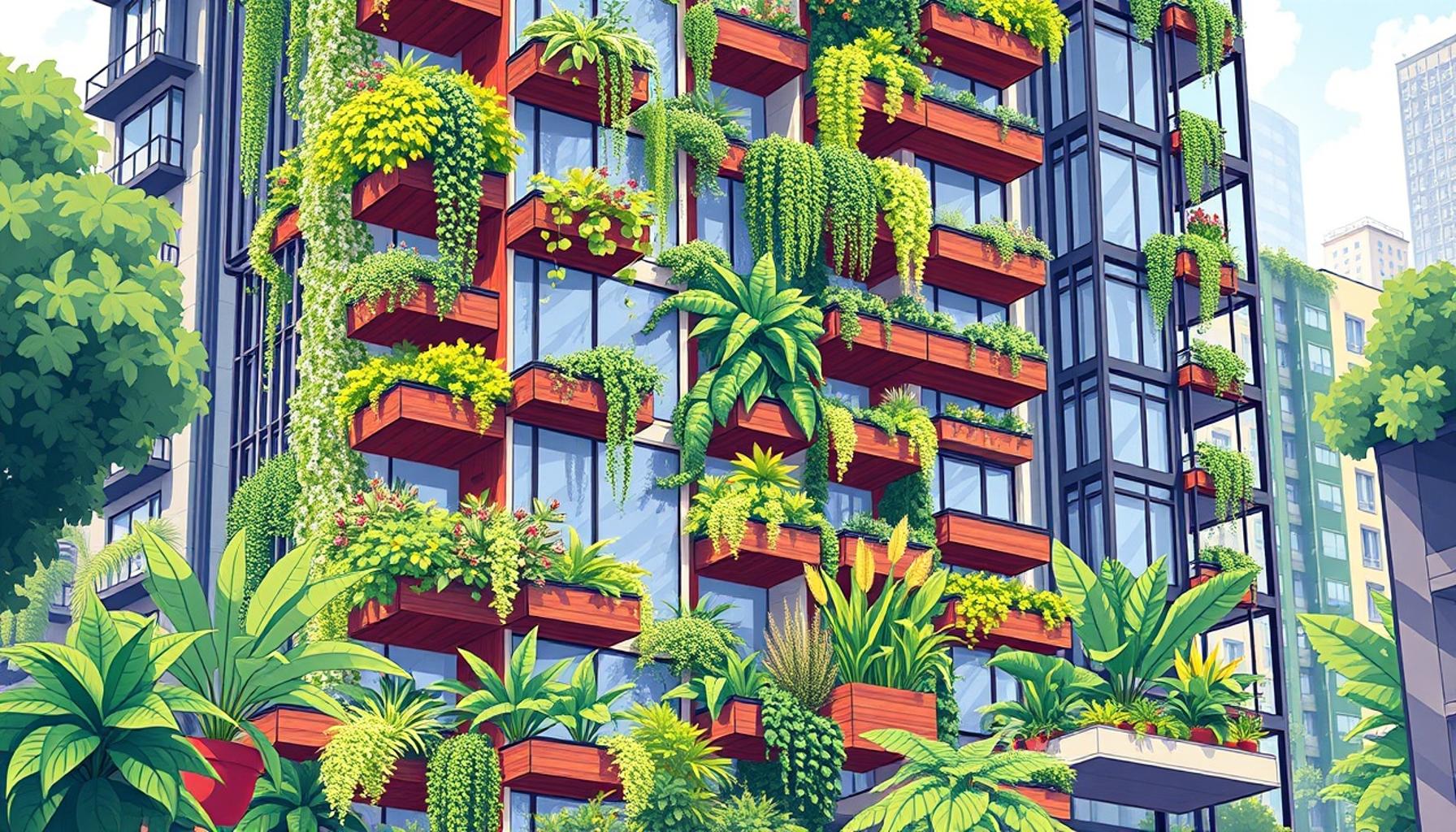
The Urban Challenge
As urbanization accelerates, cities across the United States are grappling with an ongoing challenge: the depletion of natural green spaces. With projections estimating that by 2050, nearly 68% of the world’s population will reside in urban areas, there is an urgent need to find sustainable solutions that address both environmental concerns and the well-being of urban dwellers. Among the most promising of these solutions is vertical gardening, which offers a fresh, innovative way to reclaim green space in densely populated areas.
What is Vertical Gardening?
Vertical gardening involves growing plants on vertical surfaces, be it walls, fences, or specially constructed structures. By taking advantage of vertical space, urban areas can incorporate greenery without sacrificing precious ground-level real estate. These gardens can be composed of a variety of plants, ranging from vibrant flowers to edible herbs, providing both aesthetic and practical benefits.
Benefits of Vertical Gardens
The advantages of vertical gardening extend well beyond mere visuals. Here are some of the key benefits that make them an appealing option for urban settings:
- Improved air quality: Plants have the natural ability to filter out harmful pollutants such as carbon dioxide and particulate matter, leading to cleaner air. Studies show that even small-scale vertical gardens can significantly reduce indoor air pollution, contributing to overall public health.
- Better insulation: Vertical gardens can act as insulated barriers, reducing heat absorption in buildings during hot months while retaining warmth in colder seasons. This not only makes buildings more energy-efficient but can also lower heating and cooling costs for residents.
- Enhanced aesthetic appeal: Incorporating greenery into urban architecture adds visual interest and livability. Spaces like New York’s High Line exemplify how vertical gardens can transform underused areas into lush retreats, fostering community interaction.
- Increased biodiversity: By creating green habitats, vertical gardens encourage the presence of pollinators like bees and butterflies within city limits. This biodiversity is vital for maintaining ecological health and stability in urban environments.
Applications and Innovations
Vertical gardens have shown versatility in different urban contexts, from residential balconies to large commercial buildings. Cities such as San Francisco have embraced this trend, with projects like the California Academy of Sciences featuring impressive living walls that captivate visitors while supporting local wildlife. Additionally, various vertical gardening kits and systems have emerged, making it more accessible for everyday citizens to engage in this eco-friendly practice from the comfort of their own homes.
Looking Ahead
Exploring the concept of vertical gardening reveals a world rich with opportunities for revitalizing urban environments. As more architects, city planners, and even corporate developers recognize its potential, this practice can lead to creating not just beautiful structures, but environmentally friendly ecosystems within our cities. Ultimately, vertical gardens pave the way for a future where urban life harmonizes with nature, enhancing the quality of life and contributing to a sustainable environmental legacy.
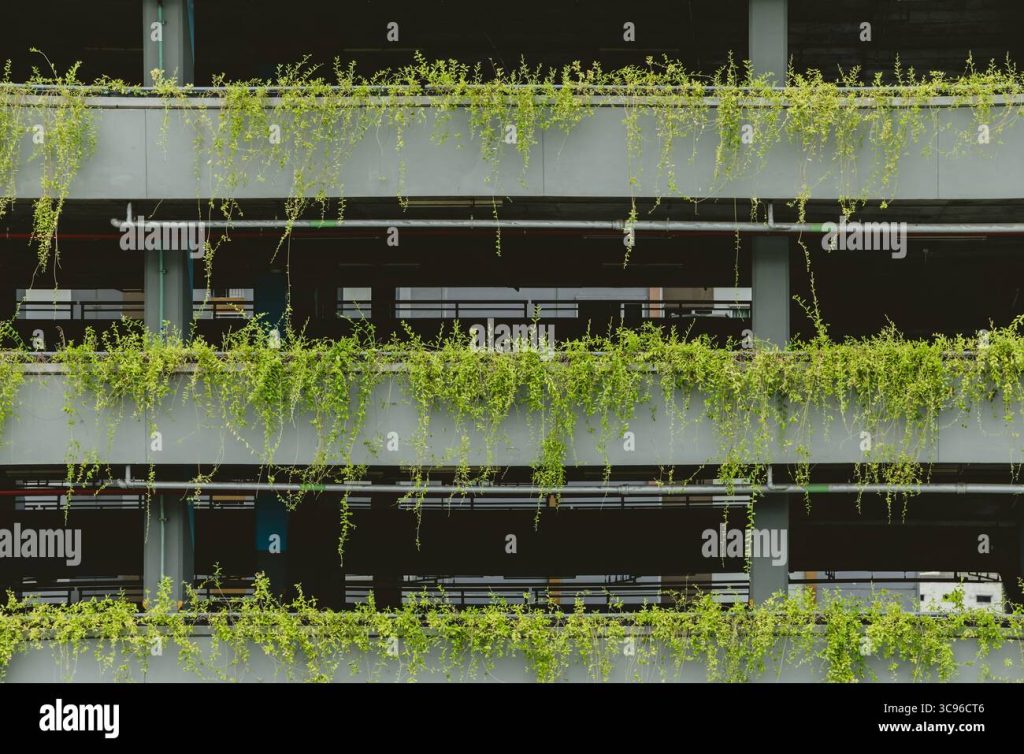
Transforming Urban Spaces
The implementation of vertical gardening has the power to transform bland, lifeless walls into vibrant ecosystems, breathing life into concrete jungles. As urban developers and residents alike seek sustainable methods to combat the challenges posed by high-density living, vertical gardens emerge as a practical and appealing solution. These gardens are not only innovative; they reflect a growing awareness of the environmental impacts of urbanization.
Types of Vertical Gardens
Vertical gardens can take many forms, ranging from DIY projects on home balconies to large-scale installations on commercial buildings. Some common types include:
- Living Walls: These are constructed with a modular system of planters or growing mediums attached directly to walls. They can often be found in public spaces, such as parks and building facades, promoting community engagement and interest.
- Green Facades: In this instance, climbing plants are trained to grow up trellises or other frameworks. This approach is typically easier to install and maintain, making it a popular choice for residential buildings looking to embrace greenery.
- Hydroponic Systems: These are soil-less gardens that allow plants to grow with nutrient-enriched water. Such systems can be integrated into apartments or offices, ensuring even the smallest spaces can contribute to urban greening.
The versatility in design and implementation means that whether you are a city planner designing a new public space or a homeowner seeking to make your apartment more inviting, vertical gardening has something to offer for everyone. This dynamic approach allows individuals to select plants based on their specific needs—be they ornamental flowers for beauty or herbs and vegetables for culinary purposes—thus encouraging a more engaging interaction with nature.
Access to Nature in Urban Areas
Several studies have demonstrated that integrating green spaces into urban environments can significantly enhance mental and physical well-being. Vertical gardens can play a pivotal role in this. For example, research from the University of Utah has found that even small encounters with nature can reduce stress levels and improve mood. For city dwellers often confined to limited outdoor spaces, having a vertical garden can create a private oasis that fosters relaxation and mental clarity.
Furthermore, vertical gardening promotes social interactions. Neighborhoods that participate in community gardening initiatives report increased connectedness among residents, facilitating interactions beyond the usual pleasantries. Community workshops around vertical gardening not only educate residents about plant care and gardening techniques but also cultivate relationships between people, thus bridging the urban divide.
Conclusion
Furthermore, as cities continue to grow and transform, the opportunities for vertical gardening expand alongside them. This innovation is not merely a trend; it represents a shift toward more conscious urban living, where green spaces contribute to both ecological sustainability and community well-being. As we delve deeper into the potential of vertical gardens, the future appears increasingly promising for urban environments looking to integrate more nature into daily life.
| Advantage | Description |
|---|---|
| Space Utilization | Vertical gardens allow for the effective use of limited urban space, maximizing greenery in small areas. |
| Environmental Benefits | Vertical gardens contribute to improved air quality, reduce noise pollution, and help in regulating building temperatures. |
In urban environments where concrete and steel dominate the landscape, the integration of vertical gardens offers a refreshing escape into nature while serving crucial ecological roles. Utilizing vertical spaces effectively, these gardens transform buildings and walls into lush green habitats, thus enhancing aesthetic appeal and contributing significantly to urban biodiversity. Furthermore, employing vertical gardening techniques, city dwellers can cultivate their own food, promoting sustainability and localized produce. This innovation not only addresses the challenges of limited space but also reverses urban heat island effects, making cities more livable. By reducing urban blight and providing a canvas for creativity, vertical gardens symbolize a transformative approach toward urban development. Beyond visual benefits, they stand as a testament to the potential of integrating nature into urban life, encouraging communities to reimagine their surroundings and invest in eco-friendly solutions.
Sustainability and Environmental Benefits
The environmental impacts of urbanization are becoming increasingly critical in today’s society, with cities accounting for more than 70% of global carbon emissions. Vertical gardening offers a sustainable solution that addresses these environmental challenges while enhancing the quality of urban life. By incorporating plants into building designs, city dwellers can actively contribute to improving air quality. Plants naturally filter air pollutants, reduce particulate matter, and increase oxygen levels, making urban areas not only greener but also healthier.
Energy Efficiency
Moreover, vertical gardens can play a crucial role in increasing energy efficiency in buildings. According to a study by the University of Melbourne, living walls can reduce indoor temperatures by up to 10°C (18°F) compared to traditional surfaces. By insulating buildings, vertical gardens reduce the need for air conditioning during hot months, leading to lower energy consumption and, consequently, diminished fossil fuel use. This energy efficiency directly contributes to a reduction in greenhouse gas emissions.
Biodiversity in Urban Settings
Beyond improving air quality and energy efficiency, vertical gardens serve as essential habitats for urban wildlife. As natural spaces continue to diminish, these green vertical spaces act as micro ecosystems that support various species, from insects to birds. Many vertical gardens feature a mix of native plants, which, apart from supporting local wildlife, are often more resilient and require less maintenance. Integrating biodiversity into urban settings not only enhances ecological stability but also promotes a sense of place for residents, connecting them more deeply to their environment.
Water Management Solutions
Additionally, vertical gardens offer innovative solutions for urban water management. With rainfall becoming increasingly unpredictable, urban areas often suffer from flooding due to inadequate drainage systems. Vertical gardens can help mitigate this issue by absorbing rainwater and reducing runoff. Systems designed to capture and reuse rainwater, coupled with vertical gardens, create a sustainable irrigation method that conserves resources while nourishing the plants. This initiative is gaining traction in cities like Los Angeles, where the local government actively promotes green architecture as a preventative measure against flooding.
Urban Aesthetics and Economic Impacts
Beyond the practical benefits, vertical gardening significantly enhances urban aesthetics, making cityscapes more appealing. Cities such as Singapore and New York are leading examples of urban transformation, where vertical gardens become key design elements. Iconic buildings like the One Central Park in Sydney showcase flourishing plant life on their external walls, contributing not only to a visually stimulating environment but also to increased property values. Studies indicate that buildings with green elements have higher rental and sales prices due to the demand for attractive, sustainable living spaces.
Ultimately, the integration of vertical gardens in urban environments creates a multifaceted approach to tackling the pressing issues of sustainability, aesthetics, and community connectivity. As cities continue to expand, the need for innovative solutions will only grow, and vertical gardening stands at the forefront, offering a promising path toward a greener, healthier urban future.
Conclusion
In summary, vertical gardening represents a transformative approach to addressing the myriad challenges that urban environments face today. By creating green spaces on vertical surfaces, cities can tackle air pollution, enhance energy efficiency, and support biodiversity, all critical elements for sustainable urban living. The multifaceted benefits of vertical gardens extend beyond aesthetics; they promote ecological health by serving as vital habitats for urban wildlife, and they encourage water management strategies that mitigate flooding risks.
The potential for vertical gardening as a response to urban challenges is promising, especially as cities like New York and Los Angeles look for innovative solutions to accommodate growing populations. The striking aesthetics of living walls not only beautify cityscapes but also contribute to increased property values and community pride. By embracing these green technologies, urban areas can foster a sense of unity and connectivity among residents, linking them to their natural environment in a meaningful way.
As we move further into the era of urbanization and climate change, the question is not whether cities should integrate vertical gardening into their infrastructure, but how rapidly they can implement these green solutions. From homeowners to city planners, everyone plays a vital role in this endeavor. By investing in vertical gardening, we can pave the way towards transformed urban landscapes that are not only viable but thriving with life, effectively bridging the gap between concrete jungles and vibrant ecosystems.