The Influence of Aromatherapy on Stress Relief and Emotional Well-Being
The Rise of Aromatherapy in Stress Management
Aromatherapy has gained traction as an effective method for stress relief and promoting emotional well-being. With the hustle and bustle of modern life, particularly in fast-paced environments like urban centers in the United States, many individuals are searching for holistic alternatives to effectively manage stress. The practice draws from a rich history of traditional medicine while becoming increasingly supported by modern science.
Essential Oils: Nature’s Therapeutic Extracts
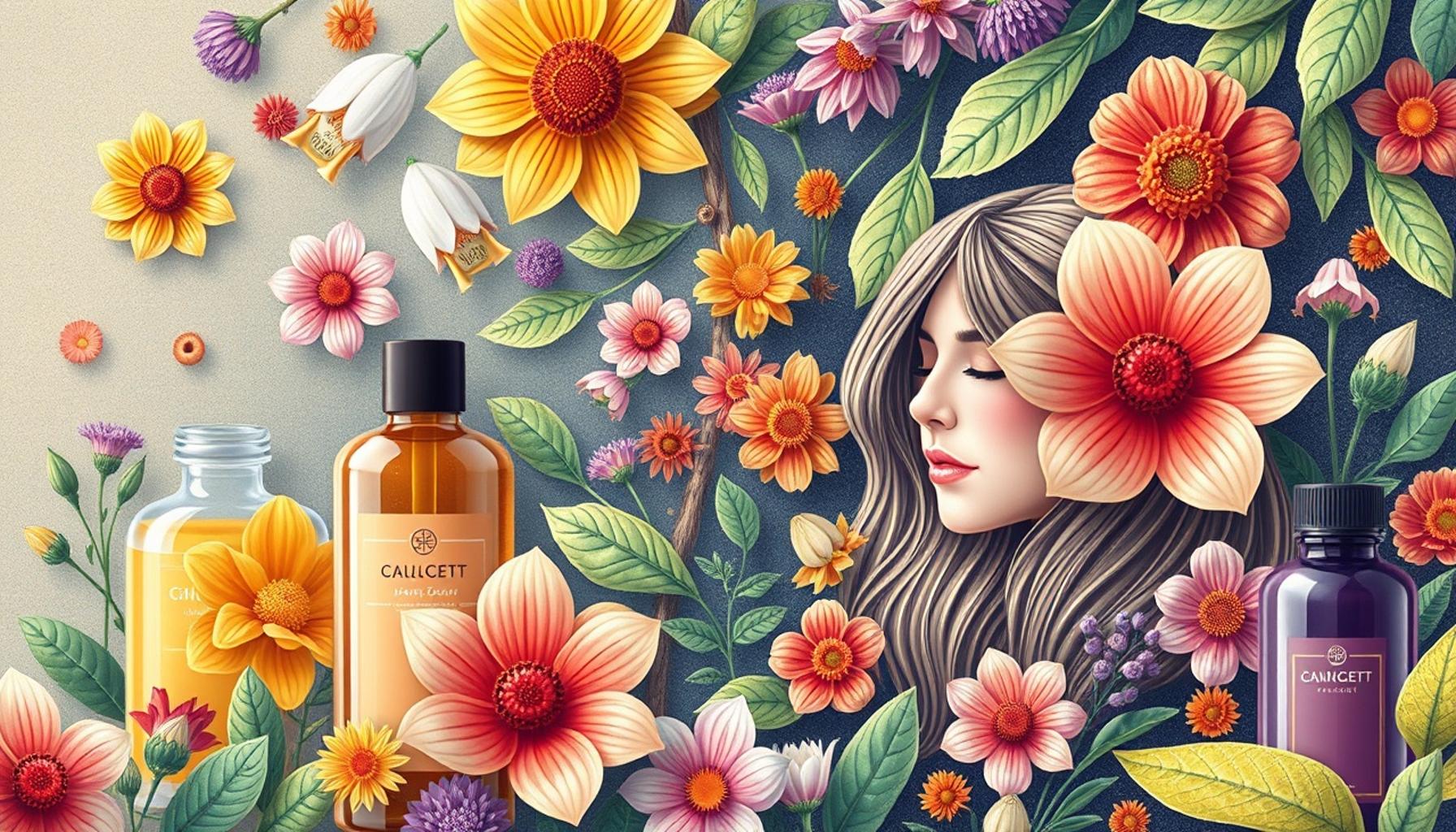
At the heart of aromatherapy are essential oils, concentrated extracts obtained from various parts of plants—including flowers, leaves, stems, and roots. Each essential oil possesses distinct therapeutic properties based on its phytochemical composition. For example, lavender oil is particularly renowned for its calming effects, often lauded for its ability to reduce anxiety and improve sleep quality. Similarly, chamomile oil can foster relaxation and alleviate stress, while eucalyptus oil is valued for its refreshing properties that can help clear the mind and boost energy.
Methods of Application: How to Experience Aromatherapy
Utilizing aromatherapy can be done in various ways, catering to individual preferences. Some common methods of application include:
- Inhalation: Simply inhaling essential oils directly from a bottle or diluting them in a diffuser can create an aromatic atmosphere that promotes relaxation.
- Massage: Incorporating essential oils into a massage technique allows for both the therapeutic effects of touch and the olfactory benefits of the oils to enhance overall well-being.
- Baths: Adding essential oils like lavender or eucalyptus to bathwater not only creates a soothing environment but can also provide a skin-nourishing experience.
The Psychological Impact of Aromatherapy
The emotional and physiological benefits of aromatherapy are supported by research, indicating that engaging with these aromatic compounds can elicit significant changes in our minds and bodies. Scientific studies show that the right scents can lower heart rate and even reduce cortisol levels, the hormone primarily associated with stress. An intriguing example is a study demonstrating that participants exposed to lavender scents reported being less stressed during testing scenarios compared to those who were not.
Moreover, many individuals in the U.S. have shared their personal testimonials about how incorporating aromatherapy into their daily routines has improved their overall mood and clarity of thought. From using a soothing blend during morning meditation to invigorating scents during long workdays, the applications of these oils can enhance daily life.
Exploring the Depths of Aromatherapy
As interest in aromatherapy continues to flourish, understanding its rich history, scientific underpinnings, and practical applications is crucial for anyone considering this natural approach to self-care. While it’s essential to know the therapeutic qualities of various essential oils, it’s equally important to explore how they interact with our emotional states. By doing so, individuals can embark on a journey toward a more balanced and fulfilling life through the simple yet profound act of smelling nature’s offerings.
LEARN MORE: Click here for effective mindfulness techniques
Understanding the Science Behind Aromatherapy
The efficacy of aromatherapy in addressing stress relief and enhancing emotional well-being can be better appreciated through an examination of its underlying science. As aromatherapy gains popularity, researchers have begun to delve into the biochemical and psychological mechanisms that underpin its therapeutic effects. By understanding how essential oils interact with the brain and body, individuals can make informed choices about which scents best suit their needs.
The Brain’s Response to Aromatic Compounds
When essential oils are inhaled, they stimulate the olfactory system, which is directly linked to the limbic system—the part of the brain responsible for emotional regulation and memory. This connection is pivotal for understanding why certain scents can evoke powerful emotional responses. For instance, the soothing aroma of lavender can induce feelings of calmness and tranquility, making it a popular choice among those seeking relief from anxiety.
Moreover, research indicates that certain essential oils can influence the production of neurotransmitters, such as serotonin and dopamine. These chemicals play key roles in regulating mood, which provides insight into how aromatherapy can contribute to improved emotional well-being. A review of studies highlights that participants exposed to fragrances like bergamot and ylang-ylang reported significant reductions in stress levels and enhanced feelings of happiness.
The Role of Aromatherapy in Reducing Cortisol Levels
Cortisol, commonly referred to as the “stress hormone,” is produced by the adrenal glands in response to stress. Elevated cortisol levels over extended periods can lead to a variety of health issues, including anxiety disorders, depression, and chronic illnesses. Aromatherapy has been shown to assist in lowering cortisol levels, offering a natural approach to stress management.
One fascinating study found that participants who were exposed to fragrant aromas experienced a notable decrease in cortisol levels after a few minutes. This suggests that incorporating essential oils into daily routines may not only foster a more relaxing environment but also promote physiological changes that benefit overall health. Furthermore, it presents aromatherapy as a potential ally in combating the adverse effects of stress on the body.
Aromatherapy as a Complementary Wellness Practice
As the quest for health and wellness grows, aromatherapy has emerged as a complementary practice capable of integrating seamlessly into various self-care routines. Many individuals find solace in combining essential oils with other mindfulness techniques such as yoga, meditation, and deep-breathing exercises. The synergy created by these multi-faceted approaches enhances the overall experience of relaxation and emotional stability.
- Yoga: Using calming essential oils during yoga practice can deepen relaxation and focus.
- Meditation: Diffusing scents like sandalwood or frankincense can help center the mind and elevate spiritual awareness.
- Breath Work: Engaging in breath work while inhaling specific oils can amplify stress-relieving benefits.
As individuals seek to cultivate emotional resilience and stress management techniques, the diverse applications of aromatherapy offer a myriad of possibilities to enhance overall well-being. Whether through aromatherapy alone or in conjunction with other holistic practices, the journey toward emotional balance is within reach for those willing to explore the aromatic pathways to serenity.
The Science Behind Aromatherapy and Its Effects
Aromatherapy is not just a trend; it is deeply rooted in history and scientific research. Studies indicate that certain scents can significantly impact our mood and stress levels. For example, lavender is widely known for its calming effects and ability to promote relaxation. Research shows that inhaling lavender essential oil can reduce levels of stress hormones, including cortisol, thus enhancing emotional well-being.Moreover, essential oils like bergamot and chamomile have been shown to decrease anxiety and improve symptoms of depression. These oils activate the olfactory system, which is directly linked to the areas of the brain responsible for emotions. This connection illustrates why aromatherapy is considered an effective natural remedy for stress relief.
The Practical Applications of Aromatherapy
Incorporating aromatherapy into daily routines can be as simple as diffusing essential oils in the home or during meditation. Many people also find relief by using it in a bath or for massage therapies. The versatility of aromatherapy makes it easy to customize based on individual preferences, allowing for a more personalized approach to improving emotional wellness.Now, let’s explore the advantages of aromatherapy further in the following table:
| Category | Benefits |
|---|---|
| Stress Relief | Promotes relaxation and reduces cortisol levels |
| Emotional Balance | Helps improve mood and alleviate anxiety symptoms |
Through further exploration and practice, individuals can uncover the profound impacts that aromatherapy can have on their overall well-being, making it a valuable ally in achieving a balanced, stress-free life.
DIVE DEEPER: Click here for effective breathing exercises
Exploring Various Essential Oils for Stress Relief
Different essential oils possess unique properties that can significantly influence stress relief and enhance emotional well-being. The selection of specific scents can cater to individual preferences and specific emotional needs. By understanding the distinct characteristics of various essential oils, individuals can tailor their aromatherapy experiences to achieve desired outcomes.
Popular Essential Oils and Their Benefits
Among the vast array of available essential oils, several have gained popularity in the realm of aromatherapy due to their profound stress-relieving properties. Here are a few notable ones:
- Lavender: Renowned for its calming effects, lavender oil is often hailed as a go-to oil for anxiety relief and promoting sleep. Research highlights that inhaling lavender can lower heart rate and blood pressure, providing a physiological response that enhances relaxation.
- Bergamot: This citrus-scented oil is particularly effective in reducing stress levels. Studies suggest that bergamot can uplift mood and alleviate feelings of sadness by triggering the release of endorphins, making it a popular choice for those seeking emotional stability.
- Frankincense: Traditionally revered for its spiritual significance, frankincense oil is believed to encourage feelings of peace and grounding. When used during meditation or deep breathing exercises, it can enhance focus and create a tranquil mental space.
- Ylang-Ylang: Known for its sweet floral aroma, ylang-ylang is linked to decreases in heart rate and feelings of stress. It can be particularly beneficial for individuals experiencing high anxiety levels, promoting a sense of calm and relaxation.
These oils can be utilized in various applications such as diffusers, personal inhalers, baths, or topical blends, allowing individuals to customize their aromatherapy experience.
Aromatherapy’s Role in Mindfulness Practices
Integrating aromatherapy into mindfulness practices can magnify its effectiveness in promoting emotional wellness. The act of inhaling deeply and focusing on specific scents can enhance the overall experience of grounding activities. Engaging in practices like mindful breathing or meditation while using essential oils helps create a multi-sensory experience conducive to stress relief.
Research illustrates that the combination of aromatherapy and mindfulness fosters better outcomes for emotional health. By drawing attention to the fragrance while focusing on breath, individuals can redirect their minds away from stressors and cultivate a sense of presence.
The Practical Application of Aromatherapy in Daily Life
In today’s fast-paced world, incorporating aromatherapy into daily routines can serve as an effective strategy for fostering mental resilience. Simple practices can be easily introduced into everyday life, enabling individuals to harness the benefits of essential oils whether at home, work, or on-the-go:
- At Home: Use a diffuser to fill your living space with calming scents during evenings to promote relaxation and indicate time for winding down.
- At Work: Consider keeping a personal inhaler or essential oil roller at your desk to provide a quick emotional pick-me-up during stressful situations.
- On-the-Go: Aroma bracelets or portable diffusers can allow individuals to have access to beneficial scents anytime, fostering a sense of calm throughout the day.
By proactively introducing aromatherapy into their lives, individuals can take significant strides toward enhancing their emotional well-being and managing stress more effectively. As more people recognize its potential, aromatherapy continues to pave the way as a viable method for achieving greater balance and serenity in modern life.
DISCOVER MORE: Click here to uncover the benefits of journaling
Conclusion
The growing body of research surrounding aromatherapy underscores its significant role in promoting stress relief and enhancing emotional well-being. With an array of essential oils such as lavender, bergamot, frankincense, and ylang-ylang, individuals have the opportunity to select scents that resonate personally with their emotional landscape. This personalized approach not only caters to individual preferences but also encourages deeper engagement with the practice of aromatherapy.
As we have explored, integrating aromatherapy with mindfulness practices magnifies its benefits, creating a synergistic effect that allows individuals to cultivate a deeper sense of presence and tranquility. By simply inhaling calming scents while practicing mindful breathing or meditation, a fuller sensory experience transforms routine stress management into a holistic journey towards emotional resilience.
In a world characterized by relentless pace and constant distractions, the practical applications of aromatherapy provide easy yet powerful tools for individuals to incorporate wellness into their daily lives. Whether it’s through the use of diffusers at home, personal inhalers at work, or portable scent options on the go, the accessibility of these methods makes relieving stress more achievable than ever.
Ultimately, embracing aromatherapy can lead to not only improved stress management but also a profound enhancement of overall emotional health. By recognizing and harnessing the influence of aromatherapy, individuals can foster a more balanced and serene existence, making it an invaluable addition to contemporary wellness practices. As further research unfolds, it is clear that aromatherapy holds significant promise as a vital ally in nurturing a state of emotional equilibrium.