The Connection Between Mind Games and Emotional Resilience
The Importance of Emotional Resilience
In today’s fast-paced world, emotional resilience is more vital than ever. As individuals navigate the complexities of daily life, including personal relationships, career challenges, and global events, the ability to bounce back from adversity becomes a crucial skill. This resilience is not merely an innate quality but a set of attributes that can be cultivated and strengthened over time. So, how can we actively develop this resilience?
Mind Games: A Tool for Growth
Mind games encompass a variety of activities, including classic puzzles, strategy board games, and engaging brain teasers. These mental challenges stimulate critical thought and encourage mental flexibility. While they may appear to be simple forms of entertainment, the cognitive benefits they provide can play a significant role in enhancing emotional resilience. They help to sharpen our thoughts, untangle complex issues, and improve overall mental wellness.
Key Benefits of Mind Games for Emotional Resilience
- Problem-Solving Skills: Engaging with puzzles and strategic games enhances critical thinking and helps individuals develop effective problem-solving skills. For example, games like chess require players to think several moves ahead, improving their ability to anticipate challenges and respond effectively.
- Stress Management: Many find that playing games serves as a valuable form of stress relief. Once absorbed in a maze of challenges or a spirited card game, the mind shifts focus away from real-life pressures, thereby reducing anxiety and promoting a sense of calm.
- Self-Efficacy: Completing and mastering different challenges can lead to an increase in self-efficacy, which is the belief in one’s abilities to navigate potential difficulties. This boost in confidence can reinforce a person’s willingness to tackle tough situations head-on.
The interplay between mind games and emotional strength fosters a comprehensive framework for equipping ourselves to handle life’s trials. Experiencing challenges in a controlled environment—like a game—can help individuals gain insights into their coping mechanisms, reinforcing their decision-making skills and adaptive strategies. For instance, individuals who regularly play trivia games may develop enhanced information recall and cognitive speed, which can translate into better performance in high-stress situations in everyday life.
By exploring this intriguing connection further, we can uncover valuable insights that not only promote cognitive growth but also nurture our emotional fortitude. As we continue to face an ever-changing landscape of personal and professional challenges, the importance of developing resilience through engaging and stimulating activities becomes increasingly apparent.
DIVE DEEPER: Click here to learn more
Understanding How Mind Games Foster Resilience
The relationship between mind games and emotional resilience is a fascinating area of exploration that underscores the complexity of human cognition and behavior. At the heart of this connection is the fundamental principle that engaging in challenging mental activities can enhance our ability to cope with stressors and build fortitude in times of difficulty. As we delve deeper into this topic, it’s essential to understand how these games not only stimulate our minds but also fortify our emotional coping mechanisms.
The Science Behind Mental Stimulation
Research indicates that mental challenges can have a profound impact on our brain’s plasticity, the ability to reorganize itself in response to new information and experiences. Cognitive games, such as Sudoku, crossword puzzles, and strategy-based video games, require players to utilize various mental faculties, including logic, attention, and memory. This engagement stimulates the release of neurotransmitters responsible for mood regulation, thereby fostering a sense of accomplishment and satisfaction.
Specific Ways Mind Games Encourage Emotional Resilience
- Enhancing Cognitive Flexibility: Playing mind games often necessitates adapting to new rules and scenarios swiftly. This cognitive flexibility cultivates an ability to pivot quickly in response to unforeseen challenges in real life, promoting resilience.
- Fostering a Growth Mindset: Engaging with complex tasks encourages a growth mindset—the belief that abilities can be developed through dedication and hard work. Such a mindset is critical for facing adversity as it instills perseverance and enthusiasm for learning.
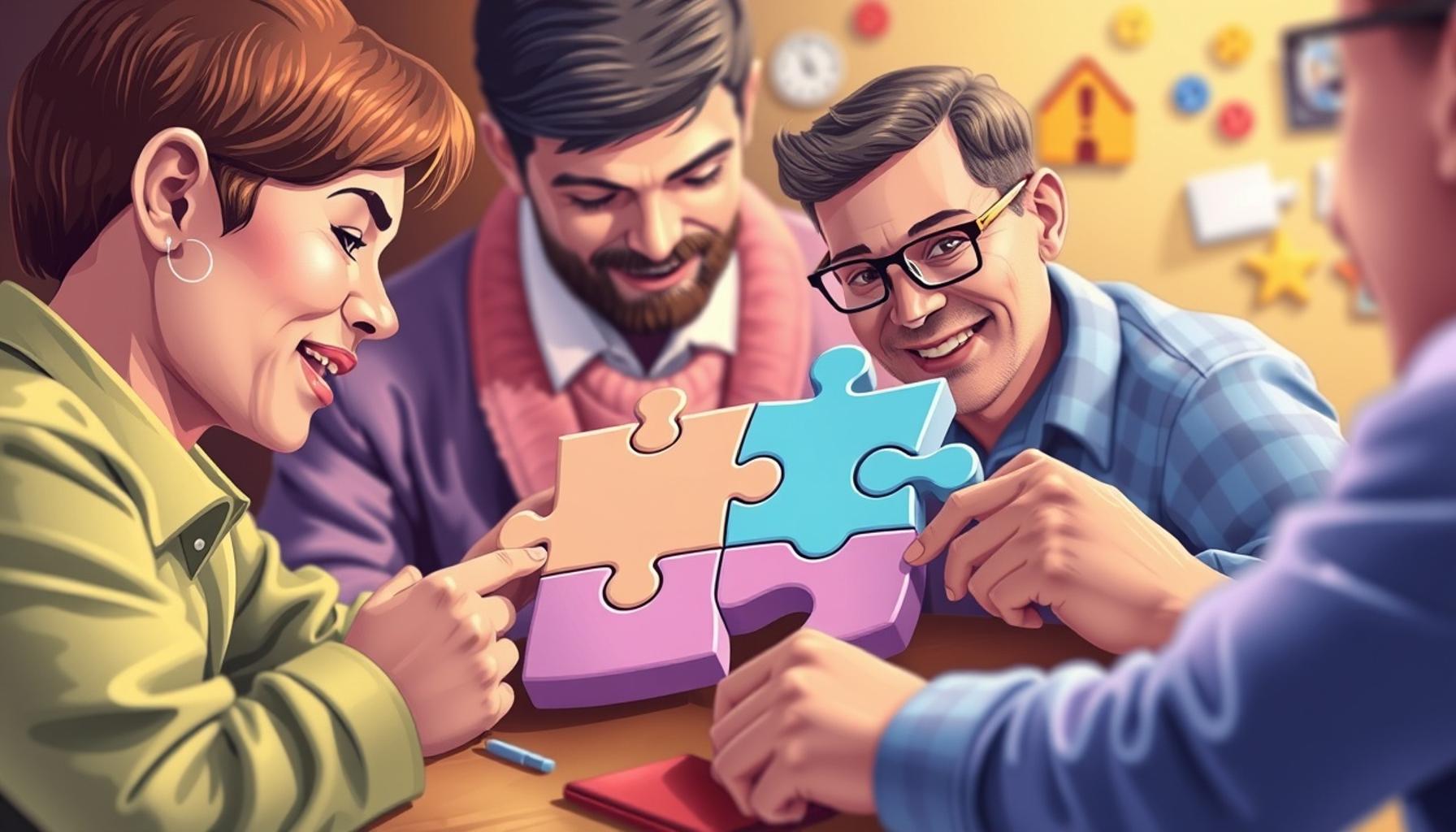
- Community and Social Interactions: Many mind games, particularly online platforms, allow for social interaction and teamwork. These connections can provide emotional support and a sense of belonging, which are vital for enhancing resilience during tough times.
Moreover, players often find themselves exposed to situation simulations within games that mirror real-life challenges. For instance, team-based games can mimic workplace dynamics, where collaboration and negotiation skills are put to the test. Navigating these scenarios equips individuals with practical skills that transfer into their personal and professional lives, strengthening their capacity for emotional resiliency.
In an age where mental health awareness is at the forefront, understanding how engaging in mind games can build emotional resilience is imperative. As we draw upon the lessons gathered from these mental exercises, we begin to see profound implications not only for personal development but also for societal well-being. The path to emotional stability may indeed be augmented by playful yet intellectually stimulating activities that encourage us to confront and manage life’s unpredictability.
The Connection Between Mind Games and Emotional Resilience
One of the most fascinating aspects of the intricate relationship between mind games and emotional resilience lies in how mental challenges can enhance a person’s ability to cope with stress and adversity. Engaging in various types of mind games, from puzzles to strategy-based games, can significantly sharpen the mind, leading to improved cognitive flexibility. This adaptability helps individuals navigate emotional challenges more efficiently, enabling them to face difficult situations with a renewed perspective.Research indicates that playing mind games stimulates brain regions associated with emotional regulation, such as the prefrontal cortex. These activities encourage critical thinking, problem-solving, and even teamwork, thereby fortifying emotional resilience. Furthermore, as individuals immerse themselves in these games, they also learn to manage frustration and setbacks—skills that translate seamlessly into real-life circumstances. Moreover, participating in group-based mind games fosters a sense of community and social support, which are crucial elements in building resilience. Players often share their strategies, celebrate wins, and navigate losses together, creating strong bonds that help individuals feel less isolated during tough times.As we delve deeper into this correlation, it’s essential to consider how specific mind games can be tailored to enhance particular aspects of emotional resilience, equipping individuals with practical tools for life’s challenges. The exploration of these games not only illuminates their immediate benefits but also showcases their potential to cultivate lasting, positive change in emotional health.
| Category 1 | Category 2 |
|---|---|
| Cognitive Challenge | Enhances problem-solving skills and adaptability. |
| Social Connection | Fosters collaboration and emotional support among participants. |
By understanding these advantages, we can better appreciate how mind games serve as a powerful tool for not just entertainment but also for fortifying our emotional resilience in a rapidly changing world. The journey into the depths of mental games reveals endless opportunities for personal growth and psychological empowerment. As you consider integrating more of these activities into your life, remember that every puzzle solved is a step toward greater emotional strength.
DISCOVER MORE: Click here to learn about memory card games and cognitive retention
The Role of Mind Games in Coping Strategies
Exploring the connection between mind games and emotional resilience reveals various coping strategies that individuals can adopt to navigate the complexities of life. In particular, these cognitive activities—whether they be traditional puzzles, board games, or modern video games—serve as valuable tools for developing effective coping techniques. Understanding how these games cultivate resilience can provide insights into enhancing our mental fortitude when faced with adversity.
Building Problem-Solving Skills
One of the fundamental benefits of engaging with mind games is the enhancement of problem-solving skills. Players are often required to analyze situations, evaluate options, and implement strategies to overcome obstacles. This active engagement not only sharpens analytical thinking but also bolsters one’s ability to tackle real-world problems. For instance, games like chess require players to anticipate their opponent’s moves and develop counter-strategies, thereby honing their capacity to think several steps ahead—an invaluable skill in both personal and professional arenas.
Emotional Regulation Through Engaging Scenarios
Moreover, many mind games replicate scenarios that elicit emotional responses, allowing players to practice emotional regulation in a controlled environment. For example, role-playing games encourage individuals to make decisions under pressure, enhancing their ability to manage anxiety and frustration. These experiences can translate into everyday situations, allowing players to develop healthier emotional responses when confronted with stress. Cognitive-behavioral therapy (CBT) principles are often woven into these narratives, reinforcing the notion that thought patterns can significantly impact emotional outcomes.
The Therapeutic Potential of Competitive Gaming
Competitive gaming has exploded in popularity, particularly among younger generations, with organized tournaments and eSports leagues becoming mainstream. Beyond entertainment, these competitive environments offer opportunities for individuals to learn how to handle both success and failure gracefully. Engaging in competitive activities fosters a sense of achievement and teaches players to rebound from defeat—a critical aspect of emotional resilience. In watching professional players navigate highs and lows, fans can also glean lessons in perseverance and sportsmanship, important facets of emotional strength.
Mind Games as a Platform for Reflection
Lastly, mind games provide a unique space for reflection. Players often pause to contemplate their experiences within the game, evaluating what strategies worked and where they fell short. This introspection can be a powerful driver for personal growth, reinforcing the idea that setbacks can lead to greater understanding and improvement in future endeavors. Games like “The Sims” or simulation-based experiences encourage players to make life choices, which can parallel real-life decision-making processes, further enhancing their emotional resilience.
In summary, the integration of mind games into daily life can serve as a dynamic pathway for building emotional resilience. Through enhancing problem-solving skills, fostering emotional regulation, and offering therapeutic competitiveness, these cognitive activities equip individuals with the tools they need to thrive in an ever-changing world. As we recognize the profound impact of these games on our emotional health, it becomes clear that they are not merely pastimes but essential elements in the journey toward emotional robustness.
DISCOVER MORE: Click here to dive deeper
Final Thoughts on Mind Games and Emotional Resilience
In conclusion, the relationship between mind games and emotional resilience is both intricate and enlightening. The skills developed through engaging in these cognitive challenges—such as improved problem-solving capabilities, emotional regulation, and the ability to handle competition—culminate in a robust foundation for navigating life’s adversities. As we delve deeper into this fascinating interconnection, it becomes evident that mind games do more than entertain; they equip individuals with vital life skills that enhance psychological well-being.
Moreover, the therapeutic aspects of gaming—featuring both strategic thinking and emotional reflection—illustrate the potential for personal growth and resilience building. By embracing games as constructive tools, individuals can cultivate a mindset that views challenges as opportunities rather than threats. In an age where mental health awareness is increasingly valued, recognizing mind games as a viable component of emotional training invites intriguing possibilities for practical applications in educational settings, therapy, and even professional development.
As we move forward into an era where cognitive fitness is paramount, fostering an understanding of how mind games can contribute to emotional resilience offers a promising avenue for personal and communal growth. Exploring the myriad ways to leverage these tools can not only enhance individual coping mechanisms but also pave the way for stronger, more resilient communities. Therefore, it is essential for us to view these games not just as leisure activities but as integral parts of our emotional health toolkit.