How Mind Games Can Foster Social Connections Among Different Age Groups
The Power of Play in Bridging Generational Gaps
In a society increasingly dominated by technology, fostering social connections among different age groups has never been more vital. Mind games—spanning from classic board games like Scrabble and Monopoly to modern video games such as Fortnite and Among Us—provide a unique avenue for bridging generational divides. These engaging activities not only deliver entertainment but also cultivate shared experiences that result in lasting bonds and camaraderie.
The benefits of participating in mind games are plentiful and impactful. First and foremost, playing together significantly enhances strengthening relationships among family members and friends. Engaging in games necessitates communication and teamwork. For example, a family gathering centered around a board game can lead to laughter, strategy discussions, and collaborative problem-solving, all of which strengthen interpersonal connections.
- Enhancing Cognitive Skills: Mind games also sharpen critical thinking and problem-solving abilities, which are essential across various life stages. Games like chess stimulate strategic thought, while puzzles promote pattern recognition and logical reasoning.
- Creating Shared Memories: The experiences derived from playing games can forge lasting bonds and cherished stories. A family that plays games together often has a bank of memories from fun evenings spent around the dining table, creating a sense of belonging and nostalgia.
Moreover, mind games can help cultivate a broader understanding of different perspectives. Consider a scenario in which a grandparent teaches a grandchild the intricacies of chess. This interaction not only serves as a knowledge transfer but also establishes mutual respect. The grandchild learns to appreciate the grandfather’s experience, while the grandparent gains insight into a younger generation’s preferred strategies and thought processes. Such interactions are vital for fostering empathy in today’s fragmented society.
Games that Connect Us
To dive deeper, specific examples of mind games that effectively foster social connections across different age groups can be observed. For instance, family game nights featuring classic word games like Boggle can spark friendly competition while enhancing vocabulary skills for children and adults alike. Similarly, community events centered on trivia or card games, such as Uno, can gather people from various backgrounds, encouraging interactions that may not occur in everyday life.
As we explore these games and their benefits, it’s clear that such simple activities can lead to profound relationships. By making time for play, individuals of all ages can enrich their lives while creating cherished memories that endure through generations. In an era where technology can isolate us, embracing the joy of mind games stands as a reminder of the fundamental human need for connection and community.
DISCOVER MORE: Click here to dive deeper
Understanding the Universal Appeal of Mind Games
Mind games hold a universal appeal that transcends generational boundaries, encouraging individuals from varying age groups to bond over shared challenges and victories. The instinct to play is ingrained in human nature, and games provide an ideal mechanism for social interaction, making them of paramount importance in fostering relationships among seniors, adults, and children alike. In fact, the act of coming together to engage in mind games can break down barriers and create opportunities for invaluable social connections.
One of the key factors enabling mind games to strengthen social connections is their ability to evoke nostalgia. For older adults, revisiting classic games can trigger fond memories of their childhood or family gatherings, serving as a bridge between the past and present. For instance, a game of Monopoly can transport a grandparent back to moments spent with friends during their youth, while simultaneously introducing a grandchild to the same joy. This shared gaming experience not only nurtures dialogue about experiences and memories but also allows for invaluable teaching moments where wisdom is passed down uninterrupted.
- Facilitating Communication: Mind games evoke dialogue, whether it’s debating strategies in Scrabble or negotiating deals in The Game of Life. This exchange of words helps all participants feel more engaged and connected, leading to a deeper understanding of each other’s thoughts and personalities.
- Promoting Teamwork: Many games require players to work together towards a common goal, fostering a spirit of cooperation and mutual support. For example, games like collaborative puzzles or team-oriented video games, such as Rocket League, necessitate players to coordinate their actions, reinforcing the value of teamwork across ages.
- Encouraging Healthy Competition: While competition can drive a wedge between players, it often brings groups closer together through shared experiences of winning or losing gracefully. Friendly rivalries can generate laughter and camaraderie, allowing participants to bond over both triumphs and defeats.
Moreover, research indicates that participation in mind games can enhance emotional intelligence, a critical skill for forming social connections. The various scenarios encountered during gameplay instill an understanding of others’ feelings and coping strategies, which can be especially beneficial when navigating relationships with different age groups. For instance, learning to read the emotional cues of a parent’s frustration during a game can foster empathy in a child, while a senior learner can gain insight into modern approaches to challenges.
Expanding Social Circles Through Game Nights
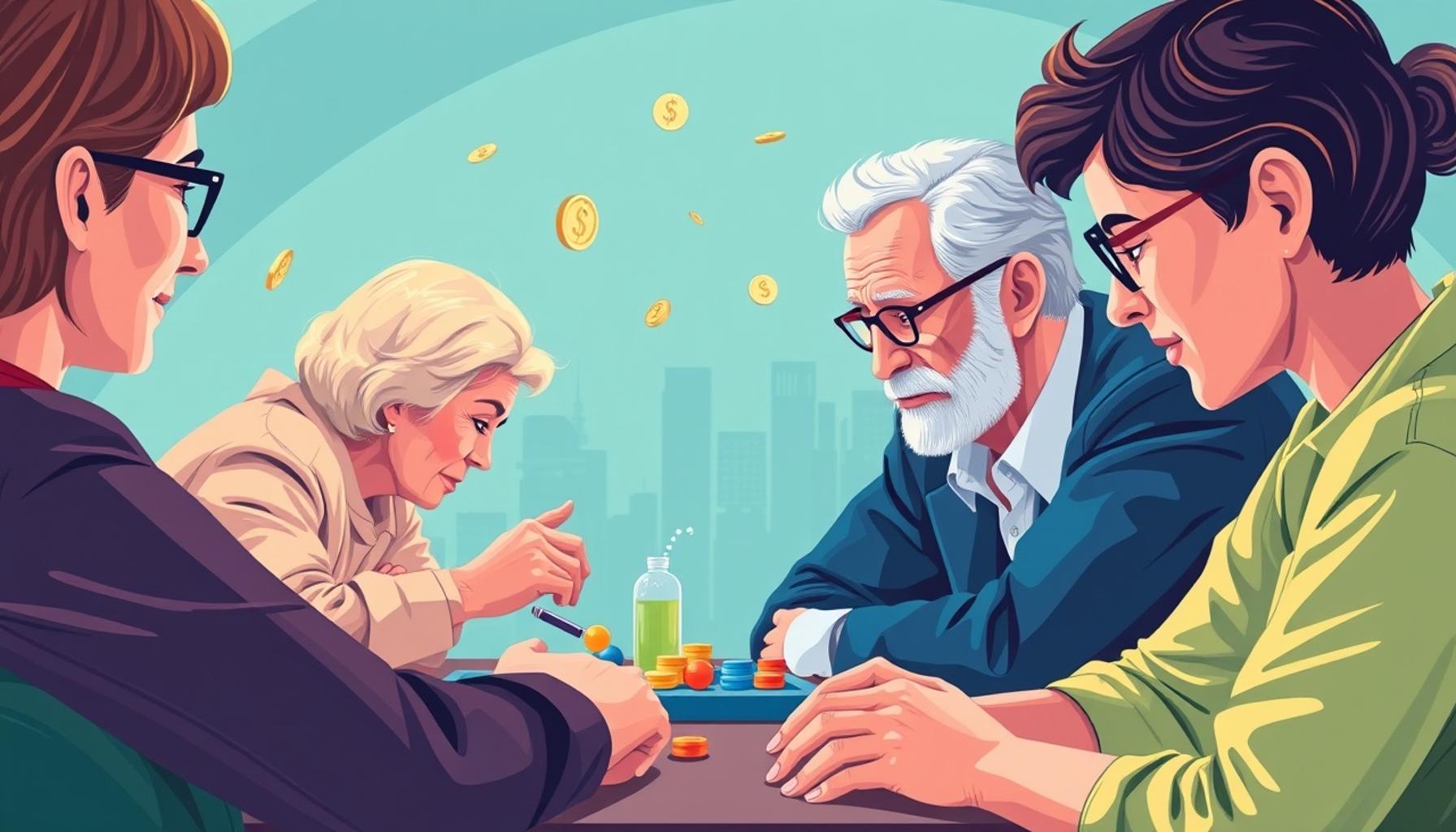
Communities across the United States have also begun to recognize the power of gathering through mind games. Events such as community bingo nights or trivia contests offer chances for individuals of all ages to interact in fun atmospheres. These initiatives not only serve as entertainment but are also designed to cultivate friendships and networks among attendees. By creating welcoming environments centered on play, organizers help bridge generational divides, wherein a child teaching an elder about strategy meets an older adult contributing historical knowledge, resulting in reciprocal respect that enriches all participants.
As we begin to appreciate the importance of mind games in promoting intergenerational relationships, it becomes evident that these simple activities wield profound implications for enriching our social lives. By playing and engaging with each other, we nurture an essential framework for connection that can withstand the test of time.
How Mind Games Can Promote Intergenerational Interactions
Mind games have an inherent ability to bridge gaps across different age groups, fostering social connections that are both enriching and beneficial. The engagement in strategic thinking, problem-solving, and creativity involved in various mind games can open up new avenues for dialogue and interaction among players of all generations. As individuals come together to explore these cognitive challenges, the shared experiences cultivate a sense of community.Understanding how mind games operate not only enhances cognitive function but also promotes empathy and connection. Elderly participants may share wisdom and life experiences, while younger players can bring fresh perspectives and innovative thinking to the table. This type of collaboration can lead to stronger social bonds, improved communication skills, and a greater appreciation for one another’s viewpoints.Moreover, many mind games have evolved through digital platforms, making them more accessible to diverse age groups. Online puzzle competitions or app-based social games allow families to connect regardless of geographical barriers. The camaraderie that arises from these shared gaming experiences can create lasting relationships that transcend age differences.As we dive deeper into the fascinating world of mind games, we uncover not just their cognitive benefits, but also their unique ability to unite people from vastly different backgrounds and life stages. As a reader, consider exploring the myriad ways these games can enrich your social life—both online and offline.
| Category 1 | Category 2 |
|---|---|
| Cognitive Development | Enhances problem-solving skills and critical thinking. |
| Social Engagement | Fosters interaction among different generations and strengthens community ties. |
As mind games continue to grow in popularity, their potential to strengthen social connections among various age groups becomes increasingly significant, inviting all to join in the fun and learning.
DISCOVER MORE: Click here to learn about how memory card games enhance cognitive skills
Building Lasting Relationships Through Strategic Play
Expanding beyond the typical social benefits, mind games can also play a pivotal role in developing lasting relationships that bridge generational gaps. Games require a level of strategic thinking and foresight that not only challenges players but also encourages them to collaborate and build rapport. This interplay fosters a unique environment where younger and older players can align their strategies, share insights, and develop mutual respect for one another’s skill sets.
Consider the example of chess, a game rich in strategy and history. While contemporarily viewed as a sophisticated pastime, conversations about chess can evoke stories from older players about famous matches they have witnessed or played in their youth, while providing younger players with the opportunity to demonstrate modern strategies they’ve encountered online. This cross-generational engagement promotes a shared enthusiasm for a game that can take on different meanings as players age, allowing them to connect over a timeless passion.
Tapping Into Cognitive Development and Lifelong Learning
Participating in mind games can also significantly boost cognitive development across age groups. The mental challenges posed by puzzles, card games, or even brain-teasers stimulate cognitive functions while providing enjoyment. Studies have shown that games like Sudoku or crossword puzzles can enhance problem-solving skills, particularly in older adults, thereby contributing to their emotional well-being and cognitive health.
By engaging multiple age groups in mind games, families can establish a culture of lifelong learning. Online platforms like Kahoot! facilitate fun and interactive trivia competitions that can bring together families and friends from multiple backgrounds. These contests can keep minds sharp while encouraging participants to share knowledge garnered from various life experiences, facilitating a two-way street of teaching and learning.
- Understanding Generational Differences: Through the lens of gameplay, participants can engage in discussions that reveal differing perspectives and experiences, thereby fostering greater tolerance and understanding. A younger person might teach an older player how to navigate a modern video game, while the elder might share insights about strategic plays in a classic board game.
- Reducing Social Isolation: Mind games emerge as a fundamental tool in combating loneliness, especially for seniors. For instance, organized game nights at community centers have proven to reduce feelings of isolation among older adults by providing intentional social opportunities to interact with diverse age groups.
- Creating Family Traditions: Playing games together can evolve into cherished family traditions, where regular gatherings over board games become a ritual that strengthens familial bonds. Whether it’s a weekly poker night or Sunday afternoons spent playing Uno, these practices weave generations together through shared experiences, humor, and storytelling.
Furthermore, the growing popularity of online gaming communities and platforms introduces a whole new facet to intergenerational connections. Grandparents who once hesitated to explore technology can now bond with their tech-savvy grandchildren over collaborative games like Minecraft, where teamwork and creativity are essential. This blend of aging wisdom and youthful ingenuity results in a unique synergy, fostering relationships based not only on gameplay but also on adaptability and respect for technological advances.
As we delve deeper into the role of mind games in social connectivity, it becomes clear that these activities can shape not just individual experiences but collective family stories, reinforcing bonds that span a lifetime.
DIVE DEEPER: Click here to uncover more insights
Conclusion: Bridging Generations through Mind Games
In an increasingly fragmented world, mind games serve as a powerful bridge across generations, fostering social connections among diverse age groups. By engaging in activities that require strategic thinking, problem-solving, and creative collaboration, players of all ages can cultivate mutual respect and understanding. The diversity of games—from traditional board games like chess to modern online platforms—provides unique opportunities for shared experiences that reveal the richness of varied perspectives.
Moreover, these engaging activities play a critical role in cognitive development and emotional well-being. As research highlights the benefits of mind games for enhancing mental acuity and emotional health, they emerge as essential tools to combat social isolation, particularly among seniors, while simultaneously nurturing a culture of lifelong learning for all participants. By establishing consistent gaming traditions within families, individuals create cherished memories that bind generations together, reinforcing familial ties and shared narratives.
As we embrace the digital age, the rise of online gaming communities offers new avenues for connecting with loved ones, transcending physical barriers and encouraging family members to collaborate across technological divides. In essence, mind games not only entertain but also enrich lives, reminding us that the joy of strategic play can transcend age, creating a tapestry of relationships that will last a lifetime. The next time you shuffle a deck of cards or gather around a chessboard, consider the profound potential of these moments to foster connections that bridge the gap between generations.