The Influence of Art on Mental Health: How Artistic Expression Can Help in Therapy
The Therapeutic Benefits of Artistic Expression
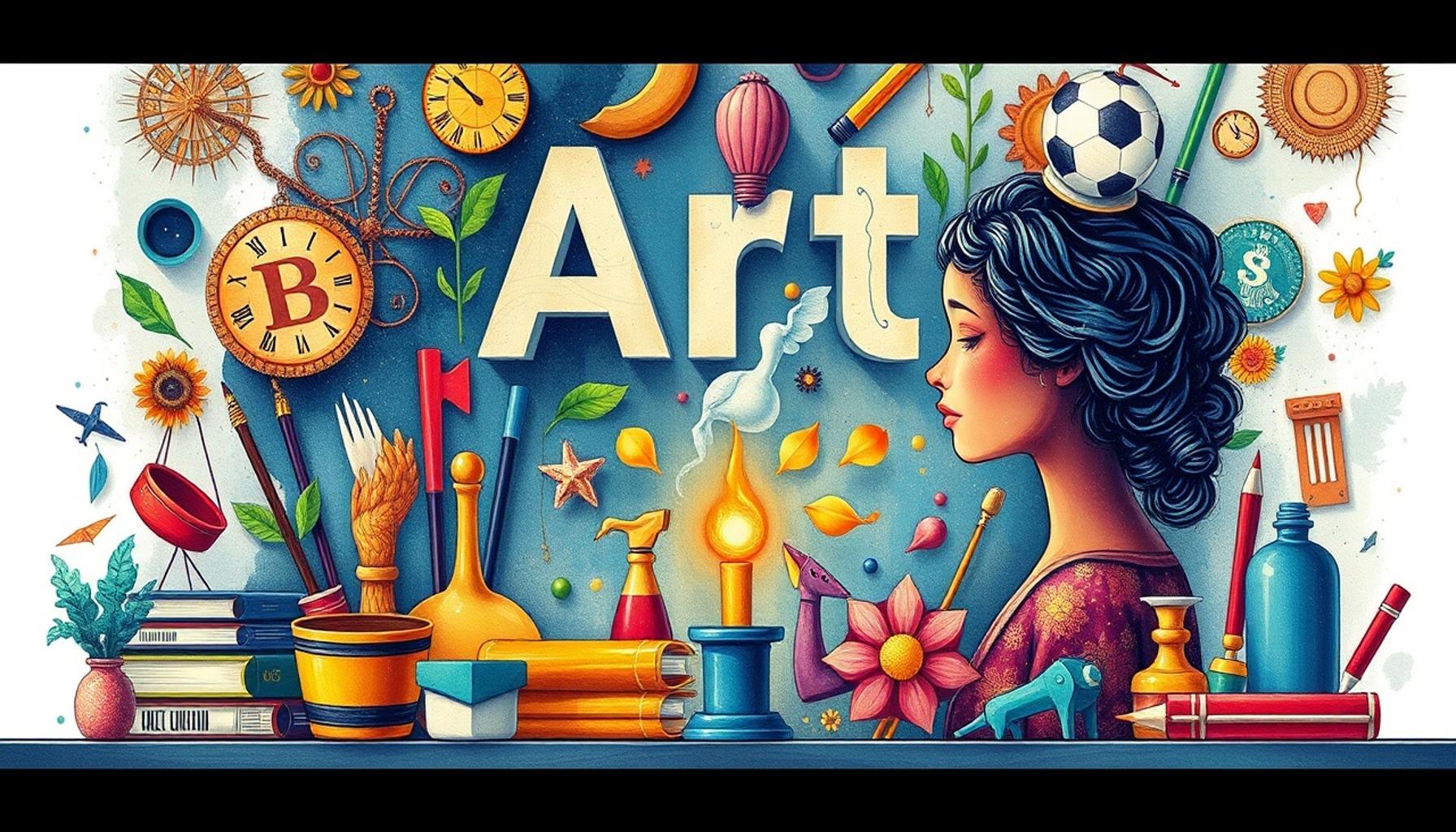
Throughout history, art has served as a powerful medium for human expression. From ancient cave paintings to modern digital art, the human impulse to create has been universal. Today, its profound relationship with mental health is gaining growing recognition, as numerous mental health professionals integrate artistic practices into treatment. The therapeutic benefits of such approaches are vast and multifaceted.
Artistic expression has the capacity to:
- Facilitate emotional release
- Enhance self-awareness
- Promote coping skills
- Encourage communication
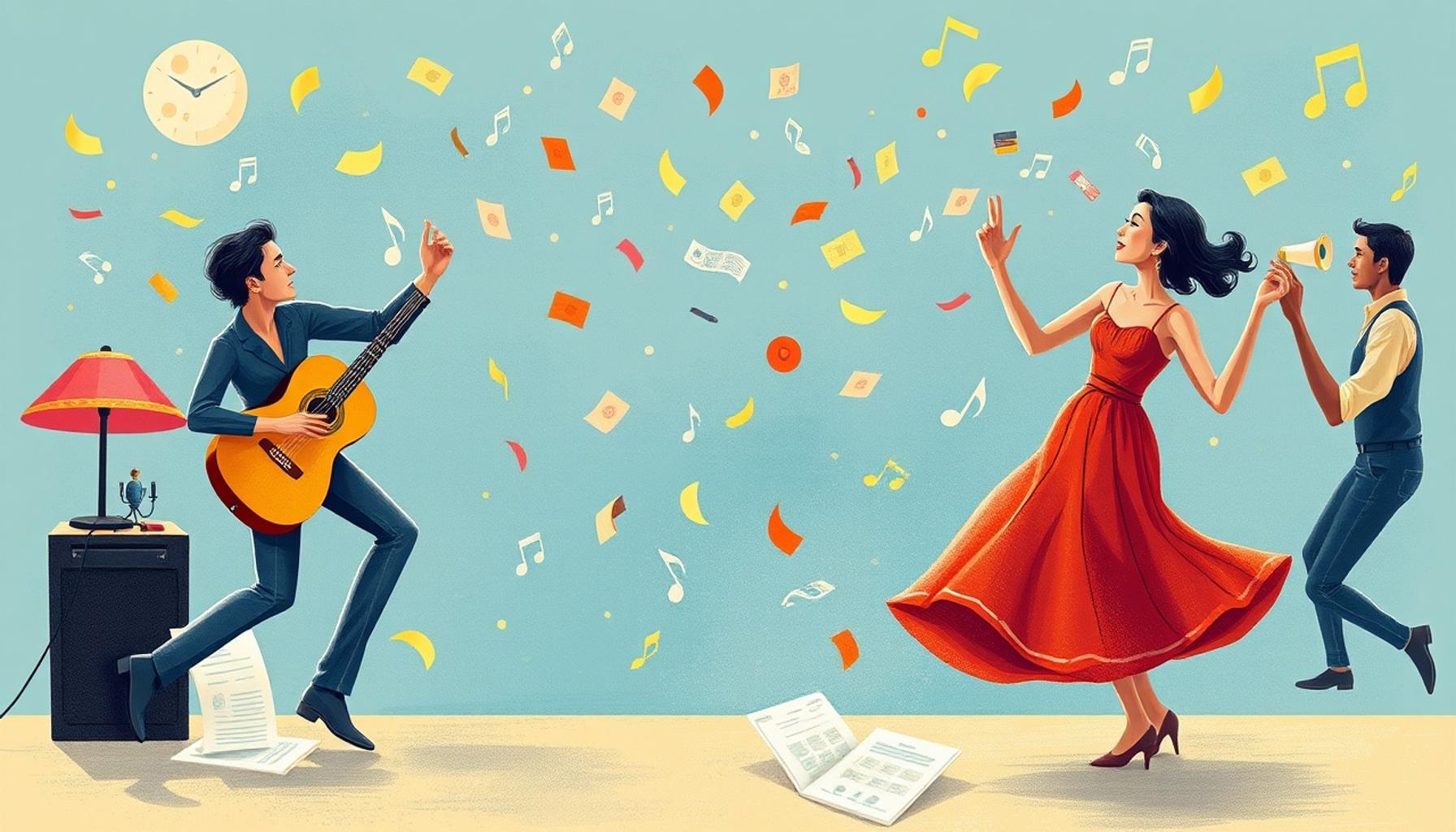
Engaging in various art forms—such as painting, music, or dance—has shown to significantly bolster mental well-being. For example, studies conducted by institutions like the American Art Therapy Association have demonstrated that art therapy can effectively reduce symptoms of anxiety and depression. This is often achieved through creative exercises that allow participants to express feelings they may find difficult to articulate verbally.
Creative outlets provide a unique mode for individuals to explore and articulate their inner experiences. For instance, a person grappling with grief might create a painting that manifests their pain and longing, facilitating a deeper understanding of their emotions. This can open avenues for discussion and reflection, making it an engaging practice for both therapists and clients. In a structured therapeutic setting, art acts as a bridge to deeper psychological exploration, where words may fail.
As the stigma surrounding mental health decreases, the integration of art into therapeutic settings offers promising possibilities. Initiatives like community art workshops or individual counseling sessions are becoming increasingly common, enabling individuals from various backgrounds to discover the transformative potential of artistic expression. For example, community projects in urban areas often promote healing through collective art-making, allowing participants to bond over shared experiences and create something meaningful together.
Furthermore, exploring the intersection of art and mental health can lead to innovative treatment approaches. Understanding the psychological influences of creative expression encourages further investigation into how creativity can foster healing, resilience, and personal growth. As this field continues to evolve, the ongoing collaboration between artists and mental health professionals will likely yield exciting developments in therapy techniques and practices.
The therapeutic power of art not only encourages individual healing but also promotes community understanding and support. As more research emerges, it shines a light on the vital role that creative expression plays in enhancing mental health and psychological resilience among diverse populations across the United States.
DIVE DEEPER: Click here to uncover the emotional power of poetry
Unlocking Emotions Through Creative Outlets
One of the most compelling aspects of artistic expression as a therapeutic tool is its ability to unlock emotions that individuals may struggle to communicate through words. When engaging in creative activities, clients can confront feelings of sadness, anger, and joy in a non-threatening environment. This can be particularly beneficial for those who have experienced trauma or are dealing with persistent anxiety and depression. Instead of relying solely on traditional dialogue-driven therapy, creative outlets like painting, sculpture, and music provide an alternative pathway to navigate the complex landscape of human emotions.
Research indicates that actively creating art stimulates different areas of the brain associated with emotion regulation and cognitive processing. According to a study published in the journal Art Therapy, participants who engaged in art-making activities reported a significant decrease in anxiety and stress levels. This phenomenon can be attributed to the diversion of focus from negative emotions to a constructive and engaging creative process. Consequently, this opens doors to emotional expression in ways that traditional verbal communication may not.
- Visual Arts: Painting and drawing allow for extensive interpretation, giving individuals an opportunity to express thoughts and feelings that are otherwise difficult to articulate. The act of brush to canvas can be meditative, enabling deeper introspection.
- Music Therapy: Engaging with music, whether through playing an instrument or listening, can evoke memories and emotions while simultaneously acting as a cathartic release. Music has long been recognized for its healing properties, providing solace and connection.
- Dance and Movement: Utilizing movements to express emotions not only promotes physical health but also allows individuals to connect body and mind, fostering a sense of empowerment and liberation from psychological constraints.
Moreover, incorporating art into therapy does not require any prior artistic experience. Individuals can explore their creativity regardless of skill level, which diminishes the pressure often associated with other therapeutic approaches. The sessions can be tailored to fit each person’s unique emotional landscape. For instance, someone grappling with feelings of isolation may find solace in group art projects, while others may prefer the solitude of individual expression through drawing or journaling. Both methods encourage self-discovery, helping individuals to shape and understand their narrative.
Art’s influence extends beyond individual therapy. Community-centric art initiatives foster broader emotional connection and understanding among participants. Programs such as art therapy workshops in local communities aim to bridge gaps between individuals facing similar challenges. These initiatives serve not only as a platform for artistic expression but also as a constructive space for social support, where people can share their stories and empower each other.
As we delve deeper into the healing powers of art, it becomes increasingly evident that it serves as both a personal journey and a communal experience, essential for promoting mental health and resilience across various demographics. The vibrancy of artistic expression offers a promising avenue for therapeutic practices, enhancing the effectiveness of treatment plans and enriching lives.
| Category | Key Features |
|---|---|
| Creative Expression | Facilitates the open expression of emotions, aiding self-discovery. |
| Stress Relief | Engaging in art can lower stress levels and promote relaxation. |
| Cognitive Benefits | Enhances problem-solving skills and boosts creativity. |
| Community and Connection | Art initiatives foster social connections, reducing feelings of isolation. |
Art therapy has emerged as a profound tool for enhancing mental health through various forms of artistic expression. Engaging in creative activities like painting, music, or dance not only provides a medium for emotional release but also encourages personal reflection and insight. This process helps in understanding and processing complex emotions, leading to valuable self-discovery.Furthermore, studies highlight that art can be a significant stress-reliever. By focusing on the creative process, individuals often experience a reduction in anxiety and tension, allowing them to unwind and attain a state of mindfulness. This cathartic aspect of art therapy serves as a vital component for many seeking to improve their emotional well-being.Moreover, artistic endeavors contribute to enhanced cognitive functioning. Individuals engaged in creative pursuits often demonstrate greater problem-solving abilities and an improvement in creativity, which are essential not only for personal development but also in navigating everyday challenges. Overall, the role of art in mental health therapy extends into community building, fostering connections among individuals who share similar experiences and reducing the sense of isolation that often accompanies mental health struggles.
DISCOVER MORE: Click here to dive into the world of baking
Artistic Expression as a Coping Mechanism
Artistic expression serves not only as a form of emotional release but also as a vital coping mechanism that can lead to improved mental health outcomes. Engaging in creative activities can provide individuals with a tangible method to manage stress and anxiety, offering a sense of control in an often chaotic world. Dr. Cathy Malchiodi, a prominent figure in the field of expressive arts therapy, highlights that by embedding creativity into daily routines, individuals can establish healthy coping strategies that foster resilience.
One specific form of coping through art is the practice of art journaling. In this approach, individuals combine writing with visual art to explore their thoughts and feelings. Drawing, doodling, or painting alongside reflective writing not only encourages self-reflection but also enhances memory and cognitive engagement. A study published in the American Journal of Public Health showed that individuals who regularly practiced art journaling reported lower levels of anxiety and depression. This evidence further affirms the belief that art can be a powerful balm for the soul.
Building Self-Esteem and Identity
Another significant advantage of artistic expression lies in its ability to enhance self-esteem and personal identity. For many, engaging in creative activities allows them to explore their sense of self and embrace their individuality. This is particularly essential for adolescents and young adults, who are often navigating complex issues of identity and belonging. Programs like Creative Forces, which focuses on military veterans and their families, demonstrate how artistic expression can empower those experiencing feelings of inadequacy or trauma. Workshops that promote creativity help participants reclaim their narratives, fostering a sense of accomplishment and belonging.
The impact of art on self-esteem is also evidenced through community art exhibits, where local artists showcase their work. Whether it’s through photography, painting, or mixed media, these exhibitions not only validate the artists’ experiences but also encourage social engagement. Interaction within community spaces can bolster feelings of connection and acceptance, critical components for mental well-being.
Expanding Accessibility to Mental Health Support
Furthermore, integrating artistic expression into mental health care addresses barriers of access that many individuals face. Traditional therapy can sometimes seem intimidating or inaccessible; however, art programs have emerged within various frameworks, including schools, community centers, and hospitals. As a result, organizations like the National Endowment for the Arts advocate for the inclusion of art in public health initiatives, recognizing its ability to reach a broader audience. By creating welcoming environments filled with creativity, they entice individuals who may be hesitant to seek more conventional mental health services.
The potential for art as a therapeutic tool is reinforced by its adaptability. Customized art programs can cater to specific populations, including those suffering from PTSD, addiction, or chronic illnesses. Tailoring art therapy to meet unique needs not only enriches the therapeutic experience but also encourages hopeful exploration of recovery paths. This adaptability underscores the notion that art is not merely a luxury but a necessity for well-rounded mental health care.
With a wealth of evidence supporting the influence of artistic expression on mental health, it becomes apparent that fostering creativity is fundamental to holistic healing. By nurturing the creative spirit, we can unlock new avenues for understanding and resilience, paving the way for innovative therapeutic practices that benefit individuals and communities alike.
DISCOVER MORE: Click here to dive deeper
Conclusion
In conclusion, the profound influence of art on mental health cannot be overstated. As we explore the myriad ways in which artistic expression serves as a therapeutic tool, it becomes increasingly clear that creativity fosters healing, resilience, and self-discovery. From coping mechanisms like art journaling that allow for emotional exploration to community art initiatives that promote social connection, the benefits of engaging with art extend to individuals across diverse backgrounds and experiences.
Moreover, as highlighted by programs such as Creative Forces and various community centers, the accessibility of art in mental health support is crucial. By breaking down the barriers that often hinder individuals from seeking help, art initiatives create welcoming spaces where healing can flourish. This adaptability underscores the notion that artistic expression is not merely a supplement to traditional therapy; it is an essential element of comprehensive mental health care.
As we consider the future of mental health initiatives, it is vital to advocate for the integration of creative practices into therapeutic settings. Not only does this enrich the recovery experience, but it also affirms the belief that art can empower individuals to reclaim their narratives, find meaning, and build connections with others. Ultimately, fostering creativity is a step toward nurturing a healthier society, one that recognizes the invaluable role of artistic expression in promoting well-being and mental health.