The Intersection of Music and Painting: How Different Art Forms Can Inspire Creativity
The Intersection of Music and Painting
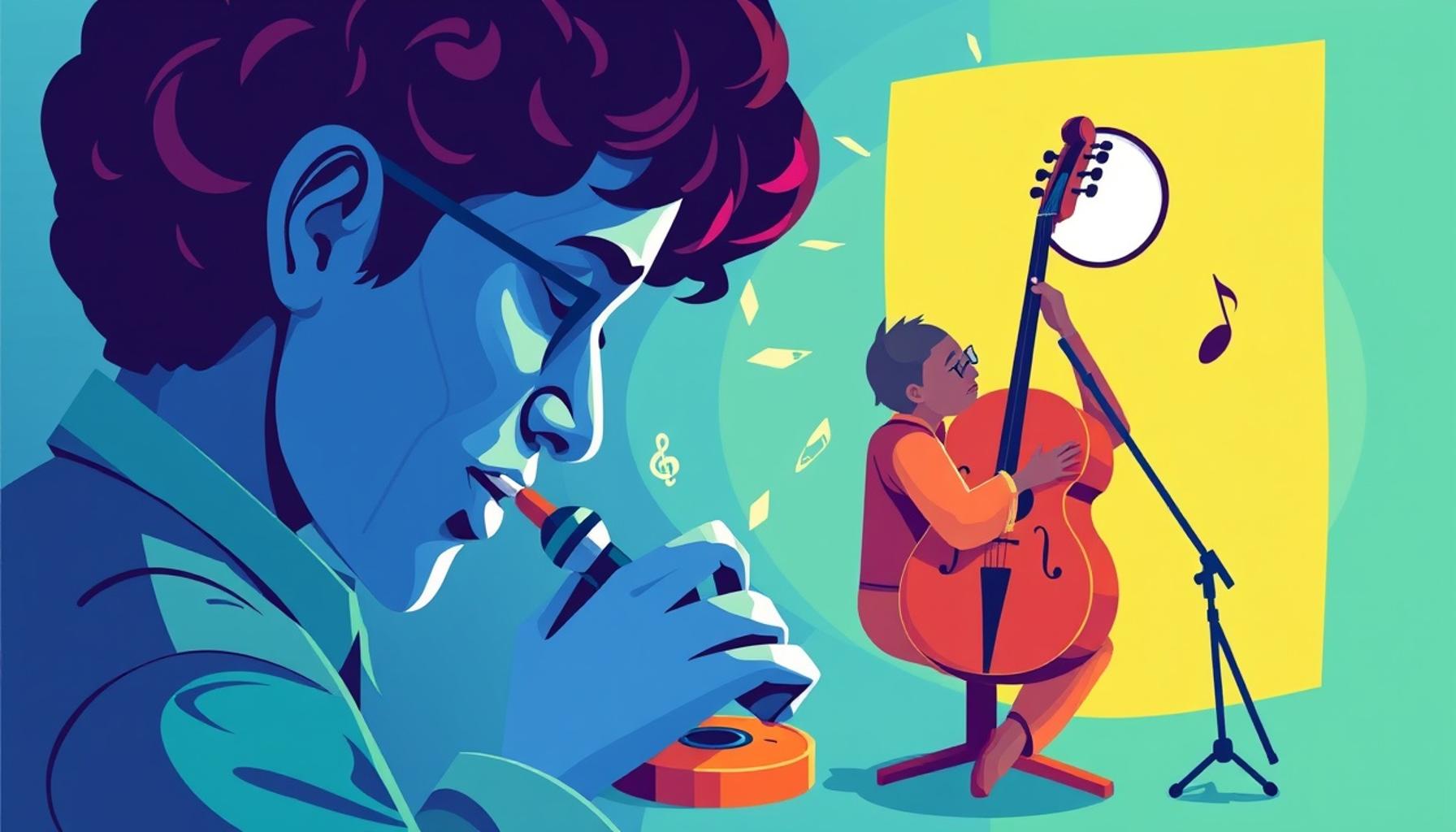
Art is an interconnected web of creativity that transcends individual forms. When music and painting collide, they create a fusion that can ignite inspiration in unexpected ways. Discover how these two vibrant art forms together can foster a rich environment for creativity.
- Emotional Expression: Both music and painting convey complex emotions, allowing artists to express feelings that resonate universally. Music has the unique ability to evoke emotions through melody, rhythm, and lyrics, while painting uses colors, brush strokes, and textures to communicate feelings that might be hard to verbalize. For instance, a piece with dark colors and chaotic brushwork might evoke a sense of turmoil akin to a somber song, creating a profound emotional connection between the two forms.
- Sensory Experiences: The interplay of sound and color can enhance sensory experiences, stimulating the mind and sparking innovation. Imagine attending an art exhibit where ambient music is played, each note coinciding with the visual transitions in the artwork. Such environments can elevate one’s perception and lead to a deeper appreciation of both mediums, encouraging audiences to engage their senses fully and creatively.
- Cultural Influences: Artists from various backgrounds have employed both art forms, reflecting societal influences that can inspire new perspectives in creativity. Throughout history, movements such as Impressionism combined visual art with music to evoke feelings of place and moment. In modern settings, genre-blending musicians often borrow inspiration from visual art, creating immersive experiences that challenge traditional boundaries.
For example, consider the works of artists like Vassily Kandinsky, who believed that music could enhance the color and composition of his paintings. Kandinsky famously sought to translate the emotional impact of music into visual art, creating pieces that are often described as synesthetic. Similarly, musicians such as Claude Debussy were inspired by visual art, integrating vivid imagery into their compositions. Debussy’s “Nocturnes,” for example, mirrors the essence of Impressionist painting by capturing ephemeral moments through sound, drawing listeners into a world as expressive as that of a painting.
The profound ways these artists have influenced each other’s work merit exploration. Contemporary artists often draw upon musical elements in their artwork, with installations featuring synchronized soundscapes or paintings that visually interpret music dynamics. Such collaborations not only spark discussions about the vitality of innovation in the arts but also demonstrate the ongoing dialogue between these two influential forms of expression.
As we delve deeper into the intersections of music and painting, we will uncover lessons that can inspire not only artists but anyone seeking a boost in creativity. The blend of these artistic realms offers invaluable insights into how to approach challenges with a fresh perspective. Explore the vibrant tapestry created when music and painting intertwine, and consider how these art forms can ignite new ideas and inspire creativity in daily life. Join us as we explore how these artistic realms intertwine to form a tapestry of inspiration.
DISCOVER MORE: Click here to learn about the digital music revolution
Emotional Resonance and Artistic Interpretation
The emotional synergy between music and painting creates a unique interplay that can inspire artists across disciplines. This connection finds its strength in the ability of both mediums to evoke raw emotions, allowing individuals to convey experiences that words often fail to encapsulate. The visceral sensations elicited from a poignant melody or a striking visual can serve as gateways to deeper self-expression.
Musicians have long turned to visual art for inspiration, finding that the colors and forms in paintings can translate into melodies and harmonies. For instance, painter Pablo Picasso infused his work with emotional depth, mirroring the haunting melodies of his contemporary musician Eric Satie. Both artists explored the theme of melancholy, creating a dialogue that resonates with audiences on multiple levels. This principle not only enhances their works but also speaks to the broader concept of artistic cross-pollination, leading to innovative approaches and fresh narratives.
Some Key Elements that Illustrate the Intersection
- Color as Emotion: Colors in paintings often evoke feelings similar to those stirred by music. For instance, a vibrant red can signal passion or anger, akin to a fast-paced, exhilarating song. Conversely, soft blues and greens may frame a tranquil piece of music, both mediums allowing for nuanced emotional interpretation.
- Rhythm in Brushstrokes: Just as rhythm drives a song, the tempo of brushwork in painting can shape the overall emotional landscape of the artwork. A rapid succession of strokes may communicate excitement and energy, while languid strokes imply a more reflective, contemplative ambiance.
- Imagery and Themes: The themes explored within one medium can directly influence the other. Musicians often draw from the visual narratives seen in paintings, infusing their lyrics and compositions with imagery that sparks the imagination while painters can conceptualize themes based on musical compositions.
Moreover, the practice of listening to music while creating artwork can be an incredibly stimulating exercise. Many contemporary artists utilize this fusion actively as a source for their creativity; prime examples include the works of musician Joni Mitchell, whose lyrics reflect a deep understanding of color and visual storytelling. Her paintings often resonate with the emotional landscapes she explores in her songs, showcasing how the two art forms are inextricably linked.
This fascinating interplay stimulates not just the artists creating the work, but also the audiences experiencing it. Whether enjoying a gallery exhibit accompanied by a live band or listening to an album designed to accompany an art installation, the partnership between music and painting invites an exploration of emotions and ideas that is rich and layered. As we journey further into the intersection of music and painting, we uncover how this relationship can serve as a catalyst for creativity, inspiring individuals from all backgrounds to embrace their artistic potential.
The Intersection of Music and Painting: How Different Art Forms Can Inspire Creativity
When exploring the relationship between music and painting, one cannot overlook the profound influence that these two art forms have on each other. Both mediums share a common goal: to evoke emotions and provoke thought. Musicians often draw inspiration from the visual arts, while painters can find motivation in the rhythms and melodies of music. This symbiotic relationship can lead to exciting new interpretations and innovations.Consider the work of renowned artists such as Wassily Kandinsky, who famously believed that colors and sounds are intrinsically linked. His abstract paintings resonate with the idea that a visual experience can parallel the aural one. Similarly, music can inspire brushstrokes and color choices in painting, leading to compositions that reflect the energy and emotional depths of sound. Furthermore, music plays a pivotal role in the creative process for many visual artists. Listening to specific genres—be it classical, jazz, or contemporary—can enhance concentration and ignite creativity, enabling artists to dive deeper into their work. For instance, a painter might choose to listen to ambient music to create a calm environment, allowing fluid, abstract designs to emerge spontaneously. As you explore the intersection of these two creative domains, consider how the synergy between music and painting can fuel your own artistry. The exploration of diverse artistic expressions not only enriches one’s aesthetic sensibilities but also fosters a deeper understanding of how creativity flourishes when boundaries between different art forms blur.
| Category | Description |
|---|---|
| Emotional Expression | Both music and painting express complex human emotions. |
| Cultural Influence | Different cultures blend music and art, enhancing creativity. |
| Collaboration | Artists often collaborate, sparking new ideas and perspectives. |
In conclusion, the merging of music and painting opens a world where creativity knows no limits. As artists continue to engage with both forms, they transcend traditional boundaries, inspiring a unique dialogue that encourages innovation and personal expression. Whether you are a musician, a painter, or both, this intersection can illuminate your creative journey.
DISCOVER MORE: Click here to uncover the therapeutic benefits of crafting
Collaborative Endeavors and Inspiration
The collaboration between musicians and painters often leads to groundbreaking works that redefine the boundaries of artistic expression. This dynamic collaboration can take many forms, ranging from multidisciplinary art installations to live performances where each medium complements the other, creating a harmonious blend of sound and vision. Projects like the renowned “The Symphony of Color”, which brings together celebrated musicians and visual artists, highlight the profound impact that this collaborative spirit can have on creative motivation and output.
One example of such collaboration is David Bowie and his artistic partnership with painter Gerald Laing. Their work intertwined, resulting in a cross-pollination between Bowie’s innovative rock sound and Laing’s avant-garde visuals. This synergy propelled Bowie to explore various themes through visual art that echoed his musical endeavors, enriching both genres and providing a blueprint for future artists to follow suit.
The Role of Technology in Art Integration
In recent years, technology has played a pivotal role in merging music and painting, enabling artists to create immersive experiences. Interactive installations, where audiences can listen to music while engaging with visual art in real-time, challenge traditional perceptions of both forms. Augmented reality (AR) and virtual reality (VR) technologies allow viewers to step into a digital art space where visual artwork pulsates and shifts in response to the beats of a soundtrack, forging an innovative connection that elevates the emotional experience. Artists like Marina Abramović have explored these intersections, creating performances that rely heavily on music to set the mood and enhance the visual components of their displays.
Cultural and Historical Influences
Cultural contributions have also shaped the intersection of music and painting throughout history. Movements such as Impressionism were deeply influenced by the musical trends of the time. Artists like Claude Monet created pieces that evoke a sense of rhythm and harmony akin to musical compositions, often inspired by the works of composers such as Claude Debussy. The interplay between these forms fosters an artistic dialogue that enriches both music and painting, demonstrating their inherent interconnectedness.
Furthermore, many artistic movements have celebrated this intersection by directly referencing the emotional weight of sound. The Color Field movement, for example, sought to evoke powerful internal visions through large swatches of color in paintings, paralleling the emotional arcs found in symphonic compositions. By studying these movements, artists can gain insights into how one form may interpret and inform another, lending depth and meaning to their creative journeys.
- Soundscapes in Visual Art: The use of recorded or live music as part of art installations helps create an immersive atmosphere that communicates narratives and themes deeply embedded in both art forms.
- Art as Album Covers: The art of designing album covers has evolved into a genre in itself, with visual artists like Andy Warhol elevating this form by producing iconic covers that resonate with the music they represent.
- Artistic Soundtracks: Many contemporary artists have begun including soundtracks in their exhibitions, where visitors can experience a curated musical journey that complements the visual experience, enhancing emotional connection.
As we further explore this fascinating relationship between music and painting, we uncover the transformative power of collaboration and how it can inspire creativity across various disciplines. By intertwining these two expressive forms, artists continue to evolve, pushing inventive boundaries, and offering new insights that captivate and engage their audiences.
DISCOVER MORE: Click here to enhance your sewing skills
Conclusion: Bridging the Gap Between Sound and Vision
In summary, the intersection of music and painting serves as a vibrant testament to the limitless potential of artistic collaboration. By merging these two forms, artists not only challenge conventional boundaries but also cultivate an environment ripe for creativity and innovation. The synergies created through partnerships—whether in historical movements, contemporary installations, or cross-disciplinary projects—underscore the importance of dialogue between different artistic mediums.
As we have explored, initiatives like multidisciplinary performances and interactive art installations exemplify how technology enhances this relationship, offering audiences immersive experiences that profoundly amplify the emotional connections we hold with both music and painting. Moreover, the rich tapestry of cultural history, from the days of Impressionism to modern conceptual explorations, illustrates how one form can inform and elevate the other, opening new avenues for interpretation and expression.
Importantly, the recognition of the transformative power at this intersection urges both established and emerging artists to delve deeper into their creative processes—encouraging them to see not merely the shapes and colors on a canvas or the notes that fill a space but rather the profound storytelling potential that each form embodies. As we continue to witness the evolving landscapes of the art world, it remains clear that the relationship between music and painting will persist as a source of inspiration and a springboard for uncharted creative ventures.