Exploring the Interaction between Music and Movement: Dance as a Form of Artistic Expression
The Art of Dance: A Universal Language
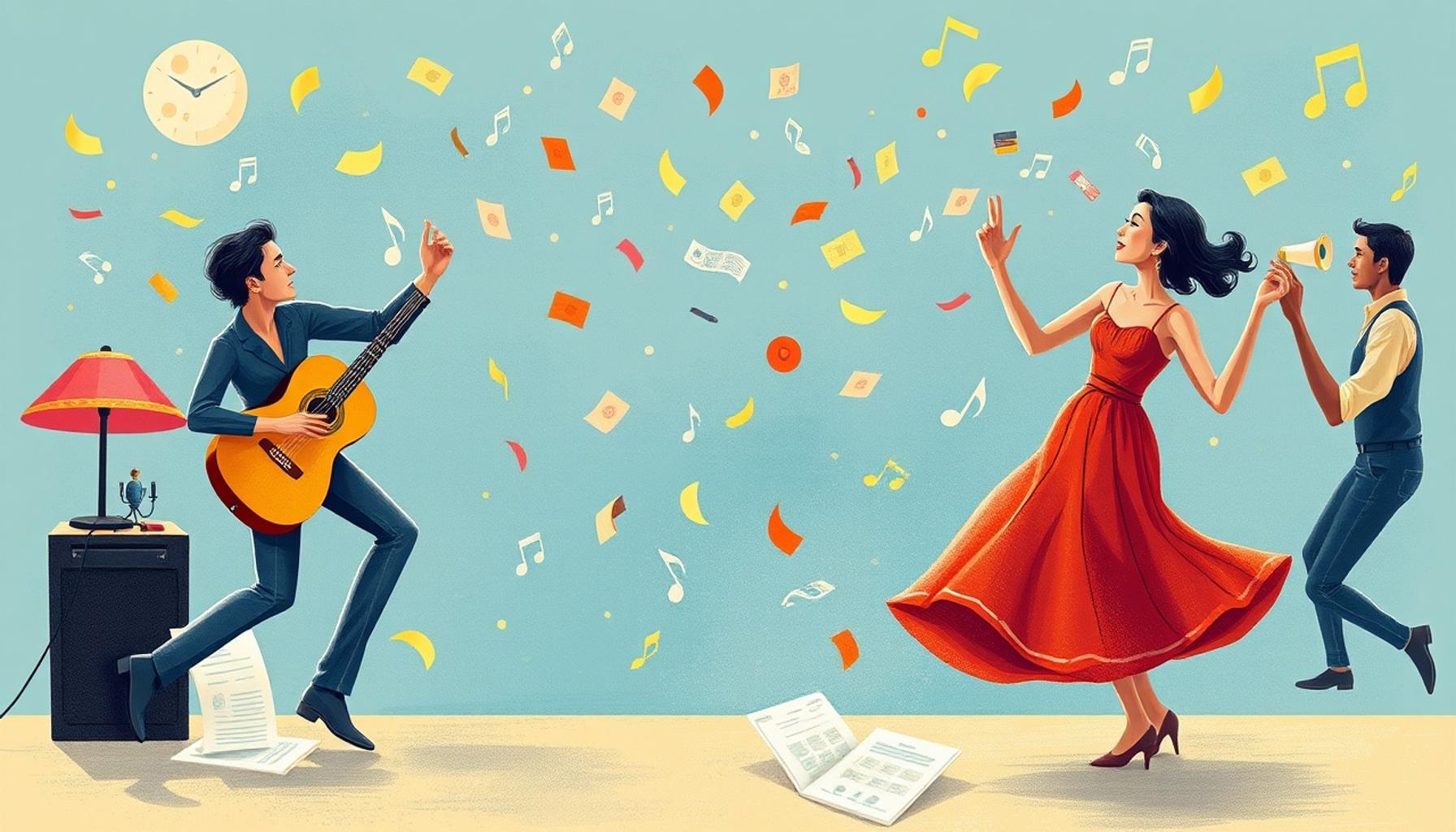
The intricate relationship between music and movement is a universal phenomenon. No matter where one is in the world, the beat of a drum or the melody of a song can evoke the desire to move, celebrate, and connect with others. Dance, in its many forms, serves as a bridge between these artistic realms, providing a powerful means of expression that resonates deeply with our emotions and cultural heritage.
One of the most compelling aspects of dance is its ability to facilitate emotional expression. Through movement, dancers can communicate feelings that often elude verbal articulation. Consider a poignant ballet performance that depicts the journey of love and loss, where every leap and twirl bears the weight of the dancer’s emotions. Similarly, the passionate and fiery movements of a tango can convey longing and desire in a way that words simply cannot encapsulate. Such expressions resonate at a fundamental level, reminding us of our shared human experiences.
Furthermore, many dance styles carry substantial cultural significance, rich with history and tradition. Take, for example, the African dance rituals performed at community celebrations, which often tell stories of ancestry and perseverance. Likewise, the traditional Indian dance form of Bharatanatyam is known for its intricate footwork and expressive gestures, illuminating tales from ancient folklore. These forms of dance not only entertain but also educate audiences about their cultural roots and communal values, helping to preserve their unique identities.
- Jazz: This energetic dance genre originated in the African American communities of the early 20th century, combining elements of African rhythms and European musical traditions. It serves as a testament to the resilience and creativity of its dancers, often showcasing improvisation that mirrors the spontaneity of life itself.
- Tap Dance: Characterized by its distinctive sound created by metal plates on the shoes, tap dance emerged in the United States as a fusion of Irish, African, and English dance styles. Notable figures like Bill Robinson and Savion Glover pushed the boundaries of this style, turning rhythm into a captivating dialogue between the body and the floor.
- Street Dance: Evolving from urban culture, street dance encompasses styles like breaking and locking. This genre reflects the social climate of its surroundings and often serves as a form of protest and rebellion against societal norms, allowing dancers to express their individuality and community pride.
The dynamic artistic scene in the United States illustrates how music influences movement and vice versa. Genres evolve in response to historical events, and dance reflects societal shifts—think of how the civil rights movement inspired dances like the Electric Slide, which brought people together in both joy and solidarity. Technology continues to play a pivotal role, too; platforms like TikTok have birthed new dance trends that spread like wildfire, influencing how we create and engage with dance.
By delving into the depths of dance, we can reveal how it acts as a cultural mirror, reflecting the myriad ways in which society, individual experience, and collective identities intersect. Join us on this rhythmic exploration, as we uncover the profound impact of dance and its indelible connection to our lived experiences, celebrating its power to unite us all.
DIVE DEEPER: Click here for tips on creating unforgettable characters
The Dynamic Interplay of Rhythm and Movement
To truly appreciate the essence of dance as a form of artistic expression, it is essential to delve into the profound connection between music and movement. At its core, dance is not merely an arrangement of physical expressions; it is an intricate dialogue between sound and body. The rhythm of a piece of music serves as a catalyst, compelling dancers to translate auditory stimuli into kinetic expression, creating a tapestry of motion that captivates spectators.
The rhythmical patterns recognized in music can evoke specific movements, making dancers hyper-aware of their bodies in relation to the sounds they hear. For instance, a slow, melancholic melody might inspire a dancer to perform with fluid, graceful movements, while an upbeat tempo may prompt quick, energetic steps. This interplay demonstrates how musical elements such as tempo, dynamics, and timbre significantly influence dance styles and movements. It is fascinating to consider how each genre of music calls for distinct styles of dance, from the quick footwork of hip-hop to the elegant pirouettes of ballet.
Moreover, the emotional resonance of music intensifies the dancer’s performance, allowing them to embody the spirit of the piece. For example, the raw energy of a hip-hop track can forge a connection to the urban roots of the dance, enabling performers to channel the social narratives inherent in their movements. Likewise, the solemnity of a slow waltz can invoke profound feelings of nostalgia, offering dancers a means to express complex sentiments through their bodies. This emotional synergy between music and dance broadens the horizon of how artistic expression is perceived and appreciated.
- Contemporary Dance: This genre integrates various dance styles and is often a reflection of modern societal issues, making it an incredibly versatile form of expression. The choreography frequently mirrors the complexities of human existence and social dynamics, creating a rich narrative that resonates powerfully with audiences.
- Ballet: Renowned for its technical precision and expressive capabilities, ballet has shaped much of Western dance history. The grace with which dancers perform reflects the music’s nuances, embodying the tension and release inherent in classical compositions.
- Latin Dance: Styles like salsa and cha-cha are heavily intertwined with the rhythms of their respective music, showcasing jubilant interactions that celebrate cultural heritage and community connection. The infectious energy often results in spontaneous joy and connection among dancers and audiences alike.
In the United States, the revolutionary influences of jazz, rock, and blues on dance culture epitomize how closely intertwined these elements are. The evolution of genres often aligns with social shifts; dances like the Charleston and the Twist became symbols of the cultural zeitgeist, reflecting the societal transformations of their time. Today, the digital age continues to foster new connections between music and dance. Popular platforms like YouTube and TikTok have generated a multitude of trends that rapidly influence how individuals experience and participate in dance, blurring the lines between traditional and contemporary forms.
As we embark on this exploration of the interaction between music and movement, it becomes evident that dance is not confined to the stage or the studio; it permeates the very fabric of our lives. Through further investigation, we can uncover the many layers of this dynamic art form, understanding its role as a powerful medium for cultural expression and personal storytelling.
| Advantages | Description |
|---|---|
| Enhanced Emotional Expression | Dance serves as a powerful medium for individuals to convey their emotions, making feelings tangible through movements influenced by music. |
| Cultural Connection | Dance is deeply interwoven with cultural heritage, fostering community bonds and showcasing diversity through rhythm and movement. |
| Physical Health Benefits | Engaging in dance promotes overall fitness, aiding in strength, flexibility, and cardiovascular health, while also enhancing coordination. |
| Creative Exploration | Dance encourages innovation, allowing artists to explore new interpretations of music through unique choreography and personal expression. |
The synergy between music and dance creates an experience that transcends mere performance, tapping into the emotional and physical aspects of being human. Through dynamic expressions of movement, dancers articulate feelings that might otherwise remain unspoken. The connection to culture is perhaps one of the most enriching aspects of dance—historically, different dance forms reflect the traditions and stories of communities, thus weaving a rich tapestry of heritage. Moreover, the tangible health benefits of dancing cannot be overstated. As you move to different beats, your body engages in a delightful interplay that fortifies fitness while providing joy and creativity. Every step represents an opportunity for self-discovery and expression, as dance not only allows an exploration of rhythm but also opens pathways to explore identity and connection with others. The possibilities are endless, illuminating dance as a profound form of artistic expression that resonates across various dimensions of life.
DISCOVER MORE: Click here to transform your dish presentation
The Cultural Dimensions of Dance and Music
As we deepen our exploration of dance as a form of artistic expression, it becomes increasingly obvious that cultural contexts play a crucial role in shaping the relationship between music and movement. Each culture carries its own unique narratives and traditions that inform its musical and dance practices, creating a rich tapestry of expression that transcends geographical boundaries.
Global dance forms like Afrobeat and traditional Irish dance illustrate how cultural heritage and history interweave through rhythmical movement and sound. The infectious energy of Afrobeat, which combines elements of jazz, funk, and traditional African music, evokes vigorous movements that reflect both celebration and social commentary. Dancers embody the spirit of their communities, channeling heritage into powerful expressions that resonate both emotionally and politically.
Ireland’s jig, a cornerstone of traditional Irish culture, showcases how music and dance can serve as narratives of identity and belonging. The intricate footwork, set to lively fiddle tunes, creates an exuberant atmosphere that often brings communities together, fostering a sense of unity and shared joy. Such examples highlight the ability of dance to be a unifying force, where the beats of music resonate with the heartbeat of cultural identity.
Dance as a Reflection of Societal Changes
Moreover, dance frequently serves as a mirror, reflecting societal changes and evolving cultural landscapes. As cultural attitudes shift, so too do the forms of dance that emerge in response. The counterculture movements of the 1960s and 1970s in America saw the rise of dance styles like disco and breakdancing, which encapsulated the exuberance of youth rebellion and the quest for freedom of expression. Disco’s pulsating beats and carefree movements stood in stark contrast to the rigidity of earlier dance forms, illustrating how music can act as a vehicle for social change.
Social media platforms play a pivotal role in today’s dance evolutions, promoting trends that often blend traditional styles with modern influences. Viral challenges on TikTok, for instance, are revolutionizing the way we perceive dance and music, encouraging a diverse audience to engage with various styles. This democratization of dance creates a unique space for individuals to contribute to and reshape popular culture. From viral dance routines to choreographed flash mobs, these interactions foster a communal experience that transcends age and background, emphasizing inclusivity in artistic expression.
The Healing Power of Dance and Music
Equally significant is the healing power of dance as intertwined with music. Therapeutic dance and movement programs increasingly emphasize the psychological benefits of engaging with music and physical movement. Dance therapy has been shown to enhance emotional well-being, offering participants a creative outlet to process trauma and express emotions that may otherwise be difficult to articulate. Studies have found that rhythm and movement can stimulate the release of endorphins, acting as a natural mood booster – creating a profound synergy between musical rhythms and bodily expression.
This intersection between music and movement is not merely a performative art; it’s a mechanism for personal healing and self-discovery. Many practitioners advocate for the incorporation of diverse dance forms in various settings, from schools to hospitals, illustrating the universal language that both music and dance provide.
The exploration of these cultural dimensions not only enriches our understanding of dance as an artistic expression but also challenges us to consider our own interactions with rhythm and motion. Dance is a living art form, ever-evolving, that invites individuals to participate deeply, often revealing the stories, feelings, and experiences that unite us all.
DISCOVER MORE: Click here to dive into the creative process
Conclusion: The Symbiotic Relationship of Music and Dance
In conclusion, the interaction between music and movement stands as a profound testament to the intricate tapestry of human expression. Through our exploration, we’ve witnessed how dance, transcending mere performance, functions as a vessel of cultural identity, historical narrative, and personal healing. It invites each individual to engage with their roots, channeling the energy of their heritage while simultaneously reflecting contemporary societal shifts.
As we consider the transformative power of dance, its ability to unite communities through shared rhythms is undeniable. Global styles, from the vibrant rhythms of Afrobeat to the spirited jigs of Ireland, exemplify how cultural diversity can intertwine with personal experiences, enriching our collective understanding of humanity. Moreover, in today’s digital age, platforms like TikTok not only democratize dance but also inspire a fusion of styles, allowing new generations to redefine artistic boundaries.
Equally crucial is the recognition of dance as a therapeutic outlet, offering emotional release and fostering psychological well-being. The synergy between music and movement illuminates our innate need for connection—both with ourselves and with others. As viewers and participants, we are encouraged not only to admire but to actively engage in this dynamic interplay, unveiling the stories embedded within each choreography.
Ultimately, as we continue to explore dance as a form of artistic expression, we are reminded that music and movement offer a universally understood language, inviting us all to share in the joy, resilience, and creativity that define the fabric of human life. In embracing the dialogue between these art forms, we allow ourselves to experience art not just as spectators, but as vibrant contributors to a shared cultural narrative.