Sustainable Cuisine: Creating Delicious Dishes with Local and Seasonal Ingredients
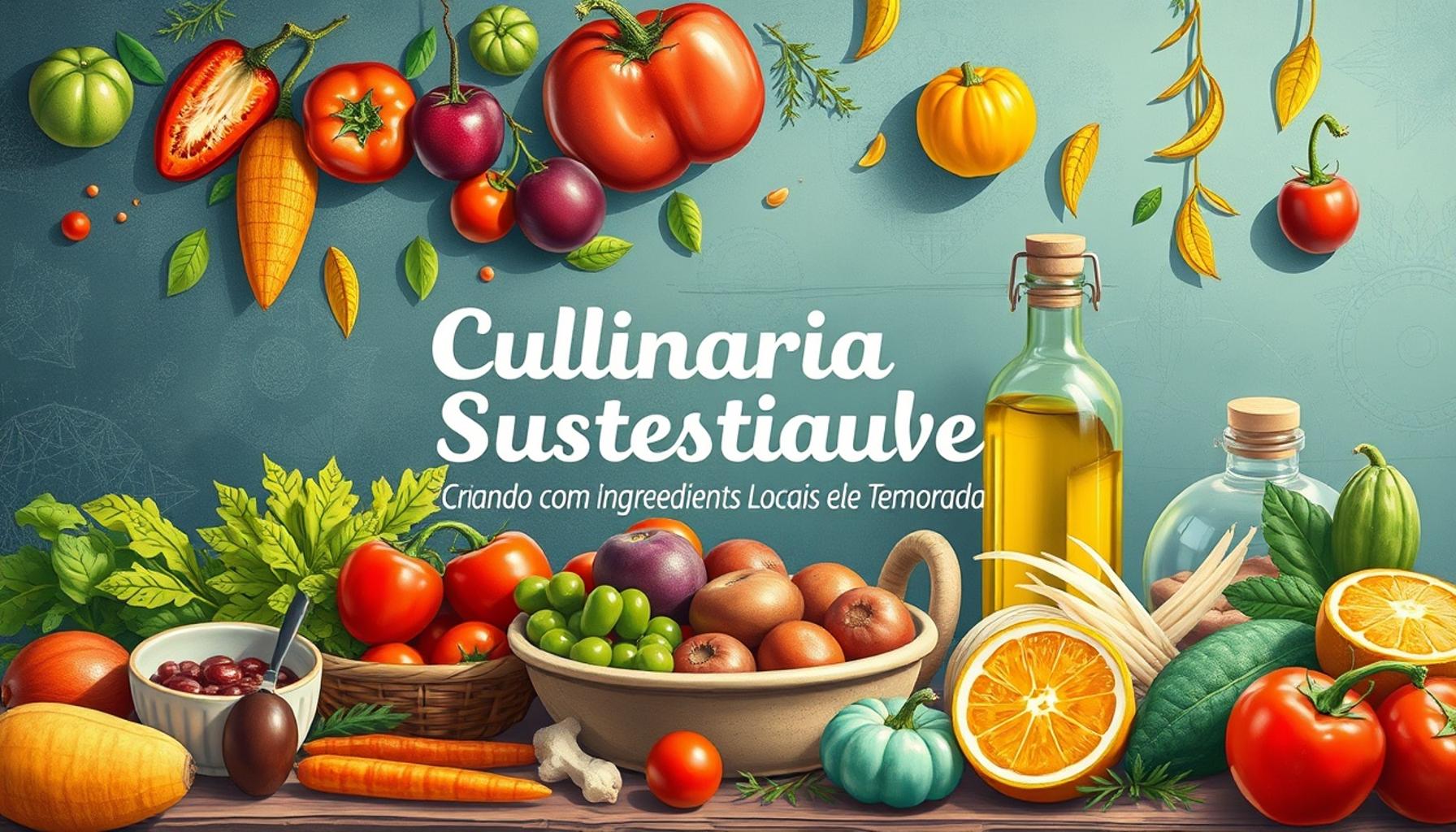
The Essence of Sustainable Cuisine
In the quest for a healthier planet, sustainable cuisine emerges as a delectable path forward. This culinary approach emphasizes using local and seasonal ingredients, allowing us to enjoy flavors that are both fresh and environmentally responsible. More than just a trend, sustainable cuisine represents a conscious commitment to making food choices that align with the principles of environmental stewardship, social equity, and economic viability.
Why choose sustainable cuisine? Consider the following benefits:
- Supports local farmers: Purchasing from nearby growers boosts the local economy. By doing so, consumers can directly contribute to their community’s sustainability and resilience while forging a connection with the land and its stewards.
- Reduces carbon footprint: Shorter transportation distances mean fewer emissions. For example, transporting food over long distances can significantly increase greenhouse gas emissions. Conversely, local ingredients, gathered from within a close radius, help mitigate these impacts.
- Enhances flavor: Seasonal produce offers peak taste and nutritional value. Eating cucumbers in the summer or apples in the fall, for instance, ensures the best flavor experiences, as these foods are harvested at their prime.
The exciting aspect of engaging with sustainable cuisine is the bounty it offers based on seasonality. From hearty winter root vegetables like sweet potatoes and carrots to vibrant summer fruits such as peaches and strawberries, the produce available changes throughout the year. This variety invites endless creativity in the kitchen. Picture crafting a warm, comforting stew using local squash or a refreshing salad bursting with fresh berries—dishes that not only celebrate the Earth’s bounty but also respect its limits.
As you embark on this culinary journey, you’ll discover myriad possibilities. Embrace the art of sustainable cooking through:
- Farmers’ markets: These vibrant gatherings provide the perfect opportunity to connect directly with producers, often resulting in fresher ingredients and the chance to learn about farming practices firsthand.
- Community-supported agriculture (CSA): By joining a CSA, you can enjoy regular shares of fresh, seasonal items directly sourced from local farms, enhancing both your diet and your connection to the community.
- Flavorful recipes: Experiment with innovative dishes that highlight local ingredients, from classic rustic recipes to modern culinary inventions. Think of dishes that utilize heirloom tomatoes in refreshing gazpacho or a hearty kale salad accented by local nuts and apples.
Let sustainable cuisine inform your next meal, shaping not just your palate but also the future of our food systems. By making thoughtful choices, you can enjoy delicious, nutrient-dense meals while contributing to the health of the planet and the well-being of our communities. Tune in to the rhythm of the seasons, and allow the landscape around you to inspire your culinary creations.
DISCOVER MORE: Click here to enhance your creativity through journaling
Cultivating Flavor through Sustainability
At the heart of sustainable cuisine lies a deep appreciation for the agricultural calendar. By prioritizing local and seasonal ingredients, chefs and home cooks alike can create dishes that showcase the best that each season has to offer. This practice not only elevates flavors but also enhances nutritional content, supporting a healthier lifestyle.
For instance, summer brings an abundance of vibrant produce, such as tomatoes, peppers, and zucchinis. These ingredients are known to reach their peak ripeness during the warm months, making them perfect for dishes that celebrate freshness, like a tomato basil salad or a grilled vegetable medley. In contrast, winter introduces hearty selections such as root vegetables, greens, and citrus fruits. Using fresh winter squash or kale can lead to comforting soups that are both filling and nurturing during the colder months.
Connecting with local farmers is a crucial step toward embracing sustainable cooking. The act of sourcing ingredients from nearby growers not only strengthens community ties but also fosters an understanding of agricultural practices. Consumers can benefit from knowing how their food is grown, allowing them to make informed choices about the environmental impact and quality of their meals. Here are several ways to engage with local farms:
- Participate in farm tours: Many local farms welcome visitors, offering a firsthand look at their organic practices and harvesting techniques.
- Attend workshops: Farmers often host educational sessions that teach consumers about food preservation, cooking techniques, and even planting their own home gardens.
- Join local food clubs: Groups often share recipes and tips for cooking with seasonal ingredients, fostering a sense of community while promoting sustainable eating habits.
Moreover, incorporating seasonal ingredients into everyday meals allows cooks to embrace creativity in the kitchen. From the tangy sweetness of summer peaches to the earthy richness of autumn mushrooms, each season offers an opportunity for culinary exploration. Seasonal recipes can be both fun and educational as they encourage home cooks to step outside their comfort zones and experiment with unfamiliar ingredients.
As you delve deeper into the world of sustainable cuisine, consider adopting strategies to highlight local flavors. This could mean creating themed dinners that focus on a specific season or ingredient, participating in a community potluck featuring seasonal dishes, or even experimenting with preserving techniques to enjoy the flavors of summer year-round. By engaging in these practices, you will not only contribute to your well-being but also support a food system that prioritizes sustainability.
Start your journey towards a more sustainable kitchen today. The flavors of the seasons await you, promising a culinary adventure that nourishes both body and soul while promoting the health of our planet.
| Advantages | Description |
|---|---|
| Support Local Economies | By using local ingredients, you help farmers and businesses thrive in your community. |
| Reduced Carbon Footprint | Eating seasonal produce minimizes the need for long-distance transportation, thus decreasing greenhouse gas emissions. |
| Enhanced Freshness | Seasonal ingredients are often fresher and more flavorful, resulting in delicious dishes that showcase their natural qualities. |
| Nutritional Benefits | Local and seasonal foods tend to be more nutritious as they are harvested at peak ripeness, providing superior flavor and health benefits. |
The topic of “Sustainable Cuisine” draws attention not only to the flavors and dishes but also to the broader impact of food choices on our communities and the planet. Integrating local and seasonal ingredients encourages a culinary experience that connects us with the environment and the people who cultivate our food. Such practices transform our eating habits, leading to diets rich in diversity and sustainability, aligning them closely with ecological principles and ethical consumption. Exploring this sustainable approach opens doors for chefs and home cooks alike to get creative in the kitchen while contributing positively to the world around them.
DIVE DEEPER: Click here to discover the rich variety of musical instruments</p
The Benefits of Eating Local and Seasonal
Embracing local and seasonal cuisine goes beyond just generating exquisite flavors; it encompasses a wide array of benefits that enhance our connecting with the planet and our communities. When consumers choose to purchase seasonal ingredients from nearby farmers, they not only enjoy fresher produce but also play an integral role in reducing the carbon footprint associated with long-distance food transportation. A study from the USDA reported that food travels an average of 1,500 miles from farm to table, contributing significantly to greenhouse gas emissions. By shifting to local sourcing, consumers can effectively combat this environmental impact while encouraging biodiversity in their local food systems.
In addition to environmental advantages, local sourcing promotes economic sustainability. Supporting farmers markets and local food producers helps stimulate the local economy, fostering job creation and community resilience. According to Local Harvest, every dollar spent at local markets generates three times more income for the local economy than if spent at chain supermarkets. This ripple effect underscores the potency of grassroots efforts in sustaining community prosperity, which in turn encourages the preservation of local agricultural traditions.
Moreover, seasonal produce frequently exhibits heightened nutritional value. Fruits and vegetables grown in their natural season have more optimal growing conditions, translating to superior taste, texture, and health benefits. A recent study published in the Journal of Nutrition indicated that produce consumed at its peak harvest time retains more vitamins and minerals than out-of-season counterparts, which are often picked before ripening to withstand transport. For instance, fresh strawberries in June are not only more flavorful than those available in January but also boast higher levels of key nutrients.
Exploring Diverse Culinary Traditions
Another exciting aspect of cooking with local and seasonal ingredients is the opportunity to explore and embrace regional culinary traditions. Every area of the United States boasts its own unique produce and culinary history, inspiring recipes that highlight local specialties. The South celebrates summer with dishes featuring vibrant peaches or green tomatoes, while the Pacific Northwest capitalizes on the umami taste of mushrooms and wild salmon.
Additionally, utilizing local ingredients can educate the public on the importance of diverse diets. As regional cuisines evoke a sense of place, cooks can introduce seasonal ingredients into their meals, resulting in healthier, culturally rich dishes. Integrating the principles of farm-to-table cooking can serve to bridge the gap between consumers and food producers, fostering an understanding of how climate and geography influence our food systems.
- Engage with local culinary schools: Many culinary schools promote sustainability and source ingredients locally for their demonstrations and classes, giving students hands-on experience with seasonal cooking.
- Attend seasonal food festivals: These events often focus on the celebration of local food culture, featuring workshops, tastings, and the opportunity to meet local farmers and artisans.
Incorporating these elements into our cooking and eating habits not only enhances our meals but also nurtures a community-driven food ethic. As sustainability becomes an increasingly pressing concern, each dish prepared with local and seasonal ingredients serves as a statement of commitment to a healthier future for both ourselves and the planet.
DIVE DEEPER: Click here to learn about the vital role of art in education
Conclusion: The Future of Sustainable Cuisine
In conclusion, embracing sustainable cuisine by utilizing local and seasonal ingredients not only enhances our culinary experiences but also aligns us with a broader movement toward environmental stewardship and community empowerment. The gastronomic delights born from this practice reflect the rich tapestry of our regional agricultural landscape, transforming each meal into a celebration of local culture and biodiversity.
As we explore the depths of our local flavors, we strengthen our connection with our environment and foster economic vitality within our communities. The environmental impact of choosing nearby produce helps reduce carbon emissions, while simultaneously invigorating local economies through direct support for farmers and artisans. By making informed choices at our farmers’ markets and kitchens, we contribute to a sustainable food ecosystem that values health, community, and tradition.
Moreover, with the increasing availability of resources such as culinary schools and seasonal food festivals, the opportunity to expand our knowledge and appreciation for local food systems is more accessible than ever. We can elevate meal preparation into an enlightening journey filled with excitement and exploration, which might inspire new dishes that honor both the seasons and the land we inhabit.
Ultimately, the shift toward farm-to-table cooking offers not just better meals, but also a pathway to a healthier planet and society. By prioritizing local and seasonal ingredients, we embark on a culinary adventure that nourishes not only our bodies but also our communities, ensuring a sustainable food future for generations to come. Let us savor the flavors of our land, and in doing so, cultivate a more conscious approach to the way we eat.