The Evolution of Digital Painting: How Technology Is Transforming Artistic Expression
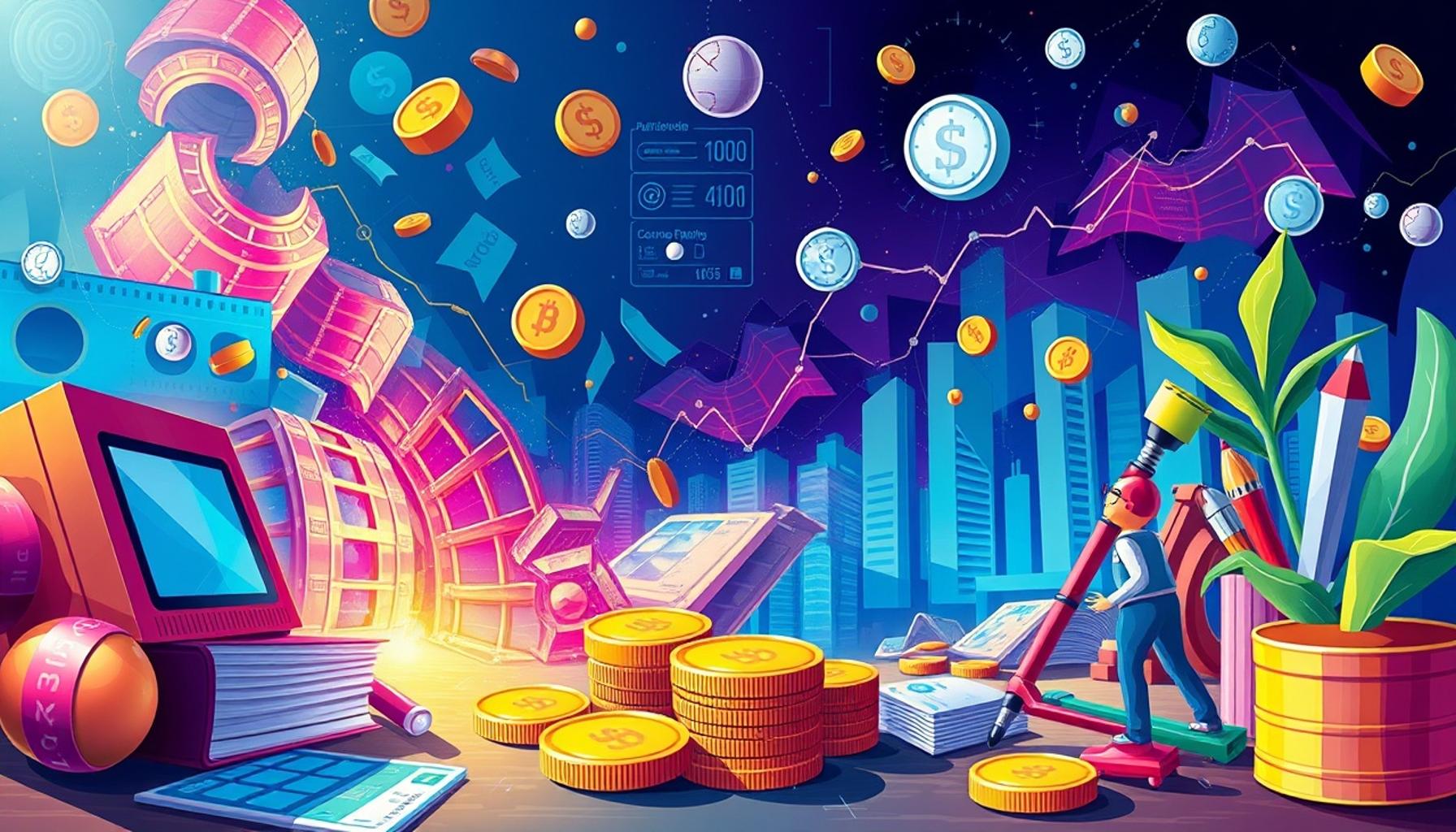
The Evolution of Digital Painting
Over the past few decades, digital painting has undergone a remarkable transformation. What began as a novel experiment with computers has evolved into a sophisticated medium. Today, artists are exploring new horizons in digital artistic expression like never before.
Technological advancements have revolutionized the tools and techniques available to creators, leading to a profound impact on the art world. Consider these exciting developments in detail:
- Software Innovation: Programs such as Adobe Photoshop and Corel Painter have introduced advanced features that not only replicate traditional painting methods but also provide unique capabilities unavailable in the physical realm. For instance, layers, filters, and custom brushes allow artists to experiment with texture and color in ways that traditional mediums do not easily permit.
- Hardware Enhancements: Wacom tablets and touchscreen devices have set a new standard for digital artistry. These advanced tools enable intuitive and precise digital brushwork, simulating the feeling of using real brushes or pencils. Popularity in tools such as the iPad Pro, combined with the Apple Pencil, is helping artists create stunning works with incredible detail, further bridging the gap between digital and traditional artistry.
- AI Integration: Recent developments in artificial intelligence have introduced innovative tools that assist artists in generating unique styles, modifying works in real-time, or even automating repetitive tasks. Programs like DALL-E and Artbreeder are enabling artists to push the boundaries of their creativity, allowing them to experiment with styles and techniques beyond their conventional limits.
This evolution has democratized art-making, making it accessible to a broader audience. As technology advances, barriers to entry are lowered, empowering budding artists to explore their creativity without the steep costs associated with traditional materials. Platforms like Instagram and DeviantArt allow artists to showcase their work and connect with peers globally, fostering a vibrant community of digital creators.
The rise of online education has further propelled this shift, as artists can access tutorials, workshops, and mentorship from industry experts without geographical constraints. This accessibility has led to a new wave of talent in the art world, with individuals from varied backgrounds developing their skills rapidly.
Now, let’s delve deeper into how these innovations are shaping the future of artistic expression. From emerging artists to seasoned professionals, the question remains: how far can technology take us in the realm of digital art? As we stand on the cusp of the next generation of artistic innovation, one can only imagine the possibilities that lie ahead in the ever-evolving landscape of digital painting.
DIVE DEEPER: Click here to discover sustainable crafting materials
Revolutionizing Techniques and Tools
The realm of digital painting is not only defined by the evolution of the tools but also by the techniques employed by artists to convey their visions. As technology advances, traditional methods are reinterpreted to merge with digital practices, creating unique hybrid styles that captivate audiences. Artists today are not merely replicating classic techniques; they are innovating upon them, blending elements that were once considered distinct.
One key aspect of this evolution is the adoption of techniques from traditional painting that seamlessly integrate with digital methods. For example, the layering technique—pioneered by oil painters—has become a fundamental feature in digital software. This allows artists to build complex images by stacking layers of color and texture, adjusting opacity and blending modes to achieve depth and luminosity in their work. Such capabilities have led to a resurgence of interest in styles like digital impressionism and hyperrealism, both of which benefit greatly from the flexibility that digital layers provide.
- Digital Collage: This technique combines photographs, drawings, and textures to create a cohesive piece of art. Digital tools allow for easy manipulation and adjustment of these elements, enabling artists to craft intricate layouts without the physical constraints of traditional collage methods.
- Vector Art: Growing in popularity, vector art uses mathematical equations to create graphics. This form of digital painting is not only scalable without loss of resolution but also encourages artists to explore geometric shapes and bold colors, pushing the boundaries of design and illustration.
- 3D Painting: With applications like Adobe Dimension and Blender, artists can now paint not just on a flat surface but also in three dimensions. This innovation allows for the creation of immersive environments and detailed characters, further enabling storytelling through visual art.
Moreover, as artists explore these techniques, the impact of community collaboration cannot be overlooked. Digital platforms like ArtStation and Behance enable creators to share their work, gain feedback, and seek inspiration from a worldwide audience. These interactions foster a rich exchange of ideas and techniques that have the potential to influence individual artists significantly. Artists can learn to adapt their styles or absorb new techniques simply by observing and engaging with their peers.
The influence of social media on art cannot be underestimated, either. Platforms such as Instagram not only serve as portfolios but also allow for instant feedback and promotion of unique styles. Artists can adapt their creations in real-time based on audience reception, leading to an audience-driven evolution of artistic expression.
As technology continues to reshape the landscape of digital painting, the collaboration between artists and the tools at their disposal will only deepen. The question remains: how will these ongoing innovations redefine creativity in the years to come, paving the way for exciting new forms of artistic expression? As we delve further into this exploration, we discover how the digital canvas is not just a medium but a dynamic space for creative evolution.
The Evolution of Digital Painting: How Technology Is Transforming Artistic Expression
As we delve deeper into the transformative impact of technology on digital painting, it becomes evident that artists are experiencing a revolution unlike any other in history. The fusion of traditional techniques and cutting-edge technology is allowing artists to explore realms of creativity previously thought unattainable.
One of the most significant advancements is the emergence of digital brushes and software that simulate traditional media. Programs such as Adobe Photoshop and Corel Painter provide artists with tools that replicate the texture and experience of painting with oil, watercolor, or ink. This innovation not only expands the palette available to artists but also encourages experimentation, as they can easily undo mistakes without the fear of ruining a canvas.
Moreover, the use of graphic tablets has revolutionized the painting process, enabling artists to draw directly into their digital workspace with remarkable precision. Unlike traditional methods that require physical brushes and canvas, digital painting offers artists the ability to create intricate details and adjustments with mere strokes of a pen. The portability and flexibility of these tools allow artists to work in various environments, thereby inspiring new forms of creativity.
Additionally, we have seen the rise of artificial intelligence (AI) as a collaborator in the artistic process. AI algorithms can analyze styles from a multitude of artists, offering suggestions or even generating artworks that evoke different techniques. This has sparked debates about authorship and originality in the art world, compelling artists to reconsider the boundaries of what defines art.
The democratization of art creation through online platforms is another facet of this technological evolution. Digital painting communities thrive on social media, providing artists with opportunities to share their works and receive feedback. Artists can connect globally, gaining inspiration and collaboration from diverse cultures, which enriches their artistic expression even further.
| Category 1 | Category 2 |
|---|---|
| Technological Advances | Digital brushes, AI algorithms, and graphic tablets |
| Creative Freedom | Artistic experimentation and global collaboration |
In conclusion, the evolution of digital painting is a testament to how technology is reshaping artistic expression. As innovations continue to emerge, artists are not only reimagining their craft but also the very essence of what it means to create art in a digital age.
DON’T MISS OUT: Click here to discover the impact of music on creativity</p
The Rise of Artificial Intelligence in Art Creation
As the digital art world navigates through traditional practices and modern tools, the advent of artificial intelligence (AI) is proving to be a game-changer. AI-powered software like DeepArt and RunwayML are enabling artists to explore new creative horizons, not just by creating from scratch but by co-creating with machines. These platforms analyze existing artworks and generate paintings that reflect various styles and techniques, effectively transforming the artist’s relationship with the creation process.
AI’s capability to learn from a diverse array of images allows it to assist in tasks such as color selection, composition, and even style transfer—where an artist’s photo can be altered to resemble the brush strokes of Van Gogh or Monet. This emerging partnership between human creativity and AI challenges traditional notions of authorship and raises questions about the definition of creativity itself. Many artists, instead of viewing AI as a threat, embrace it as a tool that expands their creative toolbox. For instance, renowned artist Refik Anadol has effectively blended AI with digital painting to produce mesmerizing visualizations that pulsate and evolve, creating a new genre where digital paintings are alive and responsive.
Virtual Reality: Immersive Painting Experiences
The digital painting landscape has also expanded into virtual reality (VR), allowing artists to step into a three-dimensional space to create their work. Tools such as Tilt Brush and Oculus Medium empower artists to paint and sculpt in an immersive environment, enabling them to manipulate their creations from every angle. This transformative experience not only alters the way artists express their ideas but also how audiences perceive art. By allowing viewers to explore a virtual gallery, the relationship between the artwork and the audience is redefined, fostering a more interactive experience.
Moreover, the VR medium has opened doors for collaboration and education, where artists can hold live painting sessions in a virtual setting, connect with fellow creators, and share their techniques in real-time. These innovative engagements orchestrate a more dynamic atmosphere conducive to creative growth. Many art institutions and galleries are now incorporating VR installations into their exhibits, further integrating technology into traditional artistic spaces.
Art Market Transformation Through Blockchain
The art market is also undergoing substantial shifts thanks to the introduction of blockchain technology. This technology has revolutionized the way ownership and provenance are tracked, making art transactions more transparent and secure. Artists can now tokenized their works as Non-Fungible Tokens (NFTs), creating digital ownership records that are stored on a blockchain. This trend has garnered significant attention and has propelled digital art into the mainstream, allowing artists to gain recognition and financial reward in ways that were previously unavailable.
NFT marketplaces like OpenSea and Rarible have democratized access to art ownership, enabling buyers and collectors from all walks of life to engage with digital works. The rise of NFTs has ignited conversations on how we value art in the digital age, as prices for digital pieces soar, transcending the traditional barriers of the art world. Such validation of digital work not only elevates the status of digital artists but also sparks greater interest in the medium itself.
As artists harness these innovative technologies—AI, VR, and blockchain—the possibilities for creative expression multiply. The landscape of digital painting continues to evolve, laying the groundwork for new narratives and techniques that reflect our increasingly digital lives. As we delve deeper into this fascinating world, the future of artistic expression reveals itself as an intricate tapestry woven from the threads of technology and creativity, promising an exciting journey ahead.
DISCOVER MORE: Click here to uncover the influence of culture on cuisine
Conclusion: Navigating the Future of Digital Painting
The evolution of digital painting underscores a pivotal transformation in artistic expression, shaped by the rapid advancements in technology. From the intricate blends of traditional techniques with modern digital tools to the innovative use of artificial intelligence and virtual reality, artists are redefining how they create and share their work. Each technological advancement offers an opportunity for exploration, pushing boundaries and challenging conventional perspectives about creativity and authorship.
As we stand on the precipice of a new era in art, the emergence of blockchain technology and NFTs further modifies the landscape, democratizing art ownership and facilitating a new economy for digital artists. This shift not only enhances visibility for creators but also ignites broader debates regarding the value and permanence of digital art in an increasingly digitized world. Furthermore, as platforms and tools continue to evolve, the collaborative potential between artists and technology will likely yield even more immersive and enriching experiences for both creators and audiences alike.
In summary, the confluence of art and technology paints a promising picture for the future of digital painting. As artists continue to embrace these transformative tools, they pave the way for a rich tapestry of artistic expression that reflects contemporary society’s dynamic interplay with the digital landscape. With each stroke on a virtual canvas, the narrative of art is being rewritten, inviting us all to explore the endless possibilities that lie ahead.