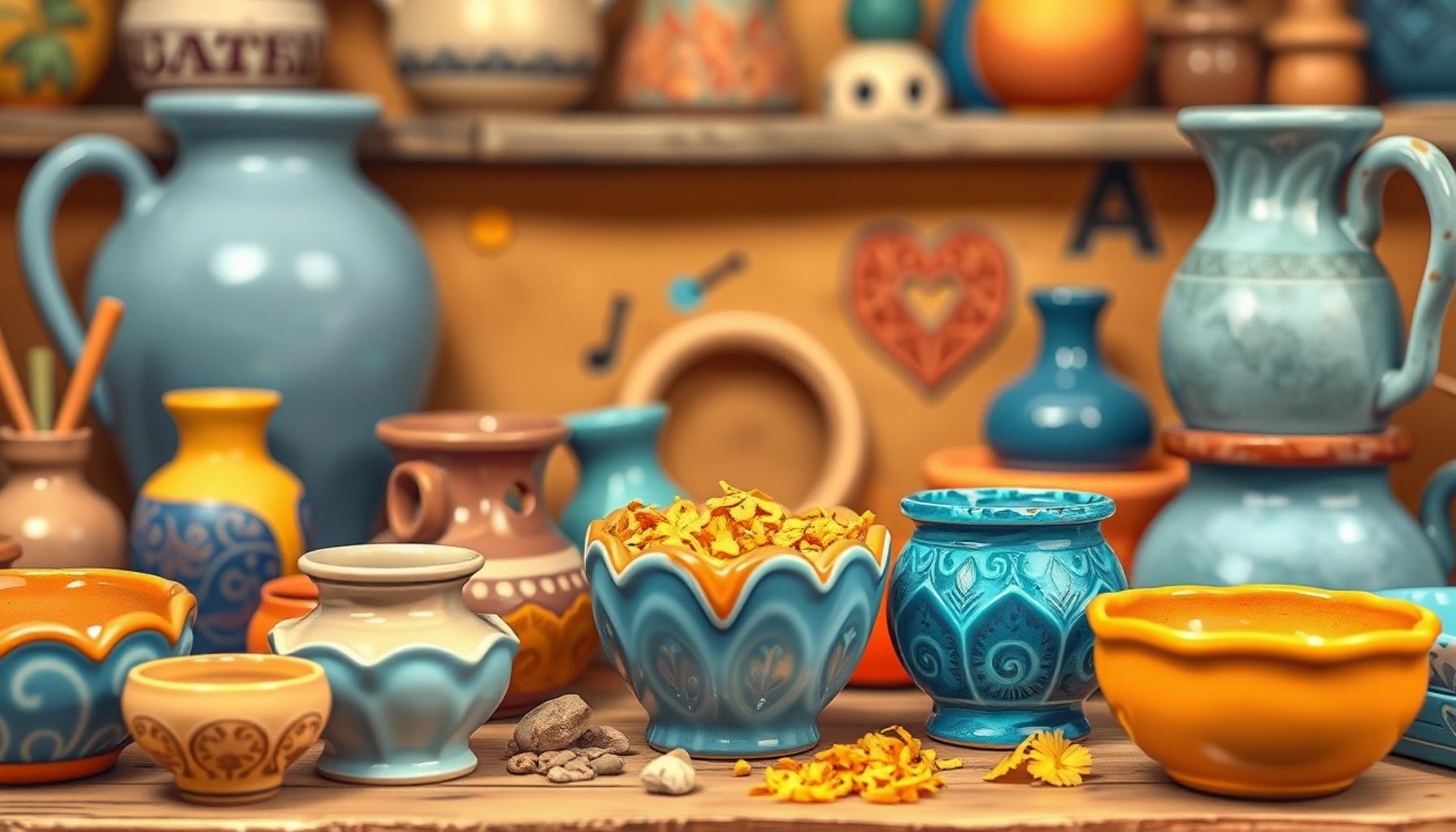
Exploring Cultural Heritage Through Traditional Crafting Skills
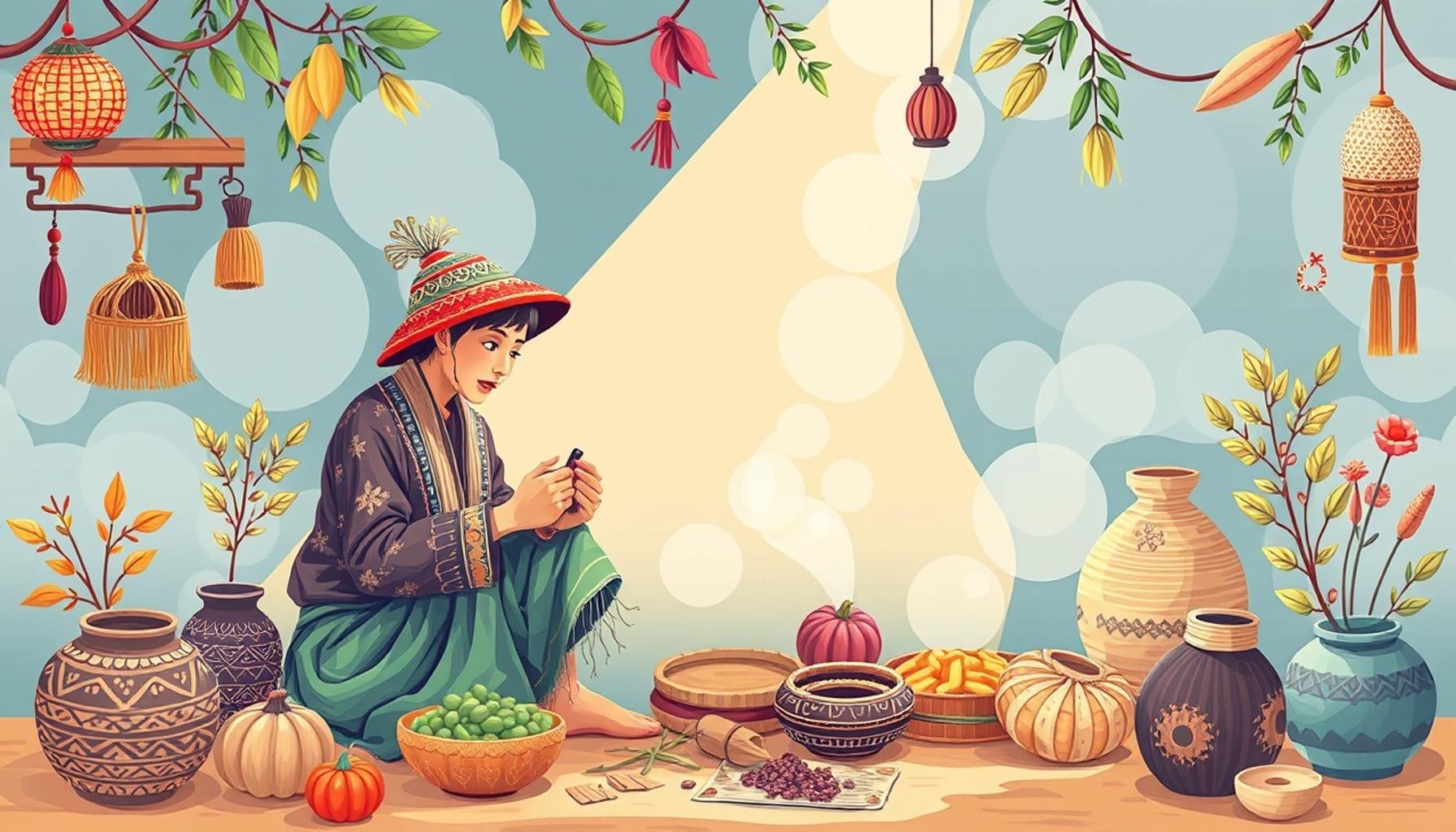
Unraveling Our Shared Past
The art of traditional crafting is more than just a method of creating functional or decorative items; it serves as a vibrant testament to cultural heritage. Each handcrafted piece tells a nuanced story, intricately woven through generations and shaped by the myriad historical experiences unique to its community. These traditional skills not only illustrate the aesthetic preferences of a society but also shed light on its core values and customs. When we examine these crafts, we invite ourselves to understand not just the objects but the context in which they were born.
Key Aspects of Traditional Crafting
- Artistic Expression: Crafts such as pottery, weaving, and woodworking exemplify the creativity and ingenuity of individuals and communities. For instance, Native American pottery often incorporates symbolic designs that reflect tribal history and beliefs, while Appalachian quilt-making utilizes vibrant patterns that narrate stories of ancestors and local landscapes. These artistic expressions nurture a unique identity, creating a strong sense of belonging among practitioners.
- Historical Significance: Understanding the origins of these crafts can provide profound insights into a region’s history and its inhabitants. For example, the craft of basket weaving among the Gullah community of the southeastern United States is not just an art form; it embodies the intricate legacy of African traditions brought to America during the transatlantic slave trade. Each weave tells a story of struggle and resilience.
- Technical Skills: Mastering traditional techniques requires deep commitment and skill, often passed down through generations via apprenticeships. This transmission not only preserves the craftsmanship but also fosters mentorship and storytelling, where elders share invaluable life lessons alongside their techniques. For instance, a student learning to carve wooden toys from an experienced artisan gains not only technical prowess but also a connection to their community’s history.
In the United States, the diversity of crafting traditions forms a colorful tapestry that showcases the nation’s multicultural backdrop. From the intricate beadwork of the Lakota Sioux to the vibrant textiles of the Mexican-American community, each craft provides a unique lens through which we can explore and appreciate various cultural narratives. The potential for exploration and educational opportunities is vast, offering pathways for further discovery.
Why Bother?
- Cultural Preservation: Encouraging younger generations to learn traditional crafting skills is vital for ensuring that these practices do not fade into obscurity. Workshops and community events can inspire youth to engage with their cultural heritage.
- Community Building: The act of crafting invites individuals into collaborative spaces where they can connect with one another, share ideas, and strengthen communal bonds. Craft fairs and artisanal markets often serve as social hubs, fostering unity and collective identity.
- Economic Opportunities: Traditional crafts can serve as viable income sources for artisans. With the rise of online marketplaces like Etsy and regional artisan markets, craftspeople can reach broader audiences, helping to promote sustainable economic practices centered around their skills.
As we delve deeper into the realm of traditional crafting, we encourage you to uncover the layers of history, culture, and community behind each skill. This exploration enhances our appreciation for these crafts and builds a bridge between the past and the present. By immersing ourselves in these traditions, we foster a deeper understanding of not only the crafts themselves but also the vibrant communities that sustain them.
DIVE DEEPER: Click here to discover more
Unearthing the Roots of Tradition
Delving into traditional crafting skills allows us to connect with the very essence of cultural heritage. These crafts serve not only as creative outlets but also as a chronicle of the lives, philosophies, and histories of the communities from which they originate. Each technique, material, and design choice reveals a profound narrative tied to environmental factors, resource availability, and the social dynamics of its history. As we explore these elements, we unlock the thread that binds us to our ancestors and the legacies they left behind.
The Role of Environment and Resources
- Natural Materials: The types of materials used in traditional crafts often closely reflect the geographical and ecological context of the culture. For example, the use of red clay in Native American pottery stems from the earth around them, embodying the local geology and environment. This relationship to natural resources not only informs the aesthetics of the craft but also fosters a sustainable approach to resource management.
- Seasonal Influences: Crafting practices often evolve around seasonal cycles. For instance, with the Inuit culture, crafting tools and clothing from animal skins and furs aligns with the challenges posed by winter months. This seasonal adaptation showcases the ingenuity of communities finding balance with their natural surroundings while maintaining cultural practices.
- Regional Diversity: The vast tapestry of American history is mirrored in its traditional crafts. From the intricate wood carvings of the Pacific Northwest tribes to the glass blowing techniques of the New Jersey Pine Barrens, each region brings a unique flavor, highlighting the diversity in social customs and environmental interactions.
Exploring these aspects of traditional crafting transcends mere observation. It invites individuals to engage in direct storytelling, where they can form connections with the past. For instance, participating in an African-American quilting circle can reveal how each stitch narrates family histories or community events, fostering an understanding of shared experiences and collective memory. The crafting process itself becomes a meditative act, where artisans contribute to a lineage stretching back through time.
Connecting Craftsmanship with Cultural Identity
In today’s globalized world, the value of traditional crafting skills cannot be overstated. They serve not only as a means of personal expression but also as pivotal elements in weaving cultural identity. Communities that embrace traditional crafts maintain a sense of pride and continuity in the face of modern challenges. By actively participating in these cultural expressions, artisans contribute to a living, evolving heritage that resonates with contemporary audiences. This dynamic relationship underscores the importance of preserving and nurturing these skills, not only for cultural vitality but also for artistic innovation.
To better appreciate the diverse spectrum of crafting skills, one can look to the growing number of community initiatives aimed at revitalizing interest in traditional crafts. Through workshops, online tutorials, and festivals, younger generations are learning to appreciate the skills of their forebears. These initiatives accomplish more than preserving skills; they also act as platforms for dialogue about cultural significance in a fast-changing world.
As we venture further into the intricacies of traditional crafting, it becomes clear that each craft is much more than just an object; it is a vivid expression of a culture’s heart and soul, waiting to be discovered and cherished.
Exploring Cultural Heritage Through Traditional Crafting Skills
As societies become increasingly globalized, the importance of preserving and appreciating cultural heritage through traditional crafting skills cannot be overstated. These skills are not only crucial for maintaining the unique identities of various communities but also serve as a bridge connecting generations. In the following table, we explore some key advantages of promoting and participating in traditional crafting.
| Advantage | Impact |
|---|---|
| Cultural Identity Preservation | Traditional crafting allows communities to preserve their unique cultural narratives and ethnic identities through the skills passed down from previous generations. |
| Economic Empowerment | Engaging in traditional crafts can provide a source of income, helping artisans to support themselves while also promoting the cultural heritage they represent. |
These advantages highlight the pivotal role that traditional crafting skills play in both cultural and economic contexts. As people seek authenticity in a shifting world, learning and supporting these crafts can foster appreciation and engagement with cultural heritage on a deeper level.
DON’T MISS OUT: Click here to dive deeper
Revitalizing Craft Traditions Through Education and Community Engagement
As we continue to explore the impact of traditional crafting skills, it becomes evident that education and community engagement play pivotal roles in sustaining these cultural practices. Local workshops, craft fairs, and nonprofit organizations are increasingly dedicated to teaching traditional crafts, ensuring that these skills are not merely remnants of the past but are vibrant components of contemporary life.
Educational Initiatives and Workshops
- Hands-on Learning: Various organizations across the United States, such as the Smithsonian Craft Show and local cultural centers, have recognized the importance of hands-on learning. Workshops focused on weaving, pottery, and woodworking allow participants to grasp the intricate details involved in each craft, fostering a deeper appreciation for cultural heritage. These sessions often invite artisans to share their expertise, weaving personal stories into the educational fabric.
- Intergenerational Knowledge Transmission: Programs that connect younger artisans with seasoned crafters are vital for the preservation of craftsmanship. Initiatives like Crafting Traditions encourage older generations to pass down skills, ensuring that techniques and stories are not lost to time. This exchange revitalizes community bonds and nurtures a collective identity, as traditions find new life in the hands of the young.
- Integration in School Curricula: Educational institutions have started recognizing the cultural value of traditional crafting skills by incorporating them into their curricula. Courses that focus on local crafts not only enhance students’ artistic abilities but also deepen their understanding of their own history and cultural diversity. Such practices are increasingly gaining ground in regions with rich crafting legacies, such as the Appalachian Mountains with its quilt-making tradition.
The Role of Festivals and Craft Markets
Festivals and craft markets play a crucial role in the preservation and promotion of traditional crafts. Major events like the Washington’s National Folk Festival and the Newport Folk Festival showcase traditional artisans, allowing them to demonstrate their skills and share their cultural narratives with a broader audience. These gatherings not only celebrate the arts but also strengthen community ties by bringing together artisans, enthusiasts, and curious visitors.
Furthermore, these festivals often provide a platform for educational workshops during the event, enabling participants to immerse themselves in various crafting techniques. Examples include showcasing traditional Appalachian basket weaving or the intricate techniques of Native American beadwork. Engaging with these crafts allows attendees to experience the cultural significance firsthand, transforming passive interest into active participation.
The Impact of Technology on Traditional Crafting
In an age dominated by technology, traditional crafts have interestingly found a new platform for expression. Social media, online marketplaces, and tutorials have opened avenues for artisans to reach wider audiences, share their culture, and sell their creations. Platforms such as Etsy highlight handcrafted items, allowing traditional crafts to flourish in a modern context. Artisans have the opportunity not only to share their skills but also to narrate the meanings behind their crafts, bridging the gap between generations and cultures.
This digital transformation has ignited renewed interest in traditional skills, as individuals seek craftsmanship that reflects authenticity and sustainability. For instance, the rise in popularity of handmade items stands as a counter-narrative to mass production, allowing consumers to choose items that resonate with cultural heritage.
As traditional crafting skills persist through education, community engagement, and technology, we witness a dynamic interplay between the past and present, inviting each generation to partake in the dance of culture and creativity. This flourishing landscape of traditional crafts illuminates the importance of cultural heritage, revealing that each stitch, carving, or weave is inherently connected to the larger human experience.
DISCOVER MORE: Click here to unlock your creativity
Conclusion: The Enduring Legacy of Traditional Crafting Skills
The exploration of cultural heritage through traditional crafting skills reveals a tapestry woven from the threads of history, identity, and creativity. As we engage with these practices, it becomes clear that traditional crafts are not merely artifacts of a bygone era but vibrant expressions of community and culture that continue to evolve. The commitment to education and community engagement ensures these crafts are passed down through generations, fostering a feeling of shared identity and continuity among diverse groups in the United States.
Moreover, the integration of traditional crafts into modern contexts, highlighted by the use of technology, has opened new pathways for artisans to connect with wider audiences. Social media platforms and online marketplaces not only promote handcrafted items but also empower artisans to share the rich stories behind their work, reinforcing the cultural significance of each creation. Festivals and craft markets serve as vital arenas for this interchange, allowing artisans to merge storytelling with the tactile experiences of their crafts.
As we reflect on the enduring legacy of traditional crafting skills, it is crucial to recognize the role every individual can play in preserving and promoting these practices. By participating in workshops, supporting artisan markets, and valuing handmade items, each person contributes to a collective appreciation for the intricate link between culture and creativity. Moving forward, let us embrace and celebrate our craft traditions, ensuring they continue to thrive for future generations to explore, understand, and cherish. In doing so, we deepen our connection to our heritage and enrich the cultural mosaic that defines us.