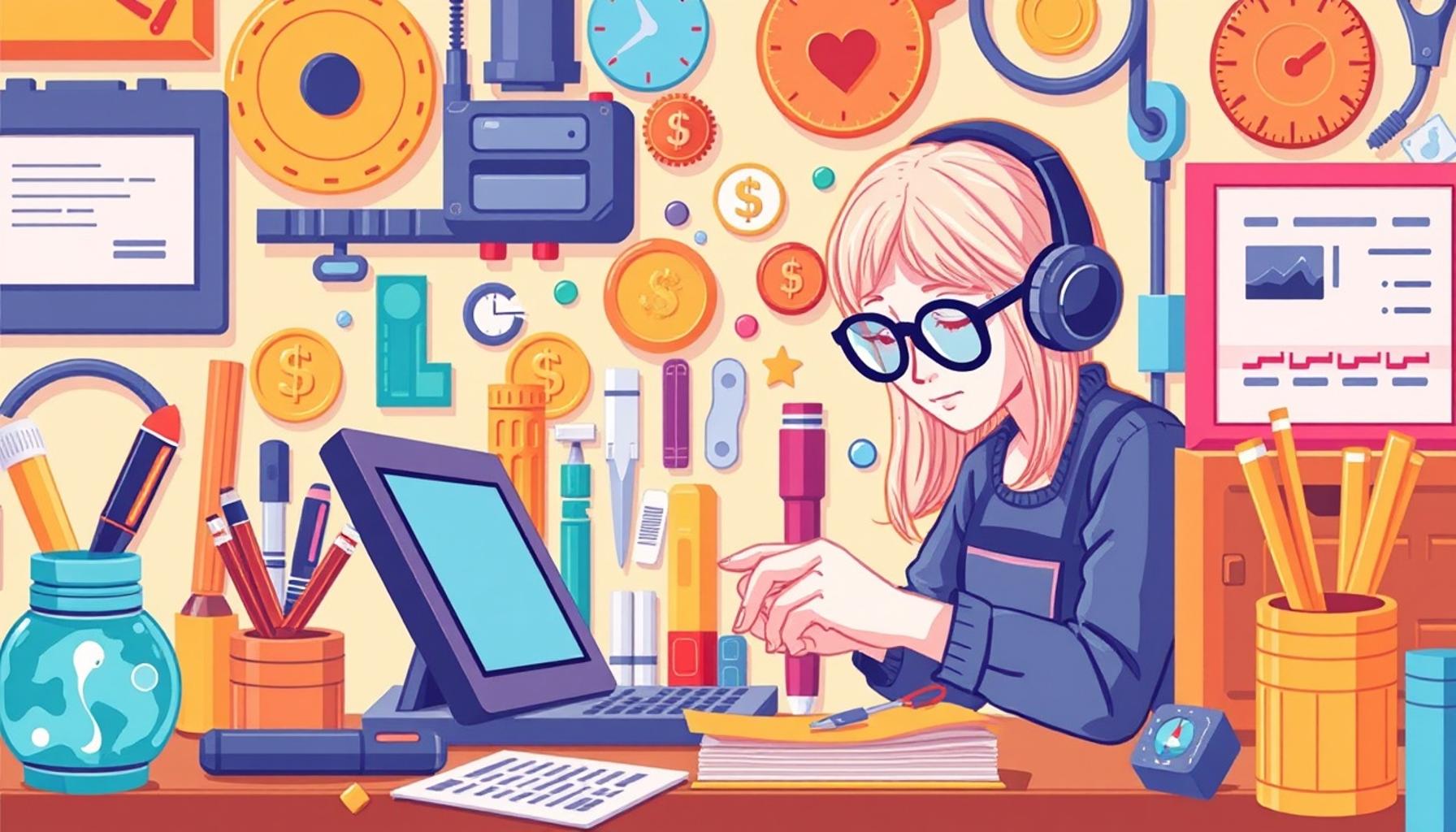
The importance of manual skills in promoting mental health

The Importance of Manual Skills in Promoting Mental Wellness
In a world increasingly dominated by technology, the significance of manual skills is often overshadowed. However, engaging in hands-on activities not only provides a break from screens but also serves as a vital method for enhancing mental health. Various studies reveal that spending time on tactile projects has a profound impact, offering a valuable outlet for emotional expression and stress relief.
Mindfulness and Focus
One of the core benefits of manual skills lies in their ability to promote mindfulness. Activities such as pottery, painting, or woodworking require concentration, which can effectively draw attention away from anxious thoughts. For example, when someone is molding clay, they must focus intensely on the texture and form, allowing their worries to fade into the background. This practice of being present in the moment is similar to meditation, which has been shown to lower stress and anxiety levels, leading to overall improved mental health.
Sense of Accomplishment
Completing a manual project can instill a remarkable sense of accomplishment. Whether it is finishing a quilt or assembling a model airplane, the feeling of creating something tangible is incredibly rewarding. This satisfaction can boost self-esteem and combat feelings of inadequacy or depression. For instance, a study from the University of Otago in New Zealand found that individuals who engage in creative projects regularly report feeling greater levels of happiness and fulfillment in their everyday lives.
Creative Expression
Manual skills often serve as a unique avenue for creative expression. They enable individuals to communicate emotions and ideas that may be difficult to articulate through words. For those who struggle with verbal communication, such as individuals on the autism spectrum or those with social anxiety, hands-on crafts can be a welcome alternative. The act of creating art, whether through painting or crafting jewelry, allows for personal storytelling and an exploration of one’s identity.
Community and Social Interaction
Beyond individual benefits, engaging in manual skills often introduces opportunities for social interaction. Community classes or group projects, such as woodworking workshops or pottery studios, create bonds among participants. These shared experiences contribute to a sense of belonging, which is essential for mental wellness. Moreover, research shows that socialization is linked to lower levels of loneliness and depression, further illustrating the importance of manual skills in fostering connections.
In summary, the correlation between manual skills and mental health is both significant and multifaceted. Engaging in hands-on activities offers numerous benefits, enhancing mindfulness, instilling a sense of accomplishment, and promoting creative expression. As individuals seek new ways to support their mental well-being, exploring manual skills can be a transformative journey, whether it unfolds in a local crafting class or a cozy corner at home. Society stands to benefit greatly from rediscovering and valuing these essential skills, as they provide not only personal fulfillment but also strengthen community ties.
DIVE DEEPER: Click here to discover more
Reconnecting with Manual Skills
In an age where screens dominate our lives, the art of manual skills serves not just as a hobby but as a powerful tool for enhancing mental health. A growing body of research indicates that engaging in hands-on activities can catalyze a range of psychological benefits, from increased focus to improved emotional resilience. As mental health issues continue to rise—impacting approximately 1 in 5 adults in the United States according to the National Institute of Mental Health—understanding the importance of these skills has never been more critical.
Enhanced Fine Motor Skills
Participating in manual tasks also has benefits beyond mental health: it offers opportunities to develop fine motor skills. Engaging in activities that require dexterity, such as knitting, sculpting, or woodworking, can improve hand-eye coordination and overall physical capabilities. This not only contributes to physical health but also fosters a sense of control and competence. This physical engagement can release endorphins, further enhancing mood and well-being.
Therapeutic Benefits
Hands-on activities can act as a form of therapy, providing individuals with a constructive outlet for their feelings. The concept of creative therapy is gaining traction, with many mental health professionals recommending manual skills as part of treatment plans. Whether it’s through scrapbooking to process emotions or woodworking to channel frustration, these activities can help individuals express feelings they may otherwise struggle to communicate. The repetitive nature of many manual tasks can be calming, akin to the benefits of mindfulness meditation. For instance, a study published in the Journal of Occupational Science found that participants who engaged in creative activities reported experiencing greater emotional relief during and after completion of their projects.
Exploring New Interests and Hobbies
Furthermore, the exploration of manual skills introduces individuals to new interests and hobbies, which can serve as additional mental health boosters. Trying out activities like pottery, painting, or DIY home improvement not only provides a distraction from daily stressors but also allows individuals to discover latent talents. Here are some popular manual activities that can contribute to better mental health:
- Pottery and Ceramics: Molding clay can be meditative and offers a tactile experience.
- Painting: Capturing emotions on canvas can lead to significant emotional release.
- Gardening: Connecting with nature has been shown to improve mood and foster a sense of achievement.
- Cooking and Baking: Creating meals can build self-esteem and is an opportunity to practice mindfulness.
- Woodworking: This discipline requires concentration and precision, promoting focus and satisfaction upon completion.
As we delve deeper into the multifaceted benefits of manual skills, it becomes clearer that these activities are instrumental in cultivating a rich tapestry of mental wellness. The act of creating allows for personal exploration, emotional liberation, and the forging of new connections, proving that sometimes the best therapy comes with a touch of paint or the scent of freshly baked bread.
The Importance of Manual Skills in Promoting Mental Health
Engaging in manual skills is not only a means of creativity but also serves as a significant therapeutic avenue for mental well-being. Research indicates that hands-on activities can help reduce anxiety and depression, creating a positive impact on individuals’ emotional states. Activities such as woodworking, pottery, and needlework demand focus and concentration, diverting attention from stressors while simultaneously fostering mindfulness. This engagement in purposeful action thrives on the human desire to create, providing a sense of accomplishment that boosts self-esteem.
Moreover, developing manual skills can be a socially enriching experience. Group activities, workshops, or classes encourage interactions, allowing individuals to connect with others who share similar interests. These social bonds are essential in combating feelings of isolation, which is a prevalent issue in today’s digital age. As participants share techniques, ideas, and encouragement, a supportive network is built, contributing to enhanced mental health. The synergy between manual tasks and communal experiences underscores the multifaceted benefits of engaging in such skills.
| Advantage | Description |
|---|---|
| Stress Relief | Manual skills provide a distraction, allowing individuals to focus on the task and alleviate anxiety. |
| Enhanced Self-Esteem | Completing manual tasks fosters a sense of achievement, contributing to overall self-worth. |
Furthermore, the act of creating something with one’s hands can lead to a deeper connection with one’s feelings and thoughts. As individuals express themselves through crafting or building, they often uncover hidden emotions, providing an avenue for reflection and personal growth. Allowing the mind to wander while engaging in manual skills can create moments of introspection, enhancing one’s emotional landscape.
In conclusion, incorporating manual skills into one’s routine not only promotes mental health but also enriches the emotional experience of individuals through creativity, social interaction, and self-discovery. This interplay highlights the importance of recognizing and utilizing manual skills as a vital tool in mental well-being.
DISCOVER MORE: Click here to dive into the world of yogurt and cheese making
Building Community Through Creativity
Engaging in manual skills has the profound ability to foster a sense of community and social connection, both vital components for maintaining good mental health. Group activities such as pottery classes, knitting circles, or community gardens not only encourage individual creativity but also create opportunities for social interaction. A study published in the American Journal of Community Psychology highlighted that individuals who participate in community-oriented projects tend to experience lower levels of depression and anxiety.
These settings allow people to share their experiences and skills while forming connections with others who share similar interests. For many, these groups can alleviate feelings of loneliness that have been exacerbated by the COVID-19 pandemic. As individuals work alongside others, they are able to communicate more openly, share their struggles, and even celebrate each other’s achievements, which can create a sense of belonging and purpose.
Achieving Flow State
Another compelling aspect of engaging in manual skills is the potential to achieve a flow state—a mental state characterized by complete absorption and focused energy. Psychologist Mihaly Csikszentmihalyi, who coined the term, suggests that flow occurs when individuals engage in tasks that match their skill level with the challenges presented. This experience can lead to intense enjoyment and productivity, further enhancing mental health. Activities that promote flow, such as woodworking or painting, allow individuals to lose themselves in the task and emerge with a sense of accomplishment, effectively reducing feelings of stress and anxiety.
Mind-Body Connection
The pursuit of manual skills acts as a bridge to strengthen the mind-body connection, integrating both physical and mental processes. Engaging in tasks requires physical movement, which can increase heart rates and release endorphins, leading to enhanced mood and well-being. A study published in the Journal of Clinical Psychiatry found that individuals who engaged in physical activities, including manual skills, demonstrated lower levels of mental distress and fewer symptoms of depression. This highlights the vital link between physical engagement and its positive spin-off into mental health.
Developing Problem-Solving Skills
In addition to fostering creativity, manual skills can enhance problem-solving abilities. When tackling intricate projects, whether it’s fixing an appliance or creating a piece of art, individuals must often think critically and navigate challenges. This process not only builds resilience but also boosts self-efficacy—the belief in one’s own ability to succeed. Engaging in such problem-solving activities can transfer to other areas of life, equipping individuals with the tools necessary to manage daily challenges effectively.
For many, learning and mastering new skills dampens feelings of stagnation and boosts self-esteem, which are essential for a positive mental state. As people begin to view challenges in a constructive light, they cultivate a mindset that views setbacks as opportunities for growth rather than obstacles.
In summary, exploring manual skills goes beyond merely acquiring new hobbies; they offer gateways to enhanced community ties, personal achievement, and improved mental wellness. By nurturing these skills, individuals can embrace profound benefits for their mental health, turning passion into power.
DIVE DEEPER: Click here to learn how technology is reshaping music education
Conclusion
In a world increasingly dominated by technology and automation, the significance of manual skills in promoting mental health cannot be underestimated. As this article highlights, engaging in hands-on activities does not just provide a productive outlet but also offers a range of psychological benefits, such as enhancing problem-solving abilities, achieving a flow state, and fostering deep social connections. These benefits create a robust foundation on which mental well-being can thrive.
Moreover, through the cultivation of manual skills, individuals can combat feelings of isolation and build supportive communities, which are essential for emotional resilience. Studies demonstrate that participation in structured group activities can alleviate symptoms of anxiety and depression, paving the way for a healthier mental state. The integration of physical action with creative expression further cements the connection between the mind and body, yielding a holistic approach to mental wellness.
As we navigate a post-pandemic reality, the need to foster healthy coping mechanisms and community-building activities has never been more crucial. Learning or honing a trade, whether it be woodworking, crafting, or gardening, empowers individuals to find joy in productivity and a sense of purpose. Encouraging the exploration of these skills within our daily lives not only promotes personal growth but also nurtures a culture where mental health is prioritized.
In essence, embracing the importance of manual skills is not merely a nostalgic return to traditional crafting but rather an essential investment in our mental health. It is an invitation to discover the therapeutic power that arises when we create, connect, and engage in meaningful activities. As we recognize these benefits, society can work together to promote environments that celebrate and support the development of manual skills for better mental health.