The Power of Poetry: Exploring Emotional Expression Through Literary Activities

The Impact of Poetry on Emotional Landscape
Poetry is more than a collection of words arranged in a rhythmic pattern; it serves as a profound medium for conveying the depths of human emotion. With its unique ability to articulate feelings, poetry becomes a mirror reflecting the rich tapestry of human experience. Whether it is joy, sorrow, anger, or love, poetry offers a canvas where these complex emotions can be transformed into something both beautiful and relatable.
One of the key reasons poetry resonates with so many is its accessibility. Unlike other forms of literary expression that may require extensive training or specific skills, anyone can venture into poetry. It invites individuals from all walks of life—students, professionals, or retirees—to capture their thoughts and feelings in verse. For instance, during National Poetry Month celebrated in April across the United States, schools and communities host events encouraging everyone to write and share their work, showcasing how this art form welcomes contributions from all.
Furthermore, poetry’s diversity in style caters to a wide array of preferences. From tightly structured sonnets and haikus to the liberating format of free verse, there is a style of poetry for every taste. This versatility not only appeals to different audiences but also allows poets to explore their emotions in the way that feels most authentic to them. For example, a young writer might find freedom in free verse to explore personal themes, while an experienced poet might prefer the discipline of a sonnet to convey a complex idea.
In addition to being a form of creative outlet, poetry holds notable therapeutic value. Engaging with poetry can encourage mental health and emotional healing—whether through writing or reading. Numerous studies indicate that expressive writing, including poetry, can lead to reduced anxiety and increase one’s sense of well-being. Many therapists now incorporate poetry and creative writing into their sessions to help individuals articulate feelings that are often difficult to express verbally.
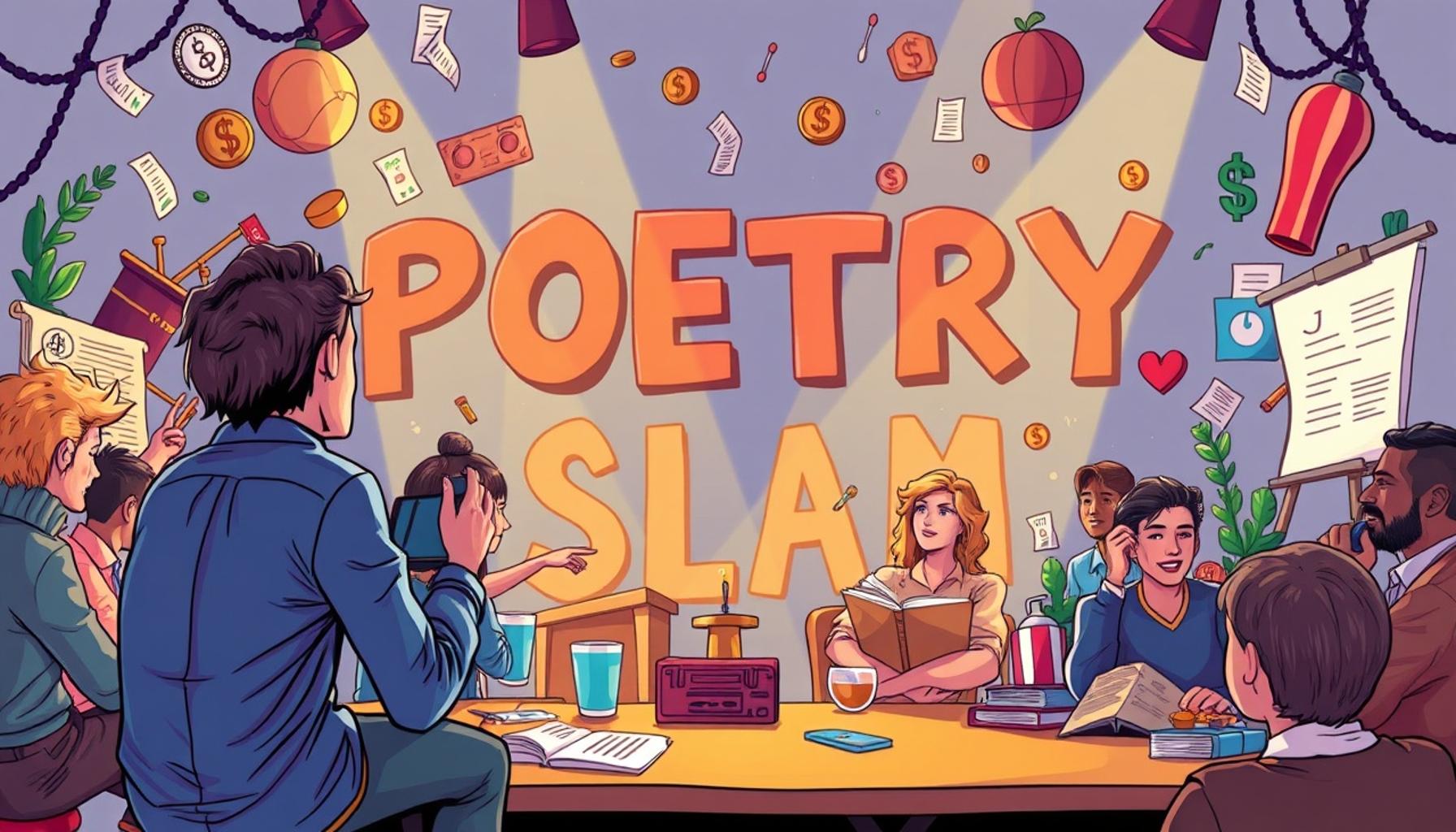
In the United States, poetry continues to make significant contributions to cultural dialogue. It has acted as a powerful vehicle for marginalized voices, enabling many to articulate their stories and struggles. Spoken word poetry, for example, has gained immense popularity, with events such as the National Poetry Slam showcasing talent and fostering community engagement. These performances often resonate with themes of identity, social justice, and resilience, highlighting the integral role poetry plays in societal change.
This exploration reveals how poetry serves not only as an artistic endeavor but also as a vital instrument for emotional expression and healing. With its rich history and contemporary relevance, poetry remains a transformative force in both personal lives and broader social contexts. As readers, writers, and listeners open themselves to the world of poetry, they embark on a journey that promises to enrich their emotional landscape and inspire a profound connection with the human experience.
DIVE DEEPER: Click here to uncover the power of storytelling
Poetry as a Tool for Emotional Exploration
When individuals engage with poetry, they often find themselves immersed in a transformative experience that transcends mere words on a page. Poetry has the remarkable ability to articulate feelings that may otherwise remain unspoken. It serves as a cathartic outlet, allowing poets and readers alike to confront and process their emotions. Yet, this engagement with poetry offers an invaluable opportunity to explore emotional depths far beyond simple expression. It cultivates awareness and understanding of the complexities of the human condition.
Poetry often encourages both self-reflection and connection with others. By exploring various themes—be it love, grief, identity, or resilience—poets tap into universally shared experiences. This connection creates a sense of community among readers, making them feel understood and validated in their emotions. A poignant example would be the works of poets like Maya Angelou and Langston Hughes, whose writings resonate deeply with narratives of struggle while simultaneously inspiring hope and resilience. Their verses not only reflect personal experiences but also serve to ignite dialogue about broader societal issues.
Moreover, educational environments across the United States are increasingly recognizing the value of incorporating poetry into curricula to enhance emotional intelligence. Programs that focus on creative writing often encourage students to express feelings and experiences through verse. Activities such as poetry workshops in schools help foster an appreciation for the art form while allowing students to delve into their emotions in a guided setting. Some benefits of integrating poetry into educational activities include:
- Enhanced emotional vocabulary: Students learn to articulate their feelings and thoughts more clearly.
- Critical thinking skills: Analyzing poems fosters deeper thinking about language, structure, and meaning.
- Improved communication: Writing and sharing poetry encourages open dialogue among peers.
- Stress reduction: Engaging in creative activities like poetry can alleviate tension and contribute to mental wellness.
Additionally, poetry as a form of literary therapy is gaining traction in various therapeutic settings. Therapists often utilize poetry to help clients explore and articulate emotions that they might find challenging to communicate openly. The process of writing poetry can enable individuals to identify underlying feelings, make sense of their experiences, and ultimately promote emotional healing. Studies, including those published by the American Journal of Poetry Therapy, highlight that engaging in creative writing has been linked to decreased symptoms of anxiety and depression, underscoring the significant therapeutic potential of poetry.
In conclusion, poetry is a powerful tool for emotional expression that empowers individuals to explore their innermost thoughts and feelings. By creating a space for reflection, fostering community, and offering therapeutic benefits, poetry continues to demonstrate its profound impact on the emotional landscape of individuals in the United States and beyond. As society embraces the power of poetic expression, it paves the way for greater emotional awareness and connectivity.
| Advantages | Key Insights |
|---|---|
| Enhances Emotional Intelligence | Reading and writing poetry fosters empathy by allowing individuals to connect with diverse emotions and narratives. |
| Encourages Creative Expression | Literary activities empower participants to articulate their thoughts and emotions creatively, facilitating personal growth. |
| Promotes Mental Well-being | Engaging with poetry can reduce stress and anxiety, providing a therapeutic outlet for expressing feelings. |
| Fosters Community Connection | Participating in poetry events builds a sense of belonging, allowing individuals to share experiences and support one another. |
The benefits outlined in the table reflect how poetry acts as a robust medium for exploring emotional expression through literary activities. These elements not only highlight the transformative power of language but also underscore the broader implications for personal and communal health. Engaging in poetry can lead to profound insights about oneself and others, leading to enhanced relationships both within oneself and in social circles. This exploration invites readers to delve deeper into the world of poetry, looking beyond the mere act of reading or writing, revealing a pathway to deeper understanding and self-discovery. The intrinsic therapeutic benefits emphasize the theme’s significance in promoting emotional wellbeing.
DIVE DEEPER: Click here to discover unique flavor combinations
The Therapeutic Space of Poetry
Beyond its role in personal expression, poetry operates as a significant therapeutic tool within various settings. The emerging field of expressive arts therapy, which combines creative expression with psychotherapy, increasingly incorporates poetry as a means of emotional exploration. Research indicates that engaging with poetry can aid in alleviating trauma-related distress, making it particularly beneficial for communities affected by events such as natural disasters, social injustice, or personal loss.
Poetry therapy programs often involve group settings where participants share their works and reflections. This shared storytelling creates a supportive environment that fosters healing and connection. These sessions can empower individuals, especially marginalized groups, to reclaim their narratives and articulate experiences often silenced. The National Association for Poetry Therapy notes that participating in poetry workshops can significantly enhance mental health outcomes, demonstrating how words can bridge gaps in understanding and empathy.
Furthermore, the intimate nature of poetry allows individuals to confront difficult emotions in a safe manner. For instance, a person grappling with grief may find solace in writing about their feelings, transforming pain into poetry that captures the essence of their experience. This act not only validates emotions but also encourages resilience. The healing potential of poetry is echoed in the words of noted poet and therapist, David Whyte, who once stated that “poetry is a place where we can all find validation for our struggles, a space where we meet ourselves.”
Community Outreach and Poetry Programs
In the United States, numerous organizations are dedicated to using poetry as a form of community outreach. Initiatives such as “Poetry Out Loud” in schools not only introduce students to the art of reciting poetry but also foster a sense of belonging and identity. The program emphasizes the importance of voice and expression, challenging students to articulate their thoughts and emotions through dynamic performances. Such engagement can lead to improved self-esteem, helping young individuals create connections with their peers as they navigate adolescence—a time often marked by emotional upheaval.
Another example is the “WritersCorps,” which engages youth in writing workshops across urban settings, using poetry as a medium for personal and social change. By providing a platform for young voices, these programs not only empower individuals but also address larger societal issues such as inequality and cultural identity. Poetry becomes a vehicle for change, enabling young writers to challenge stereotypes, reflect on their communities, and inspire others.
Digital Poetry Platforms and New Frontiers
In today’s digital age, the accessibility of poetry has burgeoned, with numerous online platforms enabling individuals to share their works globally. Social media channels like Instagram and TikTok have popularized the dissemination of poetry, showcasing the emotional depth and creativity of diverse voices. As hashtags such as #PoetryCommunity and #Instapoet trend, poets find kinship in shared experiences, and readers are often moved by the authenticity of the emotions expressed. This digital transformation has redefined the landscape of poetry, making it a more inclusive medium for emotional expression.
Moreover, digital tools and applications facilitate collaborative poetry-writing experiences, allowing individuals to engage with others regardless of geographical barriers. Such virtual encounters create a new form of emotional connectivity in which participants explore their feelings collectively, fostering a sense of global community through the shared language of poetry. The resulting tapestry of voices not only captures the vastness of human experiences but also highlights poetry’s role as a universal form of emotional expression.
DISCOVER MORE: Click here to learn about the power of art in community building
Reflections on the Influence of Poetry in Emotional Expression
As we delve deeper into the power of poetry, it becomes evident that this timeless art form serves as a vital outlet for emotional expression across various dimensions of society. From therapeutic settings that foster healing to programs that engage youth in meaningful dialogue, poetry proves to be much more than just a collection of verses; it is a transformative tool that captures the intricacies of the human experience. The shared narratives within poetry therapy highlight the significance of connection, emphasizing that we are not alone in our struggles and emotions.
The rise of digital platforms further enriches the landscape of poetry by providing a global stage for voices that may otherwise remain unheard. The accessibility of online spaces encourages individuals to explore and share their feelings, cultivating a sense of community that transcends geographical and cultural boundaries. The #PoetryCommunity on social media not only amplifies diverse expressions but also allows readers to find solace and understanding amidst the shared chaos of existence.
In conclusion, as we continue to explore poetry’s role in emotional expression, it is crucial to recognize and leverage its potential across various sectors—be it in schools, therapeutic practices, or digital environments. By embracing poetry as a form of healing and empowerment, we can inspire future generations to articulate their stories and emotions authentically, leading to a more empathetic and interconnected world. As the words of poet David Whyte resonate, poetry indeed provides a sacred space where we confront our struggles and emerge, not just as individuals, but as a collective tapestry of human experience and resilience.