
The Evolution of Crafting Skills: From Hobby to Profitable Business
Crafting as a Cultural Phenomenon
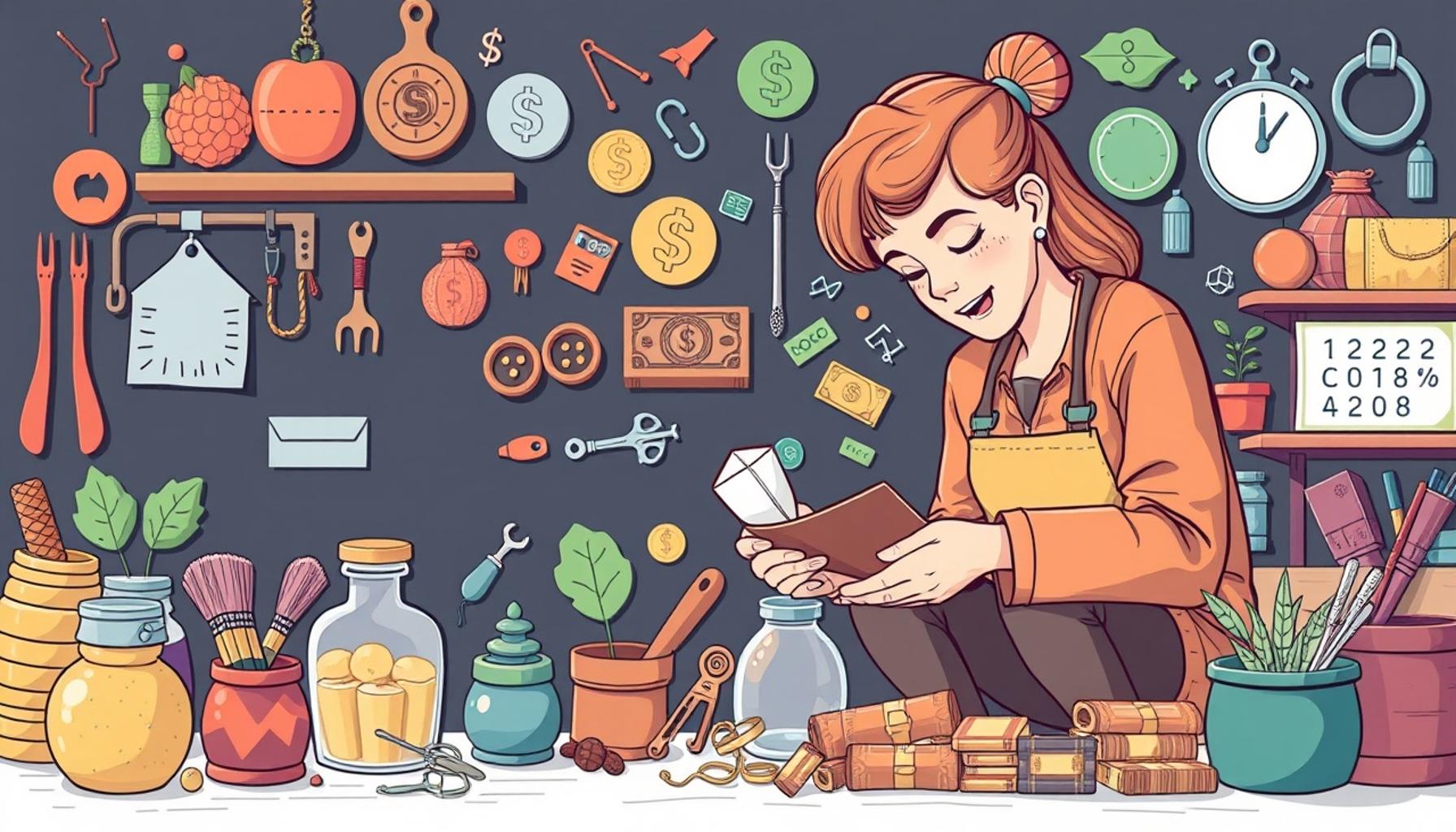
The world of crafting has seen a remarkable shift from a leisurely activity to a vibrant and lucrative industry. As individuals embrace their artistic abilities, they are not only creating beautiful products but are also laying the foundation for their own businesses. This transformation is a testament to the power of creativity paired with entrepreneurial spirit, and it highlights a broader cultural movement towards self-expression and financial independence.
One of the driving forces behind this crafting renaissance is the rise of e-commerce platforms. Websites such as Etsy and Shopify offer makers a marketplace to showcase their handmade goods, from jewelry and clothing to home decor and art. For instance, a pottery enthusiast can easily create an online shop to showcase their unique ceramic pieces, reaching customers far beyond their local community. In 2020 alone, Etsy reported over 4.36 million active sellers, indicating a significant rise in online crafting businesses.
The role of social media cannot be overstated in this evolving landscape. Platforms like Instagram and Pinterest provide critical exposure for crafters, allowing them to share their creations with a global audience. Creative hashtags and visually appealing content can quickly garner attention, turning simple projects into viral sensations. A stunning macrame wall hanging posted on Instagram might inspire thousands of new crafters or even spawn a trend, demonstrating the exponential potential for growth in this space.
Additionally, many artisans have embraced the trend of offering workshops and classes to teach their skills to eager learners. This not only diversifies their income streams but also fosters a sense of community among crafters. For example, a local quilting expert might organize a weekend workshop, attracting both beginners and seasoned makers looking to refine their techniques. Such events can instill a deep appreciation for the craft while also empowering others to pursue their passions.
The craft industry in the United States is now a multibillion-dollar sector, reflecting a growing consumer desire for unique, handmade items as opposed to mass-produced goods. This trend is further fueled by shifting attitudes towards sustainability and ethical shopping, as more consumers seek to support small businesses and local artisans. The importance of authenticity in today’s marketplace cannot be understated, driving consumers to seek items that resonate personally.
This article will dive deeper into how crafting has evolved beyond a mere hobby into a profitable business. We will explore key factors driving this evolution, share real-life success stories that serve as inspiration, and discuss the challenges faced by crafters venturing into entrepreneurship.
Join us on this journey as we unravel the exciting developments within the crafting community, offering insights that might just motivate you to embark on your own creative journey.
EXPLORE MORE: Click here to dive deeper into visual storytelling
The Driving Forces Behind the Crafting Boom
In recent years, the transformation of crafting from a simple pastime to a viable source of income can be attributed to several key factors. Understanding these elements can provide a roadmap for aspiring crafters to navigate their own journeys from hobbyists to successful entrepreneurs.
1. The Influence of E-Commerce
The surge in e-commerce has played a pivotal role in democratizing the marketplace for crafters. Gone are the days when artisans relied solely on local craft fairs or word-of-mouth to sell their products. Now, platforms like Etsy, Amazon Handmade, and even personal websites allow crafters to tap into a global consumer base. By creating user-friendly storefronts, sellers can easily display their creations and manage orders, all with the click of a button. In fact, a survey from the Craft and Hobby Association revealed that online sales have increased by over 50% in the past five years alone, underscoring the dynamic shift in consumer purchasing habits.
2. Social Media: A New Stage for Creatives
Social media stands at the forefront of the crafting evolution, functioning as both a showcase and a marketing tool for creators. Platforms like Instagram and Pinterest have enabled crafters to share their artistic processes and finished products with visually-driven content. Engaging posts featuring hashtags such as #Handmade and #CraftBusiness can attract the attention of followers, leading to increased sales and collaborations. The expansive reach of social media allows individuals to build personal brands, gain recognition, and even connect with influencers who can further amplify their work.
3. Workshops and Community Engagement
The rise of DIY culture has fostered a supportive community among crafters. Many artisans are now expanding their offerings to include workshops and classes, capitalizing on the enthusiasm of others eager to learn their skills. These events provide additional income while also creating a sense of belonging within the crafting community. Participants often bond over shared interests, and many leave with not just new skills, but newfound friendships that can lead to future collaborations. The popularity of platforms like Meetup and local community centers has made it easier than ever to connect with fellow makers and establish networks.
4. Consumer Demand for Unique Products
In a world dominated by mass production, there is a growing consumer desire for handmade, unique items. Shoppers are increasingly drawn to products that tell a story, offering a personal touch that large retailers cannot replicate. Factors such as sustainability and ethical shopping are influencing buying behaviors, prompting consumers to seek out local artisans and handmade goods. This shift aligns with the evolving consciousness about where products come from and how they impact the world. A study conducted by the American Craft Council showed that 78% of consumers prefer purchasing from small businesses, further highlighting the flourishing market for handcrafted items.
Understanding these driving forces equips aspiring crafters with insights on how to navigate this vibrant landscape. By leveraging technology, community, and consumer preferences, craft enthusiasts can successfully transition from a fulfilling hobby into a profitable business.
| Category | Description |
|---|---|
| Market Demand | Increased interest in handmade goods has created a booming market for crafters. Consumers are drawn to unique, personalized items that reflect their individual style. |
| Skill Development | Crafting workshops and online resources have made it easier than ever to refine skills, paving the way for hobbyists to transition into professional artisans. |
| Online Platforms | E-commerce sites allow crafters to showcase and sell their work globally, providing exposure and ample opportunities for income generation. |
| Community Building | Networking with other crafters fosters collaboration and support, which can enhance business growth and sustainability in the crafting industry. |
The landscape of crafting has transformed significantly, primarily fueled by modern technology, social media, and the rise of a consumer culture that values authenticity. The ability to share work and connect with potential buyers on platforms like Instagram, Etsy, or Facebook has never been easier. Crafting is no longer confined to local craft fairs; instead, there’s a world market waiting to be tapped into.Many aspiring entrepreneurs are discovering that their artistic expressions can evolve from personal enjoyment into sources of income. This progression requires not only creativity but also a business mindset, including marketing skills, financial management, and strategic planning. As crafting skills continue to evolve, those who embrace this entrepreneurial spirit are positioned to thrive, capitalizing on the growing demand for unique artisan products. Thus, as hobbyists become business owners, they contribute to a vibrant economy that celebrates handmade craftsmanship.
DIVE DEEPER: Click here to uncover the wonders of molecular cuisine
Embracing Innovation in Crafting
As the world evolves, so does the landscape of crafting. What was once strictly a creative outlet has now intertwined itself with numerous innovations that further enhance the potential for success. To stay ahead in this ever-competitive environment, crafters must embrace these developments, turning obstacles into opportunities.
1. The Rise of Digital Crafting Tools
Advancements in technology have significantly changed the way artisans approach their craft. Digital tools such as design software and computer-controlled machines (like CNC routers and 3D printers) have unlocked new levels of precision and creativity in crafting. These innovations allow creators to experiment with intricate designs that were previously challenging to execute by hand. For instance, websites such as Canva and Adobe Spark offer user-friendly interfaces that empower crafters to create stunning digital designs for their products or marketing materials.
Moreover, the integration of technology in crafting processes has enabled business owners to streamline production, manage inventory, and enhance the overall shopping experience. Utilizing programs that track sales and manage customer relationships empowers crafters to focus more on their art while ensuring their business remains organized.
2. The Gig Economy: Crafting on Demand
The gig economy has revolutionized traditional work models, providing unparalleled flexibility for crafters. Sites like Fiverr and Upwork allow artisans to offer their products and services as freelancers, expanding their reach beyond the conventional marketplace. This model lets crafters operate on their terms, catering to various customer requests while also discovering potential niches in their craft.
Additionally, the concept of ‘made to order’ has gained traction, particularly in the personalized goods sector. Consumers are eager for unique, tailored products, and crafters can capitalize on this demand by offering bespoke creations, ranging from custom jewelry to personalized home décor. This flexibility gives artisans the ability to diversify their income streams without the constraints of bulk production.
3. Sustainability: The Heart of Modern Crafting
As eco-consciousness takes root, sustainability has become a driving force behind consumer choices. Today’s buyers increasingly prioritize environmentally friendly materials and practices, favoring products that reflect a commitment to the planet. Crafters who can harness this trend by sourcing sustainable supplies and using recycled materials often find themselves with a competitive edge in the marketplace.
Online communities and marketplaces also reflect this change. Many platforms now highlight eco-friendly products, allowing consumers to easily support artisans committed to sustainability. Crafters can leverage this trend by marketing their commitment to ethical production, helping foster a loyal customer base that values green initiatives.
4. Collaboration and Cross-Promotion
In today’s interconnected crafting community, collaboration is a powerful tool for growth. Partnerships between crafters can augment visibility through cross-promotion on social media, shared workshops, or joint projects that combine diverse skills. For example, two artisans—but one a woodworker and the other a textile designer—can create distinctive furniture that features both craftsmanship styles. Such collaborations can amplify exposure and attract varied customer bases while also enhancing creativity.
Moreover, inviting guest artists to participate in workshops or showcasing collaborative collections can breathe new life into the craft business, providing customers with a fresh perspective and a continuous incentive to return.
The evolution of crafting skills reflects a broader cultural shift toward personalized and artisanal products, making it a thrilling time for creators. By embracing innovation and exploring new strategies, crafters can navigate their paths to successful businesses with confidence and creativity. The intersection of art and entrepreneurship continues to yield lucrative opportunities for those willing to adapt and grow.
DIVE DEEPER: Click here to discover more about poetry slam
Conclusion: Crafting a New Future
The journey from hobbyist crafting to a thriving business is one filled with remarkable transformations that extend beyond mere creativity. As explored, the intersection of technology, the gig economy, a focus on sustainability, and the power of collaboration has empowered artisans to redefine their roles in the marketplace. Today’s crafters have access to tools and platforms that allow them to bring their unique visions to life and reach a broader audience than ever before.
By embracing digital innovations, artists can not only streamline their workflows but also foster a seamless shopping experience that meets the modern consumer’s needs. This capability, combined with the flexibility of freelancing and the demand for personalized products, presents unprecedented opportunities for diversification and growth. Moreover, crafters committed to sustainable practices are carving out niches that resonate with eco-conscious consumers, building a loyal customer base that aligns with their values.
Looking ahead, the crafting landscape will continue to evolve, driven by ongoing innovations and changing consumer preferences. As artisans leverage online communities and cross-promotional partnerships, they can amplify their voices and broaden their reach in a competitive market. The future of crafting is not just about individual success; it’s about creating a vibrant, interconnected community that thrives on creativity and collaboration.
In this thrilling era for craft entrepreneurs, those who remain adaptable, open to learning, and committed to their craft will undoubtedly find themselves at the forefront of this evolving industry. By navigating these exciting changes, crafters can not only sustain their passions but also transform them into profitable and lasting ventures.