Cognitive Tasks and Their Role in Reducing Stress and Anxiety

Understanding Cognitive Tasks
Cognitive tasks are essential in enhancing our mental resilience, which is crucial given the increasing demands of modern life. These tasks can serve as a useful escape from overwhelming feelings such as stress and anxiety. By engaging in activities that challenge our minds, we can shift focus from distressing thoughts and foster a profound sense of control and accomplishment.
What Are Cognitive Tasks?
Cognitive tasks encompass a wide array of activities designed to stimulate our brain and enhance cognitive processes. These tasks not only provide entertainment but also contribute significantly to mental health. Some common examples include:
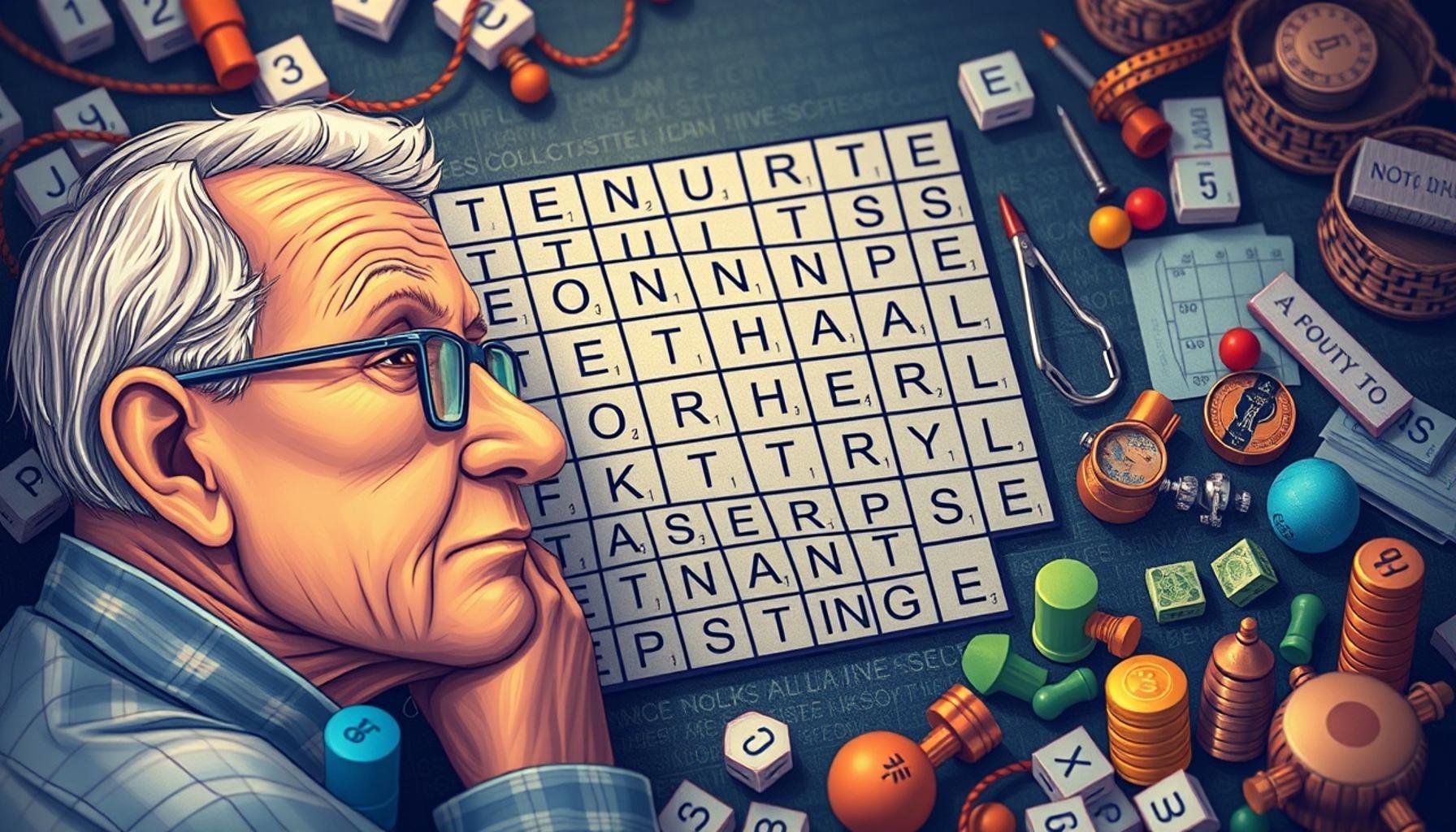
- Solving puzzles like crosswords and Sudoku: These popular pastimes are not just fun; they actively challenge our problem-solving abilities and vocabulary.
- Practicing mindfulness through meditation: Engaging in mindfulness activities helps in clearing mental clutter, promoting a state of relaxation that supports overall mental health.
- Engaging in creative activities like painting or writing: Creative tasks can channel emotional energy into something productive, allowing for emotional expression and reduction of anxiety.
The Stress-Relief Benefits
The positive effects of cognitive tasks on stress levels are well-documented. Engaging in such activities can lead to notable reductions in anxiety and stress. Here are several benefits associated with these mental challenges:
- Enhanced focus: Immersing ourselves in cognitive tasks requires concentration, which sharpens our focus and allows us to temporarily set aside worries.
- Emotional regulation: Participating in cognitive tasks can improve our ability to manage emotions, providing us tools to cope with stressors more effectively.
- Increased social interaction: Many cognitive activities, such as team-based puzzle-solving or group art classes, provide opportunities to connect with others, enhancing social bonds that contribute to emotional stability.
With a clearer understanding of how cognitive tasks impact our mental health, individuals can seek to incorporate them into their daily routines. For instance, joining a local book club not only promotes reading—an excellent cognitive task—but also fosters social interaction among participants. The ability of these activities to transform our approach to stress management is not only fascinating but also essential in navigating today’s fast-paced world. So whether it’s solving a challenging puzzle during a coffee break or taking a moment to meditate at the end of the day, integrating cognitive tasks into our lives may pave the way for a healthier, more balanced mindset.
DISCOVER MORE: Click here to learn how mind games can strengthen social ties
The Science Behind Cognitive Tasks
Cognitive tasks play a pivotal role in mitigating stress and anxiety by engaging our brains in ways that divert our attention from worries and fears. Research often highlights how the act of concentrating on challenging mental activities can induce a state of flow—a psychological state where individuals are fully immersed and focused, leading to reduced levels of anxiety. Some studies suggest that even brief interruptions in one’s thought process, achieved through cognitive tasks, can lead to a significant drop in stress-related hormones like cortisol.
Mechanisms of Stress Reduction
Understanding the mechanisms by which cognitive tasks contribute to lower stress levels is essential. Here are a few key elements:
- Cognitive distraction: Engaging in activities that require attention allows individuals to momentarily escape from negative thoughts and self-focus. This redirection not only diminishes rumination but also provides a fresh perspective on problems.
- Resilience building: Regular participation in cognitive challenges can enhance overall mental resilience. As individuals master new skills or solve complex problems, they build confidence in their abilities to handle stressful situations.
- Neuroplasticity: Cognitive tasks promote neuroplasticity—the brain’s ability to reorganize itself by forming new neural connections. This adaptability helps diminish anxiety symptoms as different thought patterns can emerge through practice.
Moreover, the benefits of cognitive tasks are particularly relevant today, as many individuals face unprecedented stressors due to uncertainties in the world, including economic fluctuations and social isolation. By incorporating engaging activities into daily routines, people can create an effective buffer against anxiety. The simple act of setting aside time for a puzzle or a brainstorming session can elevate mood and offer a sense of accomplishment. As such, making these tasks a regular part of life not only counters feelings of stress but also enhances overall psychological well-being.
Choosing the Right Cognitive Tasks
With numerous cognitive tasks available, choosing the ones that resonate with personal interests and preferences can significantly enhance their stress-relieving benefits. Here’s a shortlist of popular activities:
- Board games and strategy games: Activities like chess or strategy-based video games stimulate critical thinking and engagement with others.
- Memory games: Simple card-matching games can improve memory and cognitive function while providing an element of fun.
- Learning a new language: This not only exercises the brain but also opens up new avenues for social interaction and personal development.
By intentionally selecting activities that challenge the mind, individuals can cultivate a more mindful approach to stress management, leading to a more balanced and fulfilling life. As we delve deeper into the role cognitive tasks play in reducing stress and anxiety, it becomes clear that these practices are not merely distractions; they are powerful tools for enhancing mental resilience.
| Category | Key Features |
|---|---|
| Mindfulness Tasks | Engaging in mindfulness can reduce stress by encouraging presence and awareness, which tempers anxiety levels. |
| Puzzles and Brain Games | Solving puzzles diverts attention from stressors, providing a mental workout that enhances cognitive flexibility and improves mood. |
| Creative Tasks | Engaging in arts and crafts can be a therapeutic approach to expressive release, allowing for emotional processing and relief. |
| Physical Activity | Cognitive tasks paired with physical activity can greatly enhance mood and reduce anxiety through endorphin release. |
Cognitive tasks have shown to play a vital role in combatting stress and anxiety. Through the application of various cognitive activities, individuals can achieve a significant reduction in the levels of stress they experience. Mindfulness tasks, for example, allow individuals to cultivate a sense of presence, which directly counters the symptoms of anxiety. Similarly, engaging in puzzles not only captures attention but also promotes cognitive flexibility, which can serve as a buffer against stressors.Moreover, adopting creative tasks, such as painting or crafting, can function as an outlet for emotional turmoil and enhance overall mental well-being. Additionally, integrating physical activity with cognitive tasks magnifies the benefits, as exercise is known to boost mood by releasing endorphins, offering a multifaceted approach to anxiety management.There is an emerging body of research supporting the claim that regular engagement in these cognitive tasks can lead to lasting improvements, enhancing resilience against future stress incidents. This prompts one to explore further into how they can incorporate such activities into daily routines for improved mental health.
DISCOVER MORE: Click here for a deeper dive
Integrating Cognitive Tasks into Daily Life
As we navigate the complexities of modern life, further understanding how to effectively integrate cognitive tasks into our routines can empower individuals to significantly lower their stress and anxiety levels. The process is not merely about seeking out activities but rather about making these activities a sustainable part of daily life, creating a soothing rhythm that counters the chaos of everyday stressors.
The Role of Technology
In the age of technology, a myriad of apps and online platforms can facilitate cognitive tasks tailored to various interests and skill levels. For example, applications designed for brain training, like Lumosity or Peak, offer users a range of games that challenge memory, attention, and problem-solving skills. These digital tools not only provide immediate access to engaging cognitive activities but also generate data on cognitive performance, making it easier for users to track their improvement and stay motivated.
Moreover, technology can help connect individuals to social platforms where they can engage in games or challenges with friends and family, promoting social interaction—a critical element for mental well-being. In a recent study, researchers found that social engagement during cognitive tasks significantly enhances the stress-relief aspect, as it fosters a sense of community and shared experience.
Mindfulness and Cognitive Tasks
Incorporating mindfulness into cognitive tasks can amplify their stress-reducing advantages. Mindfulness refers to the practice of maintaining a moment-by-moment awareness of our thoughts, feelings, and surroundings. When combined with cognitive activities, mindfulness encourages individuals to fully immerse themselves in the task at hand, increasing the likelihood of achieving that state of flow.
Practicing mindfulness while engaging in cognitive tasks, such as journaling or solving mathematical problems, can enhance focus and clarity of thought. This not only aids in reducing anxiety but also allows for an appreciation of the small wins along the way—be it mastering a challenging Sudoku or completing a chapter in a new language.
Consistency is Key
The benefits of cognitive tasks are most pronounced when undertaken consistently. Just as physical exercise requires regular practice for optimal health, cognitive engagement needs to be woven into the fabric of daily life. This can be as simple as dedicating ten to fifteen minutes each day to a crossword puzzle, attending weekly trivia nights, or setting aside time for group board game sessions on weekends. The critical factor is creating a schedule that is enjoyable and sustainable, rather than an added chore.
Additionally, tailoring cognitive tasks to align with personal interests can further enhance the experience. For instance, someone passionate about gardening might find solace in landscape design apps, while book lovers can immerse themselves in writing prompts. Engaging in tasks that resonate personally adds a layer of fulfillment, reducing stress while simultaneously sparking joy.
As the landscape of mental health continues to evolve, the awareness of how cognitive tasks serve as effective tools against stress and anxiety becomes increasingly vital. By shifting focus to activities that stimulate the mind, individuals not only foster a greater sense of control over their mental states but also pave the way for a more resilient future in an undeniably unpredictable world.
DIVE DEEPER: Click here to learn more
Conclusion: Embracing Cognitive Tasks for Enhanced Well-Being
In today’s fast-paced world, the cumulative effects of stress and anxiety are increasingly recognized as significant barriers to mental health. However, cognitive tasks present a viable and practical solution to combat these pressures. Through the deliberate practice of engaging in brain-stimulating activities, individuals can not only divert their minds from anxiety-inducing thoughts but also enhance their cognitive resilience. This dual benefit positions cognitive tasks as crucial allies in the pursuit of emotional equilibrium.
Whether through traditional puzzles, innovative mobile applications, or collaborative games with friends, the integration of these tasks into daily routines fosters a mindful awareness that enhances focus and joy. The infusion of mindfulness practices into cognitive activities amplifies their impact, creating a enriching experience that reinforces mental clarity while nurturing stress relief.
Furthermore, the necessity of consistency cannot be overstated. Establishing a regular practice of cognitive engagement—tailored to align with one’s interests and lifestyle—transforms these activities from simple distractions into powerful tools for mental health. As research continues to reveal the importance of social connection in achieving comprehensive well-being, individuals are encouraged to leverage their networks, enhancing both personal enjoyment and communal bonds.
In conclusion, embracing cognitive tasks not only equips individuals with strategies to manage stress and anxiety but also promotes a healthier and more fulfilling life. As we continue to explore the multifaceted connections between cognitive engagement and mental health, it becomes increasingly clear that nurturing our minds is essential to thriving in an unpredictable world. The time to start reshaping our daily lives around these beneficial practices is now.